 admin
admin How to Fix Calathea Ornata Leaf Curl: The Ultimate Humidity Guide
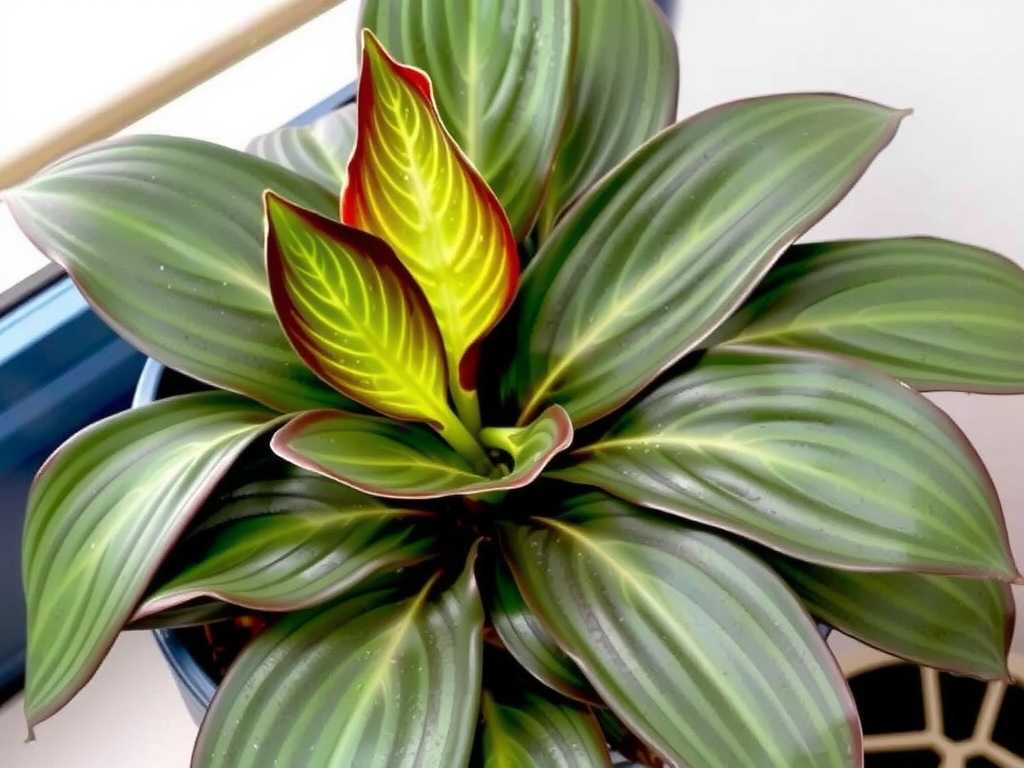
You have just walked into your living room and noticed something heartbreaking. The beautiful, striped leaves of your Calathea Ornata, often called the Pinstripe Calathea, are curling inward like tight cigars. The vibrant pink patterns seem to be losing their luster, and the edges look crispy and brown. This is a classic case of Calathea Ornata leaf curl, and if you are reading this, you are likely worried about losing this stunning plant.
Don't panic. You are not alone. This plant is famous for being dramatic, but it is also incredibly resilient if you understand its language. The curling is not a disease; it is a distress signal. In 90% of cases, the culprit is environmental stress, specifically related to moisture in the air.
This guide dives deep into the physiology of why this happens and provides actionable, expert-backed steps to fix it. We will focus heavily on humidity fixes, but we will also cover watering and light to ensure a holistic recovery plan.
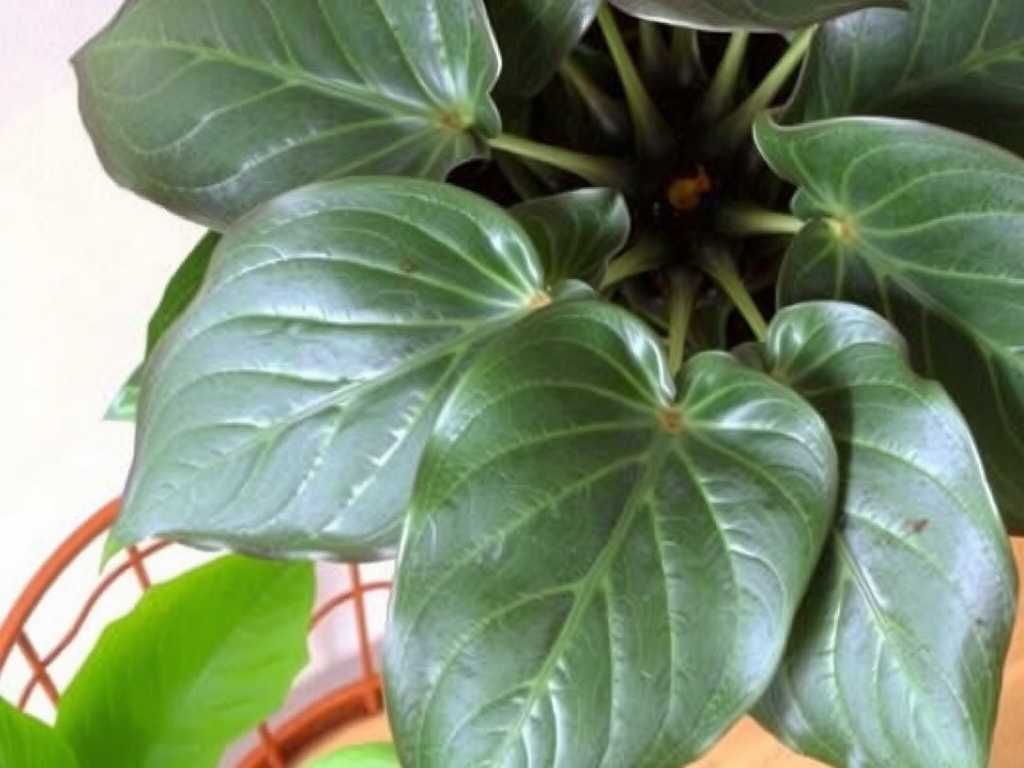
Why Is Your Calathea Ornata Leaf Curling? Understanding the Science
To fix the problem, you must understand the mechanism. Calatheas belong to the Marantaceae family, known for "nyctinasty"—the movement of leaves in response to light and darkness. However, they also exhibit a strong response to humidity known as "hydronastic movement."
The leaves of the Calathea Ornata have a high surface area and thin structure. When the air is too dry, the plant transpires (loses water through leaves) faster than its roots can uptake moisture from the soil. To protect itself from drying out completely, the plant physically curls its leaves to reduce the surface area exposed to the dry air. It is a survival mechanism, not a death sentence.
The Role of Stomata
Microscopic pores on the underside of the leaf, called stomata, open and close to regulate gas exchange. In low humidity, these stomata struggle to function efficiently. If the air is dry, the plant curls the leaf to protect the stomata and prevent excessive water loss. If you see Calathea Ornata leaf curl, check your hygrometer immediately; the humidity is likely below 50%.
The Primary Culprit: Low Humidity
The Pinstripe Calathea is native to the tropical rainforests of South America. In its natural habitat, humidity rarely drops below 60% and often hovers around 80%. Standard home humidity, especially in winter with heating systems or in summer with air conditioning, often falls between 30% and 40%. This is a hostile environment for your plant.
Identifying Humidity-Related Curl
How do you distinguish humidity curl from other issues?
The Curl: The edges curl upward and inward. The leaf feels somewhat papery or crisp at the tips.
Brown Spots: You might see small, brown, crispy patches on the leaf margins (leaf scorch).
New Growth: New shoots may fail to unfurl properly, emerging already curled or stunted.
If the leaves are curling downward (cupping) and turning yellow, you might have an overwatering issue. But if they are curling up and browning, it is almost certainly a humidity crisis.
Actionable Humidity Fixes for Your Calathea Ornata
Fixing the humidity is the most direct solution for Calathea Ornata leaf curl. Here are the most effective strategies, ranked from easiest to most involved.
1. The Pebble Tray Method (Highly Recommended)
This is the most cost-effective immediate fix. Evaporation creates a microclimate of higher humidity right around the plant.
Step 1: Find a shallow tray or saucer.
Step 2: Fill it with a layer of pebbles or LECA (Lightweight Expanded Clay Aggregate).
Step 3: Add water until it is just below the top of the pebbles. Do not let the pot sit in the water.
Step 4: Place the plant pot on top of the pebbles.
Mechanism: As the water evaporates, it raises the relative humidity immediately surrounding the foliage. This is often enough to stop the curling within a few days.
2. Strategic Plant Grouping
Plants release water vapor through transpiration. By grouping your plants together, you create a pocket of humidity.
Place your Calathea near other tropical plants like Ferns, Alocasias, or Fittonias.
Ensure they are not so crowded that airflow is restricted, which can invite mold. The goal is a "jungle effect" where the collective moisture benefits everyone.
3. Investing in a Humidifier
If you are serious about keeping Calatheas, a humidifier is the best long-term investment.
Cool Mist vs. Warm Mist: Cool mist is generally safer and more energy-efficient.
Placement: Place the humidifier in the same room, ideally a few feet away, or use a smart plug to automate it to turn on when humidity drops below 55%.
Target: Aim for a stable humidity level of 60% to 70%. This is the "sweet spot" where fixing curled Calathea leaves becomes effortless because the plant never gets stressed in the first place.
4. The Bathroom or Kitchen Hack
If you have a bright bathroom with a window, it is often the most humid room in the house due to showers. Similarly, the kitchen benefits from steam from cooking.
Constraint: Ensure there is enough bright, indirect light. A dark bathroom will kill the plant even if the humidity is perfect.
Rotation: You can move the plant there for a few days to help it recover from severe curling, then move it back to its decorative spot.
Watering Practices: The Supporting Actor
While humidity fixes the air, watering fixes the internal water pressure (turgor). If the soil is too dry, the roots cannot supply water to the leaves, exacerbating the curl. Conversely, if the soil is soggy, the roots rot and cannot drink water, also causing curl.
The "Moist but Not Soggy" Rule
Never let the soil dry out completely, but never let it sit in water.
Finger Test: Stick your finger an inch into the soil. If it feels dry at that depth, water thoroughly until water runs out the drainage holes.
Water Quality: This is crucial. Calatheas are sensitive to chemicals. Tap water contains fluoride and chlorine, which cause brown tips and leaf curl. Use distilled water, rainwater, or filtered water.
Symptoms of Tap Water Damage: If you see white crusty build-up on the soil or large light brown patches, switch your water source immediately. This is a hidden cause of indoor plant curling leaves.
Light and Temperature: The Hidden Stressors
Sometimes, low humidity is compounded by other stressors. If you fix the humidity but the curl persists, check these factors.
Light Intensity
Calathea Ornata needs bright, indirect light.
Too Much Sun: Direct sun scorches the leaves, causing them to curl and fade. The pink stripes may bleach out.
Too Little Light: The plant lacks energy to maintain leaf structure, leading to drooping and weak curling.
The Fix: Place the plant near a north-facing window or a few feet away from a south/west-facing window. Sheer curtains are perfect for diffusing harsh rays.
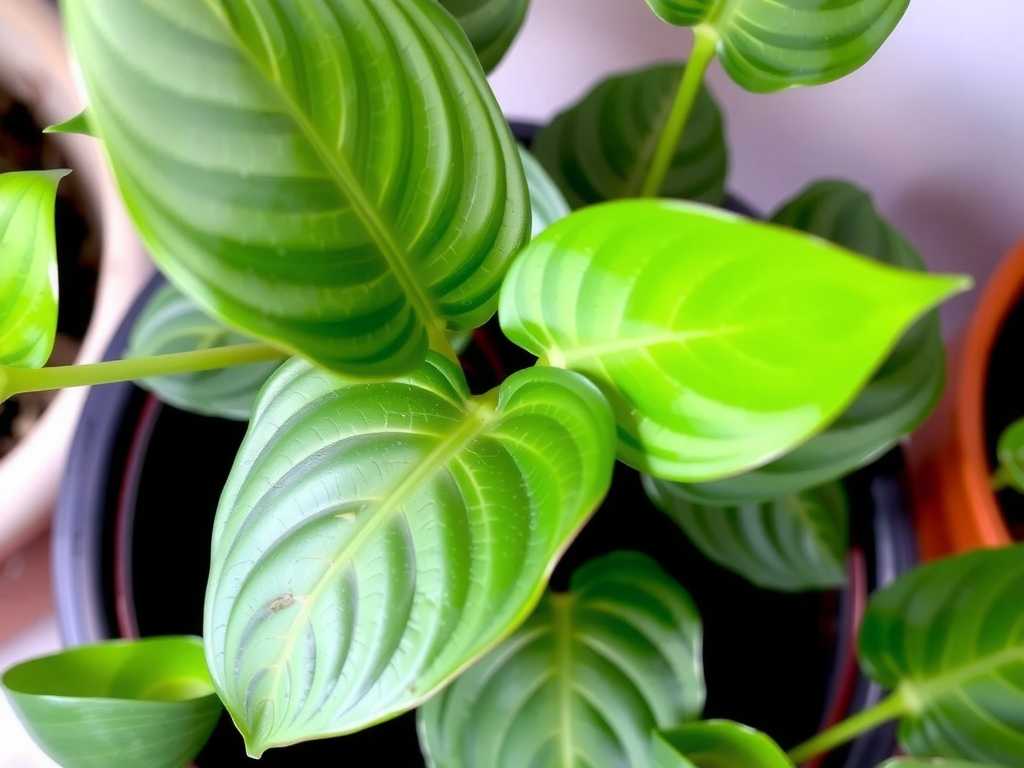
Temperature Fluctuations
These plants hate the cold.
Drafts: Keep the plant away from AC vents, heaters, and drafty windows. A blast of cold air will cause immediate shock and curling.
Ideal Range: 65°F to 75°F (18°C - 24°C). If the temperature drops below 60°F, the plant may go dormant or suffer cell damage, resulting in curled leaves.
Advanced Recovery: Pruning and Propagation
If the Calathea Ornata leaf curl has resulted in significant brown, crispy tissue, that part of the leaf will not heal. Dead tissue does not regenerate.
Should You Cut the Brown Leaves?
Aesthetic Trim: You can trim the brown tips with clean, sterilized scissors. Follow the natural angle of the leaf tip to keep it looking natural.
Don't Over-Prune: Never cut off more than 10-20% of the plant at once. The plant needs green surface area to photosynthesize and generate energy for recovery.
Remove Entire Leaves: Only remove a whole leaf if it is 80%+ brown or yellow. The petiole (stem) will dry up and can be cut at the base.
Preventative Care: Maintaining the "Uncurl"
Once you have fixed the curl, how do you keep the leaves flat and fabulous? Consistency is the secret.
Misting is Not Enough: Many guides suggest misting. While it helps marginally, the effect lasts only minutes. It is better than nothing, but it is not a substitute for a humidifier or pebble tray.
Dust the Leaves: Dust blocks the stomata and reduces the plant's ability to "breathe" and photosynthesize. Wipe the leaves with a damp microfiber cloth every two weeks.
Fertilize Weakly: Feed the plant with a balanced liquid fertilizer (20-20-20) diluted to half strength once a month during the growing season (spring/summer). A well-fed plant has more resources to manage water stress.
Frequently Asked Questions
Will the curled leaves on my Calathea uncurl?
Technically, the specific leaf that has curled and browned will not flatten out again. However, once you correct the environmental conditions (humidity, water, light), new growth will emerge flat and healthy. The old curled leaves will eventually die off and be replaced. Patience is required; you are waiting for the next 2-3 new leaves to judge your success.
Why are my Calathea leaves curling at night?
If the leaves curl up at night and open back up in the morning, this is likely nyctinasty, a natural circadian rhythm. This is normal and not a sign of distress. However, if they stay curled during the day, that is a problem.
Can I use a terrarium or cloche for my Calathea?
Yes, absolutely. If you have a small Calathea or just a few, placing a glass cloche over it or keeping it in a sealed terrarium creates a self-regulating high-humidity environment. This is one of the most effective ways to fix Calathea Ornata leaf curl, though you must monitor for mold due to the lack of airflow.
Conclusion
Fixing Calathea Ornata leaf curl is entirely achievable by reversing the conditions that cause the plant stress. The primary driver is almost always a lack of moisture in the air. By implementing the humidity fixes discussed—specifically using a humidifier, pebble trays, or grouping plants—you create an environment where the plant can thrive.
Remember to support this with proper watering techniques using chemical-free water and stable, warm temperatures. The Pinstripe Calathea is a diva, yes, but it is a diva that rewards its caretaker with some of the most beautiful foliage in the plant kingdom. Observe your plant daily; the leaves will tell you exactly what they need if you know how to look. Start adjusting your humidity levels today, and within a week, you should see those tight curls beginning to relax as new, vibrant growth pushes through.
发表评论