 admin
admin How to Fertilize Calathea Ornata in Winter: Minimal Feeding
I remember the panic I felt last winter when I saw the first brown, crispy edges appear on my beloved Calathea Ornata, affectionately named “Pinstripe.” I was following my usual, generous feeding schedule, convinced I was giving it a boost to survive the gloomy months. Instead, I was slowly harming it. If you’re worried about your prayer plant looking sad or burnt during the cold season, you’re not alone. The central dilemma for any Calathea Ornata owner in winter is this: to feed or not to feed? The answer is nuanced—it’s about minimal, mindful feeding, and understanding that less is profoundly more.
Understanding the Winter Dormancy of Calathea Ornata
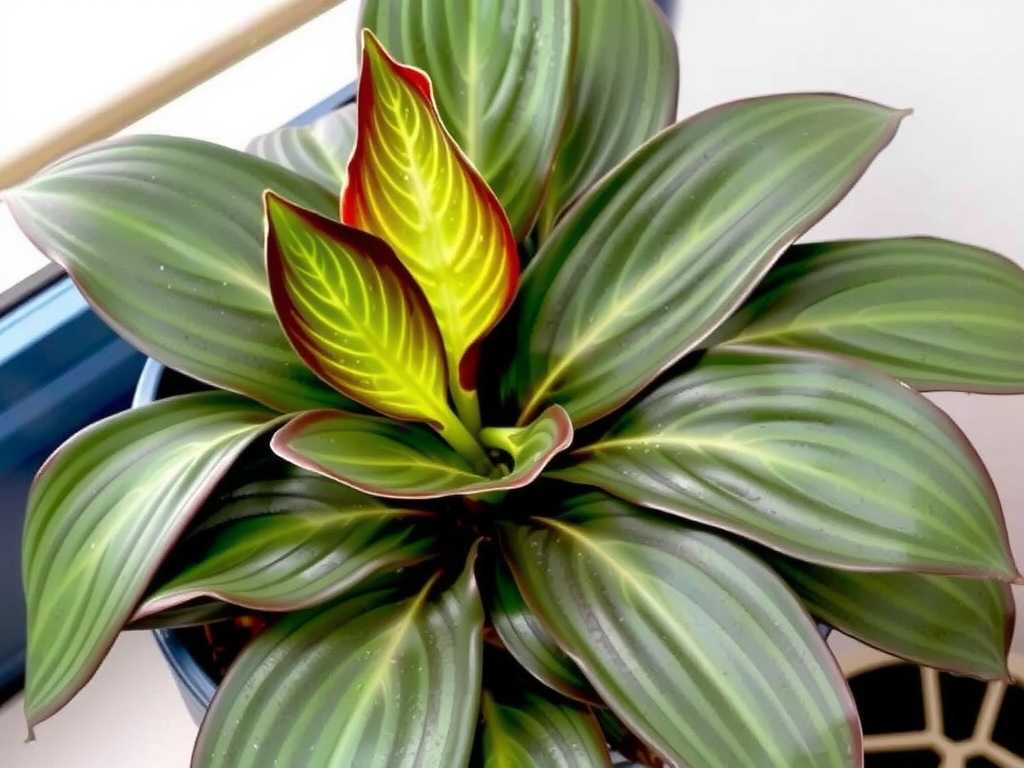
First, let’s reframe how we see winter. Your Calathea isn’t dying; it’s resting. With shorter days, lower light intensity, and cooler temperatures (ideally still above 60°F or 15°C), its metabolic processes slow down significantly. This period is often called dormancy or, more accurately, reduced growth.
During this time, the plant’s demand for nutrients plummets. Applying fertilizer at summer strength is like offering a heavy meal to someone who is asleep—it won’t be used, and it will likely cause distress. The unused salts from the fertilizer accumulate in the soil, leading to root burn, which manifests as those heartbreaking brown leaf tips and margins. The Royal Horticultural Society (RHS) clearly advises that most houseplants need little to no fertilizer in autumn and winter, emphasizing that overfeeding is a far more common issue than underfeeding.
My Winter Fertilization Protocol: A Step-by-Step Guide
After my initial failure, I developed a conservative, observation-based routine. Here is the exact protocol I now follow from late October through early March.
Step 1: The Pre-Winter Assessment and Soil Flush
About six weeks before my heating system turns on, I stop all regular fertilizing. In mid-October, I give the plant’s soil a thorough flush. I take my Calathea to the sink and slowly pour lukewarm, distilled or rainwater through the soil for several minutes, allowing it to drain freely. This leaches out any residual fertilizer salts from the previous growing season, giving the roots a clean slate for winter. I let it drain completely before returning it to its spot.
Step 2: Switching to a Minimal Feeding Formula
I completely abandon my balanced, all-purpose fertilizer for the winter. Instead, I opt for a gentle, liquid fertilizer specifically formulated for foliage plants or a balanced orchid fertilizer at an ultra-weak strength. The key is low nitrogen and the presence of micronutrients. My choice is a fertilizer with an N-P-K ratio like 1-1-1 or 2-1-1.
Step 3: The Dilution is the Solution
This is the most critical step. I take the manufacturer’s recommended dosage for a gallon of water and I dilute it further. My winter rule is one-quarter strength, at most. For example, if the bottle says “1 teaspoon per gallon,” I use ¼ teaspoon. Some experts, like those contributing to the American Horticultural Society’s (AHS) best practices, even suggest an eighth-strength solution for sensitive plants like Calatheas in low-light conditions. I err on the side of caution.
Step 4: The Infrequent Application Schedule
I do not feed on a calendar schedule. I feed only in direct response to the plant and environment. My trigger is a period of unusually bright, sunny winter days—a “false spring” of sorts. If we get a solid week of good sunlight through the window, I might consider a single, quarter-strength feeding. In a typical winter, this means I fertilize only once, maybe twice, total. In a particularly dark and cloudy winter, I may not feed at all.
Step 5: Perfect Timing and Method
When I do decide to feed, I ensure the soil is already lightly moist. I never fertilize a bone-dry plant, as this concentrates the solution and risks shocking the roots. I use my diluted solution to water the plant as normal, ensuring even saturation. Any solution that flows into the saucer is discarded immediately to prevent the plant from sitting in and re-absorbing salts.
A Two-Week Observation: Seeing the Difference
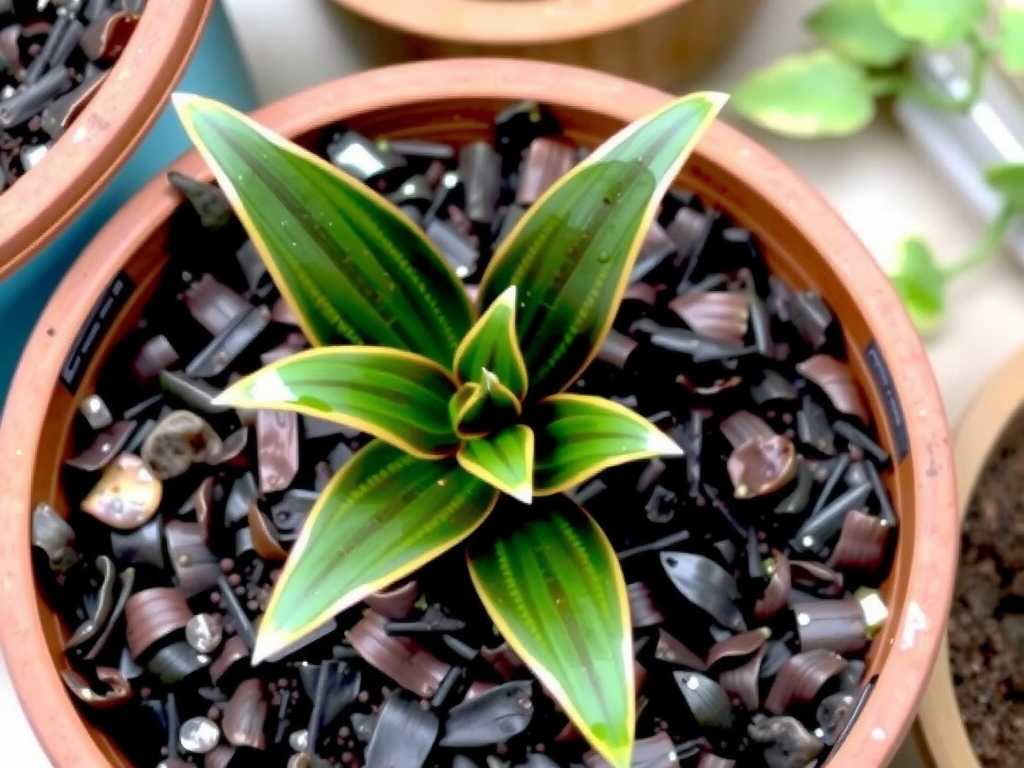
After my first cautious, quarter-strength feeding in early December last year, I monitored “Pinstripe” closely. The goal was not dramatic growth, but stable health.
Days 1-3: No visible change. The plant continued its gentle prayer movement. Days 4-7: I observed a subtle, deep green richness returning to the leaves that had looked slightly washed out. No new browning appeared on existing leaf tips. Days 8-14: Most importantly, there was no negative reaction. No leaf curl, no sudden yellowing, and crucially, no acceleration of crispy edges. A tiny, tightly furled new leaf that had been stalled for weeks showed the faintest hint of unfurling—a sign it had received just enough resources to continue slowly, not a surge that would force weak, leggy growth. This uneventful, stable response was exactly what I aimed for. It confirmed that the minimal feeding provided a subtle nutrient bridge without overwhelming the plant.
The Pitfalls I Encountered and How I Solved Them
My journey wasn’t without mistakes. Here’s what went wrong and how I fixed it.
Pitfall 1: The “Just a Little More” Mentality Early on, thinking a half-strength dose was still “conservative,” I fed my plant. Within ten days, two older leaves developed rapid yellowing from the edges inward. I had overdone it. Solution: I stopped all feeding immediately and performed an emergency soil flush with copious amounts of distilled water. I trimmed the severely damaged leaves and accepted that the plant needed months to recover from the excess salts. Patience was the only cure.
Pitfall 2: Ignoring Water Quality I once used my quarter-strength fertilizer mix with tap water. My tap water is moderately hard. The combination of fertilizer salts and water mineral salts created a double-whammy for the roots, leading to tip burn. Solution: I now exclusively use distilled or collected rainwater for both flushing and fertilizing my Calathea Ornata, especially in winter. This variable is non-negotiable.
Pitfall 3: Fertilizing in Low Light I made the classic mistake of feeding because “it had been a month,” despite a stretch of perpetually cloudy weather. The plant, unable to use the nutrients, responded with weak, pale new growth that was susceptible to curling. Solution: I now tie feeding to light conditions, not the calendar. No bright light week, no fertilizer. It’s that simple.
Essential Winter Care Synergy: It’s Not Just About Fertilizer
Minimal feeding only works in concert with proper overall winter care. Fertilizer is not a substitute for correct light, water, and humidity.
Humidity is Paramount: Heating systems dry the air drastically. I keep my Calathea on a pebble tray filled with water and run a humidifier nearby, aiming for 60%+ humidity. This does more to prevent crispy tips than any fertilizer trick. Watering Adjustments: I water less frequently, always checking that the top inch of soil is dry before watering deeply with tepid, distilled water. Cold water is a shock. Light Maximization: I clean the leaves regularly and position the plant to receive the maximum available indirect winter light without exposing it to cold drafts from windows.
My plant’s leaves are turning yellow in winter. Is it hungry? Most likely, it’s the opposite. Yellowing leaves, especially starting at the edges or lower down, are a classic sign of overwatering, cold drafts, or—importantly—over-fertilization. Before you feed, check your watering habits, ensure the plant is away from cold windows, and consider if you’ve fertilized recently. In winter, nutrient deficiency is rare; toxicity is common.
Can I use worm castings or compost tea instead of liquid fertilizer in winter? Yes, and these are excellent, gentler alternatives. A thin top-dressing of worm castings or a single, very diluted application of compost tea can provide a slow-release, organic nutrient source that is less likely to cause salt burn. I’ve used a light sprinkle of castings in early winter with good results. They feed the soil biology, which in turn supports the plant at its own pace.
When do I resume regular fertilizing in spring? Wait for consistent signs of active growth. Don’t jump the gun with the first sunny day in March. I wait until I see at least two or three new leaves unfurling steadily and the days are noticeably longer—usually around mid to late April. I then begin with a half-strength dose of my balanced fertilizer and gradually work up to full strength over the next two feedings as growth accelerates.
Caring for a Calathea Ornata in winter is an exercise in restraint and observation. The instinct to nurture can lead us to over-complicate things. By embracing a philosophy of minimal feeding—dramatically diluting fertilizer, applying it infrequently only in favorable light, and prioritizing flawless water quality and humidity—you provide precisely what your plant needs: peace. You’re not starving it; you’re respecting its natural cycle. This gentle approach has kept my Pinstripe not just alive, but quietly healthy through multiple winters, its elegant pink stripes a vibrant reward for doing less, better.
发表评论