 admin
admin How to Care for Calathea Ornata in Bathrooms with Showers: Mastering Humidity Control
You've found the perfect spot for your stunning Calathea Ornata, with its dramatic pink-striped leaves, in your bathroom. The natural light is filtered, the aesthetic is perfect, but then you notice the edges of those beautiful leaves starting to crisp and brown. Your bathroom has a shower, so it should be humid enough, right? This common frustration highlights the nuanced challenge of caring for a Calathea Ornata in bathrooms with showers. While the steamy environment seems ideal, the humidity levels are often inconsistent—spiking dramatically during a shower and then plummeting as ventilation systems kick in. This rollercoaster, combined with potential pitfalls like water quality and light, can leave your prayer plant stressed rather than thriving.
This guide will walk you through transforming your bathroom into a true paradise for your Calathea Ornata. We'll move beyond generic advice and delve into the specific strategies for humidity control in bathroom environments, ensuring your plant not only survives but flourishes.
Understanding Your Calathea Ornata's Core Needs
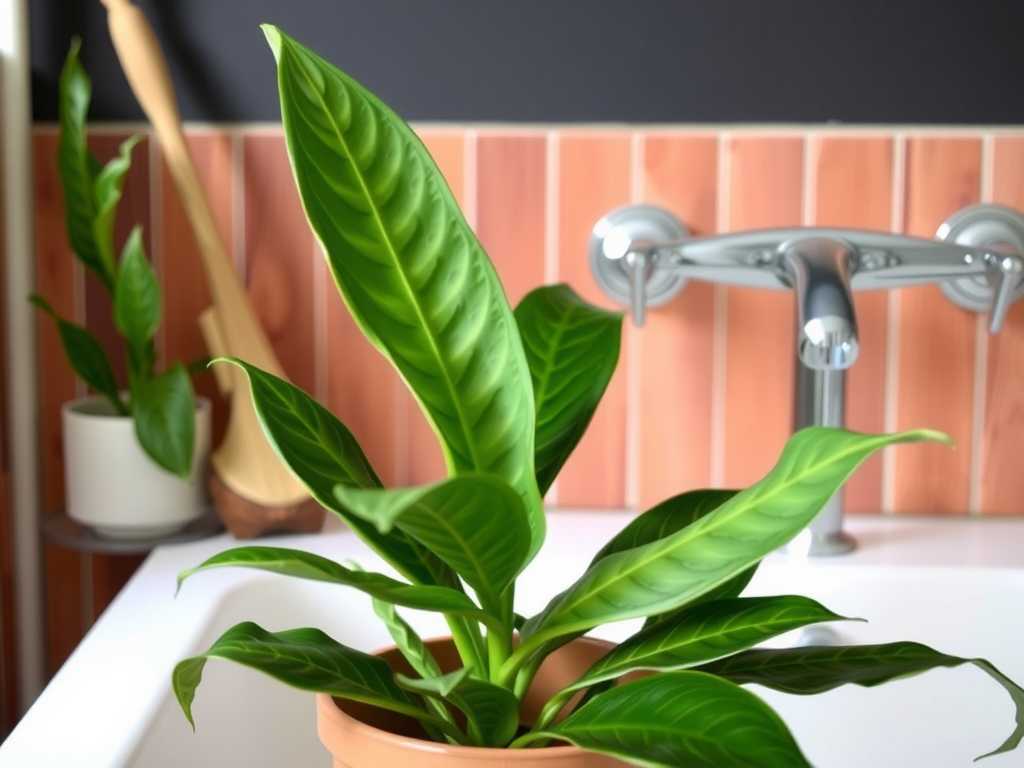
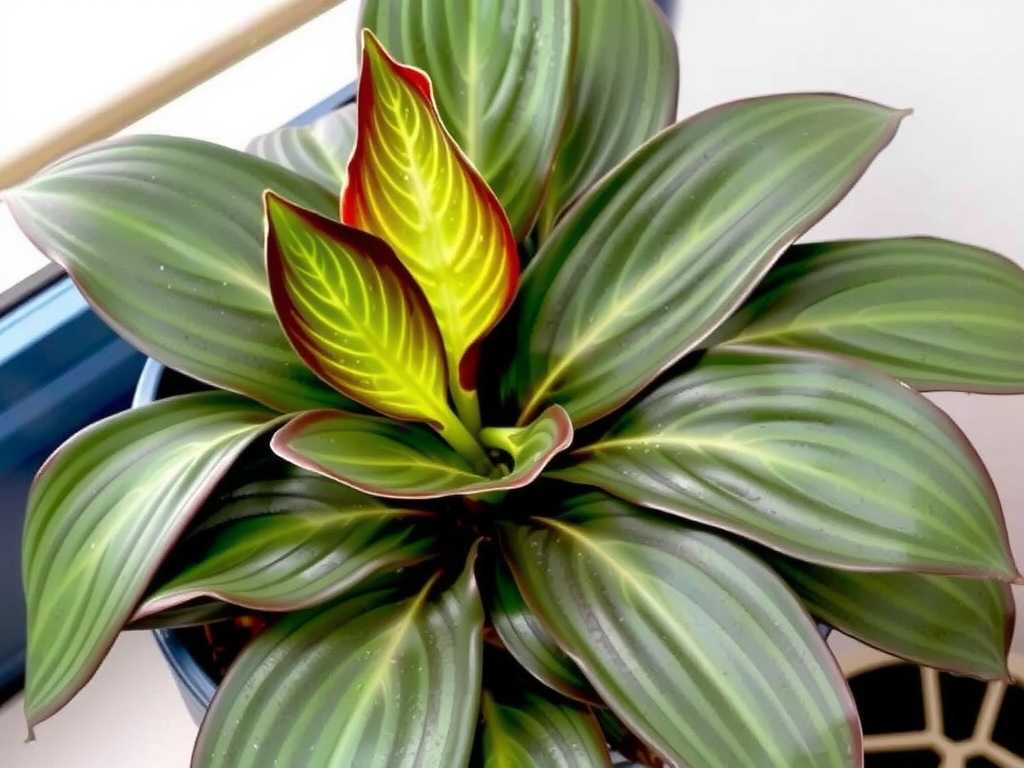
Often called the "Pinstripe Plant," the Calathea Ornata is a tropical understory plant native to the rainforests of South America. Its care hinges on replicating the stable, warm, and consistently moist conditions of its natural habitat. For Calathea Ornata bathroom care, three factors are paramount: high and stable humidity (60% or above), indirect or filtered light, and pure, chemical-free water. The bathroom can uniquely address the first need but introduces variables with the other two.
Why Bathrooms with Showers Are a Double-Edged Sword
The steamy environment created by a hot shower is the main attraction for placing a Calathea here. However, this benefit comes with significant caveats. Post-shower humidity can quickly be stripped away by exhaust fans or open windows, creating a cycle of feast and famine for your plant. Furthermore, bathrooms are often designed for quick drying to prevent mold, which works against your plant's need for constant moisture in the air. Direct splashes from the shower can also lead to soggy soil or leaf spot diseases if the leaves remain wet for too long.
Essential Tools for Monitoring and Control
You cannot manage what you do not measure. The first step in caring for Calathea in high humidity rooms is investing in a simple digital hygrometer. This device will tell you the truth about your bathroom's climate throughout the day, not just during your morning routine. You'll likely discover that the "high humidity" period is much shorter than you assumed.
Mastering Consistent Humidity: Beyond the Steam
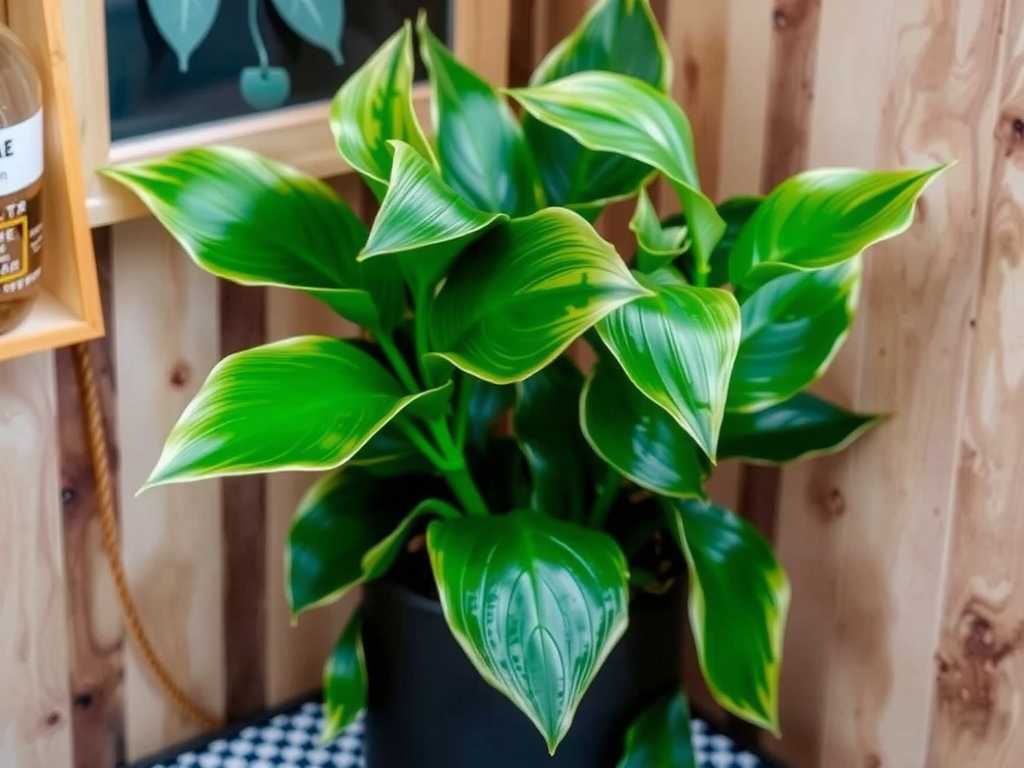
Relying solely on shower steam is a passive and unreliable strategy. To create the stable environment your Calathea craves, you need active solutions.
- The Pebble Tray Method: Place your plant's pot on a wide tray filled with pebbles and water. As the water evaporates, it creates a localized humid microclimate around the plant. Ensure the pot sits above the water line to prevent root rot. This is a simple, low-tech, and highly effective supplement.
- Strategic Grouping: Cluster your Calathea Ornata with other humidity-loving plants like ferns, peace lilies, or other Calathea varieties. As plants transpire, they collectively raise the moisture level in their immediate vicinity.
- The Strategic Shower: On days when the air is particularly dry, you can give your plant a gentle, lukewarm shower. Let it sit in the steamy bathroom afterward (with the fan off) for an hour to soak up the moisture. This is a helpful boost but not a daily solution.
- Using a Humidifier: For the most controlled and effective approach, a small, quiet humidifier placed in the bathroom can maintain your desired humidity level effortlessly, especially during dry winter months or in climates with low ambient humidity.
The Critical Role of Water Quality
Even with perfect humidity, using tap water can cause your Calathea Ornata's leaves to develop brown tips and edges due to chlorine, fluoride, and dissolved salts. In a bathroom, it's tempting to use what's on hand, but this is a critical mistake. Always water your bathroom Calathea with filtered water, rainwater, or distilled water. Letting tap water sit out for 24 hours can help some chlorine evaporate, but it won't remove fluoride or salts.
Optimizing Light and Placement
Bathroom lighting is often perfect—bright but indirect. However, placement is key. Your plant should never be in the direct path of the shower spray. Place it on a shelf, counter, or stand where it receives bright, filtered light from a frosted window or skylight, but remains safely away from direct splashes and cold drafts from vents or windows. A north or east-facing bathroom window is often ideal.
Soil and Potting for a Moist Environment
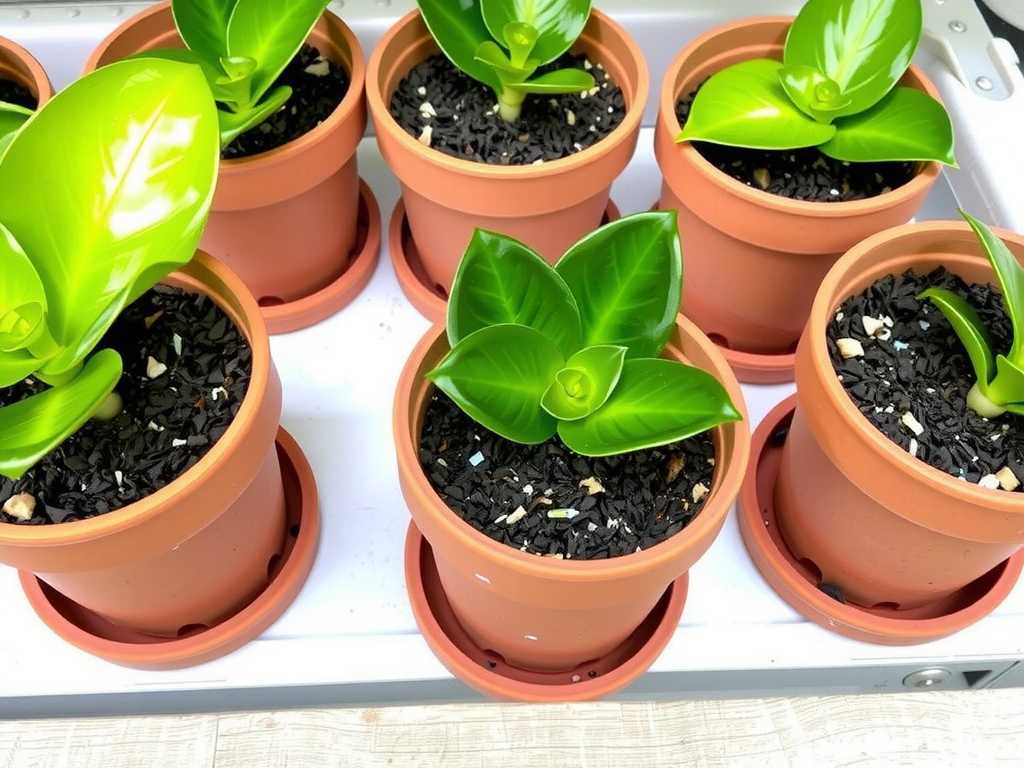
In a humid bathroom, soil drainage becomes even more critical to prevent root rot. Use a well-aerated, peat-based potting mix amended with perlite and orchid bark for excellent drainage. Ensure your pot has multiple drainage holes. The goal is to keep the soil consistently moist (not wet) and never allow it to sit in a saucer of water, which is a heightened risk in a humid room.
Seasonal Adjustments and Troubleshooting
Your care routine must adapt with the seasons. In winter, when heating systems dry the air, your humidifier or pebble tray becomes essential. In summer, ensure the bathroom doesn't get too hot. Watch for common signs:
- Brown, Crispy Leaf Edges: The classic sign of low humidity or chemical-laden water.
- Yellowing Leaves: Often a sign of overwatering, especially risky in a humid bathroom. Check your soil moisture before watering.
- Curling Leaves: Can indicate underwatering or, ironically, a reaction to dry air.
- Faded Leaf Color: Too much direct light can wash out the vibrant pink stripes.
Frequently Asked Questions
Can I leave my Calathea Ornata in the bathroom with no window? While the humidity can be beneficial, a bathroom with no natural light is not suitable long-term. Calathea Ornata requires bright, indirect light to photosynthesize and maintain its vibrant colors. Consider supplementing with a grow light if your bathroom is windowless.
How often should I water my Calathea in a humid bathroom? There is no fixed schedule. The humid air will slow down soil drying. Always check the top inch of soil; water only when it feels dry to the touch. In a very humid bathroom, this may be less frequent than for a plant in a drier room.
Are there signs my bathroom is too humid for my Calathea? Excessive, stagnant humidity (above 80% consistently) with poor air circulation can encourage fungal diseases like powdery mildew or cause new growth to become soft and weak. Good air flow (a gentle fan, not a direct draft) is important to prevent this, along with monitoring for any mold on the soil surface.
Success with a Calathea Ornata in your bathroom is entirely achievable. It requires moving beyond assuming the shower provides enough moisture and instead taking proactive control of the environment. By monitoring humidity levels, supplementing with reliable methods like pebble trays or a humidifier, using pure water, and ensuring proper light and drainage, you can turn the unique challenges of a bathroom into distinct advantages. Your reward will be a spectacular, healthy Pinstripe Plant that adds a vibrant touch of the tropics to your daily routine, its leaves gracefully rising and falling with the rhythm of day and night.
发表评论