 admin
admin How to Propagate Calathea Ornata: The Complete Division Guide
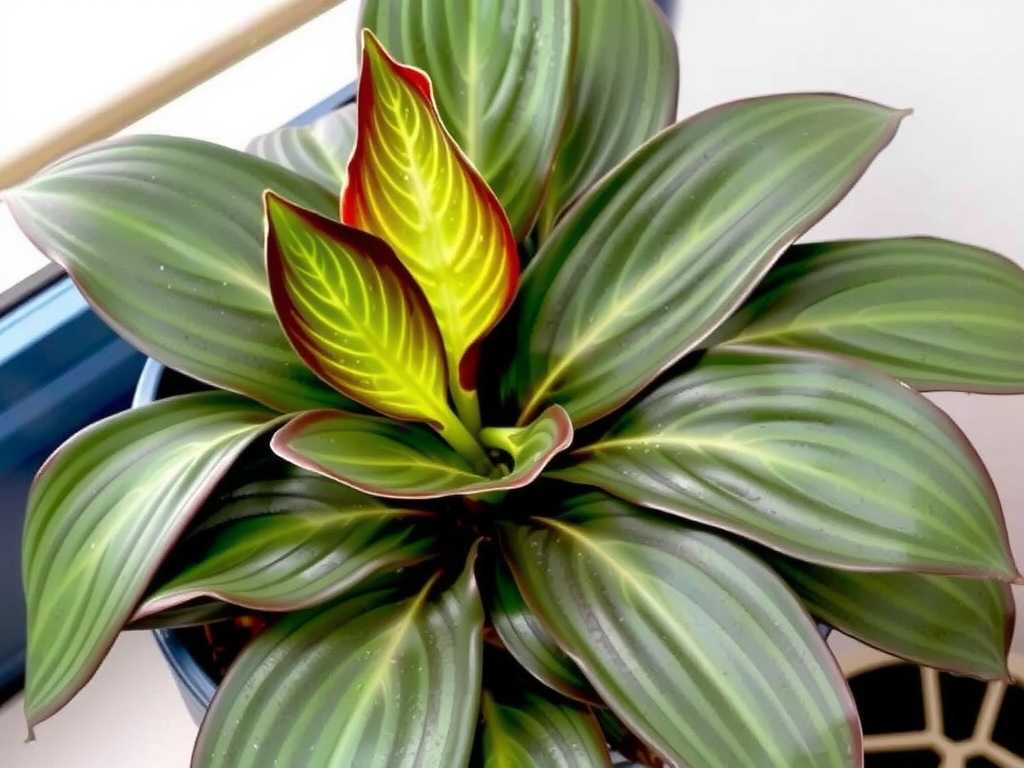
You have fallen in love with the striking pink pinstripes of the Calathea Ornata, commonly known as the Pinstripe Plant. It has become the centerpiece of your indoor jungle, but you hesitate to buy more because of the price tag or simply because you want to share the beauty with friends. The best news? You do not need to visit the nursery again. Learning how to propagate Calathea Ornata is simpler than you think, and it is the most effective way to multiply your collection for free.
However, this plant is famous for being dramatic. A wrong cut or a dirty tool can send it into shock, ruining both the mother plant and the new cuttings. Many plant parents attempt division only to watch their new plants wilt within a week. The secret lies in understanding the plant's rhizome structure and timing the process correctly.
This guide provides a deep, horticulturally sound walkthrough of the division process. We will move beyond the basics to ensure you have a high success rate, turning one expensive specimen into three or four thriving plants.
Understanding the Growth Habit: Why Division Works
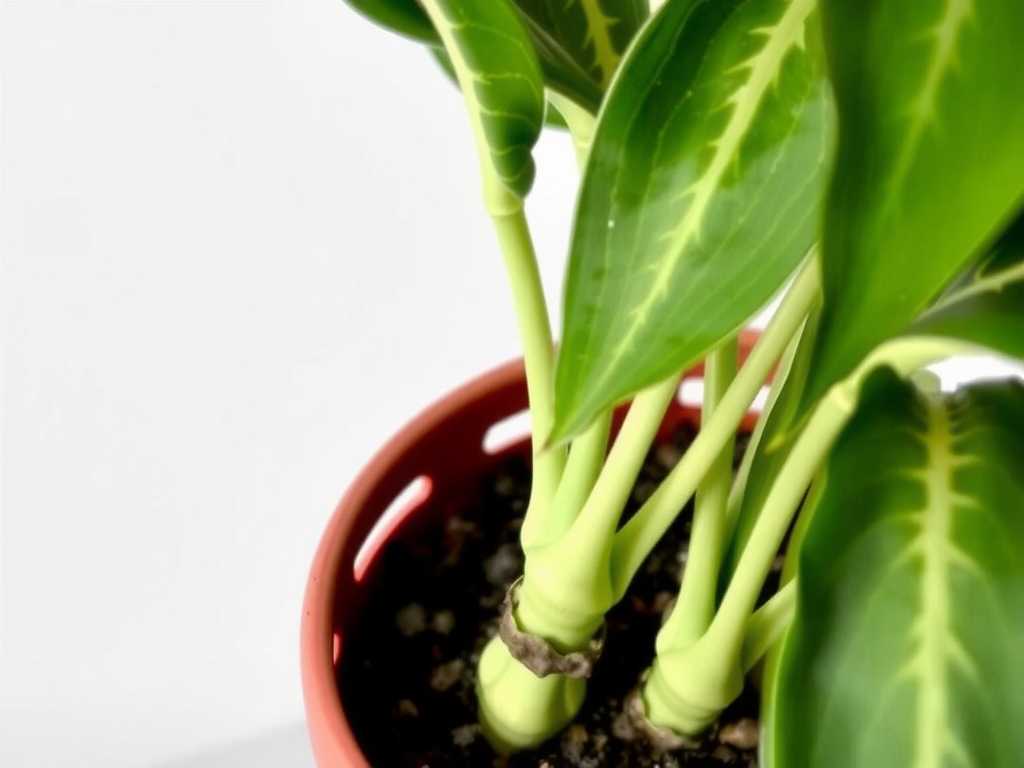
Before you grab a knife, you must understand what is happening beneath the soil. Unlike plants that grow from a single central stem, Calatheas grow from rhizomes. These are horizontal underground stems that store energy and send out roots and shoots along their length.
Because the plant naturally spreads outward via these rhizomes, it eventually outgrows its pot, becoming root-bound. This is where Calathea Ornata propagation shines. Every cluster of leaves (a fan) is usually connected to a specific section of the rhizome. If you can separate a fan with its own roots and a piece of the rhizome, you have a genetically identical new plant.
The Best Time to Divide
Timing is critical. The plant needs to be in an active growth phase to recover from the trauma of being cut.
Spring to Early Summer: This is the golden window. The plant is waking up from winter dormancy and has the energy reserves to push out new roots.
Repotting Cycles: You should plan to divide the plant every 12 to 18 months anyway to refresh the soil and prevent the pot from cracking. Combining repotting with propagation is the most efficient method.
Preparation: Gathering Your Tools
Do not rush this step. Using dull or dirty tools is the number one cause of infection and failure in dividing Calathea plants. You need to create a sterile environment to prevent pathogens like Pythium or Rhizoctonia from entering the open wounds.
Essential Tools List
Sharp Pruning Shears or a Knife: The blade must be razor-sharp to make clean cuts that heal fast.
Isopropyl Alcohol: Keep a spray bottle handy to sterilize your tools before and after every cut.
Fresh Potting Mix: Old soil is depleted of nutrients and may harbor pests. Use a high-quality, well-draining aroid mix (peat, perlite, and orchid bark).
Pots with Drainage: Ensure the new pots have adequate drainage holes. Plastic or glazed ceramic works best to retain moisture.
Gardening Gloves: Protect your hands from soil bacteria and potential skin irritation.
Step-by-Step Guide: How to Propagate Calathea Ornata
Now we get to the hands-on part. Follow these steps precisely to ensure the survival of your new divisions.
Step 1: Remove the Plant from the Pot
Gently grasp the base of the main stem where it meets the soil. Tip the pot sideways and slide the plant out, supporting the root ball with your other hand. Never pull by the leaves, as they tear easily.
If the plant is root-bound, you may need to run a long knife around the inner edge of the pot to loosen the soil. Once removed, gently shake off excess soil to expose the rhizomes. You need to see the "skeleton" of the plant to know where to cut.
Step 2: Identify Natural Division Points
Look for distinct "fans" of leaves. Your goal is to find a point where two fans join the main rhizome but can be pulled apart or cut with minimal damage.
The Rule of Thumb: Each division must have at least one healthy leaf (preferably two) and a substantial cluster of white, healthy roots.
Avoid the Center: Do not try to cut right through the densest, oldest part of the clump. Focus on the periphery where new growth is emerging.
Step 3: The Separation Process
There are two ways to separate the plant, depending on how dense the root ball is.
Method A: Hand Separation (Gentle)
If the soil is loose and the rhizomes are distinct, you can gently pull the fans apart with your hands. You should feel a natural "snap" or separation point. This causes the least amount of shock to the plant.
Method B: Cutting (Surgical)
If the plant is tightly bound, use your sterilized knife. Locate a section of the rhizome that connects two fans. Make a clean, swift cut through the rhizome.
Crucial Detail: Ensure the cut section on the mother plant is clean. If the cut is ragged, it invites rot.
Root Trim: If the root system is massive, you can trim up to one-third of the foliage mass to balance it with the root loss, but try to keep as many roots as possible on the new division.
Step 4: Potting the New Divisions
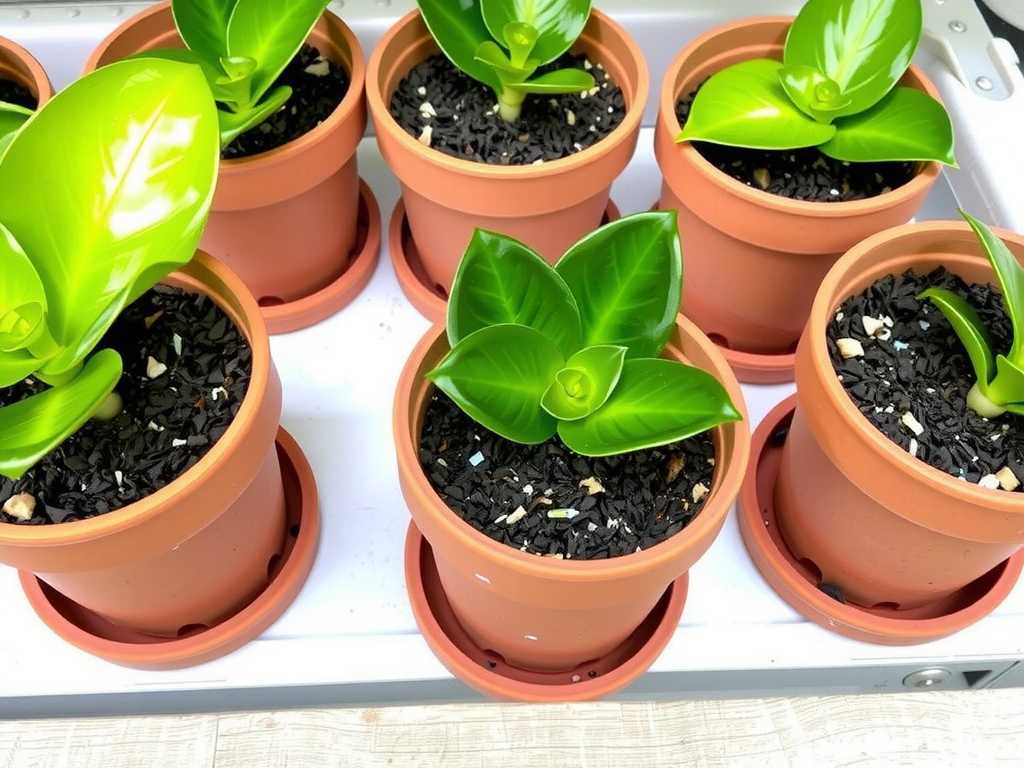
Prepare the new pots with fresh, moist soil. Do not pack the soil down tightly; Calatheas like airy roots.
Place the division in the hole so the rhizome sits just below the soil surface (about 0.5 inches deep).
Backfill with soil and press gently to secure the plant.
Water immediately after planting to settle the soil and eliminate air pockets around the roots.
Post-Propagation Care: The Recovery Phase
You have successfully created new plants, but the Calathea Ornata propagation process is not finished. The next two weeks are the "danger zone." The plant is in shock and cannot regulate water efficiently because its root mass has been reduced.
Humidity is Non-Negotiable
The leaves will lose water faster than the damaged roots can absorb it.
Humidity Dome/Bag: If you have a propagation box, use it. If not, loosely cover the plant with a clear plastic bag to create a mini-greenhouse. Ensure the bag does not touch the leaves (use stakes to hold it up).
Target: Keep humidity above 70%. Vent the bag for 15 minutes daily to prevent mold.
Light Adjustment
Place the new divisions in bright, indirect light. Direct sun will scorch the leaves, which are already stressed. A north-facing window or a spot a few feet back from a sunny window is perfect.
Watering Strategy
Keep the soil consistently moist but not soggy. Do not let it dry out completely, but ensure the pot drains freely. Watering with distilled water is highly recommended to avoid mineral buildup on the fresh, vulnerable roots.
Troubleshooting Common Division Issues
Even with perfect technique, things can go wrong. Here is how to identify and fix common problems associated with dividing Calathea plants.
Yellowing Leaves After Division
It is normal for the bottom leaf or two to turn yellow and die off as the plant redirects energy to root growth. However, if new growth turns yellow:
Cause: Likely overwatering or root rot due to unsterilized tools.
Fix: Check the roots. If they are brown and mushy, cut away the rot, repot in fresh dry soil, and apply a fungicide.
No New Growth After a Month
If the plant looks healthy but isn't growing:
Cause: The division might be too small, or the temperature is too low.
Fix: Ensure temperatures are between 65-75°F (18-24°C). Feed with a diluted, balanced liquid fertilizer (10-10-10) to give it a gentle nudge.
Wilting Despite Wet Soil
Cause: Bacterial wilt or poor root-to-soil contact.
Fix: Remove the plant, wash the roots gently, and repot. Ensure the soil is not compacted.
When NOT to Divide
There are specific scenarios where you should postpone Calathea Ornata propagation.
During Flowering: If your plant is blooming (producing the small, spike-like flowers), let it finish. The energy is needed for seeds/reproduction.
Winter Dormancy: Never divide in late autumn or winter unless the plant is in a controlled tropical environment. The low light levels cannot support root regeneration.
Sick Plants: If the mother plant has pests (spider mites, mealybugs) or disease, do not propagate it. You will just spread the problem. Treat the mother plant first.
Expert Tips for Maximizing Success
To truly master how to propagate Calathea Ornata, consider these professional insights:
The "3-Fan" Rule: For the highest chance of success, only divide clumps that have at least three distinct fans of leaves. Smaller divisions struggle to maintain turgor pressure.
Wound Healing: Some horticulturists suggest dusting the cut ends of the rhizomes with cinnamon powder (a natural fungicide) before replanting.
Bottom Heat: Using a seedling heat mat set to 70°F can significantly speed up root establishment, especially in cooler climates.
Frequently Asked Questions
Can I propagate Calathea Ornata in water?
While it is possible to root some houseplants in water, Calatheas generally struggle with this method. They are prone to bacterial rot when submerged. Soil propagation or sphagnum moss propagation is significantly safer and more successful for this specific species.
How long does it take for a divided Calathea to root?
You should see signs of new growth (a new leaf unfurling) within 4 to 6 weeks. Root establishment usually happens within 3 weeks. If you tug gently on the plant after a month and feel resistance, roots have formed.
Can I plant multiple divisions in one pot?
Yes, you can. For a fuller look, plant 2 or 3 small divisions in a single pot. Ensure they are spaced about 2-3 inches apart to allow for future growth. This creates an instant lush, mature look.
Conclusion
Mastering how to propagate Calathea Ornata is a rewarding skill that saves money and expands your indoor garden. The process relies on understanding the plant's rhizomatous structure and providing a sterile, high-humidity environment for recovery. By following this step-by-step division guide, you minimize stress on the plant and maximize your chances of success.
Remember, patience is your greatest tool. Do not be discouraged if the plant looks a bit sad for the first two weeks; it is focusing its energy underground. With consistent care, bright indirect light, and proper humidity, your divisions will soon produce those signature vibrant pink stripes, proving that you have successfully cloned one of nature's most beautiful patterns. Grab your sterilized shears and get started—your new plants are waiting.
发表评论