 admin
admin How to Care for Calathea Ornata: The Ultimate Guide to Mastering Light and Humidity
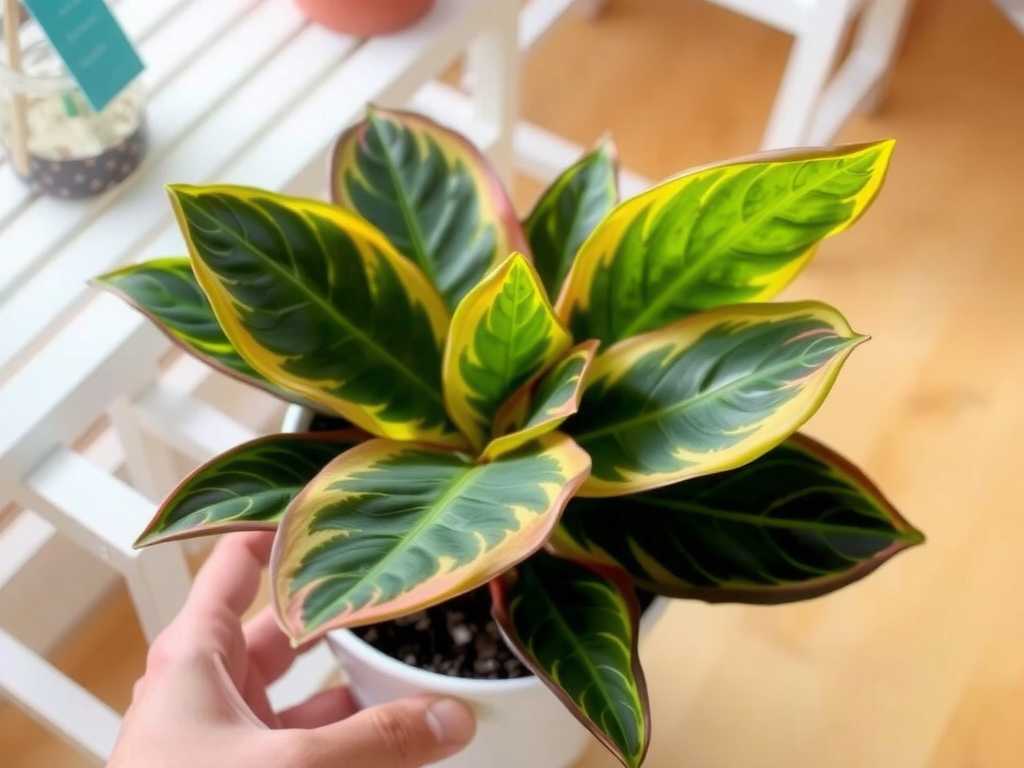
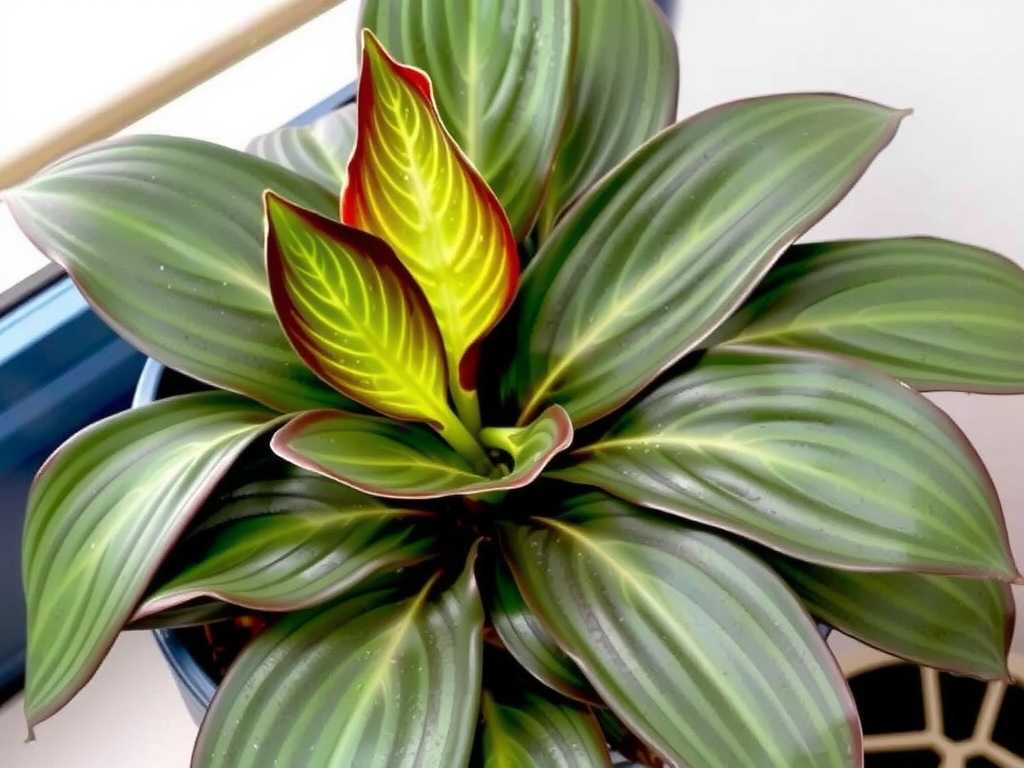
You have just brought home a stunning Calathea Ornata, often called the Pinstripe Calathea. Its dark green leaves adorned with vibrant pink pinstripes look like living art. But two weeks later, you notice the edges are turning brown, and the beautiful leaves are curling inward like a closed book. This is the classic "diva" behavior that terrifies new owners.
The secret to keeping this plant alive isn't a magic fertilizer; it is recreating its natural environment. To truly learn how to care for Calathea Ornata, you must master two specific variables: light and humidity. This plant does not just survive; it thrives when you mimic the dappled sunlight and moist air of the tropical rainforest floor.
This guide cuts through the noise. We will explore the exact Pinstripe Calathea light requirements and the science behind its moisture needs. By the end, you will have the expert knowledge to keep those pink stripes vivid and the leaves flat.
Why Environment Matters More Than Fertilizer
Many plant owners kill their Calatheas with kindness, over-watering or over-feeding them. However, the Calathea Ornata (botanically known as Goeppertia ornata) is an epiphyte-like perennial native to Colombia and Venezuela. In nature, it grows under the canopy of larger trees.
It never experiences direct sun, and the air is always heavy with moisture. When you place it in a dry living room with harsh artificial light, it goes into survival mode. Understanding this biology is the first step in indoor plant maintenance. The plant’s dramatic leaf movements (nyctinasty) are actually a communication tool—they are telling you exactly what is wrong with their environment.
Mastering Light: The "Goldilocks" Zone
Light is the most common factor that fails when trying to figure out how to care for Calathea Ornata. Too much light bleaches the pink stripes; too little hides them. You need the "just right" balance.
The Danger of Direct Sun
Never place your Calathea in direct sunlight. The leaves act as magnifying glasses, focusing the sun's rays onto a small spot, which creates large, light brown, crispy patches known as scorch marks.
Symptom: Faded pink stripes and crispy brown centers on leaves.
Fix: Move the plant away from south-facing windows or pull back sheer curtains.
The Problem with Low Light
Conversely, placing the plant in a dark corner causes the vibrant pink patterns to fade to a dull green. The plant stops producing chlorophyll in the patterned areas, losing its ornamental value.
Symptom: Leggy growth (stretching toward light) and loss of pink color.
Fix: Move closer to a window, but ensure the light is filtered.
The Perfect Spot: Bright, Indirect Light
The ideal location is within 3 feet of a north-facing window or across the room from a south/west-facing window.
Expert Tip: If you only have a sunny spot, use a sheer curtain to diffuse the rays. The goal is to cast soft, distinct shadows without any harsh direct beams hitting the foliage. This specific setup satisfies the Pinstripe Calathea light requirements perfectly.
Mastering Humidity: The Non-Negotiable Factor
If light is the fuel, humidity is the water that keeps the engine running. This is where most owners fail. The Calathea Ornata relies on high atmospheric moisture to keep its stomata (leaf pores) functioning.
The 60% Rule
Standard home humidity hovers between 30% and 40%, especially with HVAC systems running. This is too dry. You need to maintain a relative humidity of at least 60%, ideally closer to 70%.
Visual Cue: If you see brown leaf tips causes by crispiness, the air is too dry. The plant is transpiring water faster than its roots can suck it up.
Solutions for Increasing Humidity
Misting the leaves is often suggested, but it provides only a temporary spike in humidity that evaporates in minutes. For a long-term humidity fix, consider these methods:
1. The Pebble Tray
Place a tray of pebbles and water under the pot. As the water evaporates, it creates a micro-climate of humid air around the plant. Ensure the pot sits on the pebbles, not in the water, to prevent root rot.
2. Grouping Plants
Plants release moisture through transpiration. Grouping your Calathea with other tropical plants creates a "humidity bubble." This is a free and effective strategy for tropical plant care.
3. Humidifiers
If you are serious about how to care for Calathea Ornata, a humidifier is the best investment. Place it nearby to maintain consistent moisture levels. This prevents the edges of the leaves from browning and curling.
Watering and Soil: The Foundation
While we focus on air and light, the roots need support. The soil acts as the reservoir for the moisture the plant craves.
The "Consistently Moist" Rule
Do not let the soil dry out completely, but never let it become waterlogged. Think of it like a wrung-out sponge—damp, not dripping.
Testing: Stick your finger an inch deep. If it feels dry, water thoroughly until water runs from the drainage holes.
Water Quality: This is critical. Calatheas are sensitive to fluoride and chlorine found in tap water. These chemicals cause leaf tip burn. Always use distilled water, rainwater, or filtered water.
The Right Soil Mix
Standard potting soil retains too much water and can suffocate the roots. You need a well-draining mix.
Recipe: Combine 2 parts peat moss or coco coir (for moisture retention) with 1 part perlite and 1 part orchid bark (for aeration). This mimics the loose, organic matter of the forest floor.
Temperature and Drafts: The Silent Killers
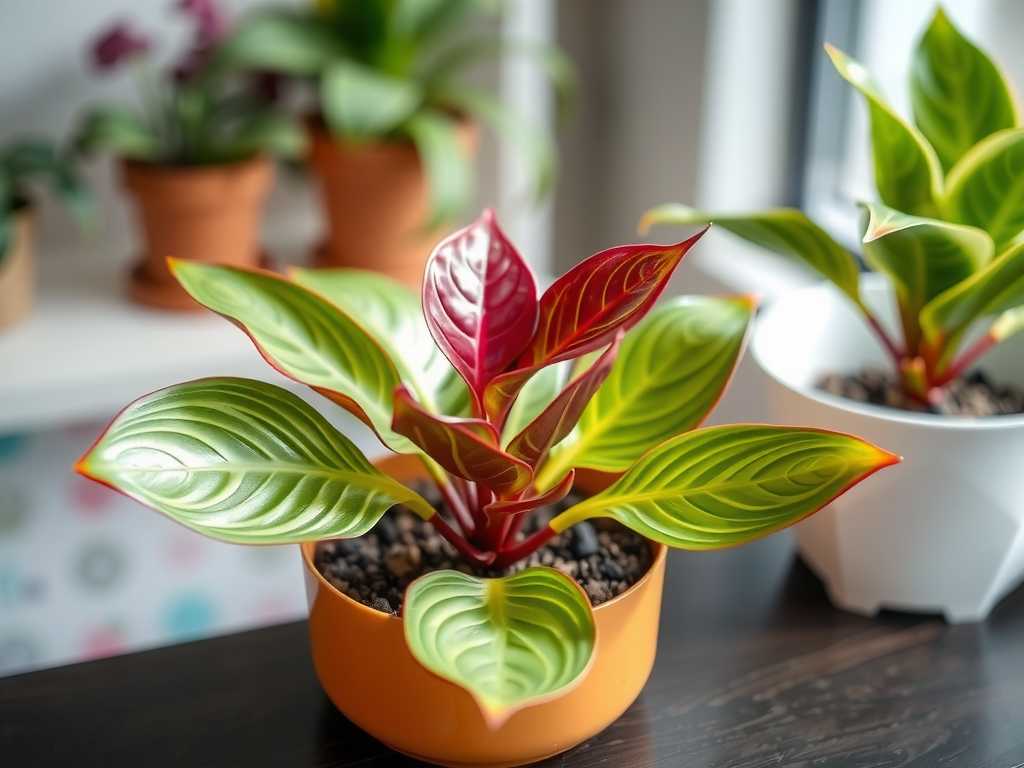
Even with perfect light and humidity, a cold draft can undo all your hard work. The Calathea Ornata is tropical and hates temperature fluctuations.
The Ideal Range
Keep the plant in a room between 65°F and 75°F (18°C - 24°C). It cannot tolerate temperatures below 60°F (15°C).
Avoiding Drafts
AC Vents and Heaters: Never place the plant directly in the path of an air conditioner or heater vent. The rapid change in air temperature will cause the leaves to curl and brown immediately.
Drafty Windows: In winter, ensure the plant is not touching cold glass. The chill transfers directly to the leaves, causing cell damage.
Troubleshooting: Reading the Leaves
Your plant communicates through physical changes. Learning to read these signs is part of mastering indoor plant maintenance.
Curling Leaves (Upward)
Diagnosis: The plant is trying to reduce surface area to conserve water.
Solution: Increase humidity immediately. Check if the soil is too dry.
Curling Leaves (Downward/Cupping)
Diagnosis: This usually indicates overwatering or root rot. The roots are drowning and cannot support the leaves.
Solution: Stop watering. Check drainage holes. If the soil smells musty, repot immediately into fresh, dry soil and trim away black, mushy roots.
Fading Colors
Diagnosis: Insufficient light.
Solution: Move to a brighter spot, but keep it indirect.
Crispy Brown Edges
Diagnosis: Low humidity or chemical buildup from tap water.
Solution: Switch to distilled water and increase ambient humidity using a pebble tray or humidifier.
Fertilizing: Less is More
Because the Calathea Ornata is sensitive to salts, over-fertilizing is a common mistake. You only need to feed it during the growing season (spring and summer).
Type: Use a balanced, liquid houseplant fertilizer (20-20-20).
Dilution: Cut the recommended strength in half.
Frequency: Feed once a month. Stop entirely in fall and winter when the plant is dormant.
If you see a white crust on the soil surface, it is salt buildup. Flush the soil with distilled water to remove the excess minerals.
Repotting and Refreshing
Repotting is stressful for this plant, so do it only when necessary—usually every 12 to 18 months or when roots grow out of the drainage holes.
Timing: Best done in spring.
Pot Size: Move up only one pot size. A pot that is too big holds excess water, leading to root rot.
Technique: Be gentle with the rhizomes. Do not bury the crown (where leaves meet stems) too deep, or it may rot.
Frequently Asked Questions
Why are the leaves on my Calathea Ornata closing at night?
This is completely normal. Calatheas are "prayer plants" that fold their leaves up at night and open them in the morning. This is a circadian rhythm called nyctinasty. You only need to worry if the leaves stay closed during the day.
Can I use a terrarium for my Calathea?
Yes, a glass terrarium or cloche is an excellent environment for a Pinstripe Calathea. It traps humidity effectively. However, you must monitor for mold due to low airflow and ensure the plant gets enough light inside the glass enclosure.
How often should I mist my Calathea?
While misting provides a quick humidity boost, it is not a substitute for a humidifier or pebble tray. If you mist, do it in the morning so the leaves dry before night to prevent fungal issues. Focus on increasing ambient room humidity rather than just the leaf surface.
Conclusion
Learning how to care for Calathea Ornata is less about complex horticulture and more about consistency. The plant demands a specific balance of bright, indirect light and high humidity. It does not forgive dry air, direct sun, or cold drafts easily.
However, the reward is worth the effort. When you provide the correct Pinstripe Calathea light requirements and maintain a humidity level above 60%, the plant rewards you with lush, unfolding leaves that display stunning pink pinstripes. Treat it like a tropical understory plant, not a desert succulent, and it will remain the showstopper of your indoor garden for years. Start adjusting your environment today, and watch your "diva" plant transform into a thriving, vibrant masterpiece.
发表评论