 admin
admin How to Care for Calathea Ornata in Apartments with High Light: Filter Tips
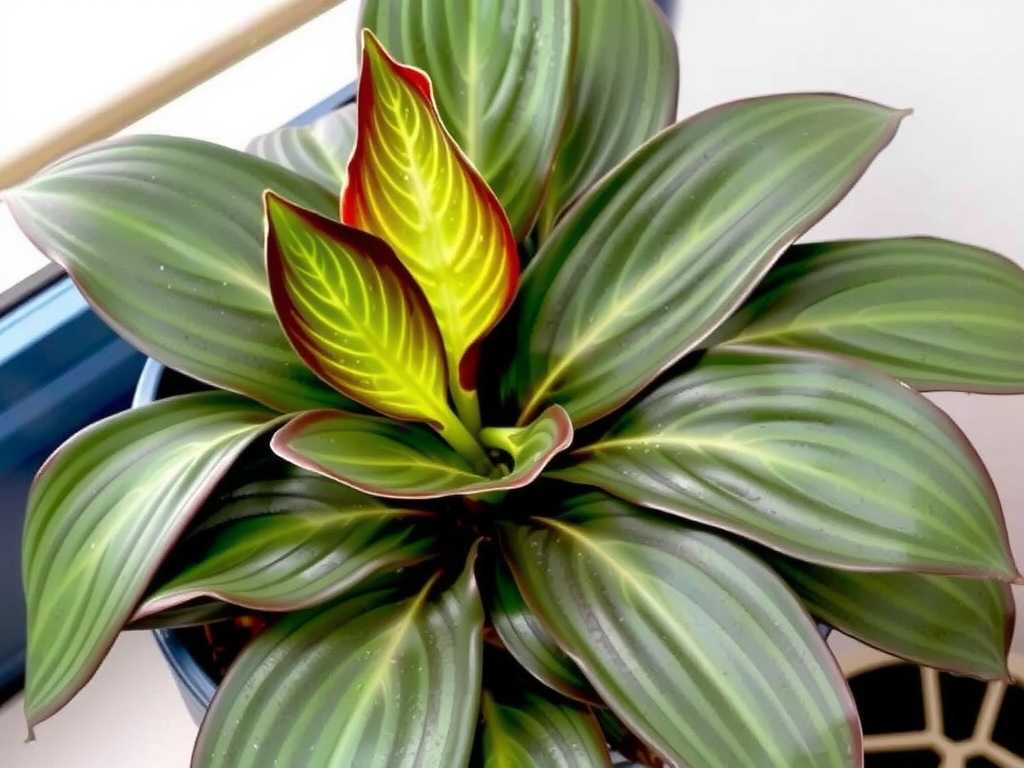
You finally found it—the stunning Calathea Ornata, with its painterly pink stripes on deep green leaves. It’s the perfect statement piece for your bright, sunny apartment. But within weeks, those famous stripes start to fade, and crisp, brown edges appear on the leaves. Frustration sets in. You’re giving it what you thought it needed: plenty of light. So why is it struggling? The secret isn’t less light; it’s filtered light. Mastering how to care for Calathea Ornata in apartments with high light is about becoming a light manager, not a light avoider.
This guide will transform your approach. We’ll move beyond basic care sheets and delve into practical, apartment-friendly strategies to filter harsh sunlight, creating the dappled jungle environment your Calathea Ornata craves.
Understanding Your Calathea Ornata’s Native Habitat
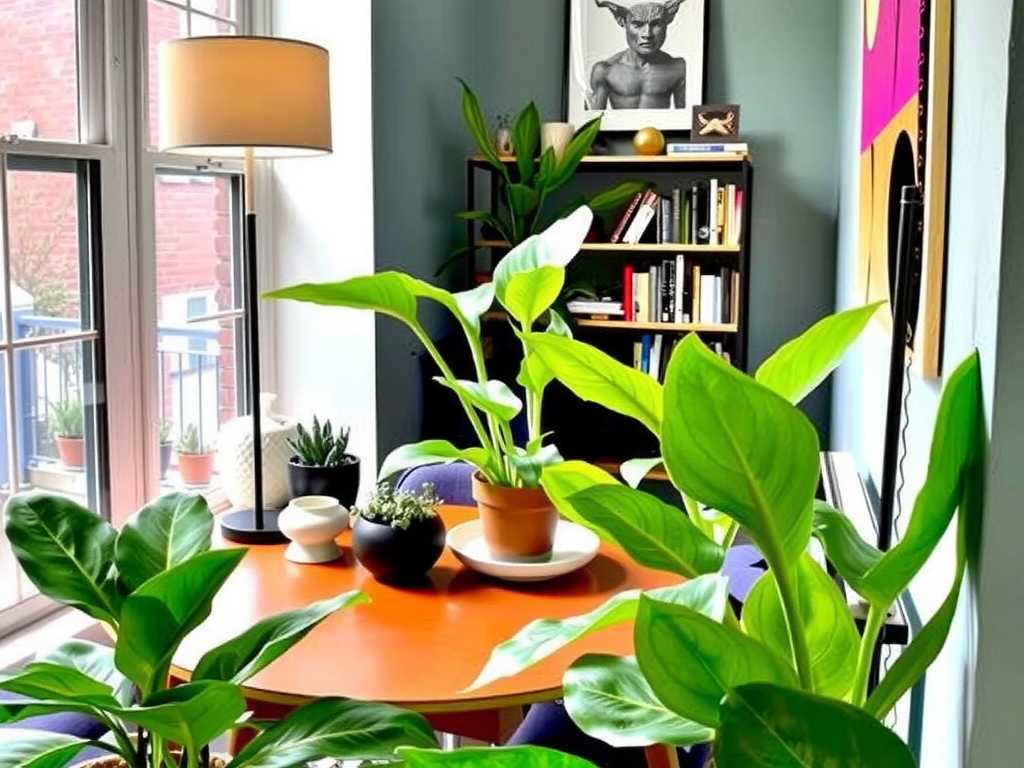
To solve the high-light puzzle, we must look to its origins. The Calathea Ornata, like its prayer plant relatives, thrives on the forest floor in tropical South America. Here, sunlight is a filtered commodity. It trickles down through dense canopy layers, becoming soft, indirect, and diffused. This environment provides bright illumination for growth without the intense, direct rays that cause scorching and stress.
In your sunny apartment, your windowsill likely replicates the top of the canopy, not the forest floor. The direct sun, especially from south or west-facing windows, is too intense. It breaks down chlorophyll, fades the vibrant pink pinstripes, and literally burns the leaf tissue, causing those dreaded brown tips and patches. The goal, therefore, is to recreate that natural filtration.
Your Apartment Light Assessment: Reading the Sun’s Signals
First, identify your light situation. Which direction do your windows face?
- South-facing windows receive the most intense, direct light for the longest duration.
- West-facing windows get strong, hot afternoon sun.
- East-facing windows offer gentle, direct morning sun followed by bright indirect light—often ideal.
- North-facing windows provide consistent, low indirect light, which may be insufficient for strong growth.
Observe the light patterns throughout the day. Does a direct sunbeam land on your plant’s spot for an hour or for six? True direct light casts sharp, defined shadows. Bright, indirect light casts soft, blurry shadows. Your Calathea Ornata wants the latter.
Practical Filtration Strategies for High-Light Apartments
You don’t need to move to a darker apartment. You need to employ clever filtering tactics. Here are your primary tools:
1. The Window Film Solution Static-cling window films are a renter-friendly game-changer. These translucent sheets apply directly to your window glass, scattering and diffusing incoming sunlight. They turn a harsh sunbeam into a gentle glow. Horticulturalist and author Jane Lockhart notes, “Diffusing film can reduce light intensity by 30-50% while maintaining brightness, perfectly mimicking the light quality of a shaded rainforest.” This is often the most effective and uniform solution for entire windows.
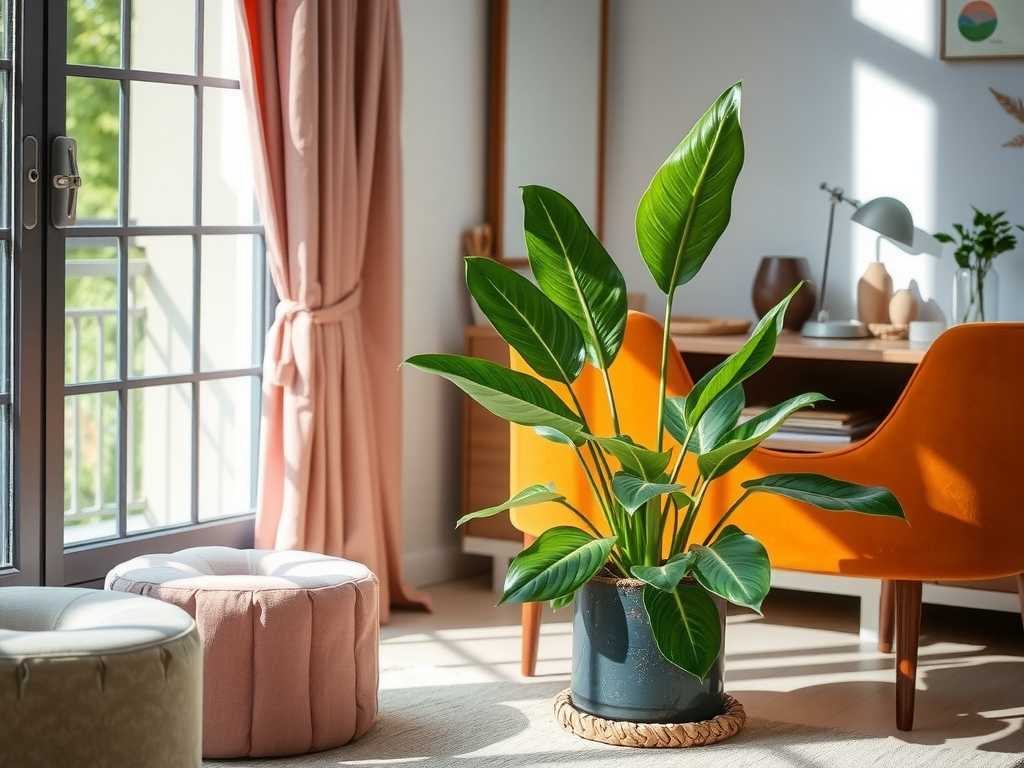
2. Strategic Placement and Distance Sometimes, the simplest fix is moving the plant back. Place your Calathea Ornata several feet away from a south or west-facing window, where it still receives ample brightness but no direct rays. Use other furniture, like a bookshelf or side table, to position it beside a window rather than directly in front. The light intensity drops significantly with just a few feet of distance.
3. Employ Sheer Curtains or Blinds This is classic for a reason. A good set of sheer white curtains acts as a permanent cloud layer. You can adjust blinds throughout the day to block the direct afternoon hit while still allowing ambient light to flood the room. It gives you daily control over the light environment.
4. Use Larger Plants as Natural Filters Create a layered, jungle-like aesthetic by placing taller, sun-tolerant plants (like a Fiddle Leaf Fig or Bird of Paradise) between the window and your Calathea. The larger plants will absorb and break up the direct light, casting a dappled shade perfect for your understory Calathea.
Beyond Light: Supporting Care in a Bright Environment
High light affects other care factors. Managing these in tandem is crucial for success.
Watering with Precision Brighter, warmer spots increase evaporation. Your Calathea’s soil may dry out faster than expected. However, the rule remains: water when the top 1-2 inches of soil feel dry. Use your finger as a probe. Never let it sit in soggy soil, but don’t let it become bone dry. Consistent moisture is key, and filtered light helps maintain a more stable soil moisture level.
The Non-Negotiable: Humidity High light often comes with heat, which can lower ambient humidity—a nightmare for a tropical plant. Brown leaf tips are frequently a cry for humidity, not just a light issue. Combat this by:
- Placing the pot on a pebble tray filled with water.
- Grouping it with other humidity-loving plants.
- Using a reliable humidifier nearby. Aim for 60% humidity or higher.
Fertilizing for Balanced Growth In a bright, filtered light setting, your Calathea Ornata can grow quite vigorously during the spring and summer. Support this with a diluted, balanced liquid fertilizer (e.g., 10-10-10) once a month during the growing season. Halve the recommended strength to avoid salt buildup, which can burn roots. Do not fertilize in fall and winter.
Troubleshooting Common High-Light Issues
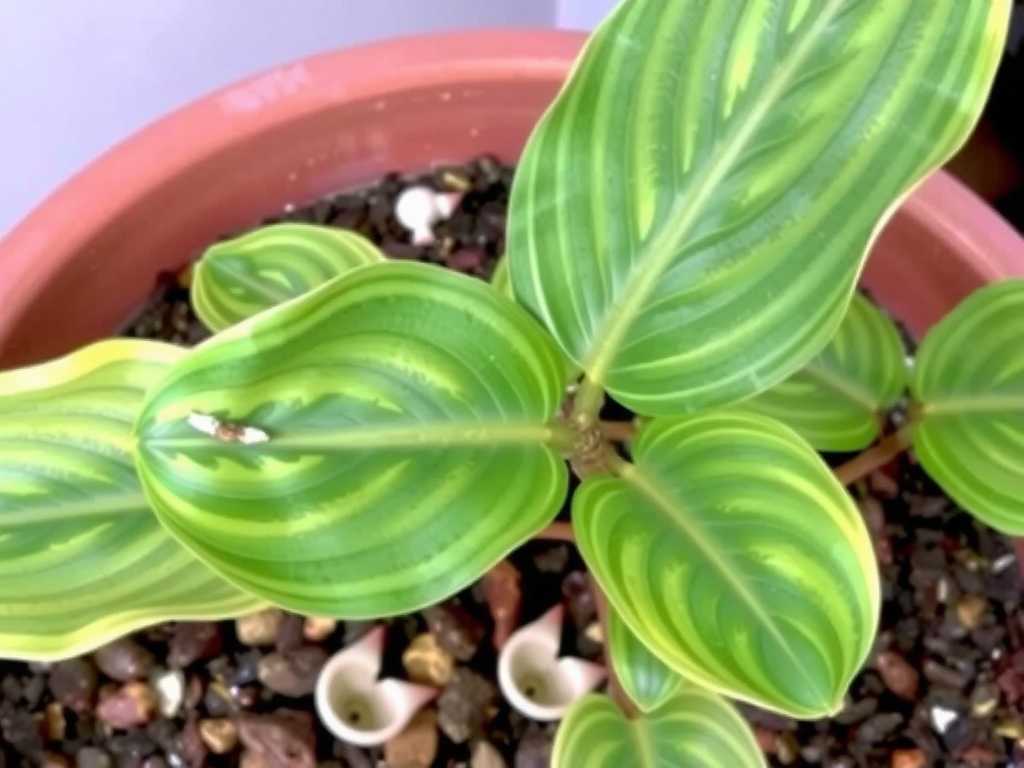
- Faded Pink Stripes: This is a classic sign of too much direct light. The pigments are literally being bleached. Increase your filtration immediately.
- Brown, Crispy Leaf Edges: Likely a combination of too much direct light and/or low humidity. Check your filtration method and ramp up humidity efforts.
- Leaves Curling Inward: While this can signal thirst, in a bright spot, it may also be a defensive move to reduce surface area exposed to intense light. Assess both soil moisture and light quality.
- Leggy Growth or Very Slow Growth: This signals the opposite problem—not enough light. If you’ve over-filtered and moved the plant too far into a dark corner, it may not receive enough bright indirect light to fuel photosynthesis. Move it slightly closer to the light source.
Frequently Asked Questions
Can I use a sunscreen or shade cloth for my apartment window? Absolutely. Lightweight shade cloth (30-50% density) can be hung inside or outside a window for a dramatic diffusing effect. It’s a highly effective, if less common, interior solution for balcony windows or sunrooms.
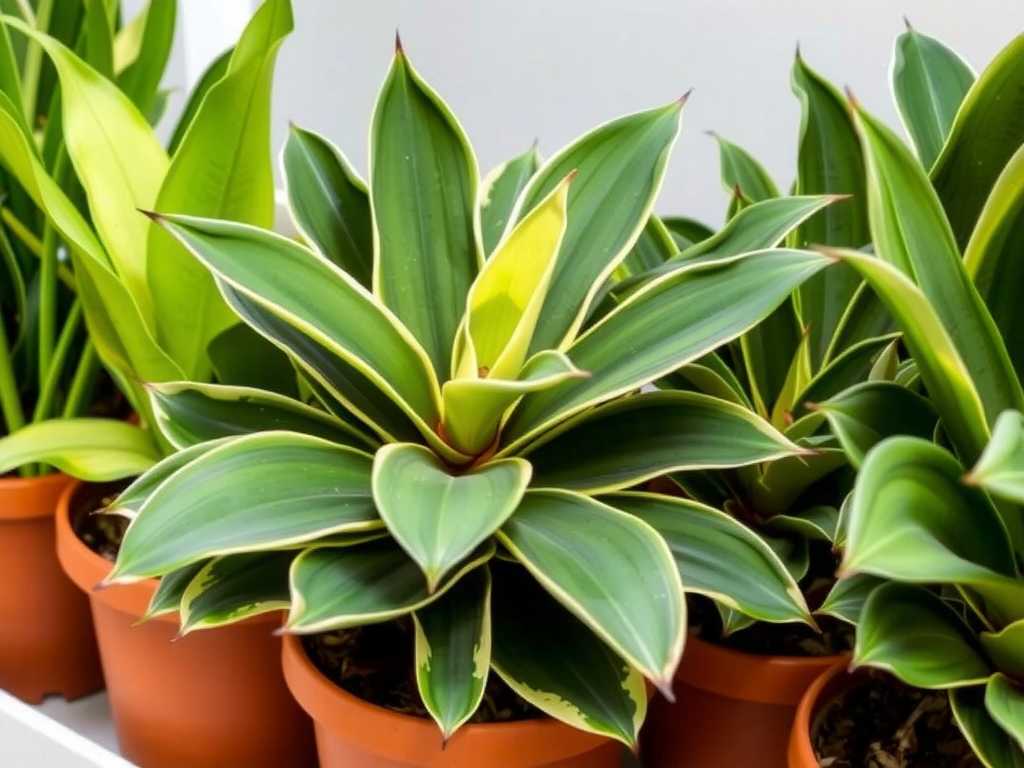
My apartment only has very high light. Should I just choose a different plant? Not necessarily. While it requires more management, Calathea Ornata can thrive in high-light apartments with proper filtration. If you want lower maintenance, consider a true sun-lover like a Succulent or Snake Plant for that specific spot.
Are there signs my Calathea is actually happy with its filtered light setup? Yes! Look for consistent new growth—leaves unfurling from the center with vibrant, deep color. The plant will maintain its striking pink stripes, and the leaves will be large and firm without signs of scorching or excessive curling. Steady growth is the ultimate sign of success.
Caring for a Calathea Ornata in a sun-drenched apartment is a rewarding exercise in environmental design. It’s not about depriving your space of light, but about intelligently softening it. By employing filtration methods like window films, sheer curtains, and strategic placement, you create a microclimate of bright, indirect light. When you pair this with attentive watering and boosted humidity, you transform a challenging high-light space into a thriving tropical haven. Your Calathea will respond with resilient growth, proving that even the most delicate-looking plants can flourish with the right, filtered approach.
发表评论