 admin
admin How to Fix Pest Damage on Calathea Ornata Leaves: Trim + Treat Tips
You've lovingly cared for your Calathea Ornata, admiring its stunning pink-striped leaves, only to find tiny webs, sticky residue, or mysterious holes marring its beauty. Pest damage on this prayer plant is a common yet distressing issue. Left unchecked, sap-sucking insects can weaken your plant, stunt its growth, and even lead to its decline. But don't despair. With the right approach, you can effectively fix pest damage on your Calathea Ornata, restoring its health and vibrant appearance. This guide provides a clear, step-by-step plan to trim away the damage and implement targeted treatments for a full recovery.
Identifying the Common Culprits Behind the Damage
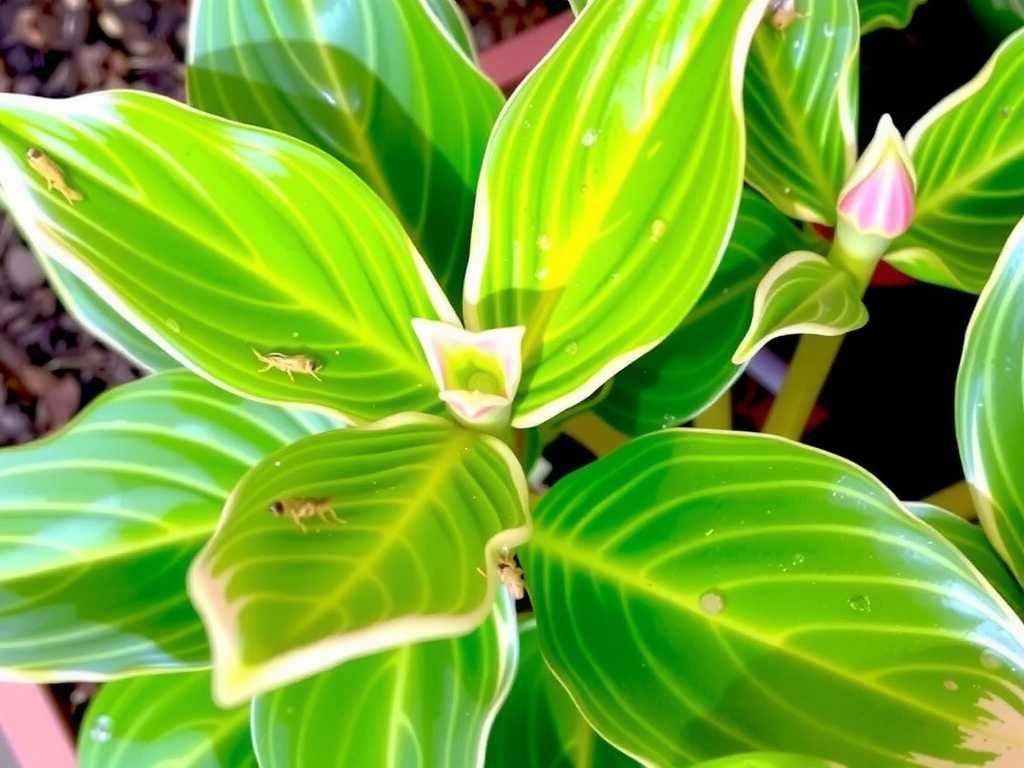
Before you begin treatment, accurate identification is crucial. Different pests leave distinct signs. Misidentifying the problem means using the wrong solution.
Spider Mites: The Silent Weavers These tiny arachnids are a top enemy of Calathea Ornata. They thrive in dry, warm conditions, often appearing when indoor heating is on. Look for fine, silky webbing on the undersides of leaves or where leaves meet stems. The damage itself appears as tiny yellow or white stippling dots on the leaf surface, which can merge into larger faded areas. Leaves may look dusty.
Mealybugs: The Cottony Clusters These soft-bodied insects look like tiny bits of white cotton or fluff. They congregate in leaf axils, on stems, and along the veins on the undersides of leaves. They excrete honeydew, a sticky, shiny substance that can lead to sooty mold. Their feeding causes yellowing, leaf distortion, and stunted growth.
Scale: The Immobile Bumps Scale insects can be hard to spot as they often resemble natural plant bumps. They attach themselves to stems and the undersides of leaves, forming brown, tan, or white oval shells. Like mealybugs, they secrete honeydew. Heavy infestations cause yellowing leaves and a general lack of vigor.
Thrips and Aphids: The Sap-Sucking Duo Thrips are slender, tiny insects that scrape at leaves, leaving behind silvery streaks and black specks (their excrement). Aphids are small, pear-shaped bugs often found in groups on new growth, causing leaves to curl and distort.
The Essential Tools for Trimming and Treatment
Gather these items before you start:
- Sharp, sterilized scissors or pruning shears: Wipe blades with isopropyl alcohol to prevent spreading disease.
- Soft cloths or cotton swabs: For wiping leaves and applying solutions.
- Mild liquid soap (like Castile) or insecticidal soap: For homemade treatments.
- Neem oil or horticultural oil: A natural, effective pest deterrent.
- Isopropyl alcohol (70%): For spot-treating mealybugs and scale.
- A spray bottle: For applying soap or oil solutions.
- Quarantine space: Away from other houseplants.
Step-by-Step: How to Trim Damaged Calathea Ornata Leaves
Trimming is the first physical step to restore your plant's aesthetics and remove heavily infested areas.
1. Isolate Your Plant Immediately move your Calathea away from other plants. Pests spread quickly, and isolation is non-negotiable for effective control.
2. Assess the Damage Hold each leaf up to the light. Determine which leaves are beyond saving. A good rule is if over 50% of the leaf surface is damaged, yellowed, or extensively webbed, it's best to remove it. This allows the plant to redirect energy to healthy growth.
3. Make Clean Cuts Using your sterilized shears, cut the damaged leaf stem at the point where it meets the main stem or soil line. Avoid tearing. For partial damage, you can trim just the affected portion of the leaf, following its natural shape. As noted by horticulturist Jane Smith, "A clean cut heals faster and minimizes stress on the plant, which is vital during pest recovery."
4. Dispose Securely Place all trimmed material directly into a sealed bag and discard it in the outdoor trash. Do not compost.
The Treatment Protocol: Eradicating Pests for Good
After trimming, you must tackle the remaining pest population. Consistency is key.
Initial Physical Removal and Cleaning For mealybugs and scale, dip a cotton swab in 70% isopropyl alcohol and dab it directly on each insect. The alcohol dissolves their protective coating. For all pests, gently wipe the top and bottom of every remaining leaf with a soft cloth dipped in a solution of warm water and a few drops of mild soap. This removes honeydew, sooty mold, and some pests.
Applying a Primary Treatment Solution Choose one of these effective options:
- Insecticidal Soap Spray: Mix according to label instructions or create a DIY version with 1 teaspoon of mild liquid soap per liter of water. Spray thoroughly, ensuring you coat the undersides of leaves, stems, and the soil surface. Repeat every 4-7 days for at least 3 applications to break the pest life cycle.
- Neem Oil Solution: Mix 1-2 teaspoons of neem oil concentrate with 1 liter of water and a few drops of soap (as an emulsifier). Neem oil works as both an insecticide and fungicide, disrupting pest feeding and reproduction. Spray in the evening to prevent potential leaf burn from sunlight. Reapply weekly for 2-3 weeks.
Creating an Unfavorable Environment Calathea Ornata loves humidity, but so do some pests. The trick is to boost general humidity while maintaining cleanliness. Spider mites hate moisture. Regularly misting your plant or using a humidifier can deter them. However, ensure good air circulation to prevent fungal issues—a small fan on low can help.
Preventing Future Pest Infestations on Your Prayer Plant
The best fix is prevention. Integrate these practices into your regular care routine.
Routine Inspection is Critical Make it a habit to examine your Calathea's leaves, especially the undersides, every time you water. Early detection makes management infinitely easier.
Quarantine New Plants Always isolate new houseplants for 2-3 weeks before placing them near your existing collection. This prevents introducing hidden pests.
Optimize Plant Health A stressed plant is a target. Provide your Calathea Ornata with its ideal conditions: bright, indirect light, consistently moist (but not soggy) soil using distilled or rainwater, high humidity, and warm temperatures. A strong, healthy plant is more resistant to pest invasions.
Maintain Cleanliness Periodically wipe leaves with a damp cloth to remove dust, which can harbor pests. Keep the plant's area free of fallen debris.
My Calathea's leaves are still yellowing after pest treatment. What's wrong? Yellowing can persist after pests are gone due to residual stress or root damage from the infestation. Ensure your care fundamentals are perfect—check for overwatering, which is a common secondary issue. The plant may shed a few old leaves as it recovers; focus on supporting new growth.
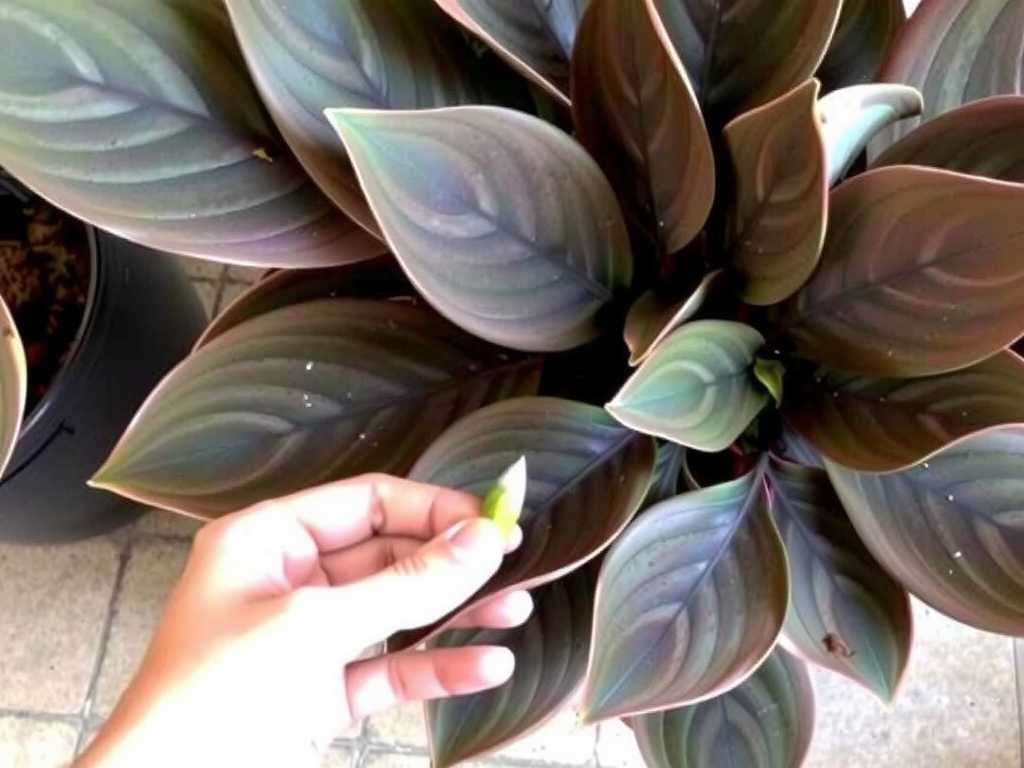
Can I use chemical pesticides on my Calathea Ornata? Use systemic or chemical pesticides with extreme caution, as Calatheas are sensitive. They can cause severe leaf burn. Always opt for the gentlest effective method first (like soap or neem oil) and test any product on a single leaf before full application. Often, non-chemical methods are fully sufficient.
How long until I see healthy new growth? Patience is essential. After successful eradication, your Calathea will focus energy on its roots before producing new leaves. You should see fresh, undamaged shoots emerging from the soil in 4-8 weeks. Continue optimal care, and soon you'll have a lush, pest-free plant showcasing its beautiful patterned leaves once more.
Recovering a Calathea Ornata from pest damage is a test of patience and consistent care. The process of trimming away the damaged foliage and diligently applying treatment not only clears the current problem but also strengthens your plant for the future. By combining immediate action with vigilant prevention, you transform from a reactive plant owner into a proactive one. Your Calathea will reward your efforts with a resurgence of healthy, striking leaves, proving its resilience and restoring the vibrant beauty it's known for.
发表评论