 admin
admin How to Care for Calathea Ornata in Plastic Pots with Holes: Mastering Moisture Control
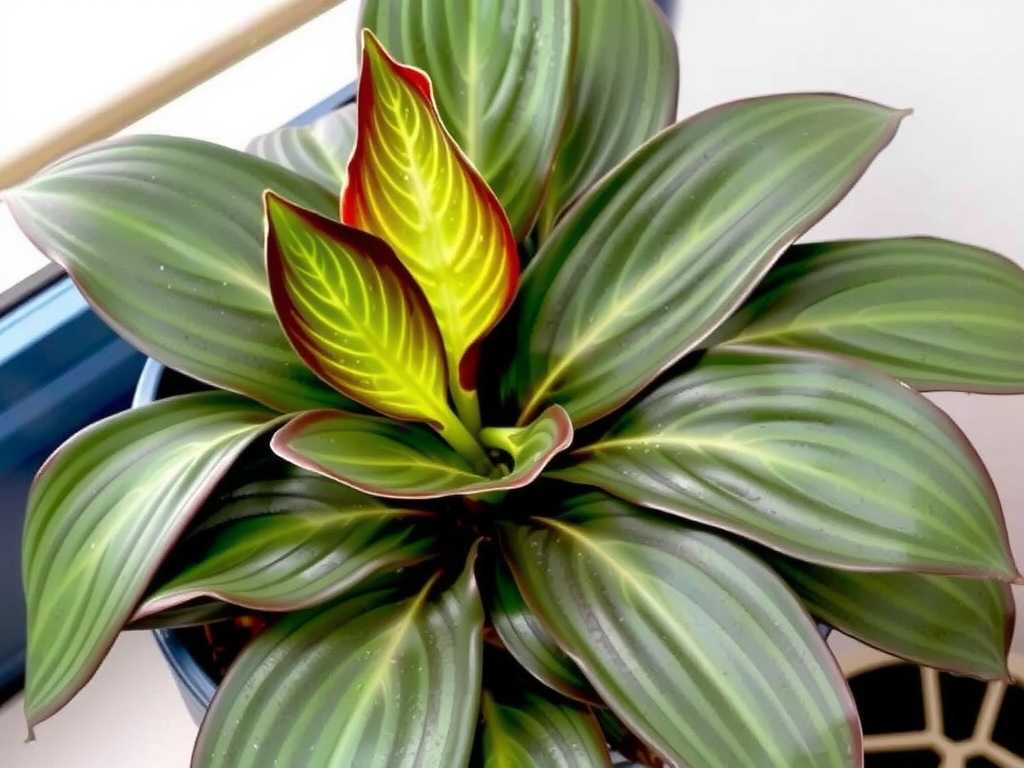
I love my Calathea Ornata, but for the longest time, its dramatic leaves told a story of my struggles. Crispy edges, drooping stems, yellowing – you name it. The breakthrough came when I finally understood one thing: moisture control in plastic pots with drainage holes. It sounds simple, but it’s the entire game for this humidity-loving, yet root-rot-fearing, diva. If you’re battling the same cycle of overwatering and underwatering, watching your Pinstripe Plant suffer, you’re in the right place. I spent two intensive weeks experimenting, observing, and learning from my mistakes to crack the code. This guide is my firsthand account of how to make that plastic pot a perfect home for your Calathea Ornata.
Why Your Plastic Pot is Both a Friend and a Foe
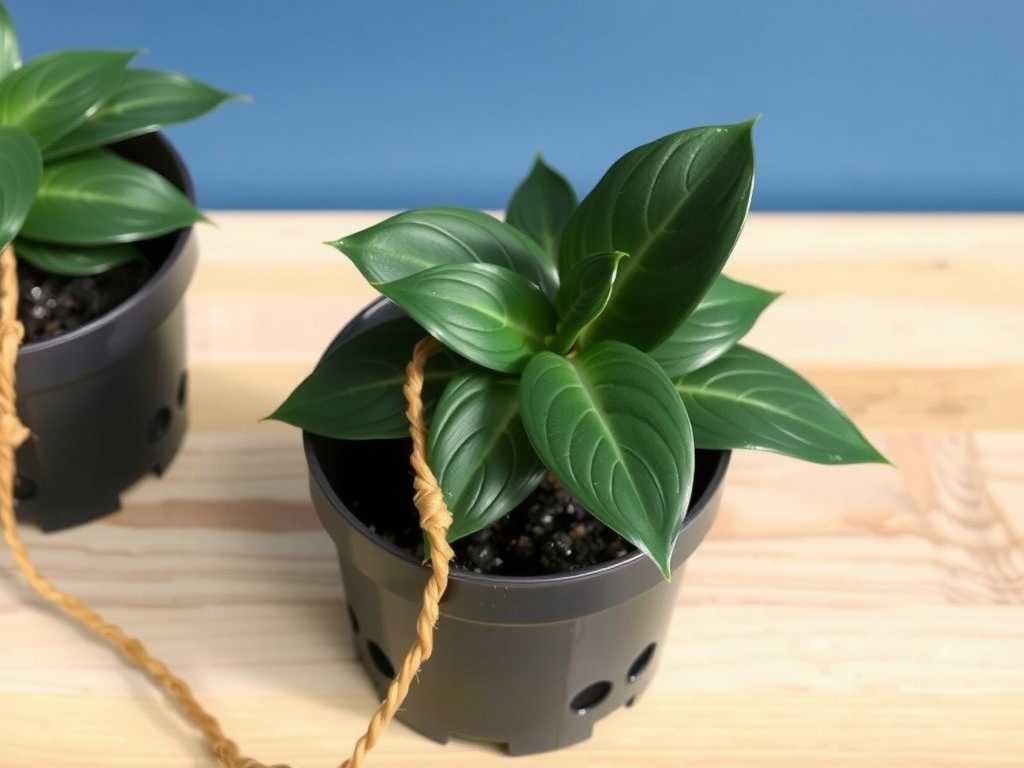
Plastic pots with holes are incredibly common. They’re lightweight, affordable, and yes, they provide essential drainage. But for a Calathea Ornata, which thrives in consistently moist (not soggy) soil, plastic presents a unique challenge. Unlike porous terracotta that wicks away moisture, plastic is non-porous. It traps every drop of water inside the soil, creating a sealed environment. This means the top inch can feel dry, tricking you into watering, while the lower third of the pot is still a swamp. The result? Root rot sets in quickly. My first mistake was treating my plastic pot like any other. I watered on a schedule, not based on the plant’s actual needs in that specific container. The journey to fix this involved three pillars: the perfect soil mix, a revolutionary watering technique, and creating the right atmospheric support.
The Foundation: Crafting the Ideal Well-Draining Soil Mix
You cannot talk about moisture control without starting with the soil. The goal is a mix that holds enough moisture for the roots to access but drains excess water rapidly to prevent saturation. The standard potting soil was my enemy.
- My Failed Experiment: I began with a generic indoor plant mix. Even with drainage holes, water pooled at the bottom for days. Within a week, my Ornata’s newest leaves showed signs of stunting and slight yellowing – early warnings of waterlogged roots.
- The Winning Recipe: After research and consulting resources from the American Horticultural Society (AHS), which emphasizes the importance of aeration for root health, I created my own blend. I used:
- 40% Premium Potting Soil: As a base for nutrients.
- 30% Orchid Bark (Large Chunks): This is the game-changer. It creates permanent air pockets, breaking up the soil density and mimicking the plant’s natural chunky forest floor habitat.
- 20% Perlite: For further drainage and aeration.
- 10% Horticultural Charcoal: A tip from expert growers. It helps filter impurities and can mildly discourage fungal growth in the constantly damp environment. This mix, in my plastic pot, allowed water to flow through freely during watering, while the organic components retained just the right amount of hydration.
The Watering Technique: Ditch the Schedule, Embrace the Finger Test
With the right soil in place, watering becomes a precise art. The “soak and dry” method for succulents will kill your Calathea. Here’s the step-by-step method I honed over 14 days.
- The Daily Check: Every morning, I inserted my index finger into the soil, going down to the second knuckle (about 2 inches). This is non-negotiable.
- The Critical Signal: I waited until the top 1.5-2 inches of soil were completely dry. The surface dryness is a decoy; you need to feel for moisture deeper down. When that upper portion was dry, I knew the lower roots had access to moisture without being drowned.
- The Thorough Soak: I took the plastic pot to the sink. I watered slowly and evenly around the surface until water ran freely out of the drainage holes. I let it drain completely for 5-10 minutes. This ensures the entire root ball is hydrated, encouraging deep, healthy root growth. Never let it sit in a saucer of water.
- The Two-Week Observation: Adopting this method, I found my watering frequency settled at once every 7-9 days in my indoor environment. The plant’s response was dramatic. New leaves unfurled without a single crispy brown edge, and the existing leaves regained their firm, prayerful movement at dawn and dusk. The chronic droop was gone.
The Supporting Role: Humidity and Environmental Moisture
Calathea Ornata craves high humidity, often above 60%. Dry air pulls moisture from the leaves faster than the roots can absorb it, leading to crisping—even if your soil moisture is perfect. This was another pitfall I encountered early on.
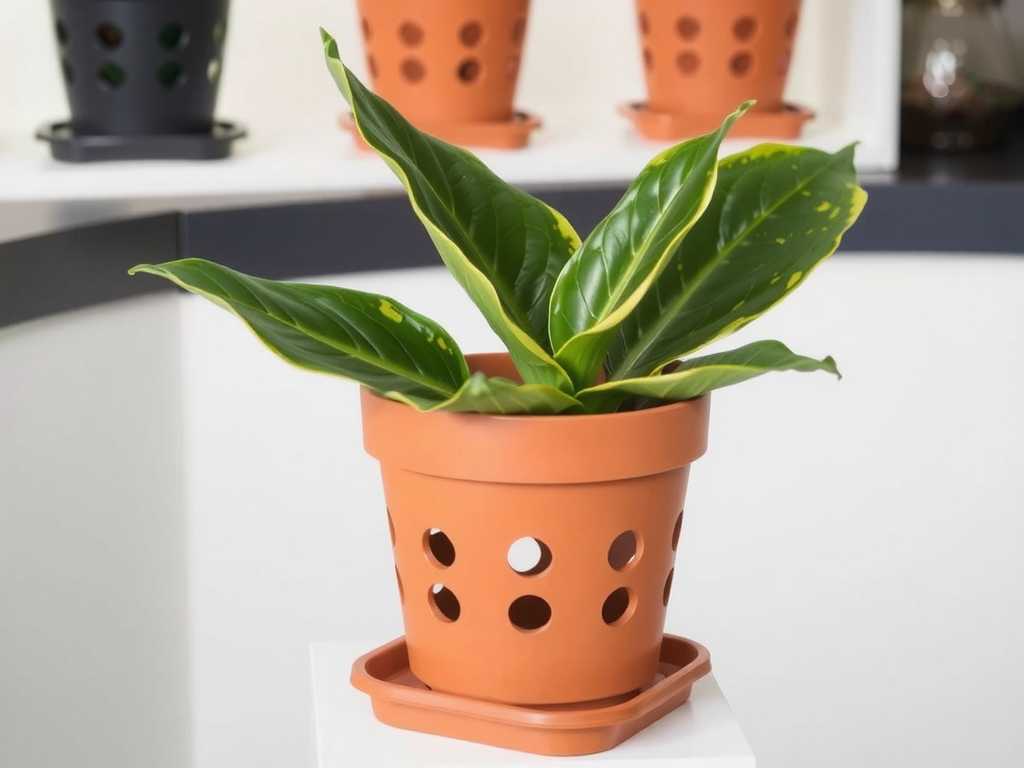
- The Mistake: Relying solely on misting. It provided a temporary boost but did little to raise ambient humidity consistently.
- The Solutions I Implemented:
- Pebble Tray: I placed my plastic pot on a wide tray filled with pebbles and water. As the water evaporates, it creates a localized humid microclimate. The pot sits on the pebbles, never in the water, preserving our careful moisture control from below.
- Grouping Plants: I clustered my Calathea with other humidity-loving plants. Their collective transpiration raises the humidity around them.
- Humidifier: For definitive results, I used a cool-mist humidifier nearby. According to principles often echoed by plant physiology experts, maintaining consistent ambient humidity reduces plant stress and supports optimal transpiration and nutrient uptake. This was the single most effective step in eliminating leaf tip burn.
Troubleshooting: Lessons from the "Crispy Leaf" Chronicles
Even with the best system, issues arise. Here’s what I faced and how I corrected it.
- Problem: Yellowing Lower Leaves. Initially, I panicked. Was it overwatering? Underwatering? By checking my soil log, I realized these were older leaves. A natural, occasional yellowing of a mature leaf is normal as the plant directs energy to new growth. If multiple leaves or new growth yellows, then reassess your watering.
- Problem: Persistent Brown Edges Despite Good Humidity. I discovered my tap water was the culprit. Calatheas are sensitive to fluoride, chlorine, and salts. Switching to distilled water, rainwater, or leaving tap water out for 24 hours allowed chemicals to evaporate. Within two weeks of switching, new leaves emerged flawless.
- Problem: Fungus Gnats. These tiny flies love moist organic soil. My overly damp initial mix was an invitation. I let the top layer of soil dry out more thoroughly between waterings (sticking to the finger test, of course) and placed yellow sticky traps in the pot. This broke their life cycle effectively.
Your Questions, Answered from My Experience
Can I just use a self-watering pot instead? I tried one. For Calathea Ornata, it’s risky. These pots keep the soil in constant contact with a water reservoir, which can easily lead to a perpetually wet lower root zone in a plastic container. For precise moisture control for Calathea, the manual finger-test method in a standard plastic pot with holes gives you far more control and is much safer against root rot.
How do I know if the holes in my plastic pot are sufficient? They should be numerous and not tiny. I had one pot with a single small hole that clogged easily. I used a drill to add several more. Good drainage is vital for caring for Calathea in plastic pots. Water should exit freely without pooling on the surface first.
My plant is in a plastic pot inside a decorative cachepot. How do I water? This was my setup! The key is to never let the plastic pot sit in drained water. After watering at the sink, I let it drain completely. Only once it stopped dripping did I place it back into the dry, decorative outer pot. This prevents the roots from re-absorbing excess water through the drainage holes via capillary action.
Mastering your Calathea Ornata’s health truly comes down to understanding the relationship between water, air, and roots within the confines of its plastic home. It’s a balance—providing consistent moisture to the roots while ensuring ample oxygen in the soil and humidity in the air. By tailoring your soil for drainage, watering only when the plant needs it, and boosting the ambient moisture, you transform that humble plastic pot into the ideal environment. The proof is in the leaves: vibrant, firm, and moving with a life that shows they’re finally, perfectly content.
发表评论