 admin
admin How to Care for Calathea Ornata in Group Plantings: Space Management
You’ve fallen in love with the Calathea Ornata, with its stunning pink-striped leaves that seem painted by hand. You brought home not one, but several, dreaming of a lush, tropical corner. But now, weeks later, your dream is looking a bit crowded. Leaves are overlapping, some are developing crispy edges, and you’re noticing more yellowing than you’d like. The problem isn’t just watering or light—it’s space management in group plantings. I’ve been there. My own attempt to create a dense, Instagram-worthy cluster of Calatheas led to a frustrating cycle of issues. It took a dedicated two-week experiment and some hard-learned lessons to understand that caring for these divas in a group is a unique art. It’s about more than just aesthetics; it’s about creating an environment where each plant can breathe, thrive, and show off its famous foliage without competing with its neighbor.
Understanding the Calathea Ornata’s Needs in a Community
Before we dive into arrangement, we must understand what a single Calathea Ornata requires. This plant is native to the understory of tropical rainforests, where it receives dappled, indirect light and enjoys high, consistent humidity. Its roots are relatively shallow but appreciate a well-aerated, moist (not soggy) environment. When placed in a group, these needs are amplified and complicated. Airflow becomes critical to prevent fungal diseases, and each plant must have equal access to light to maintain its symmetrical growth and vibrant striping. The Royal Horticultural Society (RHS) emphasizes that for foliage plants like Calathea, “adequate spacing is crucial for air circulation, which helps prevent the onset of leaf spot diseases and pest infestations.” This isn’t just a suggestion; it’s a cornerstone of preventive care.
The Two-Week Space Management Experiment: My Step-by-Step Process
I decided to reset my struggling group of three Calathea Ornatas. Here’s exactly what I did, what I observed, and how you can apply it.
Week 1: Assessment and Strategic Repotting My initial setup had all three plants in one large, wide pot. It looked full immediately, but problems started quickly.
- Day 1-2: The Takedown. I gently removed all plants from the communal pot. The root inspection was revealing. The central plant’s roots were robust, but the two on the sides were noticeably less developed—they were being outcompeted. I cleaned the roots and trimmed any that were soft or brown.
- Day 3: Choosing the Right Containers. Instead of one pot, I chose three individual pots, each one size larger than the current root ball. Crucially, I ensured each pot had multiple, large drainage holes. According to the American Horticultural Society (AHA), “Proper drainage is non-negotiable for preventing root rot, especially in moisture-loving plants grouped together where evaporation is slower.” I used my standard, well-draining aroid mix, amended with extra perlite for even better airflow around the roots.
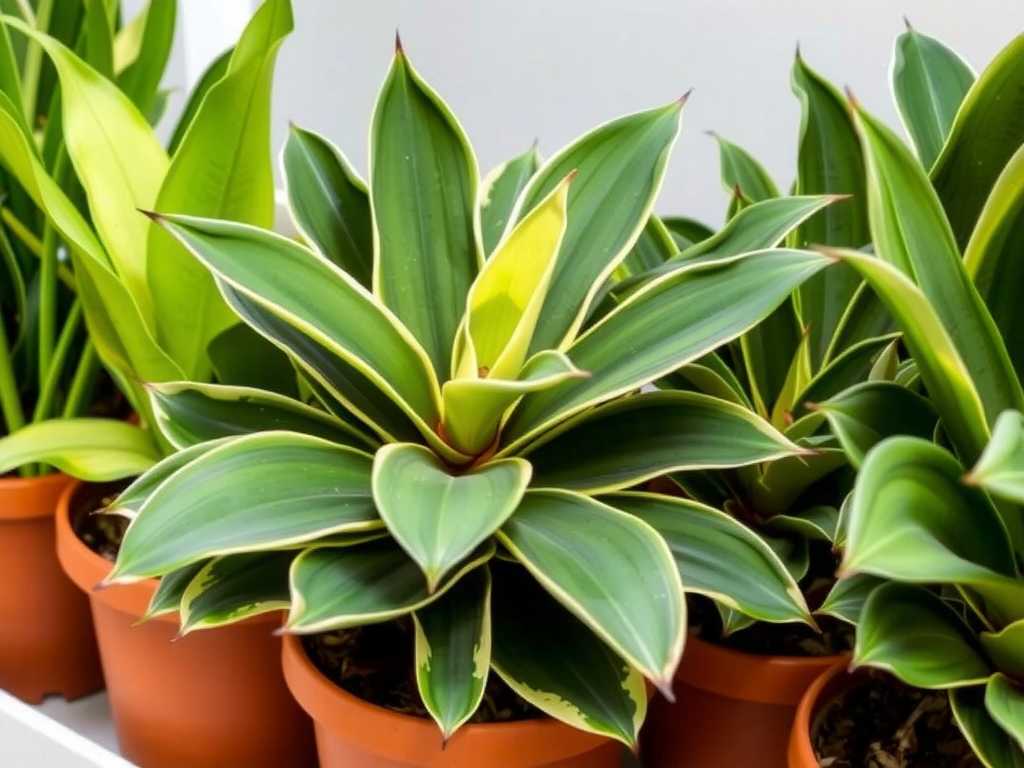
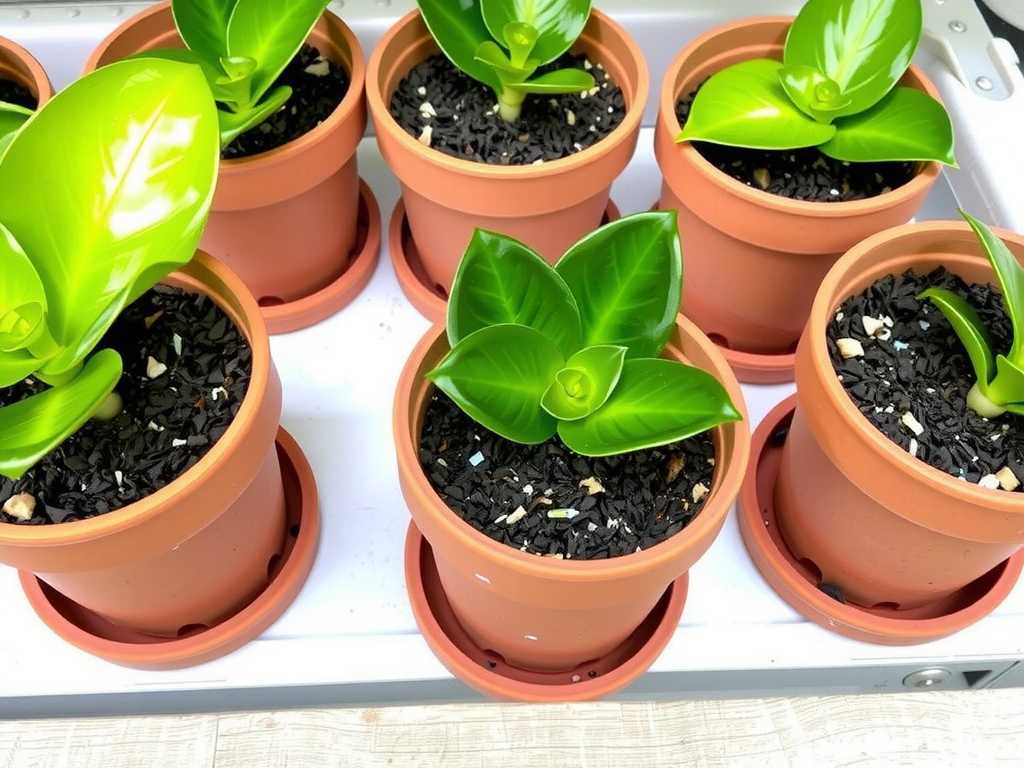
- Day 4: The New Arrangement – Creating a Cluster, Not a Crowd. This was the key. I didn’t just line them up on a shelf. I placed the three individual pots on a large, shallow tray filled with pebbles (a pebble tray for humidity). I arranged them in a loose triangle, with at least 8-10 inches of space between the rims of the pots. This meant the leaves could gently touch at their outermost edges but wouldn’t fully overlap. Each plant’s core growth point had clear, unobstructed access to light from my north-east facing window.
Week 2: Observation, Adjustment, and Results The real test began after the repot.
- Day 5-7: The Initial Shock. As expected, the plants showed minor signs of transplant shock—a slight droop. I maintained consistent soil moisture (watering only when the top inch felt dry) and kept the pebble tray filled. A humidifier ran nearby, keeping the area at 65-70% humidity. I resisted the urge to move them or fuss.
- Day 8-12: Signs of Improvement. By the end of the first week post-repot, the drooping stopped. The most exciting observation? The plant that was previously in the center, now on its own, began to push out a new leaf. More importantly, I noticed the early morning sun hit each plant’s leaves more evenly. There were no more “shadow zones” where leaves were perpetually in the shade of another.
- Day 13-14: Clear Validation. After two full weeks, the difference was undeniable. The new growth was strong and unfurling properly. The existing leaves on all plants lost their slight pallor and the pink stripes appeared more vivid. Most tellingly, the rate of crispy brown edges forming on older leaves slowed to almost zero. The improved air circulation between the pots was clearly reducing localized moisture stagnation around the foliage.
The Pitfalls I Encountered and How to Solve Them
My journey wasn’t perfect. Here are the mistakes I made so you can avoid them.
- The “Over-Community” Pot: My biggest error was planting multiple Calatheas in a single container. It created an invisible war for root space and water. The Fix: Always use individual pots when grouping Calathea Ornata. This allows for tailored watering and prevents the spread of root issues from one plant to another.
- Ignoring the Microclimate: A dense grouping creates its own humid, still microclimate—perfect for fungus gnats and leaf spot. The Fix: Strategic spacing is the first defense. I also introduced a small, oscillating fan set on low, placed several feet away, to gently stir the air without creating a direct draft. This single change massively improved plant health.
- Rotational Neglect: Plants in a group will naturally grow toward the light. I forgot to rotate the individual pots. The Fix: Every time I water (about once a week), I give each pot a quarter turn. This ensures the whole plant develops evenly and doesn’t become lopsided, which is essential for maintaining the visual balance of the group.
Advanced Tips for Long-Term Group Harmony
Once your basic spacing is correct, these tips will elevate your Calathea grouping strategy.
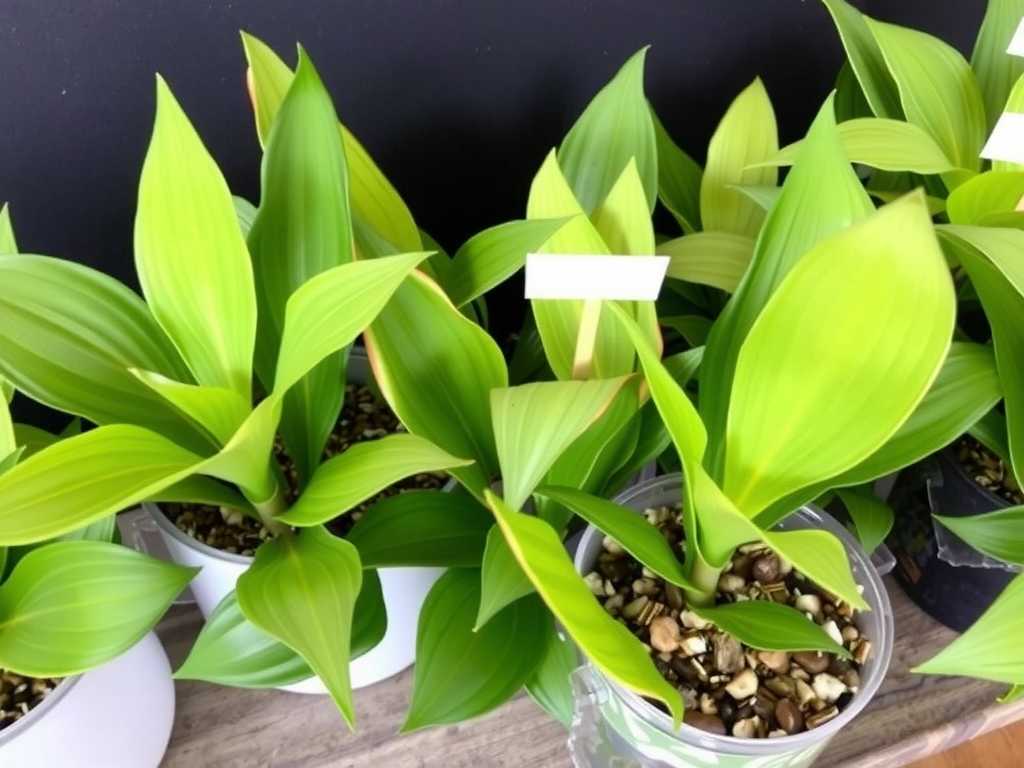
- Play with Height: Use plant stands or inverted pots of varying heights to create a tiered effect. This further reduces leaf overlap and adds visual depth to your indoor plant display.
- The Companion Planting Approach: Calathea Ornata pairs beautifully with other plants that have similar care needs but different forms. Consider underplanting with a trailing Peperomia ‘Hope’ or adding a vertical element like a narrow Sansevieria in its own pot. This creates a biodiverse, resilient tropical plant arrangement where each species utilizes space differently.
- Monitor and Prune: Even with good spacing, occasional leaves may yellow or become damaged. Prune these cleanly at the stem base to direct energy to new growth and maintain airflow within each plant’s own canopy.
How often should I water Calathea Ornata in a group setting? Watering frequency does not change because they are grouped; it changes because of the improved conditions. With better airflow, surface soil may dry slightly faster. Always check soil moisture individually for each pot. Water when the top 1-2 inches feel dry to the touch, and never let them sit in water. The goal is consistent moisture, not a group watering schedule.
Can I use a single, very large pot if I provide enough soil? I strongly advise against it. While it seems logical, a single large pot holds a massive volume of soil that stays wet for too long, increasing root rot risk for all plants simultaneously. Individual pots give you control and isolate potential problems. For a cohesive look, place the individual pots inside a larger decorative basket or on a shared tray.
My Calatheas are spaced but still getting crispy edges. What now? Crispy edges are most often a humidity or water quality issue. Ensure your humidity is consistently above 60%. If using a pebble tray and humidifier, check that they are effective. Secondly, Calatheas are sensitive to chemicals in tap water. Switch to filtered, rainwater, or distilled water for watering and misting. This simple switch often solves the last of the crispiness issues.
Creating a thriving group of Calathea Ornata is deeply rewarding. It transforms individual plants into a living tapestry of texture and color. The secret, I learned through trial and error, is respecting their need for personal space even in a community. By focusing on strategic spacing in individual pots, prioritizing airflow, and maintaining a consistent care routine, you can avoid the common pitfalls. Your reward will be a stunning, healthy display where each ‘Pinstripe Plant’ can perform at its best, contributing to a collective beauty that is far greater than the sum of its parts.
发表评论