 admin
admin How to Water Calathea Ornata in Winter to Avoid Cold Shock: The Ultimate Guide to Room Temperature Water
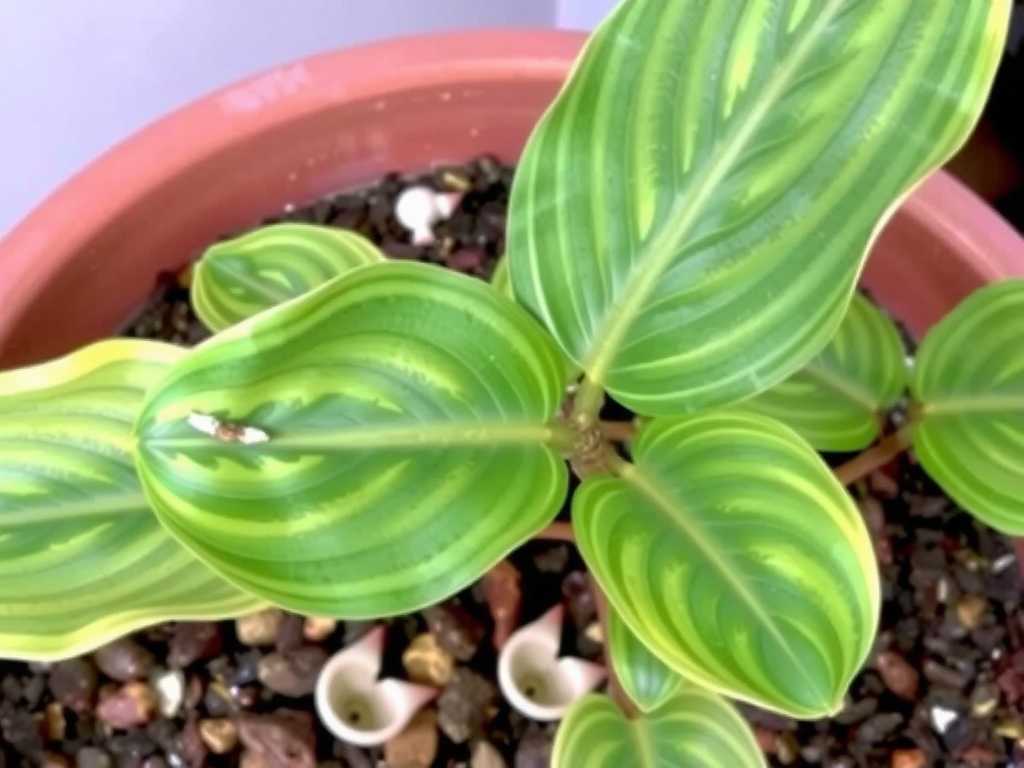
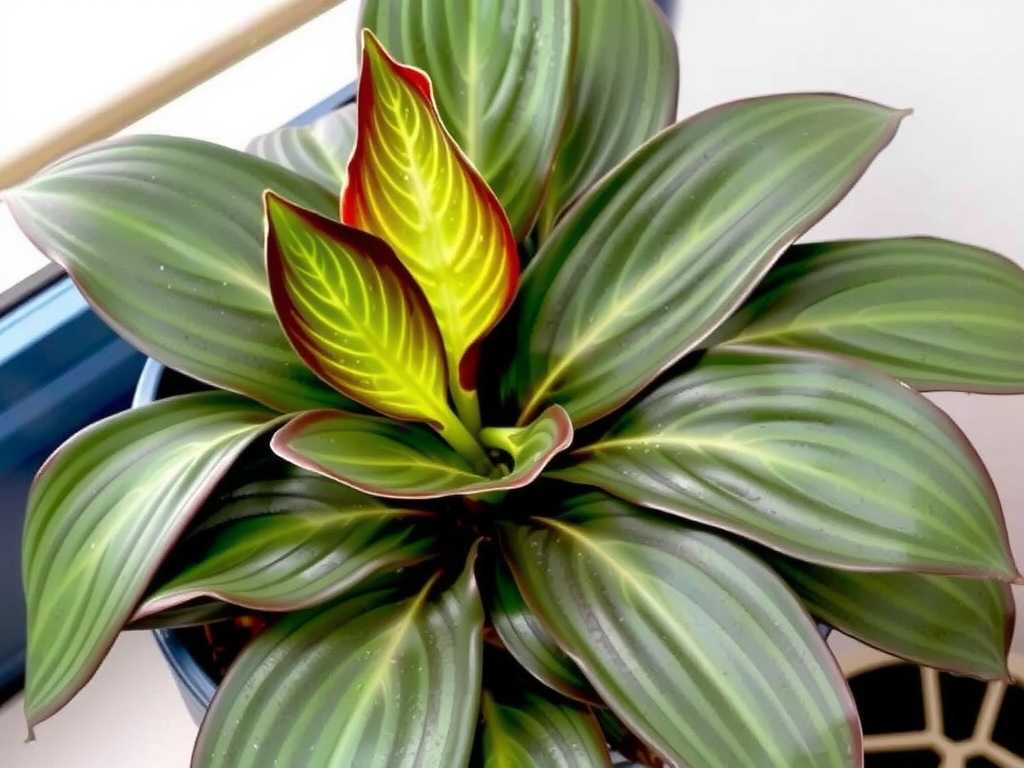
You've carefully nurtured your Calathea Ornata, admiring its stunning pink-striped leaves. But as winter arrives, you notice something unsettling. The leaves are starting to curl, develop brown, crispy edges, or even droop dramatically despite your regular watering routine. The culprit might not be your watering schedule, but the temperature of the water you're using. Pouring cold tap water directly onto your tropical beauty in winter can send it into a state of shock, hindering growth and damaging its magnificent foliage. This guide will delve deep into the critical practice of using room temperature water to protect your Calathea Ornata from cold shock during the colder months, ensuring it thrives year-round.
Why Cold Water is a Silent Threat to Your Calathea
Calathea Ornata, like its prayer plant relatives, originates from the warm, humid understories of tropical rainforests in South America. Its root system is exceptionally sensitive to temperature fluctuations. Dr. Sylvia Greene, a horticulturist specializing in tropical foliage, explains, "Plant roots are designed to absorb water and nutrients most efficiently within a specific temperature range. For tropical plants like Calathea, cold water acts as a physical shock, causing root cells to contract and impairing their function." This shock disrupts the plant's ability to uptake moisture and essential nutrients, leading to symptoms often mistaken for underwatering: leaf curl, browning, and stunted growth. In winter, when plant metabolism naturally slows and ambient conditions are drier, this added stress can be particularly damaging.
The Science of Room Temperature Water: More Than Just Comfort
Using room temperature water isn't just a gentle preference; it's a physiological necessity. Water that is too cold chills the root zone, slowing down microbial activity in the soil and reducing the roots' osmotic capacity—their power to draw in water. Conversely, overly warm water can harm beneficial soil organisms and potentially scald roots. Room temperature water, ideally between 68°F (20°C) and 75°F (24°C), aligns with the plant's internal environment. This practice is a cornerstone of proper Calathea Ornata winter care. It allows for seamless absorption, maintains healthy root function, and supports the plant's overall metabolic processes during its slower winter growth phase. By avoiding temperature extremes, you effectively prevent temperature shock in indoor plants, creating a stable and supportive root environment.
Your Step-by-Step Guide to Perfect Winter Watering
Mastering winter hydration involves more than just grabbing a watering can. Follow this clear, actionable process to safeguard your plant.
Step 1: Prepare Your Water in Advance
Never use water straight from the tap in winter. Fill your watering can or a dedicated jug immediately after you water. Let it sit out for at least 24 hours. This accomplishes two vital goals: it allows the water to naturally rise to room temperature, and it gives dissolved chlorine and fluoride—chemicals that Calatheas are notoriously sensitive to—a chance to evaporate. For an even better approach, consider using collected rainwater or distilled water, stored indoors to maintain a stable temperature.
Step 2: Perform the Essential Soil Check
The "room temp" rule is useless if you water at the wrong time. Before watering, always check the soil moisture. Insert your finger about 1-2 inches into the potting mix. Your Calathea Ornata is ready for a drink only when the top inch or two feels dry. In winter, with lower light levels and cooler temperatures, the soil will take significantly longer to dry out. Overwatering with room temperature water is still overwatering and can lead to root rot.
Step 3: Water Thoroughly and Correctly
When the soil is dry, take your prepared room temperature water and water the soil evenly until you see a small amount of excess water begin to drain from the pot's bottom holes. This ensures the entire root ball is moistened. Avoid watering directly into the center of the plant or letting water sit on the leaves, as this can encourage fungal issues. The goal is to mimic a warm, tropical rain shower at the root level.
Step 4: Ensure Complete Drainage
This step is non-negotiable. After watering, lift the pot or tip it slightly to ensure all excess water flows out freely. Never let your Calathea Ornata sit in a saucer of standing water, even if that water is room temperature. A waterlogged soil mix stays colder for longer, undermining all your efforts to keep the roots cozy.
Creating a Supportive Winter Environment
Watering correctly is the most critical factor, but it works best within a supportive environment. Maintaining healthy Calathea roots in cold weather is a holistic effort.
- Humidity is Key: Winter air is dry. Boost humidity around your plant by grouping it with others, using a pebble tray filled with water (ensure the pot sits on the pebbles, not in the water), or running a humidifier nearby. This reduces moisture loss from the leaves, lessening the demand on the roots.
- Draft-Free Warmth: Keep your plant away from cold drafts from windows, doors, and heating vents. Both cold blasts and hot, dry air from heaters are detrimental. A consistent, warm spot with bright, indirect light is ideal.
- Hold the Fertilizer: Your plant is not actively growing in winter. Cease all fertilization until early spring to prevent salt buildup in the soil, which can further stress the roots.
Troubleshooting: Signs You Might Need to Adjust
Even with the best care, stay observant. If leaves develop widespread brown edges shortly after watering, double-check your water temperature. Persistent yellowing lower leaves coupled with wet soil may signal overwatering—extend the time between your thorough room-temp waterings. If the plant continues to decline, gently check the roots for signs of rot (mushy, black roots) and repot into fresh, well-aerated soil if necessary.
Frequently Asked Questions
Can I use lukewarm water instead of room temperature water? It's best to avoid actively warming water. "Lukewarm" can be subjective and easily become too warm. The safest method is to let water stand until it has lost its chill and feels neutral to your wrist—the same as the ambient air in your living space. This reliably provides the correct temperature range.
How long should I let my tap water sit out before using it? A minimum of 24 hours is recommended. This typically provides ample time for it to reach room temperature and for chlorine to dissipate. If your home is particularly cool, it may need a bit longer. Keeping a dedicated watering vessel always full means you'll always have prepared water ready.
My Calathea still has brown tips even with room temperature water. What's wrong? While cold water is a major cause, brown tips are often a sign of low humidity. Calathea Ornata prefers humidity levels above 50%. Ensure you are complementing your correct watering technique with adequate atmospheric moisture through humidifiers or grouping plants. It could also indicate mineral buildup from tap water; switching to distilled or rainwater can help.
Mastering the art of watering your Calathea Ornata with room temperature water in winter is a simple yet transformative practice. It directly addresses a hidden source of stress, aligning your care with the plant's natural needs. By preparing your water in advance, checking soil moisture diligently, watering thoroughly, and ensuring excellent drainage, you create a stable foundation for root health. When combined with increased humidity and a draft-free location, this focused approach allows those spectacular painted leaves to remain vibrant and healthy, turning the challenge of winter into an opportunity for your Calathea to truly thrive.
发表评论