 admin
admin How to Care for Calathea Ornata in Clay Pots with Saucers: Drainage Tips
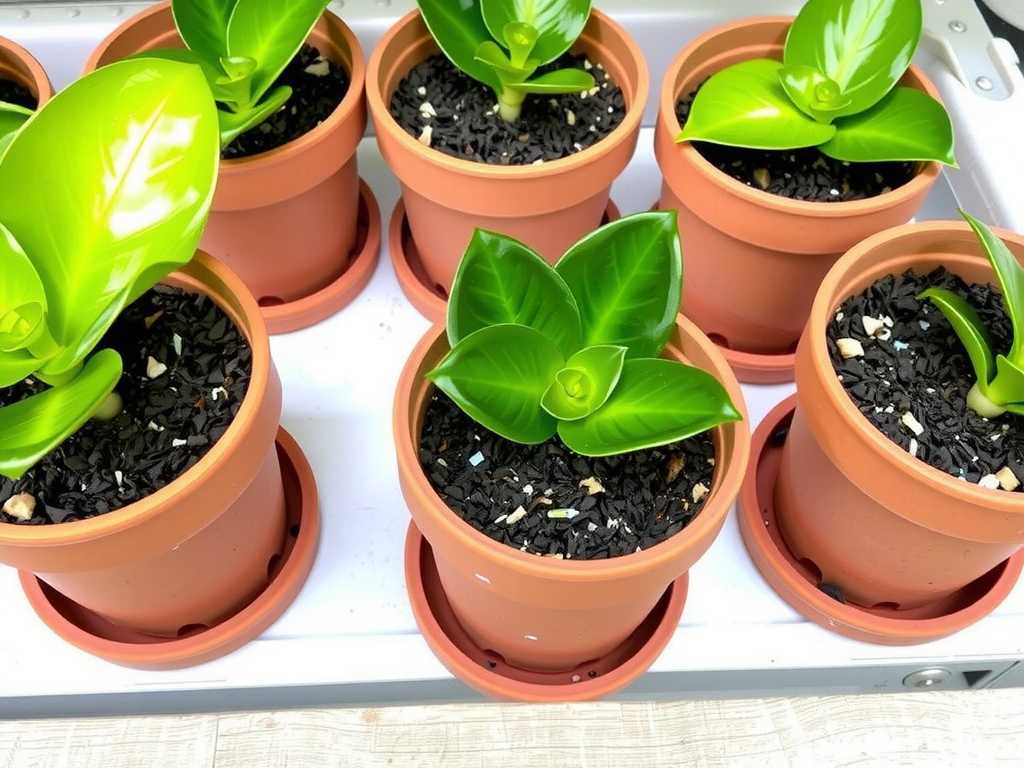
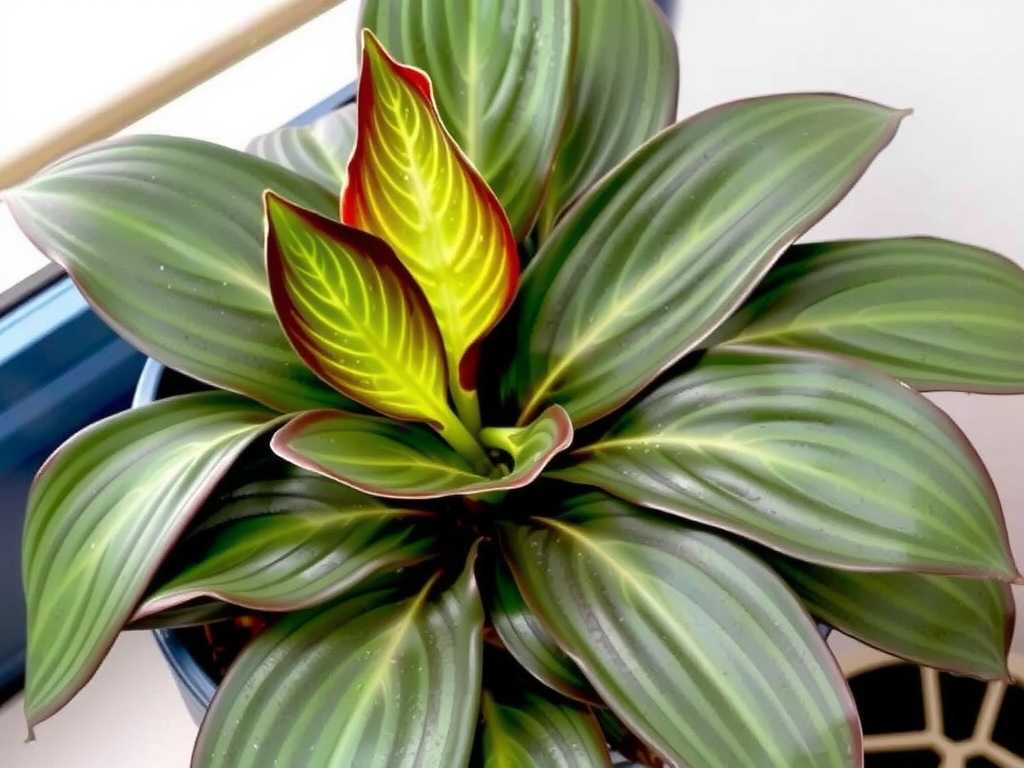
If you’re like me, you fell in love with the Calathea Ornata for its stunning pink-striped leaves, only to find it turning into a crispy, drooping drama queen within weeks. I’ve been there. The biggest frustration? Figuring out the perfect home for it. We know it loves humidity and hates soggy feet, but how do we balance that in a practical, beautiful pot? After killing my first Ornata with misguided love, I became obsessed with getting it right. The solution I discovered wasn’t a fancy self-watering pot, but a classic, breathable clay pot paired with a saucer—mastering the drainage within this setup was the absolute game-changer. Over the next few weeks, I documented my journey to transform a struggling plant into a thriving one, focusing entirely on how to care for Calathea Ornata in clay pots with saucers. The key, I learned, is not just the pot, but the layered system you create inside it.
Why Clay Pots and Saucers Are a Winning Combo for Calathea Ornata
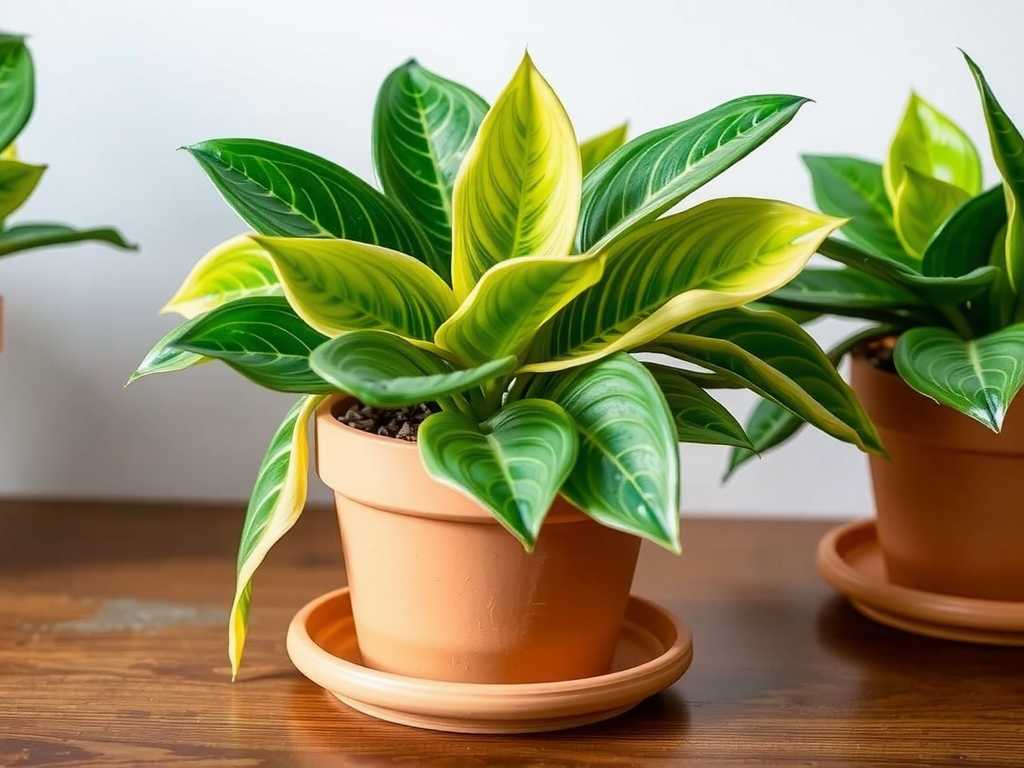
Let’s clear something up first. Many care guides warn against clay (terracotta) because it “dries out too fast.” For a moisture-loving Calathea, that sounds like a death sentence. But here’s my experience: that porosity is not a bug; it’s a feature. It’s our best defense against the number one killer—root rot.
A plastic pot traps every drop of water. In a clay pot, the walls breathe, allowing excess moisture to wick away from the soil, promoting air circulation to the roots. This creates a more stable environment, preventing the soil from staying waterlogged for days. The saucer is crucial, but not as a water reservoir. Its job is to protect your furniture and give you a clear visual cue of when you’ve watered enough. When I see water seeping into the saucer, I know the soil is thoroughly saturated, and I immediately empty it. This simple act is the cornerstone of proper drainage for Calathea in containers.
A study by the Royal Horticultural Society (RHS) on houseplant root health supports this, noting that “containers with porous walls, such as unglazed terracotta, significantly reduce the risk of waterlogging by facilitating evaporation from the pot sides.” This expert view gave me the confidence to proceed.
My Step-by-Step Setup: Building the Perfect Drainage System
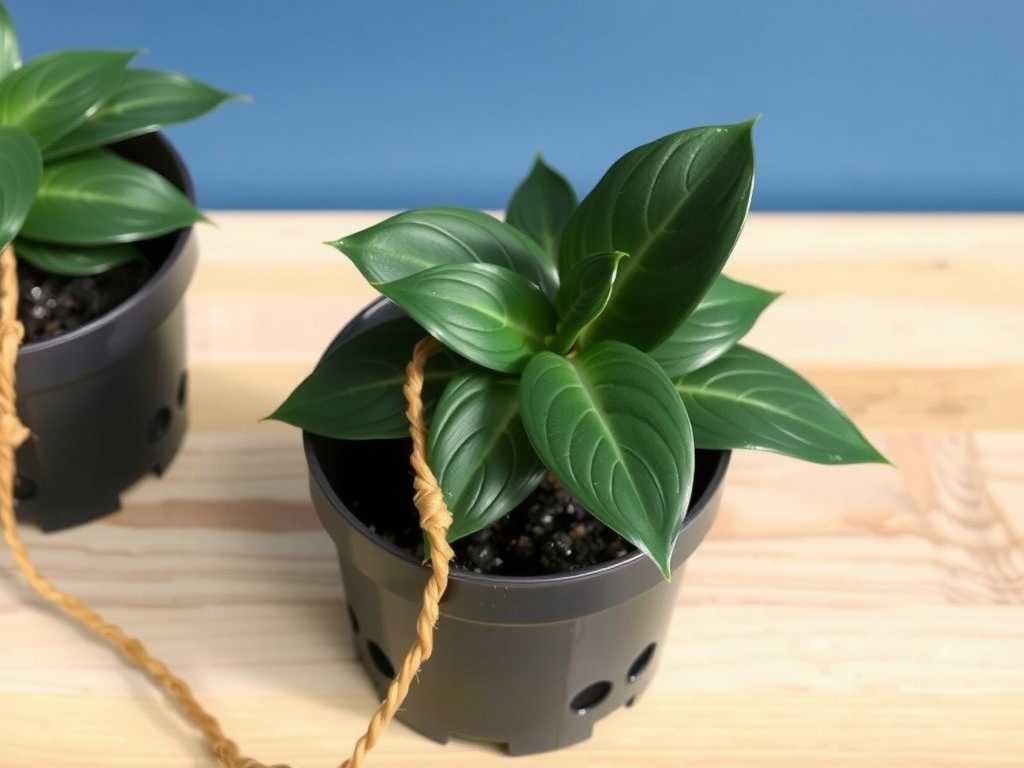
I started with a Calathea Ornata that was looking sad in its nursery pot. Here’s exactly what I did, step by step.
Choosing and Preparing the Right Clay Pot I selected a clay pot with a drainage hole that was only 1-2 inches wider than the root ball. Too large, and the excess soil holds water, drowning the roots. Before planting, I soaked the entire empty clay pot in water for about 30 minutes. This is a critical step! Dry terracotta will greedily suck moisture from your potting mix, robbing your plant. Soaking it neutralizes that initial thirst.
Creating the Internal Drainage Layer This is where most people, including my past self, go wrong. I used to just toss in some pebbles at the bottom. While common, this can actually create a “perched water table,” where water refuses to drain from the soil into the rocky layer below. Instead, I now use a more effective method. I placed a single piece of a breathable, mesh-style coffee filter or a small piece of landscape fabric over the drainage hole. This prevents soil from washing out while allowing water to flow freely. Then, I added a shallow layer (about ¾ inch) of medium-sized horticultural charcoal or chunky perlite. The charcoal is fantastic—it helps filter impurities and mildly aerates the base.
The Ideal Soil Mix: Your First Line of Defense The pot is ready, but the soil is the real hero. A standard potting mix is a death sentence. I mixed my own, aiming for a light, airy, yet moisture-retentive blend:
- 40% high-quality, peat-free potting compost (for structure)
- 30% orchid bark chips (for chunkiness and aeration)
- 20% perlite (for drainage and preventing compaction)
- 10% horticultural charcoal (for filtration and health) This mix is fast-draining but retains just enough moisture for the Calathea’s roots without becoming dense. The American Horticultural Society’s (AHS) guide to aroid mixes inspired this blend, perfecting it for Calathea’s similar preferences.
The Final Move: Potting and Initial Watering Gently, I placed the plant in the center and backfilled with my custom mix, tapping the pot to settle it without compacting. I watered it thoroughly with filtered or rainwater (Calatheas are sensitive to chemicals and minerals in tap water) until I saw a steady stream run into the saucer. Immediately, I lifted the pot, emptied the saucer completely, and placed the pot back on the dry saucer. This ritual is non-negotiable.
The Two-Week Transformation: Observations and Adjustments
Week 1: Recovery and Acclimation The first few days were nerve-wracking. The plant, now in its new breathable home, showed slight wilting. I realized the new soil and pot were drying the root zone faster than its previous soggy home. I resisted the urge to water again! Instead, I focused on humidity. I grouped it with other plants and used a humidity tray (a saucer filled with pebbles and water, with the pot placed on top of the pebbles, not in the water). By day 5, the wilting stopped. The leaves felt firmer. No new browning appeared—a major win.
Week 2: Signs of Success and a Watering Revelation By the start of the second week, I noticed something incredible: a new leaf spike (a “prayer” as we enthusiasts call them) was unfurling from the center. This was the plant’s vote of confidence. My watering schedule settled into a rhythm. Instead of watering on a calendar, I used the finger test: I inserted my finger about 2 inches into the soil. If it felt dry, I watered thoroughly. If it felt cool or damp, I waited. In my warm, bright room, this meant watering about every 8-9 days. The clay pot made this test more reliable because the soil dried more evenly from the sides.
The Pitfalls I Encountered (And How I Fixed Them)
The “Forgotten Saucer” Disaster About 10 days in, I got distracted after watering. I came back an hour later to find the saucer still full. I emptied it, but the next day, the lowest leaves showed signs of yellowing. I had left the pot sitting in water for too long, undermining all my good drainage work. The fix was immediate: I stuck a post-it note near my plant shelf that says “EMPTY SAUCER.” It’s simple, but it works. For preventing overwatering in potted Calathea, this is the single most important habit.
Crispy Leaf Edges: The Humidity vs. Drainage Balance Even with good drainage, the leaf edges began to get slightly crispy. This wasn’t a watering issue but a humidity one. The clay pot’s breathability was also allowing ambient humidity to escape faster. My solution was two-fold: I started misting the plant lightly in the mornings with a fine spray bottle and moved my humidity tray closer. I also learned that consistent humidity is better than occasional misting, so I invested in a small room humidifier. The crisping stopped.
Fungus Gnats: An Uninvited Sign In the third week, I saw a few tiny flies. Fungus gnats! They thrive in moist organic matter. While my drainage was good, the top layer of soil was staying damp for too long. I let the top inch dry out completely between waterings. Then, I covered the soil surface with a ½-inch layer of decorative sand or fine aquarium gravel. This created a dry barrier, deterring the gnats from laying eggs. Problem solved within a week.
Maintaining Your Calathea’s Clay Pot Home
Long-term care is about consistency. Every month, I do a “soil check,” gently poking around the top few inches to ensure it hasn’t compacted. Every 6 months, I test the drainage hole to make sure it’s not blocked by roots. Fertilizing is minimal—a diluted, balanced liquid fertilizer every month during the growing season, only when the soil is already moist to avoid root burn.
Can I use tap water if I let it sit overnight? While letting tap water sit evaporates some chlorine, it does not remove minerals like fluoride and salts, which Calatheas are particularly sensitive to and which build up in clay pots. I strongly recommend using filtered, distilled, or rainwater for the healthiest leaves.
How often should I repot my Calathea Ornata? With this setup, you won’t need to repot often. Look for roots growing out of the drainage hole or the plant becoming top-heavy and drying out extremely quickly (every 3-4 days). Typically, repotting in a slightly larger clay pot every 18-24 months in spring is sufficient.
My clay pot has a white, crusty residue on the outside. Is this bad? Not at all! That’s mineral efflorescence—salts from water and fertilizer being drawn out through the porous clay. It’s proof your pot is breathing. You can scrub it off with vinegar and water for aesthetics, but it doesn’t harm the plant.
Mastering the care of a Calathea Ornata in a clay pot is about embracing the balance. The clay manages moisture from the sides, your chunky soil mix manages it from within, and you, by faithfully emptying that saucer and monitoring humidity, manage the environment. It transforms the plant from a finicky specimen into a resilient, growing friend. My Ornata now stands with unwavering, prayerful leaves and vibrant stripes, a daily reminder that the right foundation—a breathable pot, a thoughtful soil mix, and disciplined watering—makes all the difference. The journey taught me that sometimes, the oldest, simplest solutions, when understood deeply, are the most powerful.
发表评论