 admin
admin How to Fix Pest Eggs on Calathea Ornata Leaves: A Step-by-Step Cleaning Guide
There's a special kind of heartbreak that comes from spotting tiny, mysterious eggs clinging to the velvety underside of your Calathea Ornata's leaves. One day you're admiring its stunning pink-striped foliage, and the next, you're plunged into a panic, wondering if you're facing a full-scale insect invasion. I've been there. As a dedicated plant enthusiast, I've learned that how to fix pest eggs on Calathea Ornata leaves isn't just about a quick wipe; it's a strategic, patient process that respects the plant's delicate nature. In this guide, I'll walk you through the exact, gentle cleaning methods I used, share the critical mistakes I made along the way, and show you the results of my two-week monitoring mission to ensure these unwelcome guests were gone for good.
Understanding What You're Up Against: Common Calathea Pests
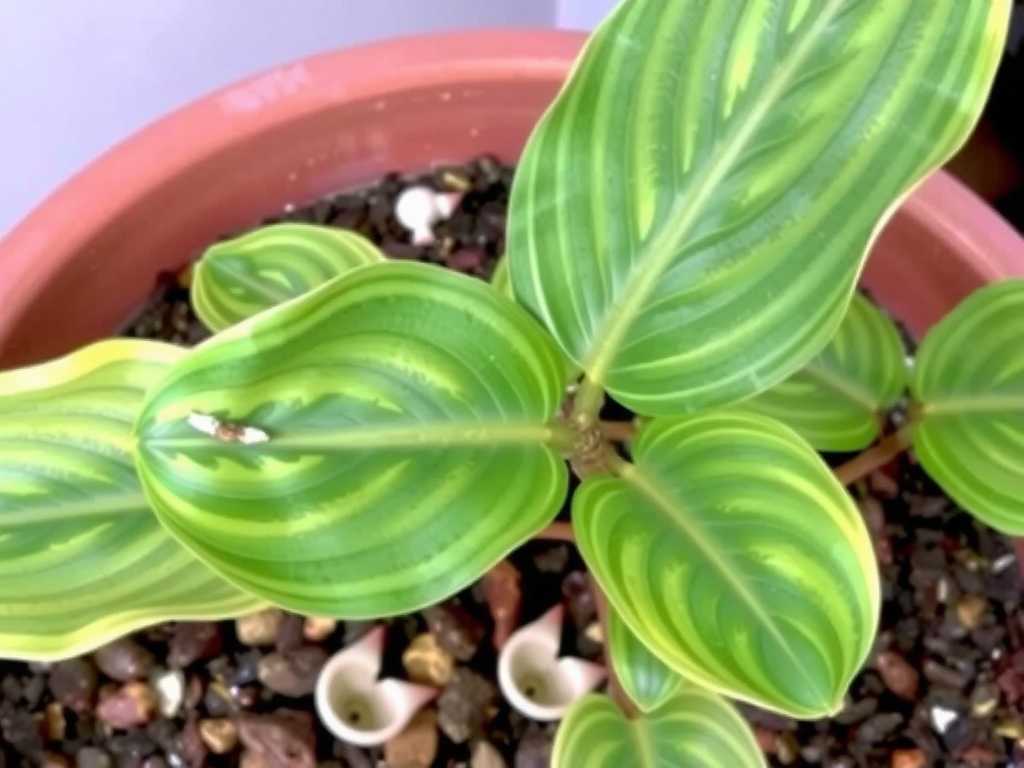
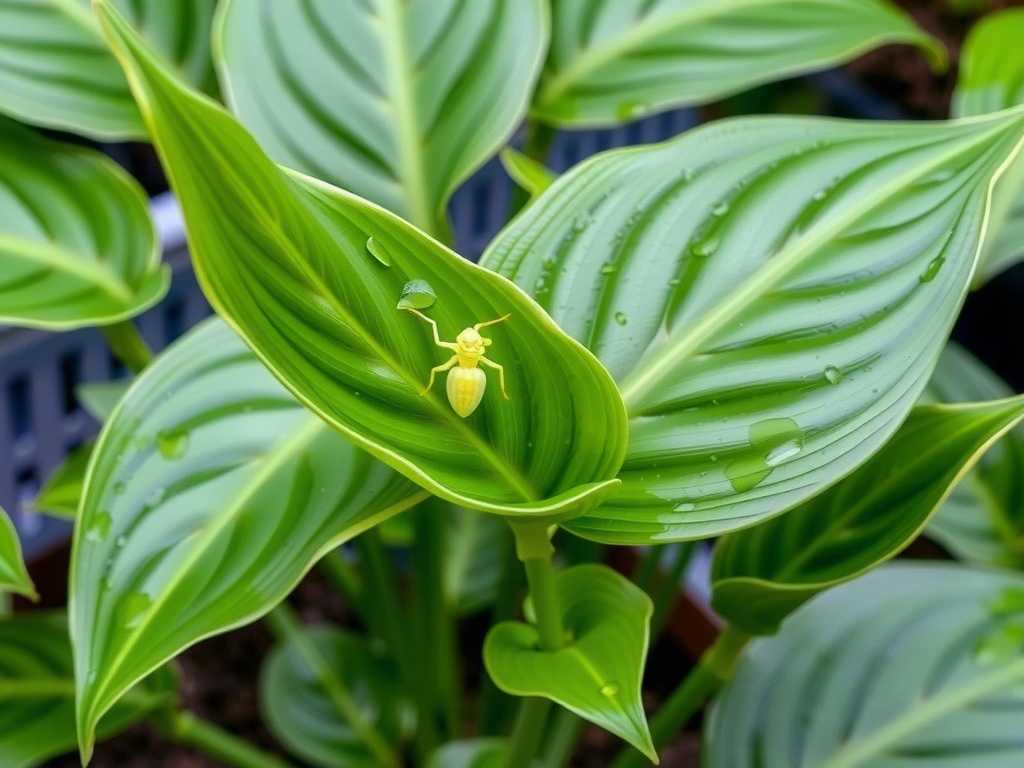
Before you start cleaning, you need to know your enemy. Calathea Ornata, with its slightly humid microclimate preference, can attract a few specific pests. The most common culprits laying eggs on the leaves are spider mites, mealybugs, and scale insects. Spider mite eggs are extremely tiny, often looking like specks of dust, and are usually found along the veins on the leaf underside. Mealybugs leave behind fluffy, cotton-like egg sacs. Scale insects appear as small, brown, bumpy shells that don't move; their eggs are hidden underneath their protective covering. Correctly identifying the pest is the first step to effectively removing insect eggs from prayer plants.
My Essential Toolkit for Safe and Effective Cleaning
Gathering the right supplies is crucial. You want to be effective against pests without harming your Calathea's sensitive leaves. Here’s what I assembled:
- A gentle insecticidal soap or Castile soap solution: I opted for a pure, diluted Castile soap (1 teaspoon per liter of water). As noted by experts from the RHS (Royal Horticultural Society), soap solutions work by breaking down the pests' protective coatings and are effective against soft-bodied insects and their eggs.
- Soft, lint-free cloths or cotton pads/balls: Avoid paper towels, as they can be too abrasive on the delicate leaf surface.
- A spray bottle: For misting the solution.
- Lukewarm, filtered or distilled water: Calatheas are sensitive to chemicals in tap water.
- A soft-bristled brush (like a makeup brush): Ideal for gently dislodging eggs from crevices without scratching.
- Isopropyl alcohol (70%) and cotton swabs: For spot-treating stubborn egg clusters or visible adult pests.
The Step-by-Step Cleaning Process: My Hands-On Experience
This is the core of managing pest infestations on Calathea plants. I performed this entire process in my bathroom for easy cleanup.
Step 1: Isolation and Initial Inspection Immediately, I moved my affected Calathea Ornata away from all other plants. This is non-negotiable to prevent the pests from spreading. I then placed it in good light and meticulously inspected every leaf, top and bottom, and every stem. I used a magnifying glass to get a clear view of the egg clusters, confirming they were spider mite eggs.
Step 2: The Gentle Wipe-Down I filled my spray bottle with the diluted soap solution and lightly misted the underside of each leaf where the eggs were concentrated. I let it sit for about 5 minutes to help soften and loosen the eggs. Then, taking a damp cotton pad, I gently wiped each leaf underside, supporting the leaf from the top with my other hand to prevent tearing. I used a fresh pad for each leaf to avoid cross-contamination. For the top surfaces, I used a barely-damp cloth to wipe away any dust or residue.
The Mistake I Made: On my first attempt, I sprayed the entire plant heavily and let it drip. This led to excessive moisture sitting in the leaf sheaths and on the soil surface, which is a recipe for fungal issues. I learned to target the spray and avoid drenching the central crown.
Step 3: Detailed Cleaning with a Brush For eggs nestled in the tiny where the leaf stem meets the main stem or along the central rib, the cotton pad wasn't enough. I dipped my soft makeup brush into the soapy solution, tapped off the excess, and gently brushed those areas. This was incredibly effective at dislodging the nearly-invisible eggs without any damage.
Step 4: Rinsing and Drying This step is vital. Residue soap can clog the plant's pores. I used my spray bottle filled with clean, lukewarm filtered water to lightly rinse each leaf I had cleaned. Then, I gently patted the leaves dry with a soft, dry cloth. I placed the plant in a warm room with good air circulation (but out of direct, harsh sun) to ensure it dried completely.
Step 5: Soil Check and Top-Dressing Pests can lay eggs in the soil too. While I didn't want to stress the plant with a full repot, I lightly scraped off the top half-inch of soil and replaced it with fresh, sterile potting mix. This helped remove any eggs that might have fallen from the leaves.
The Two-Week Observation Period: What Happened Next
Cleaning is just the first battle. Consistency is key to winning the war.
- Days 1-3: The plant looked clean but slightly stressed from the handling. I kept it isolated and maintained normal, consistent watering (with filtered water), avoiding fertilizer.
- Days 4-7: I repeated the full inspection and gentle wipe-down (without the brush this time) after 4 days. This was to catch any newly hatched nymphs that might have survived the first cleaning. I found a few tiny moving specks on one leaf and promptly wiped them away. This is where most people fail—they stop after one treatment.
- Days 8-14: I inspected every other day. I increased humidity around the plant using a pebble tray, as the American Horticultural Society (AHS) notes that consistent, moderate humidity supports plant health and can deter some pests like spider mites who prefer drier air. By the end of the second week, there were no signs of new eggs, live pests, or the characteristic stippling damage from spider mites. New leaves were beginning to unfurl without any distortion.
Preventing Future Infestations: Building a Resilient Plant
Cleaning Calathea leaves to eliminate pests is reactive. Building a strong defense is proactive. Here’s what I changed:
- Regular Leaf Maintenance: I now incorporate a gentle leaf wipe-down with just water into my monthly plant care routine. This keeps dust off and lets me spot problems early.
- Optimized Environment: I ensured my Calathea had consistent, bright indirect light and humidity levels above 50%. A healthy plant is far more resistant to pests.
- Quarantine for New Plants: Any new plant now spends at least two weeks in a separate room before joining the collection. I inspect and often give them a preventative shower.
- Avoiding Overcrowding: Good air circulation between plants is a simple but powerful deterrent.
Frequently Asked Questions
Can I use neem oil on my Calathea Ornata to treat the eggs? Neem oil can be effective, but Calathea leaves are notoriously sensitive. I tried a diluted neem solution on a single leaf as a test, and it caused significant discoloration and burning. I would strongly advise against it for this genus. Stick to insecticidal soaps or Castile soap solutions, which are much gentler.
How often should I repeat the cleaning process? For an active infestation, repeat the full cleaning process every 4-7 days for at least three cycles. This breaks the life cycle of the pests. For prevention, a monthly gentle inspection and wipe with plain water is sufficient.
The eggs are gone, but my leaves have brown spots or look damaged. What should I do? The damage from the pests (like the yellow stippling from spider mites) or from the cleaning process itself may not heal. The plant will focus its energy on new growth. Continue providing optimal care—consistent moisture, humidity, and light. You can carefully trim away the most severely damaged leaves at the stem base once the plant is stable and pushing out new, healthy foliage.
Discovering pest eggs on your prized Calathea Ornata is undoubtedly stressful, but it’s a manageable problem. The key lies in immediate action, gentle persistence, and a commitment to follow-through over a couple of weeks. By combining physical removal with soapy solutions, maintaining vigilant inspections, and ultimately fostering a healthier environment for your plant, you can rescue your Calathea from infestation. My plant not only recovered but is now putting out larger, more vibrant leaves than before—proof that with patience and the right cleaning tips for pest eggs on houseplants, you can restore your plant to its full, glorious health.
发表评论