 admin
admin How to Fix Dull Variegation in Calathea Ornata: A 2-Week Light Boost Experiment That Worked
There’s a special kind of heartbreak for a plant lover when the stunning, painterly pink stripes of a Calathea Ornata—the famed Pinstripe Plant—begin to fade. The vibrant contrast between the deep green leaves and those hot pink lines dulls to a faint whisper, leaving the plant looking washed-out and lackluster. I’ve been there, staring at my once-dramatic Ornata, wondering what I’d done wrong. Was it water? Humidity? The answer, I discovered through a focused, two-week experiment, was primarily one thing: light. This is my hands-on journey on how to fix dull variegation in Calathea Ornata through a strategic light boost.
For years, I followed the common advice that Calatheas are low-light plants. I kept mine in a north-facing room, several feet from the window. It survived, even pushed out new leaves. But those new leaves emerged with barely-there pink stripes that turned silvery-white within days. The plant was losing its signature beauty. I knew I had to intervene. The goal wasn’t just survival; it was to restore that spectacular variegation. I committed to a 14-day process, meticulously adjusting one key factor and documenting every change, setback, and solution.
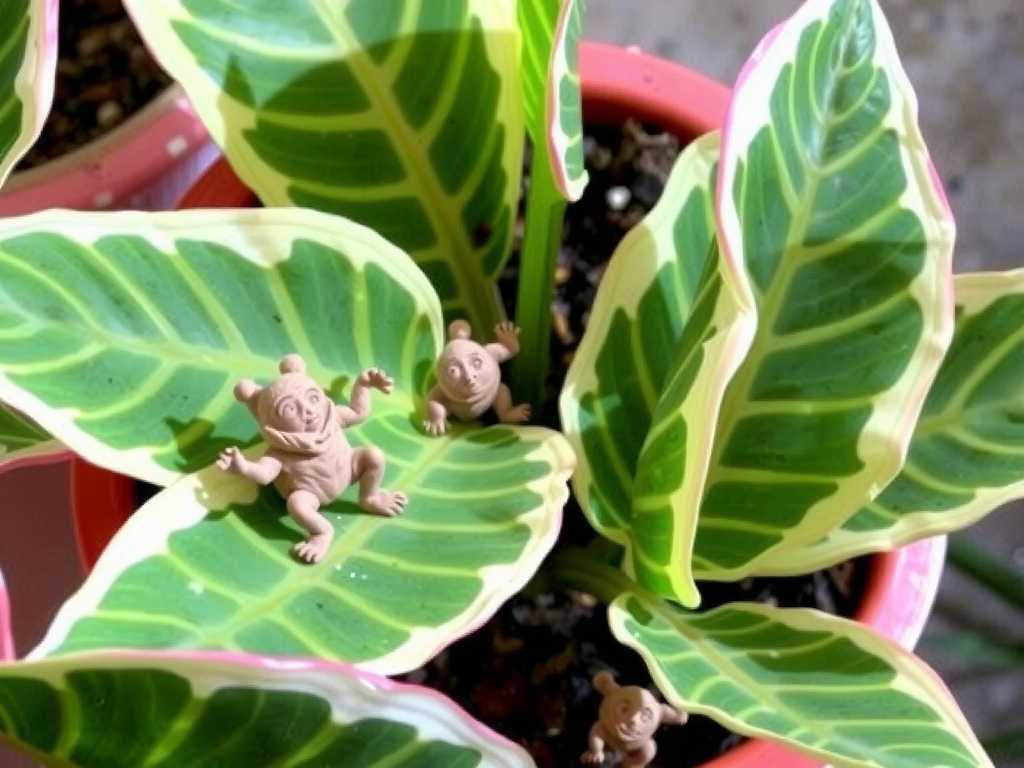
Understanding the "Why" Behind Fading Pink Stripes
Before making any changes, I needed to understand the science. Variegation, especially these colorful patterns, is not just for show. The green parts of a leaf contain chlorophyll, which is essential for photosynthesis. The pink or white variegated parts contain less or no chlorophyll. According to principles often cited by horticultural bodies like the Royal Horticultural Society (RHS), highly variegated plants often require more light than their solid-green counterparts. Why? Because the plant has less total chlorophyll across its leaf surface to capture energy. In low light, the plant may compensate in two ways: it can produce new leaves with more green (less variegation) to capture more light, or the existing colorful pigments (like anthocyanins, which can contribute to pink hues) may fade as the plant prioritizes chlorophyll production.
My Calathea Ornata wasn’t getting enough photons to sustain its extravagant patterning. It was merely surviving on a dim light diet. The fix for dull variegation, therefore, had to be a careful, calculated increase in light exposure—without scorching its sensitive leaves.
My Step-by-Step, Two-Week Light Adjustment Protocol
I moved my plant from its dark corner on a Tuesday, marking Day 1 of the experiment. The process was gradual, observing the plant's reaction daily.
Week 1: The Gradual Introduction to Brighter Light
The key mistake most make is moving a plant from low light directly to bright light. This shocks the plant, leading to scorched, crispy leaves—a problem worse than faded variegation. I chose an east-facing window with gentle morning sun. For the first three days, I placed the Ornata about 5 feet away from the window, where it received bright, indirect light for only 2-3 hours in the morning. The rest of the day was moderately bright. I used a simple light meter app on my phone to track consistency; it read around 200-250 foot-candles in that spot.
By Day 4, I inched it closer, to about 3 feet from the window. Here, the morning light was stronger, but still indirect. I watched the leaves like a hawk. No signs of curling or crisping. The existing leaves, of course, did not change color. The test would be in new growth. I maintained my strict watering routine—using distilled water when the top inch of soil was dry—and kept humidity above 60% with a humidifier, eliminating other stress variables.
The Mid-Experiment Hurdle and Solution
On Day 7, I noticed a slight curling on the edges of one older leaf. Panic set in. Was it too much light? Or was it my old nemesis, inconsistent moisture? After checking the soil and humidity, I realized the curling was likely due to a slight increase in transpiration (water loss) from the increased light, coupled with a slight dip in humidity one afternoon. The solution wasn't to move the plant back. Instead, I grouped it with other plants to create a microclimate and ensured the humidifier was reliably topped up. The leaf unfurled within 48 hours. This was a critical lesson: boosting light for variegation must go hand-in-hand with impeccable humidity and watering control.
Week 2: Optimizing the Light Source and Observing First Results
Confident the plant was acclimating, I implemented a second strategy for the light boost for Calathea Ornata. I wanted to ensure it received consistent, bright indirect light without relying solely on the short morning window. On Day 10, I introduced a supplemental grow light. I chose a low-heat, full-spectrum LED panel and positioned it about 2 feet above the plant, set on a 12-hour timer. This provided a stable, daily "dose" of photons without the intensity or heat of direct sun.
The combination of gentle morning light from the east window and the consistent LED light created the perfect environment. By Day 12, I spotted a tightly furled new spear emerging from the soil. The excitement was real. This was the first new growth since starting the light adjustment.
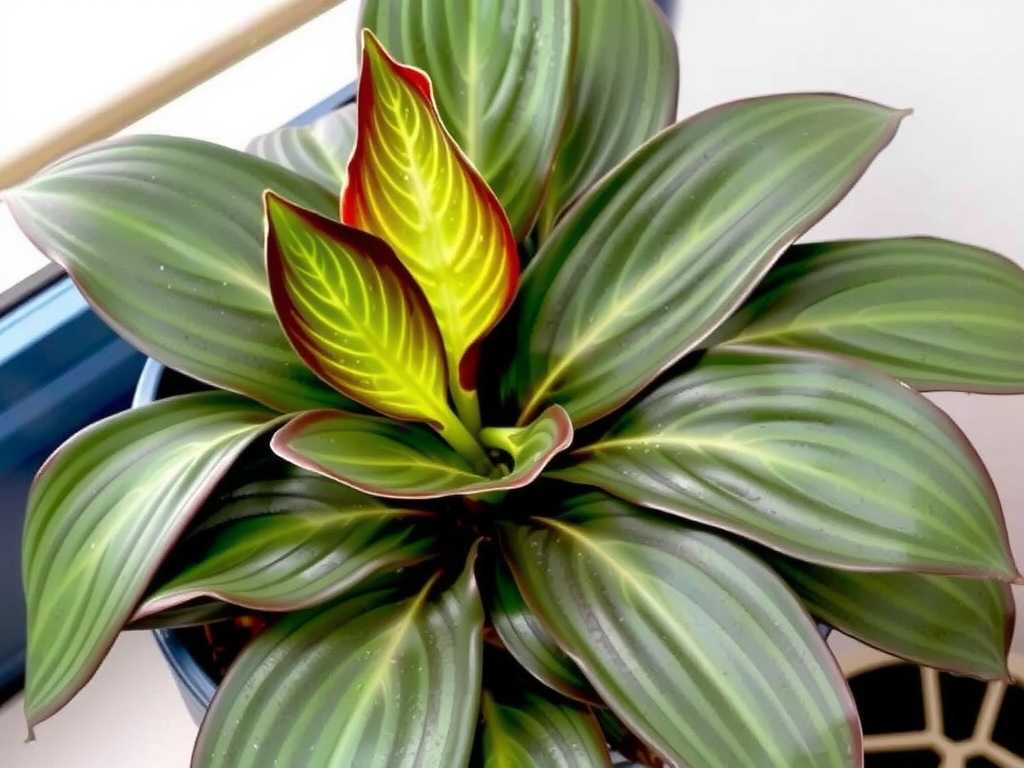
On the morning of Day 14, the new leaf began to unfurl. And there they were: crisp, bold pink stripes, stark against the deep green velvet of the leaf. The variegation was more vibrant than on any leaf produced in the previous six months. The experiment was a success. The plant was telling me clearly that this was the light level it needed to express its full genetic beauty.
Why This Method Works: Beyond Anecdote
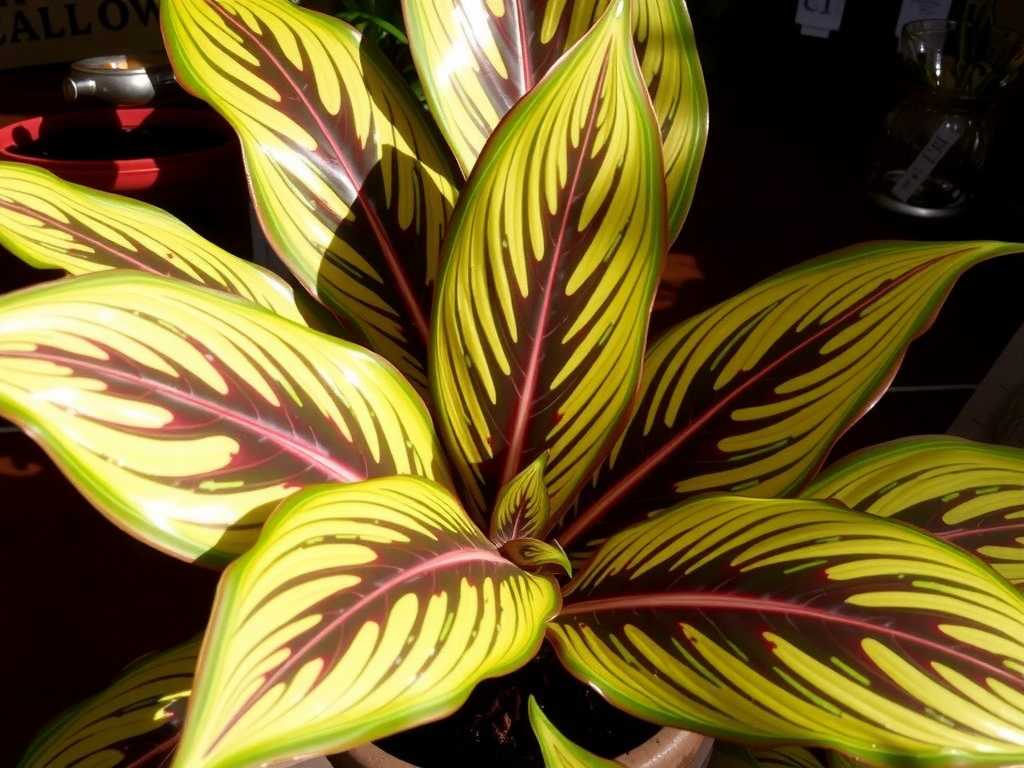
My experience aligns with expert horticultural advice. The American Horticultural Society's (AHA) light guidelines categorize plants based on needs. While standard Calatheas fall under "Low Light" (75-200 foot-candles), variegated specimens like the Ornata often perform best in "Medium Light" (200-500 foot-candles). My setup with the grow light provided a steady 300-400 foot-candles. This energy boost allows the plant to photosynthesize efficiently even with its reduced chlorophyll, removing the physiological need to revert to greener, duller leaves. It’s about meeting the plant's specific metabolic demands.
Sustaining Vibrant Variegation Long-Term
Fixing the dull color is one thing; keeping it is another. My plant remains in its east window + grow light setup. I rotate it quarterly for even growth. I’ve learned that the quality of light is paramount for maintaining Calathea Ornata's pink stripes. Seasonal changes in natural light mean I adjust the timer on my grow light, providing longer "on" periods in winter. Furthermore, I ensure fertilization is minimal and balanced; excess nitrogen can encourage green growth at the expense of variegation. A diluted, balanced liquid fertilizer every month during the growing season is sufficient.
Addressing Your Curling Leaves and Crispy Tips
- "I tried more light, but the leaf edges turned brown and crispy. What did I do wrong?" This is almost always a humidity issue, amplified by increased light. Light increases transpiration. If the air is too dry, the leaves lose water faster than the roots can absorb it, causing scorched edges. Before or while increasing light, ramp up humidity. Aim for 60% or higher. A humidifier is the most effective tool. Pebble trays and grouping plants offer minor support.
- "My new leaves are coming in with beautiful pink stripes, but the old, faded leaves are still dull. Will they ever turn pink again?" Unfortunately, no. Once a leaf has matured and its coloration has set, it will not become more vibrant. The plant's energy is directed toward new growth. Your focus should be on ensuring all future leaves emerge with strong variegation. You can prune away the oldest, dullest leaves at the base to encourage new shoots and improve the plant's overall appearance.
- "Can I use a south-facing window for a faster light boost?" I would strongly advise against direct southern exposure, especially in summer. The intense direct sun will almost certainly scorch the delicate leaves of a Calathea Ornata, causing permanent yellow or brown patches. If a south window is your only option, use a sheer curtain to diffuse the light intensely, or place the plant several feet back from the window where the light is bright but indirect. An east or north-facing window, supplemented with a grow light, is a much safer and more controllable strategy.
Seeing that first vibrant new leaf unfurl after two weeks of careful adjustment was immensely rewarding. It transformed my understanding of this beautiful, sometimes finicky plant. The journey taught me that fixing dull variegation isn't about drastic measures, but about providing consistent, appropriate care tailored to the plant's specific genetics. A strategic light boost, paired with stable humidity and careful observation, can coax your Calathea Ornata back to its full, striped glory. It’s a testament to working with a plant's needs, not against them, to unlock its most beautiful display.
发表评论