 admin
admin How to Care for Calathea Ornata in Dorms with No Windows: LED Grow Light Tips
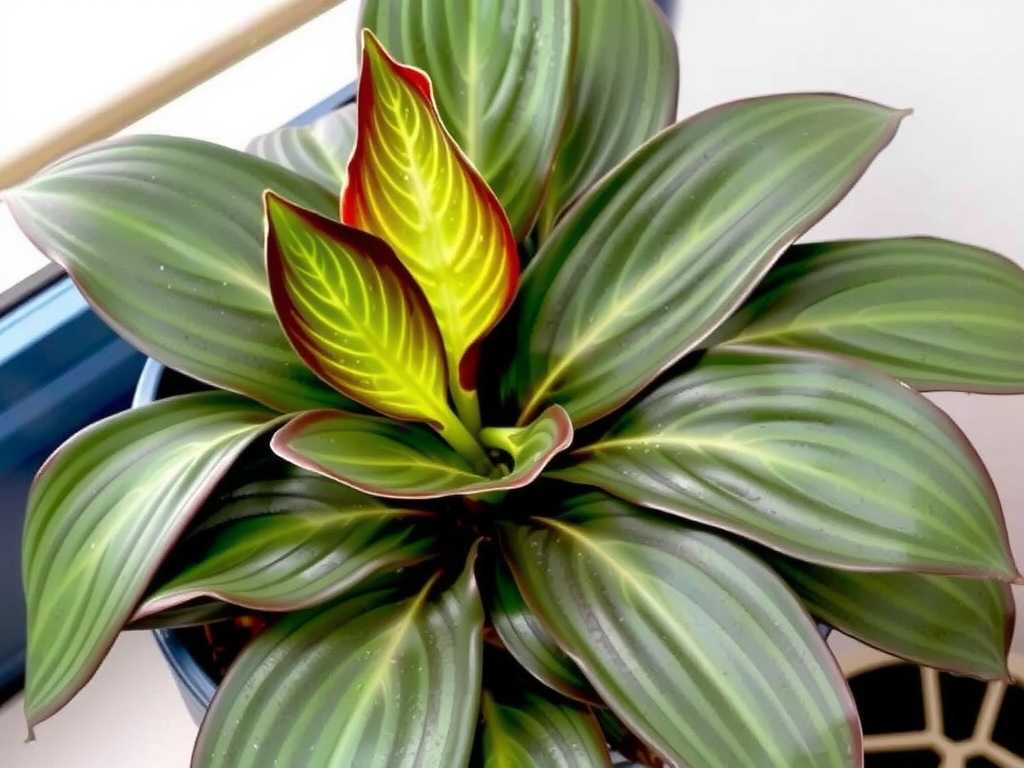
You’ve fallen in love with the stunning Calathea Ornata, with its deep green leaves painted with delicate pink stripes. But your dorm room has a major problem: no windows. You’re wondering if it’s even possible to keep this beautiful, light-sensitive plant alive in a space devoid of natural sunlight. The short answer is yes, but it requires a smart, dedicated approach centered around one essential tool: LED grow lights. This guide is designed specifically for students and urban dwellers facing the challenge of a windowless room. We’ll walk you through everything you need to know to not just keep your Calathea Ornata alive, but to help it thrive under artificial light.
Understanding Your Calathea Ornata’s Core Needs
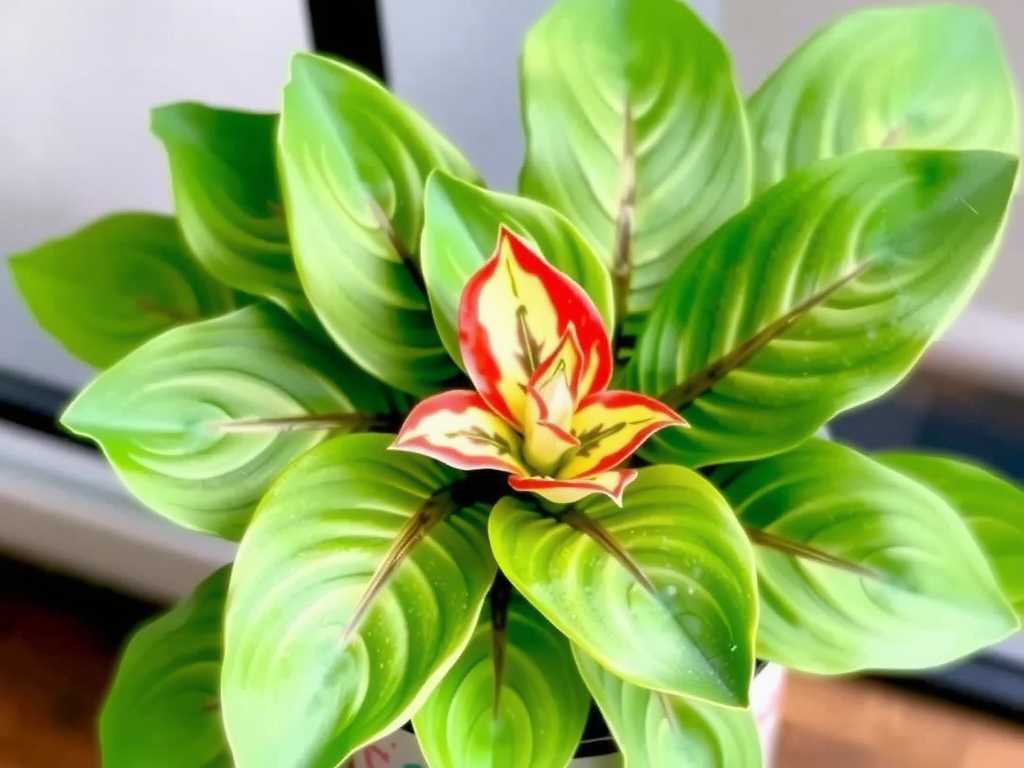
Before we plug in the lights, it's crucial to understand what we're trying to replicate. Native to the understory of tropical rainforests, the Calathea Ornata is adapted to bright, indirect light. Direct sun will scorch its leaves, but deep shade will cause its famous stripes to fade and growth to stall. In a windowless dorm, we are creating a complete substitute for its natural environment. This involves more than just light; it’s about managing humidity, water, and temperature in sync with your lighting schedule. Success hinges on viewing these elements as an interconnected system.
Why LED Grow Lights Are the Perfect Solution for Dorm Rooms
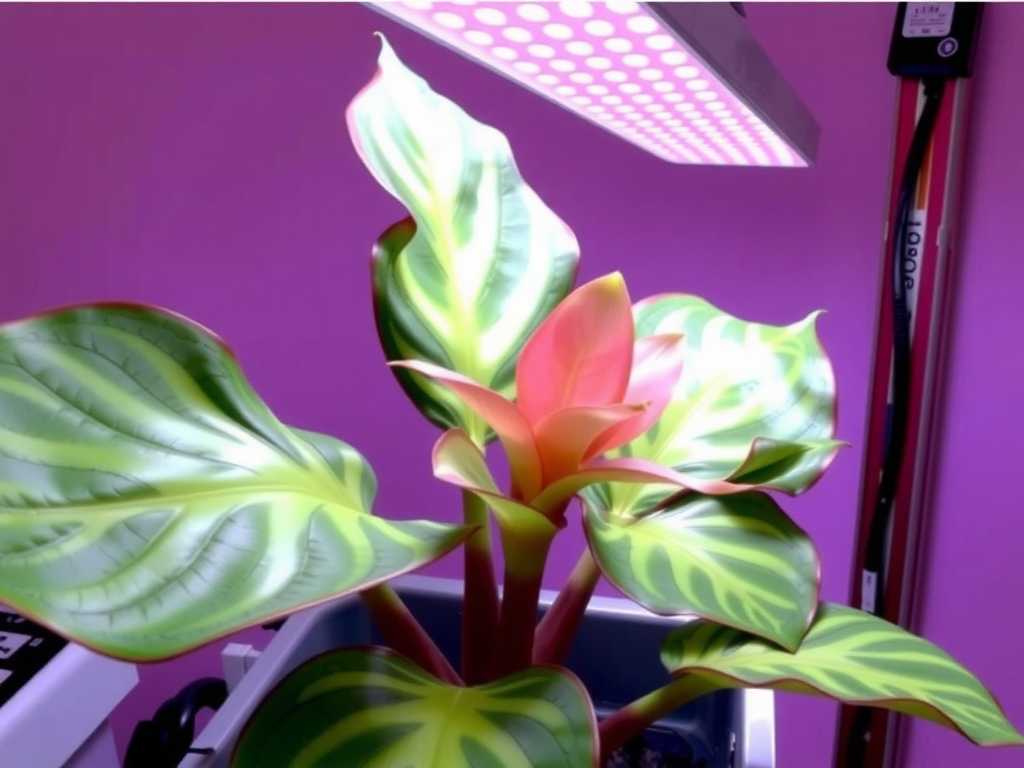
When choosing a light source, not all bulbs are created equal. Incandescent bulbs produce too much heat, and fluorescent tubes can be bulky and harsh. Full-spectrum LED grow lights have emerged as the ideal choice for indoor gardeners, especially in compact spaces. They are energy-efficient, producing minimal heat so you won’t overheat your small room or risk burning your plant. They can be tuned to provide the specific wavelengths of light (primarily blue and red spectrum) that plants use for photosynthesis. Their slim profiles and various forms (like bulbs, strips, or panels) make them perfect for discreet installation over a desk or shelf.
Selecting the Best LED Grow Light for Your Calathea
Navigating grow light specifications can be confusing. Here’s a simple breakdown for your Calathea Ornata:
- Spectrum: Look for lights labeled “full-spectrum” or “broad-spectrum.” These mimic natural sunlight, providing a balanced range of colors that support overall leaf health and coloration, crucial for maintaining those vibrant pink stripes.
- Intensity (PPFD): Calathea Ornata does not need intense light. A light providing a Photosynthetic Photon Flux Density (PPFD) of 50-150 µmol/m²/s at the plant’s leaves is sufficient. Many affordable LED panels or bulbs are well within this range.
- Form Factor: For a single plant on a desk, a gooseneck clip-on LED lamp offers fantastic adjustability. For a shelf with multiple plants, a slim LED light bar or a small panel is more suitable. As noted by horticulturalist Dr. Linda Chalker-Scott, “The flexibility of modern LEDs allows plant enthusiasts to tailor light delivery precisely to each plant’s canopy, maximizing efficiency.”
- Safety & Convenience: Choose lights with built-in timers. Automating your light schedule is the single best way to ensure consistency, which plants crave.
Creating the Ideal Light Schedule and Setup
Consistency is key. Your Calathea needs a reliable day-night cycle.
- Positioning: Hang or clip the light 12 to 24 inches above the plant. Start on the higher end and observe. If the plant seems to be stretching or the colors are dull, lower the light slightly. If leaves show signs of bleaching or curling, raise it.
- Duration: Aim for 12-14 hours of light per day. A simple rule is to align the light timer with the natural day outside—for example, 7 AM to 9 PM. This regular photoperiod supports healthy growth rhythms.
- The Dark Period: Do not leave the lights on 24/7. Plants need darkness to respire and complete their metabolic cycles. The timer function is essential here.
Mastering Complementary Care Under Lights
Light is the foundation, but other care aspects must be adjusted for your indoor ecosystem.
- Watering with Precision: Under grow lights, soil may dry differently than in natural light. Always check the soil moisture before watering. Stick your finger an inch into the potting mix. Water only when it feels dry, using filtered, distilled, or rainwater if possible, as Calatheas are sensitive to chemicals in tap water. Proper watering is a critical component of caring for Calathea in low light conditions.
- Boosting Humidity: Dorm air, especially with heating or cooling systems, is often very dry. Group your Calathea with other plants to create a humid microclimate. Use a pebble tray filled with water placed underneath the pot, or consider a small, quiet humidifier. Misting is a temporary fix but is not as effective as these other methods.
- Temperature and Fertilization: Maintain a comfortable room temperature between 65-80°F (18-27°C), avoiding drafts. Fertilize sparingly—only during the active growing seasons (spring and summer) and at half the recommended strength. With controlled artificial light, the plant’s growth may be steady but moderate, so it requires fewer nutrients.
Troubleshooting Common Issues in a Windowless Setup
Even with the best setup, watch for these signs:
- Fading Pink Stripes: This usually indicates insufficient light. Gradually increase the duration or slightly decrease the distance of your LED light.
- Brown, Crispy Leaf Edges: This is typically a humidity issue, not a light issue. Revisit your humidity-boosting strategies.
- Yellowing Leaves: Could be overwatering. Double-check your soil moisture routine. Ensure your pot has drainage holes.
- Leggy Growth or Small New Leaves: The plant is stretching for more light. Increase light intensity or duration. Remember, successful indoor plant care without sunlight is about observation and subtle adjustments.
FAQ
Can I use a regular desk lamp instead of a grow light? You can, but it’s not ideal. A standard LED bulb may not emit the full spectrum of light your plant needs for optimal photosynthesis and color development. A dedicated full-spectrum LED grow light is a more reliable investment for plant health.
How much will this increase my electricity bill? Very little. One of the biggest advantages of LEDs is their high energy efficiency. A typical 20-watt grow light running for 14 hours a day uses a negligible amount of electricity, often costing just a few dollars per year to operate.
Do I need to change my care routine during school breaks? If you’re leaving for an extended break, this is a challenge. The best solution is to have a trusted friend follow your care checklist (light timer, occasional watering). Alternatively, for shorter breaks, you can give the plant a deep water and leave the lights on a timer—it will be fine for a week or so. Planning for growing Calathea with artificial light includes considering these logistical aspects.
Embracing the challenge of growing plants in windowless rooms is a rewarding experiment in modern plant care. By selecting the right full-spectrum LED grow light, setting a consistent timer, and carefully managing humidity and water, you create a self-contained slice of the tropics on your dorm desk. Your Calathea Ornata can become a vibrant, living piece of decor that proves even the darkest room can host a thriving piece of nature. Pay attention to its leaves—they will tell you exactly what it needs.
发表评论