 admin
admin How to Fix Wilting from Overwatering in Calathea Ornata: Drying Tips
You’ve lovingly cared for your Calathea Ornata, only to find its once-proud, pink-striped leaves now drooping sadly. The soil feels persistently damp, and a sense of worry sets in. This common plight, wilting from overwatering, is a paradox that baffles many plant enthusiasts. It seems counterintuitive—how can a plant wilt when it’s getting too much water? This guide is dedicated to demystifying that exact problem. We will walk through a clear, step-by-step rescue plan focused on effective drying techniques and recovery strategies to bring your beautiful prayer plant back from the brink.
Understanding Why Overwatering Causes Wilting
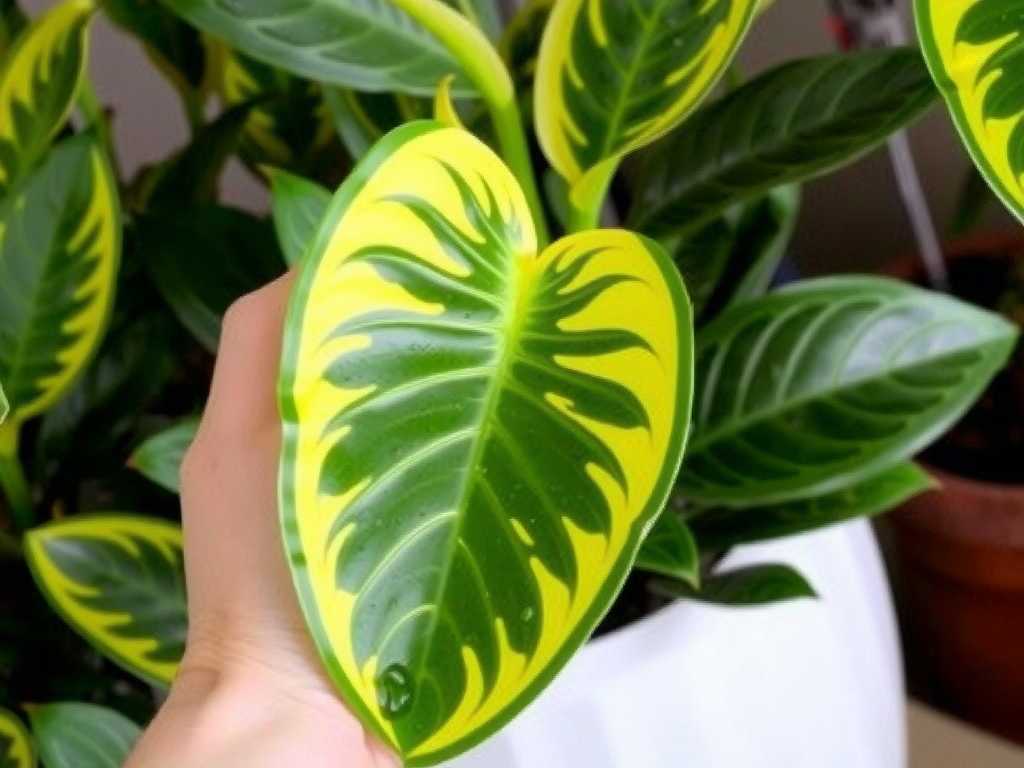
To effectively fix the problem, you must first understand it. Wilting in an overwatered Calathea Ornata is not a sign of thirst, but of suffocation and decay.
Healthy roots absorb water and oxygen from tiny air pockets in the soil. When you overwater, these pockets flood, cutting off the oxygen supply. The roots begin to drown and die, turning from firm and white to soft, brown, or black. This condition is root rot. Once a significant portion of the root system is damaged, it can no longer absorb moisture or nutrients, no matter how wet the soil is. Consequently, the leaves lose their internal water pressure (turgor) and wilt. It’s a systemic failure, not a surface issue.
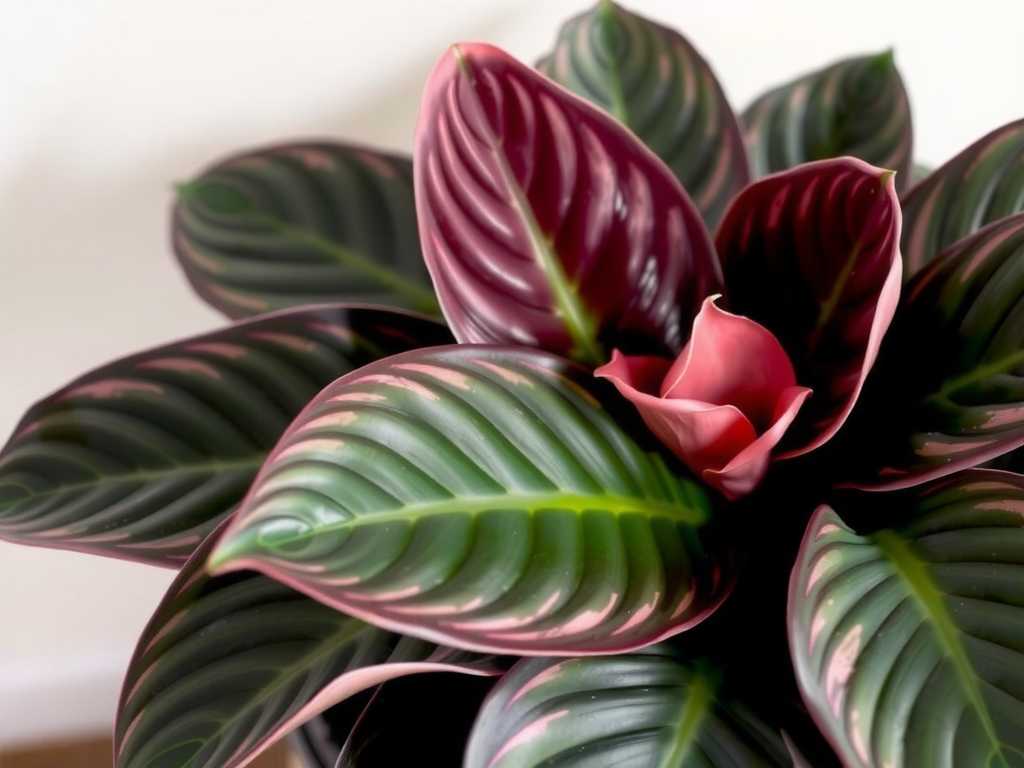
Immediate Action: Your Step-by-Step Rescue Protocol
Time is critical when dealing with overwatering. Follow these steps in sequence to give your Calathea Ornata the best chance of survival.
Step 1: Cease All Watering and Assess the Damage Immediately stop adding any more water to the pot. Gently tip the pot to see if any water drains freely from the bottom—a clear sign of severe saturation. Carefully note the plant’s overall appearance: the degree of wilting, yellowing leaves, and any signs of mold or fungus gnats (a common pest attracted to moist soil).
Step 2: Remove the Plant from Its Pot This is the most crucial diagnostic step. Tilt the pot and gently coax the plant out, supporting the base of the stems. Be prepared for the root ball to be very wet and potentially compacted.
Step 3: Inspect and Treat the Root System Here, you’ll perform “root triage.” Gently shake off and rinse away the soggy soil under lukewarm water to reveal the roots.
- Healthy Roots: Look firm and white or light tan.
- Rotten Roots: Are mushy, brown or black, and may slough off easily or emit an unpleasant odor. Using sterilized scissors or pruners, meticulously cut away all rotten roots. Be ruthless but careful; preserving every healthy root is vital. As recommended by the American Horticultural Society (AHS), sterilizing your tools with isopropyl alcohol between cuts prevents spreading potential pathogens.
Step 4: Let the Roots Air Dry After surgery, the roots need to breathe. Place the plant on a clean paper towel or a mesh screen in a warm, shaded, and well-ventilated area for 1-2 hours. This allows the cut ends to callous over slightly and excess moisture to evaporate. Do not leave it to dry for more than a few hours, as the healthy roots can desiccate.
Step 5: Repot into Fresh, Well-Draining Soil Never put the plant back into old, contaminated soil. Choose a clean pot—either the original one scrubbed with a bleach solution (1 part bleach to 9 parts water) or a new one that is only slightly larger. The pot must have ample drainage holes. Fill the bottom with a high-quality, well-draining potting mix. A blend formulated for aroids or African violets works well, or create your own mix using:
- 50% high-quality potting soil
- 30% orchid bark or perlite for aeration
- 20% horticultural charcoal (optional but excellent for filtering impurities and keeping soil “fresh”) Create a small mound of soil in the pot, position the plant’s root system over it, and gently fill in around the sides. Tap the pot to settle the soil without compacting it.
Step 6: The First Post-Repotting Water Do not water the plant immediately after repotting. The fresh soil likely contains some moisture, and the roots need time to adjust. Wait 3-5 days, then give it a thorough but careful watering until water just begins to drain from the bottom. Discard any water that collects in the saucer.
The Recovery Phase: Creating the Ideal Drying Environment
Your plant is now in intensive care. The right environment is key to supporting its recovery and preventing a relapse.
Optimizing Light and Temperature Place your recovering Calathea in a location with bright, indirect light. Direct sun will scorch the stressed leaves and increase water loss. Maintain consistent room temperatures between 65-80°F (18-27°C), avoiding cold drafts or heat vents which can add stress.
Mastering Humidity Without Excess Moisture Calathea Ornata loves humidity, but we must provide it without making the soil wetter. Solutions include:
- Pebble Tray: Place the pot on a tray filled with water and pebbles, ensuring the pot’s base sits above the water line.
- Grouping Plants: Cluster it with other plants to create a beneficial microclimate.
- Humidifier: This is the most effective and controlled method, allowing you to increase ambient humidity without affecting the soil.
The Art of the Dry-Out: When and How to Water Next This is where most recoveries succeed or fail. After the initial post-repot watering, you must adopt a “less is more” approach. The Finger Test is Your Best Friend: Insert your finger into the soil up to the first knuckle (about 1-2 inches). Water only when the top 1-2 inches of soil feel completely dry. For a more precise measurement, consider using a moisture meter. When you do water, water thoroughly until it runs from the drainage holes, then empty the saucer promptly.
Long-Term Prevention: Building Healthy Watering Habits
Fixing the problem once is good; preventing it forever is better. Build these habits to keep your Calathea Ornata thriving.
Choosing the Right Pot and Soil from the Start Always use pots with drainage holes. Terracotta pots are excellent for Calathea Ornata as they are porous, allowing the soil to dry more evenly from the sides. As highlighted in resources from the Royal Horticultural Society (RHS), the physical properties of the container directly impact root zone aeration. Pair this with the well-draining soil mix described earlier to create the ideal foundation.
Developing a Sensory Watering Routine Ditch the calendar. Your plant’s water needs change with seasons, light, and temperature. Rely on the tactile finger test or a moisture meter. Learn to judge the pot’s weight—a light pot indicates dry soil, a heavy one suggests moisture remains.
Seasonal Adjustments for Watering Calathea Your Calathea’s growth slows in the fall and winter. During these months, the soil will take significantly longer to dry out. Extend the time between waterings, perhaps waiting until the top 2-3 inches are dry. Resume more frequent watering in the spring and summer as growth accelerates and light levels increase.
My Calathea’s leaves are still wilted after repotting. Is it dead? Not necessarily. The plant has suffered significant shock. After addressing the roots, the plant must redirect energy to regrow its root system before it can support full, perky leaves again. This can take several weeks. Be patient, maintain optimal care, and look for signs of new growth, which is the true indicator of recovery.
How can I tell the difference between overwatering and underwatering? Both cause wilting, but the soil condition is the key differentiator. Overwatering leads to wilting with wet, soggy, often smelly soil and yellowing leaves. Underwatering causes wilting with bone-dry, crumbly soil and leaves that may be crispy or brown at the edges. When in doubt, check the soil before watering.
Should I mist my Calathea Ornata to increase humidity? Misting is a temporary solution that raises humidity for mere minutes and can promote fungal leaf diseases if water sits in the leaf crowns, especially in a recovering plant. For consistent, safe humidity that aids recovery without risking further overwatering issues, a pebble tray or humidifier is a far more effective and reliable method.
Rescuing an overwatered Calathea Ornata requires swift action, a willingness to examine the roots, and a shift towards preventative care. By understanding that wilting stems from root distress, not just surface moisture, you can apply the precise drying tips and recovery steps outlined here. Success lies in mastering the balance between providing the humidity this tropical plant craves and the well-drained, aerated soil its roots desperately need. With patience and adjusted habits, you can restore your plant’s vibrant health and enjoy its stunning foliage for years to come.
发表评论