 admin
admin How to Care for Calathea Ornata in Small Pots with Self-Watering: Mastering Moisture Control
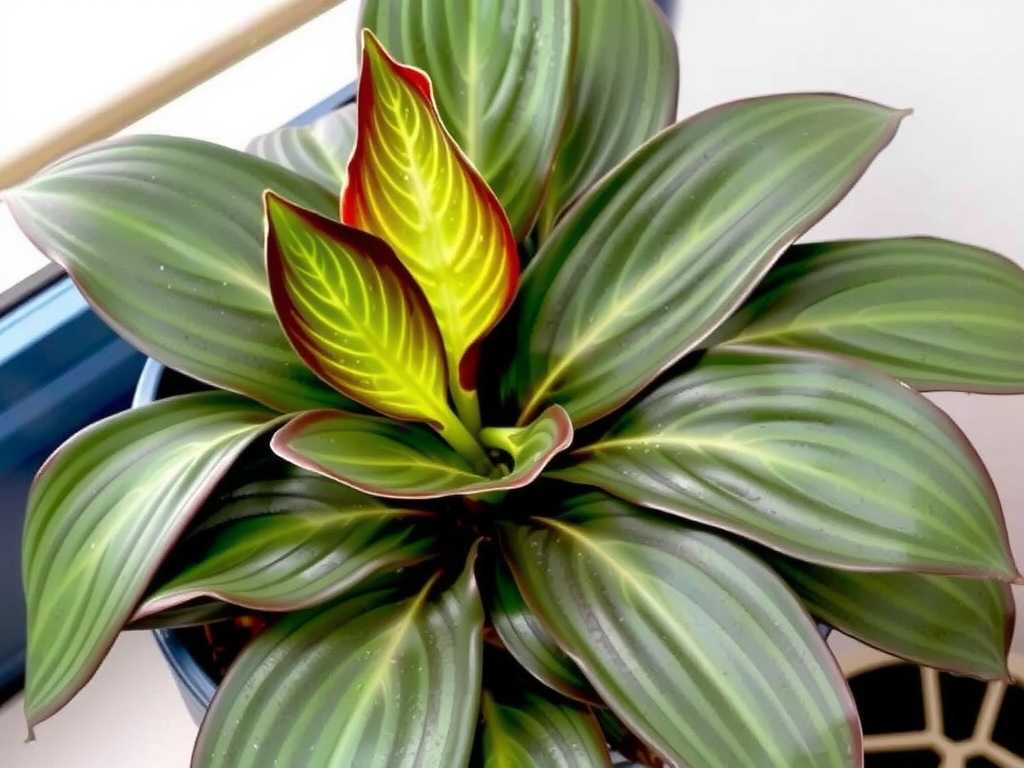
I love my Calathea Ornata, but let's be honest—keeping its soil perfectly moist, not soggy, felt like a high-stakes guessing game. One day the leaves would be prayerfully perfect, the next I’d see those dreaded crispy brown edges. The main culprit? Inconsistent watering. That’s when I decided to test a solution: pairing my beloved ‘Pinstripe’ plant with a small self-watering pot. This is my hands-on journey, a detailed record of the setup, a two-week observation log, the mistakes I made, and ultimately, how I achieved the moisture control holy grail for this fussy beauty.
Understanding the Calathea Ornata’s Moisture Demands
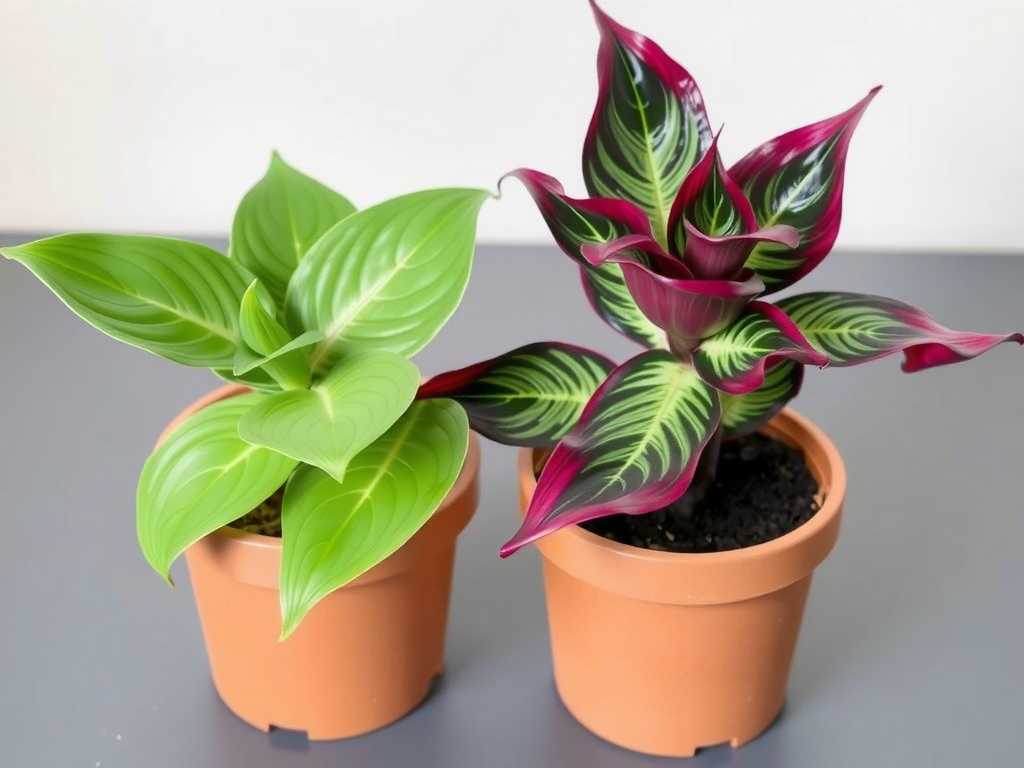
Before changing its home, it's crucial to understand what we're working with. The Calathea Ornata isn't just being dramatic; its needs are specific. According to the Royal Horticultural Society (RHS), plants in the Marantaceae family, like Calatheas, thrive in consistently moist soil in a humid environment. They are notoriously sensitive to both drought and waterlogging. The American Horticultural Society (AHS) emphasizes that "overwatering is often a function of poor drainage, not just frequency." This means the pot and soil structure are as important as the watering schedule itself. My goal was to automate the "consistently moist" part without ever tipping into "soggy."
Why a Small Self-Watering Pot is a Game-Changer
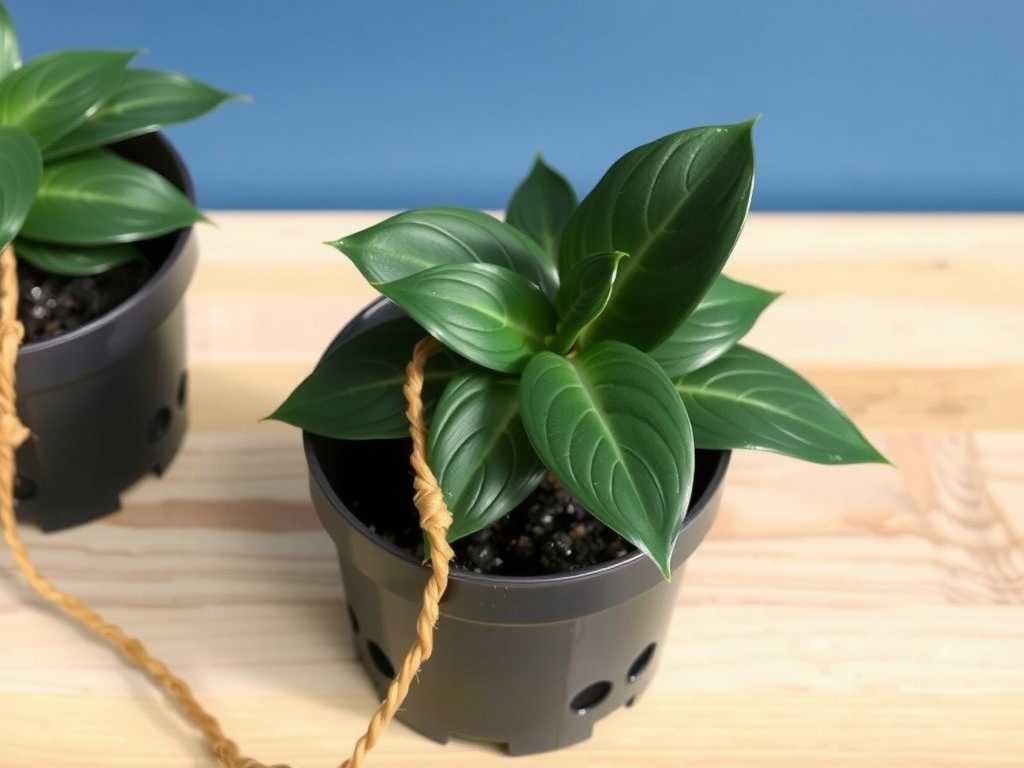
The theory is brilliant. A self-watering pot, or sub-irrigation planter, has a reservoir at the bottom. A wicking system—like a rope or a soil column—draws water up into the potting mix based on the plant's needs. For a moisture-loving plant in a small pot, this promises to eliminate the cycle of drought and flood. It creates a stable, humid root zone environment. The small pot size is key here; it prevents excessive soil volume from staying wet for too long, which is a risk in larger containers. This setup directly targets the core challenge of moisture control for Calathea.
My Step-by-Step Setup and Initial Two-Week Log
Here’s exactly what I did, what I saw, and what I learned.
Choosing the Right Components
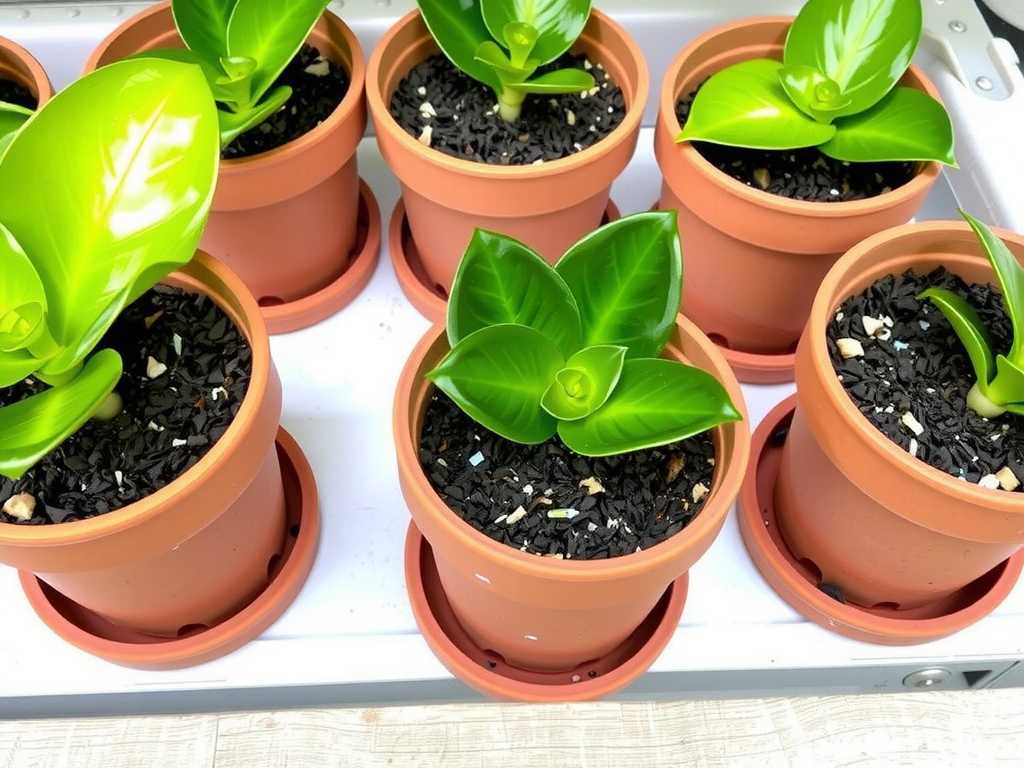
I selected a ceramic self-watering pot with a visible water level indicator. The inner pot had a deep wick and ample drainage holes. For soil, I bypassed standard potting mix. I created a well-draining yet moisture-retentive blend: 50% premium peat-free potting compost, 30% perlite, and 20% orchid bark. This mix ensures aeration while still holding onto moisture effectively.
The Transplanting Process
First, I gently removed my Calathea from its old nursery pot. I carefully loosened the root ball and rinsed away the old, dense soil. I then placed the fabric wick from the new pot so it would sit at the center of the roots. I filled the inner pot partway with my new mix, positioned the plant, and filled in around the sides. I gave it one thorough top-watering to settle the soil and initiate the wick. Finally, I filled the external reservoir only one-quarter full to start—a cautious approach I’m glad I took.
The Critical First 48 Hours
Day 1: The plant looked slightly shocked, which is normal after repotting. Leaves were less "prayery" in the evening. Day 2: I noticed the reservoir was already half empty. The plant and fresh soil were actively drawing up water. I refilled it to the one-quarter mark again. No top watering.
Week One Observations: The Adjustment Phase
Days 3-7: This was the monitoring phase. I checked the soil moisture daily by sticking my finger into the top inch. It felt cool and slightly damp, never wet. The reservoir needed a small top-up every 3-4 days. The most significant change? The new, unfurling leaf that had been stalled for weeks suddenly started growing rapidly. However, one older, lower leaf developed a small yellow patch. I panicked—was this overwatering already?
The Problem I Faced and How I Solved It
That yellow leaf was my first "pitfall." I immediately checked the reservoir; it was low. I felt the soil; it wasn't soggy. Upon closer inspection, I realized this was simply one older leaf sacrificing itself as the plant redirected energy to new growth and root establishment in its new environment. I snipped it off. The lesson? Not every sign of distress is about water. Context—like recent repotting—matters. I resisted the urge to change my system.
Week Two: Finding the Rhythm
Days 8-14: A rhythm emerged. The plant visibly relaxed. The leaves began praying vigorously every evening. The soil surface felt uniformly, perfectly moist. I established that with my room conditions (average humidity around 55%, indirect light), the reservoir needed a full refill every 5-6 days. The water level indicator became my best friend, allowing me to check at a glance without disturbing the plant. The care for Calathea Ornata in small pots became remarkably simple: monitor the gauge, refill weekly. The constant anxiety was gone.
Optimizing the Environment for Success
A self-watering pot handles soil moisture, but Calatheas need ambient humidity. I placed a small pebble tray filled with water near the pot. The evaporation provides a localized humidity boost without making the soil wet. I also keep it in bright, indirect light, away from drafts. This holistic approach—right pot, right soil, right spot—is what makes self-watering for moisture-loving plants truly work.
Long-Term Maintenance and Feeding
With consistent moisture, nutrient leaching can happen faster. I now use a diluted, balanced liquid fertilizer every 4-6 weeks during the growing season, adding it to the reservoir. In winter, I’ll reduce watering frequency by letting the reservoir run dry for a day or two before refilling, and I’ll stop fertilizing entirely.
Addressing Common Concerns
Will this cause root rot? Not if you use the correct, chunky soil mix. The self-watering system prevents waterlogging by design, as the soil soaks up only what it can hold. The issue of overwatering typically comes from dense soil that’s top-watered excessively.
How do I know when to refill? Trust the indicator. For pots without one, let the reservoir run completely dry for 24 hours before refilling. This mimics a natural dry-wet cycle at a very mild level and encourages healthy root growth.
Can I use this for all my plants? Absolutely, but it’s most transformative for moisture-sensitive varieties like Calatheas, Ferns, and Peace Lilies. Succulents and cacti would not be suitable candidates.
My two-week experiment turned into a permanent solution. The transition from daily finger-in-soil checks to a weekly glance at a water gauge has been liberating. My Calathea Ornata is now pushing out vibrant, perfectly striped new leaves with zero crispy edges. The key was respecting its needs through the right technology and the right soil. If you're battling with the hydration balance of your finicky foliage, a small self-watering pot, paired with a well-draining mix, might just be the precise moisture control system you've been searching for.
发表评论