 admin
admin How to Fertilize Calathea Ornata for Variegation: Avoid Overfeeding
I’ve been there—staring at my Calathea Ornata, willing those stunning pink stripes to become more vibrant, more pronounced. I’d heard that fertilizer was the key to unlocking that dreamy variegation. So, I fed it. And fed it a bit more. The result? Not the lush, painterly leaves I craved, but a sad plant with brown, crispy edges and a look of utter distress. I learned the hard way that with Calatheas, especially the ornate ‘Pinstripe’ variety, the path to spectacular variegation isn’t paved with more fertilizer; it’s a careful dance of providing just enough while vigilantly avoiding overfeeding. This guide is born from my own two-week experiment, my mistakes, and the simple, effective routine that finally brought out the best in my plant.
Understanding the Delicate Balance: Food vs. Foliage
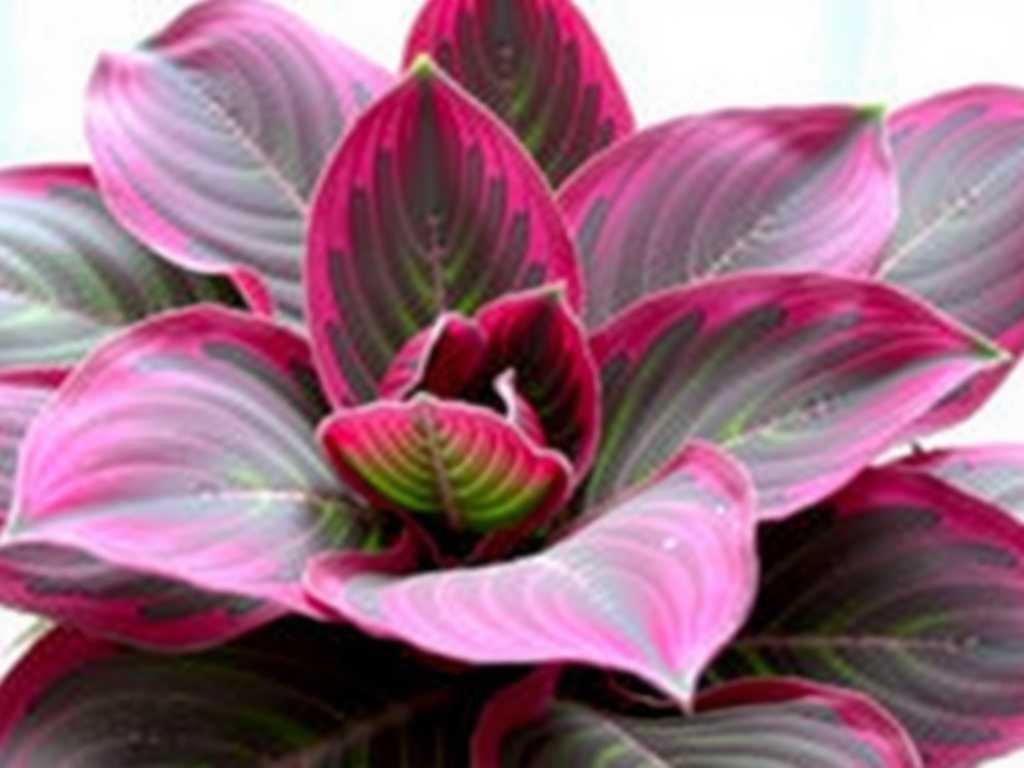
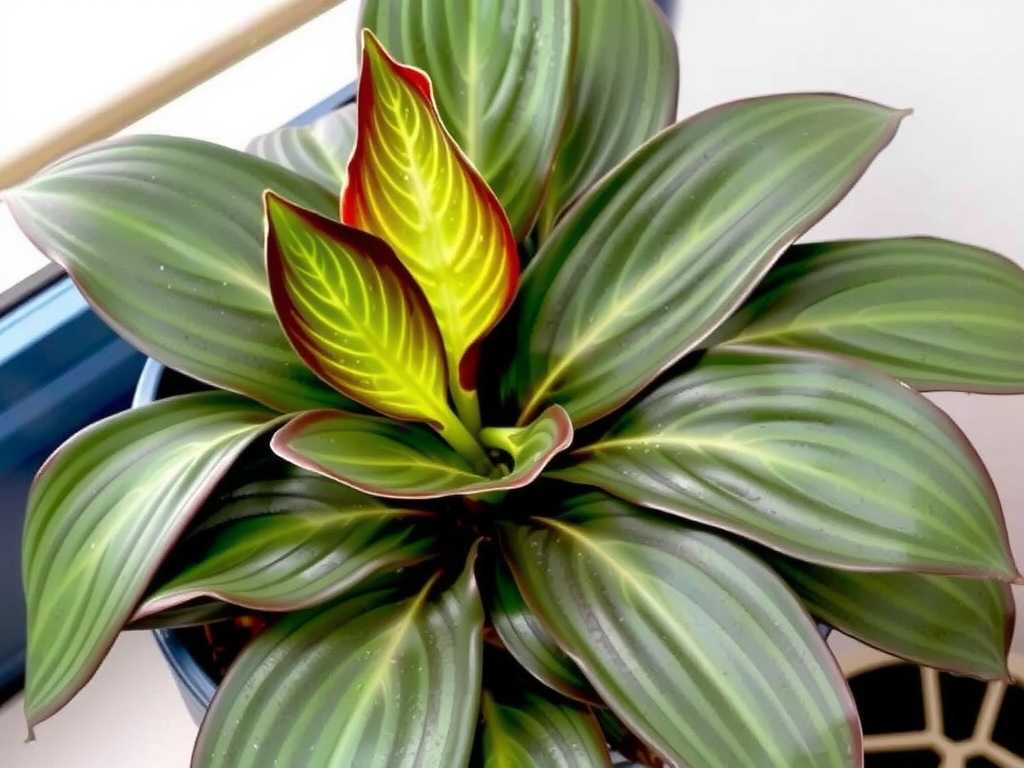
The Calathea Ornata is a masterpiece of subtlety. Its variegation isn’t like a high-contrast variegated Monstera; it’s a delicate blush of pink on deep green veins. This beauty is directly tied to its health. Overfeeding, or fertilizing incorrectly, doesn’t supercharge this process—it sabotages it.
When we over-fertilize, we cause a buildup of soluble salts in the soil. This creates a hostile environment for the roots, making it difficult for them to absorb water effectively, a condition often called fertilizer burn. The plant’s response is stress, and stressed plants do not put energy into maintaining beautiful variegation. Instead, they focus on survival, often resulting in those tell-tale brown leaf tips, yellowing leaves, and stunted growth. As the Royal Horticultural Society (RHS) notes, “over-fertilization is a common cause of leaf scorch,” and for a plant prized for its flawless foliage, this is a disaster.
My Two-Week Fertilization Experiment for Enhanced Variegation
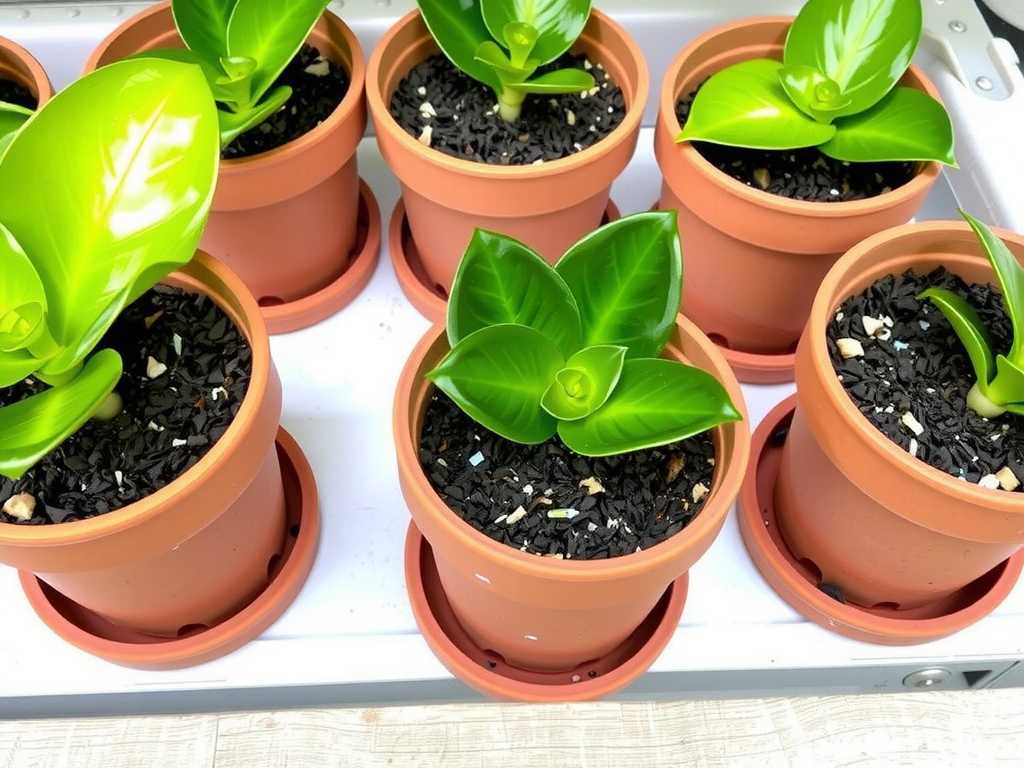
I decided to reset my approach. I repotted my struggling Ornata into a fresh, well-draining, peat-based mix to clear any existing salt buildup. My goal for the next two weeks was simple: provide gentle, consistent nutrition and observe.
Week 1: The Reset and First Application
My core philosophy shifted from “feeding” to “nourishing.” I chose a balanced, liquid fertilizer with an equal NPK ratio (like a 10-10-10), but here’s the crucial part: I diluted it to half the recommended strength. The American Horticultural Society (AHA) emphasizes that “less is often more” with houseplants, and for sensitive varieties, a diluted solution is always safer.
- Day 1: After ensuring the soil was lightly moist, I applied my half-strength fertilizer solution. I watered it through thoroughly until it drained from the bottom, ensuring even distribution and preventing any concentration in one spot.
- Days 2-4: I placed the plant in its ideal spot—bright, indirect light. Variegation needs light to express itself, but fertilizer provides the building blocks. I monitored the soil moisture closely, keeping it consistently lightly damp but never soggy.
- Days 5-7: No dramatic changes yet, but importantly, no new brown tips. The existing leaves maintained their color. I took this as a positive sign—the plant was no longer under chemical stress.
Week 2: Observation and Adjustment
- Days 8-10: I noticed the stems seemed slightly more upright. The deep green of the leaves appeared richer, providing a better canvas for the stripes. This was the first hint of improvement—better overall health.
- Day 14: Just as I was about to complete my observation, I spotted it: a new spear unfurling. As it slowly opened, the pink stripes on the new leaf were undeniably more vivid against the dark green than on the older, recovery-phase leaves. This was my proof. The gentle, consistent nourishment was supporting the plant’s energy to produce quality new growth with better expression of its variegation.
The Pitfalls I Encountered and How I Fixed Them
My journey wasn’t flawless. Early on, I made a critical error: I fertilized a thirsty plant. I applied the diluted solution to dry soil, which can shock the roots and lead to uneven absorption. The next day, the leaf edges looked dry. I immediately flushed the soil with copious amounts of plain, filtered water to dilute any potential salt accumulation in the dry pockets. This quick action prevented lasting damage.
Another mistake was ignoring the seasonal clock. I once fertilized in late autumn, and the plant, slowing its growth, showed immediate signs of distress. Now, I strictly follow a “growing season only” rule (spring and summer) and withhold fertilizer entirely in fall and winter. This respects the plant’s natural cycle, which is essential for long-term health.
Building Your Perfect Fertilization Routine
Based on my experience, here is a fail-safe routine to fertilize Calathea Ornata correctly and encourage its variegation.
- Choose the Right Fertilizer: Opt for a balanced, water-soluble fertilizer. Organic options like fish emulsion or seaweed extract are excellent as they are gentler and less likely to cause burn. I personally alternate between a diluted balanced chemical fertilizer and a weak seaweed solution for micronutrients.
- Dilute, Dilute, Dilute: Always dilute to half-strength. For Calathea Ornata, a quarter-strength can be even better if your plant is particularly sensitive or recently repotted.
- Apply to Moist Soil: Only fertilize when the top inch of soil is already moist. This prevents root shock and ensures even distribution.
- Follow the “Less is More” Schedule: During the active growing season (spring and summer), fertilize once per month at most. Some growers succeed with every other watering at a very weak dose. In fall and winter, stop fertilizing completely.
- Flush the Soil Quarterly: Every three months, take your plant to the sink and slowly run filtered water through the soil for a few minutes, allowing it to drain freely. This flushes out any accumulated salts, effectively preventing fertilizer burn in Calathea and keeping the root zone healthy.
Essential Support Factors for Maximum Variegation
Remember, fertilizer is just one piece of the puzzle. To truly make those pink stripes pop, you must perfect the entire environment.
- Light is Non-Negotiable: Bright, indirect light is the primary driver of variegation. Without sufficient light, the plant cannot utilize the nutrients you provide effectively, and the variegation will fade. A north or east-facing window is ideal.
- Water with Care: Use filtered, distilled, or rainwater. Calatheas are sensitive to chemicals and minerals in tap water, which can cause leaf spotting independent of your fertilization efforts.
- Humidity is Key: Maintain high humidity (above 60%). A humidifier or pebble tray helps the plant stay hydrated and lush, supporting the delicate new growth where variegation develops.
Common Questions from Fellow Plant Lovers
Can I use a high-nitrogen fertilizer to make my Calathea Ornata grow faster and more colorful? I strongly advise against it. High-nitrogen formulas promote rapid green leaf growth at the expense of the delicate variegation. It can make the leaves greener and duller, and significantly increase the risk of salt buildup and leaf burn. A balanced fertilizer supports all aspects of health, including the expression of its natural patterns.
My plant has brown tips even though I’m fertilizing at half-strength. What am I doing wrong? Brown tips are rarely about fertilizer alone. First, ensure you are using pure water. Second, check your humidity levels—low humidity is the most common culprit. Third, consider if you are fertilizing during the dormant season. If all else is perfect, try diluting your fertilizer to a quarter-strength or extending the time between feedings.
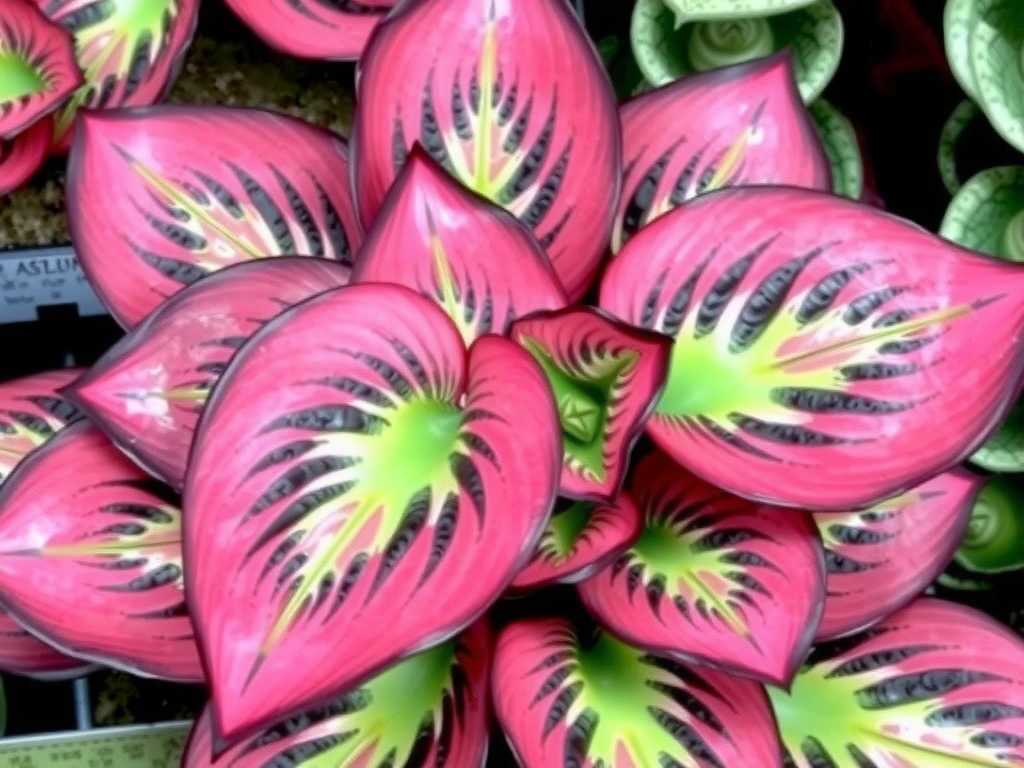
How do I know if I’ve overfed my plant, and how can I save it? Signs include a white crust on the soil surface, brown crispy leaf margins appearing suddenly, yellowing lower leaves, and stunted growth. To save it, stop fertilizing immediately. Flush the soil thoroughly with plenty of clean water to leach out the excess salts. You may need to repeat this. In severe cases, repotting into fresh soil is the best reset.
Achieving stunning variegation on your Calathea Ornata is a testament to patience and precision, not force. It’s about listening to the plant and providing consistent, gentle care. By embracing a “less is more” fertilization strategy, perfecting the light and humidity, and learning from every subtle cue your plant gives you, you’ll create an environment where those iconic pink stripes don’t just survive—they thrive. The reward is a calm, healthy plant that displays its natural artwork with pride.
发表评论