 admin
admin How to Care for Calathea Ornata in Large Pots with Drainage Holes: The Ultimate Guide to Root Health
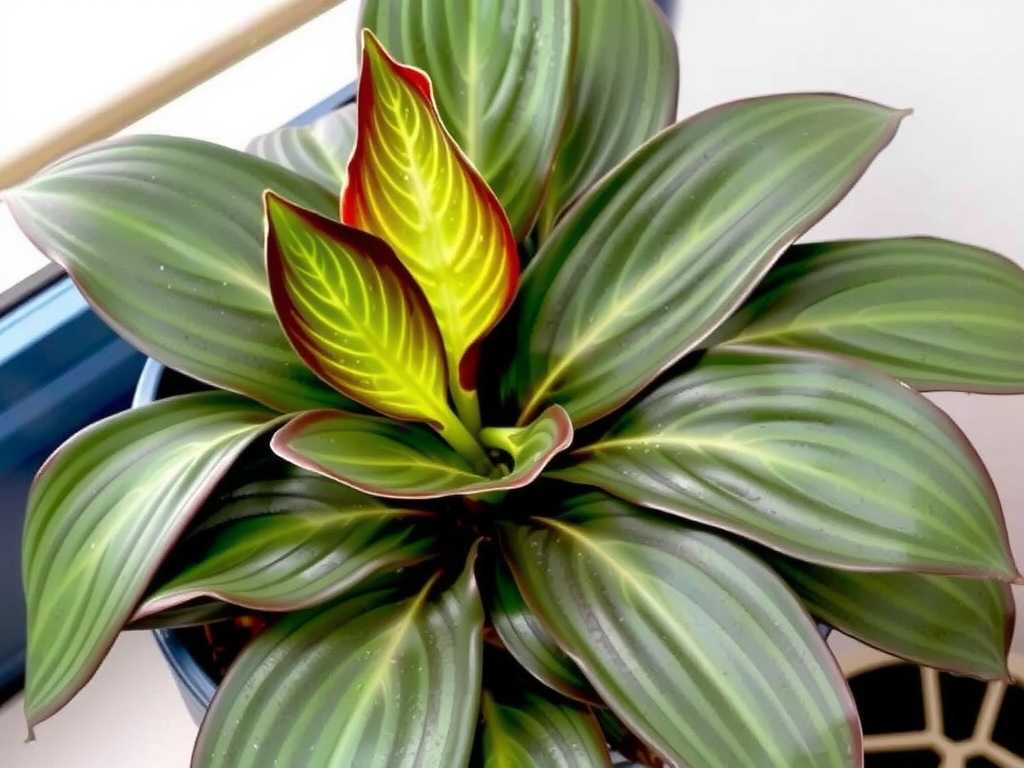
I’ve killed my fair share of Calathea Ornatas. There, I said it. The heartbreak of seeing those stunning pink-striped leaves crisp up, droop, or worse, succumb to root rot is a pain every plant enthusiast knows. The biggest culprit? Almost always, it’s what’s happening below the soil, especially when we try to give our plants a “forever home” in a large, beautiful pot. If you’re wondering how to care for Calathea Ornata in large pots with drainage holes while prioritizing root health, you’ve come to the right place. This isn’t just theory; this is a detailed account of my own two-week rescue mission, the mistakes I made, and the exact steps that led to a thriving, prayerful plant.
The core challenge is simple: a Calathea’s root system is relatively shallow and sensitive. Placing it in a pot that’s too large creates a dangerous imbalance. The excess soil holds water far beyond what the roots can access, creating a perpetually damp, cool environment that is a breeding ground for root rot pathogens. Good drainage holes are non-negotiable, but they aren’t a magic fix for an oversized pot. This guide will walk you through the symbiotic relationship between pot size, drainage, and the precise care routines needed to keep those roots healthy and white.
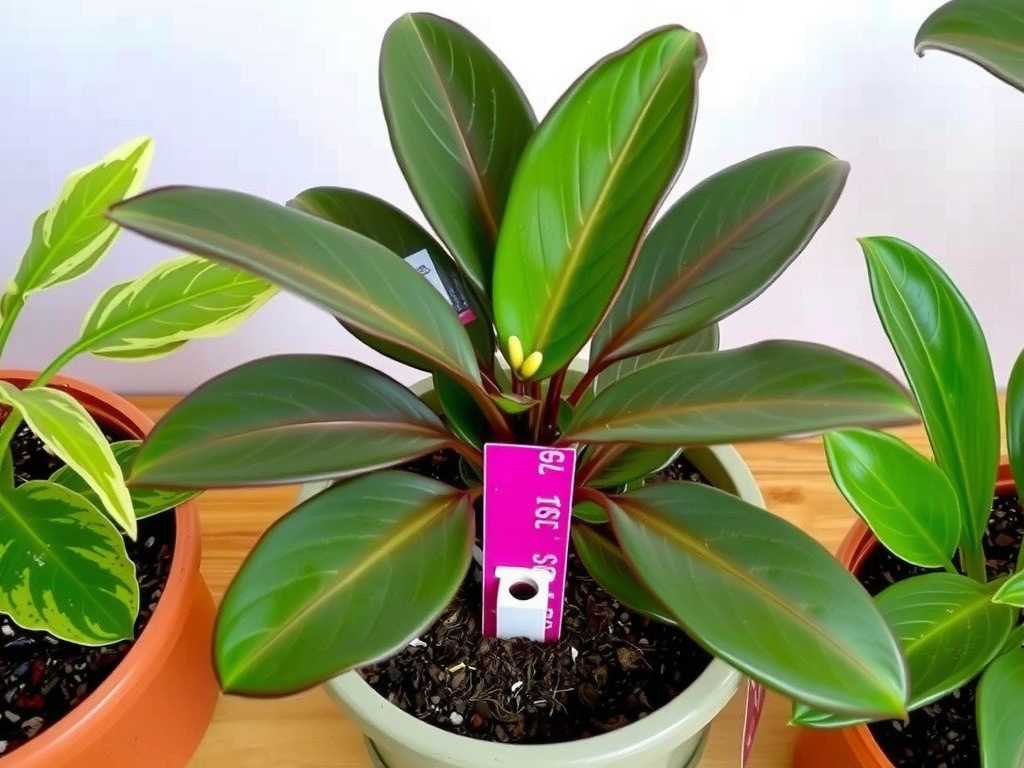
Why Root Health is Everything for Your Calathea Ornata
Think of the roots as the engine room of your plant. According to the Royal Horticultural Society (RHS), healthy roots are the foundation for water and nutrient uptake, anchoring, and overall plant vigor. When root health fails, the symptoms appear above ground: yellowing leaves, stunted growth, and a general appearance of decline. For Calathea Ornata, a plant notorious for its diva-like tendencies, compromised roots mean the end of its spectacular leaf movement and vibrant coloration. My own plant showed classic signs—slowed growth and a few lower leaves turning yellow despite my “perfect” watering schedule. I was following the rules, or so I thought.
The Critical Mistake: Choosing the Wrong Large Pot
My journey began with a diagnosis. My Calathea was in a 12-inch ceramic pot, which seemed reasonable for its bushy foliage. However, when I gently tipped it out, the root ball was only about 5 inches wide. This is a critical miscalculation. The American Horticultural Society (AHS) advises repotting into a container only 1-2 inches larger in diameter than the current root ball. My pot was more than twice the size, creating a massive volume of unused, water-retentive soil.
The first step was admitting the error. I needed a new pot. Here’s my exact selection criteria for a large pot with proper drainage that still supports root health:
- Diameter: I chose a pot only 8 inches in diameter, giving the roots just 1.5 inches of new growth space all around.
- Drainage Holes: Multiple, large holes at the bottom were mandatory. I avoided pots with single, small holes.
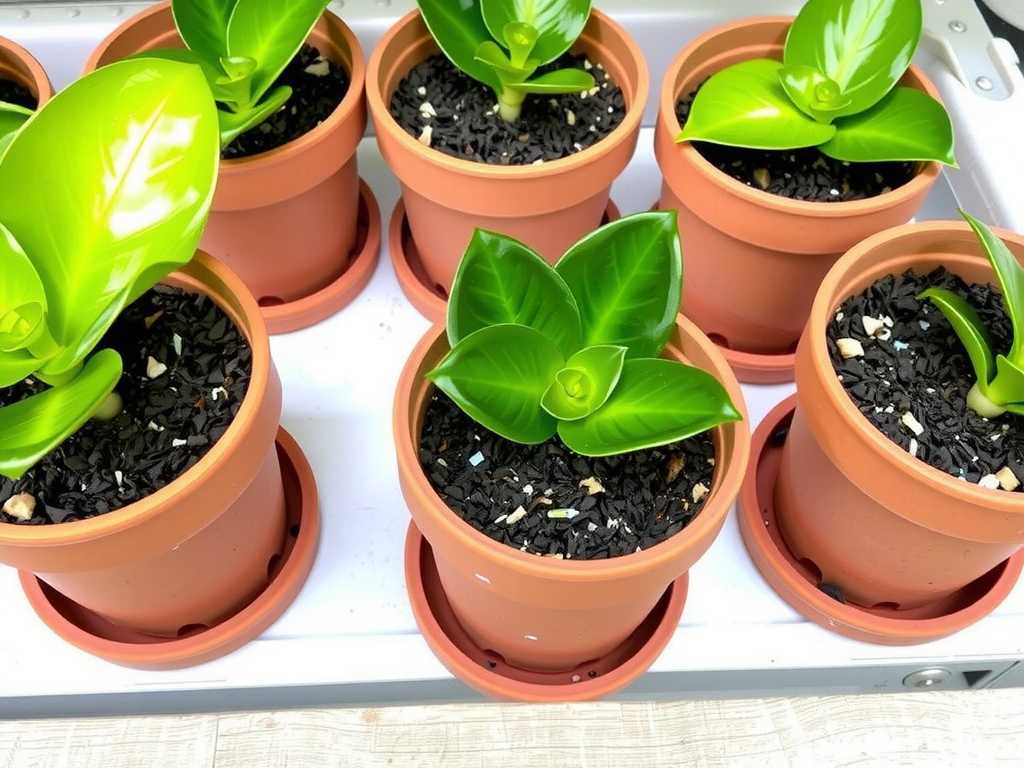
- Material: I opted for a porous terracotta pot. Terracotta “breathes,” allowing excess moisture to evaporate through the walls, which is a fantastic backup system to the drainage holes. This is a key tactic for maintaining healthy roots in large planters.
The Repotting Process: A Step-by-Step Rescue Mission
This is where the hands-on work begins. I gathered my materials: the new terracotta pot, a well-draining potting mix (I used a blend of 60% peat-free indoor plant soil, 30% orchid bark, and 10% perlite), and some horticultural charcoal.
Step 1: Preparing the New Pot I placed a few broken pottery shards over the drainage holes to prevent soil washout. Then, I added a 1.5-inch layer of my chunky potting mix at the bottom. This layer is crucial in a deep pot; it ensures water has a place to drain away from the primary root zone.
Step 2: Inspecting and Treating the Roots Gently removing the plant, I found the early stages of trouble. While not fully rotted, the outer roots were dark and slightly mushy, and the soil at the core was still soggy. I carefully teased apart the root ball and used sterilized scissors to trim away any clearly dead or mushy roots. I then lightly dusted the remaining healthy roots with the horticultural charcoal to act as a natural antifungal.
Step 3: Positioning and Filling I placed the root ball in the center of the new pot, ensuring the top of the root ball sat about an inch below the pot’s rim. Holding it steady, I backfilled around the sides with my pre-mixed soil, gently tapping the pot to settle it without compacting. The goal is airy soil that roots can easily grow into.
Step 4: The Initial Watering I gave it a thorough, deep watering until water freely ran out of the bottom drainage holes. This settled the soil around the roots and eliminated large air pockets. I let it drain completely in the sink before placing it on its saucer.
The Two-Week Observation Period: What Happened Next
This is where patience and observation become your best tools. I placed the repotted Calathea in its original spot with bright, indirect light and away from drafts.
- Days 1-3: The plant looked a little shocked—a bit droopy. This is normal after the stress of repotting and root disturbance. I resisted the urge to water again. The soil surface was still moist.
- Days 4-7: The drooping stabilized. I noticed the soil was drying much more evenly and predictably. With the smaller soil volume, I could actually feel the moisture difference an inch down. This was a huge win for preventing root rot in Calatheas.
- Days 8-14: New growth! A tiny, furled leaf that had been stalled for weeks began to unfurl. The existing leaves perked up significantly, and their nightly “praying” movement became more pronounced. The most telling sign? When I watered at the end of week two (only because the top inch of soil was dry), the water flowed through immediately, and the pot felt lighter within days. This indicated a healthy, aerated root environment.
Ongoing Care Adjustments for Optimal Root Health
Repotting is just the first step. Your care routine must adapt to the new environment.
Watering Wisdom: The old “once a week” rule is obsolete. I now water only when the top 1-2 inches of soil are dry to the touch. I use the “pot lift” method—learning the weight of the pot when dry versus wet. In my terracotta pot, this meant watering about every 10-12 days, a much healthier cycle for the roots than weekly saturation.
Humidity and Fertilizing: I maintained high humidity (above 60%) with a pebble tray. I withheld all fertilizer for the first 8 weeks post-repotting to avoid burning the sensitive, recovering roots. When I resumed, I used a diluted, balanced liquid fertilizer at half strength.
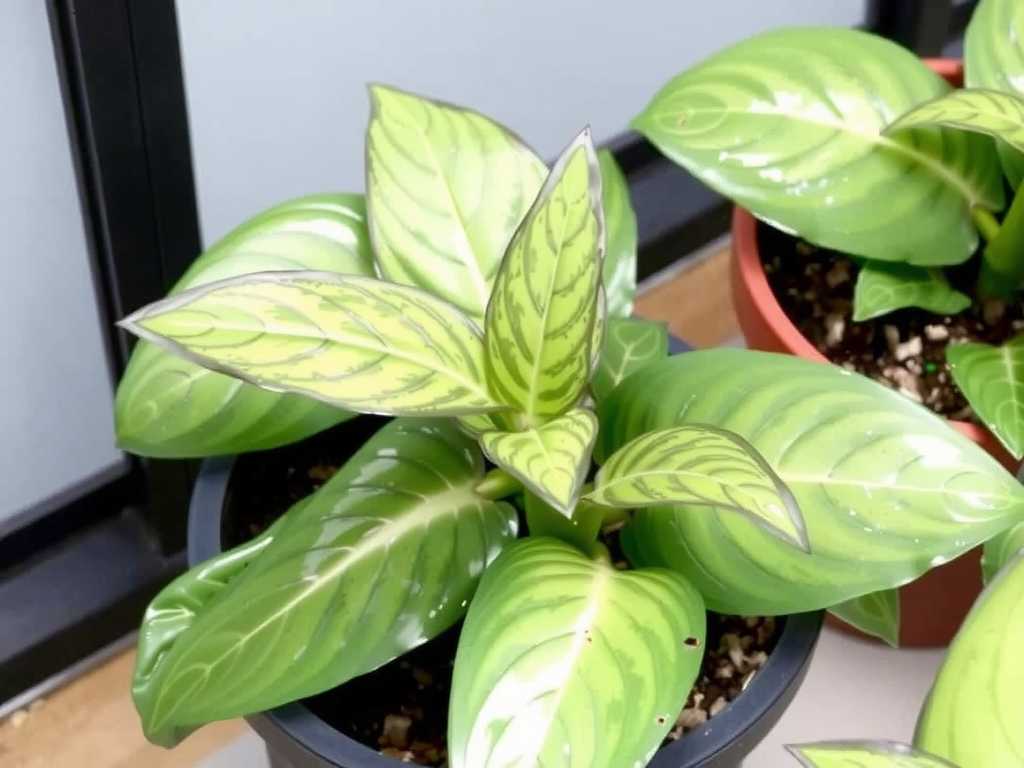
The Drainage Check: Every month, I do a quick check to ensure the drainage holes are not blocked by roots or debris. This simple habit is a cornerstone of long-term Calathea Ornata root care.
The Pitfalls I Encountered and How I Fixed Them
My process wasn’t flawless. About five days in, I noticed a few small fungus gnats. The moist top layer of fresh soil had attracted them. My solution was two-fold: I let the top layer dry out more between waterings, and I applied a thin top dressing of horticultural sand. This created a dry barrier that disrupted the gnats’ life cycle without harming the plant. It was a reminder that even with perfect drainage, surface moisture needs management.
Another lesson was in soil composition. My first mix wasn’t chunky enough. I found the water still pooled slightly. I carefully re-amended it with more orchid bark, which improved aeration dramatically. Don’t be afraid to adjust your mix; the roots will thank you.
How often should I water my Calathea Ornata in a large pot? Forget the calendar. The only reliable method is to check the soil moisture. Insert your finger into the top 1-2 inches. If it feels dry, water thoroughly until it runs from the drainage holes. If it’s still damp, wait. In a correctly sized “large” pot, this might be every 10-14 days, but it varies with light, temperature, and humidity.
Can I use a pot without drainage holes if I’m careful? I strongly advise against it. No amount of “careful” watering can replace the function of drainage holes. They are the primary escape route for excess water, which is the number one cause of fatal root rot. If you have a decorative cache pot without holes, use it as an outer sleeve and keep your Calathea in a standard nursery pot with holes inside it.
My Calathea’s leaves are curling and browning at the edges even though I repotted. What’s wrong? Leaf curling is often a sign of underwatering or low humidity, while browning edges typically point to low humidity, mineral buildup from tap water, or, sometimes, a residual effect of prior root stress. Ensure you’re watering deeply when the soil is dry, use distilled or rainwater, and boost humidity. The plant may still be recovering; give it consistent care and time to push out new, healthy growth.
Caring for a Calathea Ornata is a lesson in empathy and observation. By focusing on the unseen world of the roots—choosing a pot that fits rather than overwhelms, ensuring impeccable drainage, and adapting your watering to the plant’s actual needs—you create the foundation for a spectacularly healthy plant. My two-week experiment turned into a permanent change in my plant care philosophy. The vibrant, responsive Calathea on my shelf now is a testament to one simple truth: when you prioritize root health, everything else flourishes.
发表评论