 admin
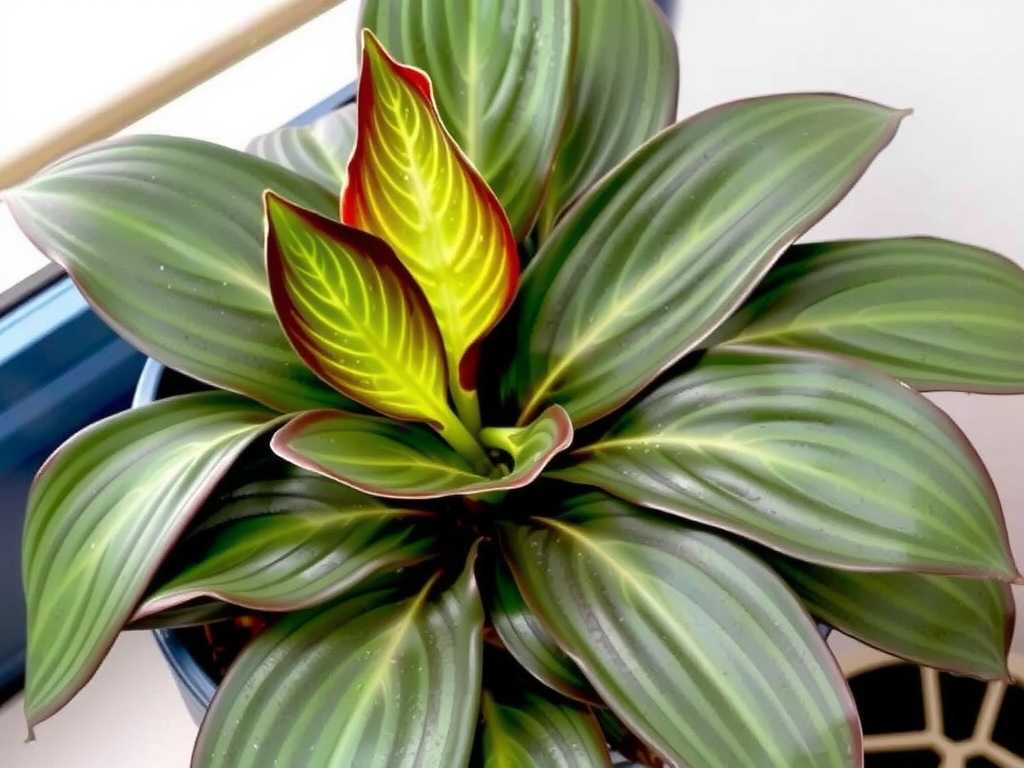
admin There’s nothing quite as disheartening for a plant lover like me than spotting those dreaded fuzzy white or grey patches on the stunning, painterly leaves of a Calathea Ornata. I’ve been there, staring at my prized plant, its beautiful pink-striped leaves marred by mold, feeling a mix of panic and determination. I knew harsh chemicals were out of the question for this sensitive beauty. After researching and experimenting, I found a surprisingly simple, safe, and effective solution hiding in my pantry: white vinegar. This guide is the detailed account of my two-week journey using vinegar to fix mold on my Calathea Ornata leaves, including the mistakes I made and how you can avoid them.
Understanding the Mold Problem on Calathea Leaves
Mold on houseplant soil and leaves, often appearing as a white, powdery substance, is typically a saprophytic fungus. It thrives in consistently moist conditions with poor air circulation. While it doesn’t usually directly attack the plant, it’s a glaring sign that your environment is too damp, which can lead to more serious issues like root rot. For Calathea Ornata, which prefers high humidity but not wet foliage, this balance is tricky. The Royal Horticultural Society (RHS) notes that improving air flow is a critical first step in managing fungal issues on indoor plants. My mold outbreak was a clear signal my care routine needed adjustment.
Why Vinegar is a Safe and Effective Cleaning Agent
Before reaching for commercial fungicides, I wanted a natural option. Distilled white vinegar, a mild acetic acid solution, is a well-known household antifungal. It alters the pH on the leaf surface, creating an environment where mold struggles to survive. Crucially, when properly diluted, it is gentle enough for delicate Calathea leaves without causing the chemical burns that stronger solutions might. It’s a method often echoed in holistic gardening communities for its safety and accessibility. The key, as I learned, is in the correct dilution and application.
My Step-by-Step Process: How to Fix Mold on Calathea Ornata Leaves with Vinegar
Here is the exact process I followed, refined after my initial missteps.
Gathering Your Supplies You don’t need much: distilled white vinegar, filtered or distilled water, a soft spray bottle, two soft microfiber cloths or cotton pads, and a bowl.
Preparing the Perfect Vinegar Solution This is where I made my first mistake. In my eagerness, I used a solution that was too strong. Through trial and error, I found the sweet spot. The safe cleaning ratio is 1 part vinegar to 3 parts water. For example, I mixed 1/4 cup of vinegar with 3/4 cup of water in my bowl. Always err on the side of more dilute, especially for sensitive plants.
The Gentle Cleaning Procedure
- Isolate the Plant: I moved my Calathea away from other plants to prevent any potential spread of spores.
- Dry Wipe: Gently, I used a dry microfiber cloth to wipe away as much of the loose, fuzzy mold as possible. This prevents smearing it around during the wet cleaning.
- Apply the Solution: I lightly misted one of the cloths with the vinegar solution—never spraying the plant directly. A direct spray can force moisture into the leaf crowns and stems, which is a recipe for rot.
- Wipe Each Leaf: With the damp cloth, I carefully wiped the top and bottom of each affected leaf. I paid extra attention to the areas where the leaf stem meets the main stem, a common trouble spot. I used a fresh section of the cloth for each leaf to avoid cross-contamination.
- Dry Thoroughly: This is the most critical step I overlooked initially. Using a second, dry microfiber cloth, I gently patted each leaf completely dry. Leaving moisture on the leaves defeats the entire purpose.
Addressing Mold on the Soil Surface The mold on the leaves often means it’s in the soil too. I carefully scraped off the top 1/2 inch of moldy soil and disposed of it. Then, I very lightly misted the exposed soil surface with the same vinegar solution (avoiding the plant itself) to discourage regrowth. I allowed the pot to dry noticeably before the next watering.
My Two-Week Observation and Adjustment Period
Cleaning was just the first battle. The real test was preventing its return. Here’s what I observed and adjusted over the next 14 days.
Week 1: Vigilance and Environmental Changes Immediately after cleaning, the leaves were spotless. I placed the plant in an area with better air circulation (but away from direct cold drafts). I resisted watering until the top inch of soil was dry. By day 3, I inspected and saw no new growth. I also reduced the frequency of my humidifier use, opting for a pebble tray instead to provide ambient humidity without wetting the leaves, a tip supported by many indoor plant authorities for maintaining plant health.
Week 2: Signs of Success and Root Health Check By the end of the second week, there was absolutely no sign of mold recurrence on the leaves or soil. The Calathea’s leaves remained pristine, and I noticed it even pushed out a new, healthy leaf—a sure sign the plant was no longer stressed. To be thorough, I checked for root rot by gently feeling the bottom of the root ball through the drainage hole. The roots were firm and white, confirming the issue was only superficial.
Common Pitfalls I Encountered and How to Solve Them
- Pitfall 1: Using Undiluted or Too-Strong Vinegar. My first mix was 1:1. Within hours, I noticed slight browning on the leaf edges. Solution: I immediately rinsed the leaves with plain water and pat them dry. I then stuck strictly to the 1:3 dilution for all future treatments with no further issues.
- Pitfall 2: Not Drying the Leaves Afterward. After my first cleaning, I left tiny water droplets in the leaf crevices. Two days later, I saw mold starting again in those exact spots. Solution: Meticulous drying with a soft, absorbent cloth is non-negotiable.
- Pitfall 3: Ignoring the Underlying Cause. Just cleaning won’t work long-term. Solution: I addressed the core issues: I adjusted my watering schedule to “soak and dry,” improved air flow with a small oscillating fan on low, and ensured the plant received bright, indirect light to strengthen its overall health.
Preventing Future Mold Outbreaks on Your Calathea
The best treatment is prevention. Now, I ensure my Calathea Ornata’s environment is inhospitable to mold. I water only when the topsoil is dry, use pots with excellent drainage, and maintain good air circulation around all my plants. I also clean the leaves with plain water every few weeks during regular dusting to keep them breathing freely. This proactive approach to safe cleaning and care has kept my plant thriving.
Frequently Asked Questions
Can I use apple cider vinegar instead of white vinegar? I don’t recommend it. Apple cider vinegar is organic and can contain sugars or residues that might actually feed microbial growth on the leaf surface. Distilled white vinegar is clear, pure, and more reliable for this purpose.
How often can I safely use the vinegar solution on my Calathea? Only as a treatment for an active mold problem. It is not a routine leaf cleaner. After the initial treatment, if mold reappears because the environment wasn’t fixed, re-clean. Once the mold is gone and care is corrected, you should not need to use it again. For regular cleaning, use plain water.
Will the vinegar smell linger on my plant? The mild acetic smell dissipates completely within an hour or two as the leaves dry. There is no permanent odor, and my Calathea showed no adverse reaction to the temporary scent.
Seeing mold on your Calathea Ornata can be alarming, but it’s a fixable problem. My experience proved that a simple, properly diluted vinegar solution is a remarkably effective and gentle remedy. The real victory came from combining that immediate treatment with long-term changes to my watering and airflow habits. For two weeks, I watched closely, corrected my mistakes, and was rewarded with a mold-free, healthier, and happier plant. Remember, the goal isn’t just to clean the leaves but to create an environment where mold simply can’t thrive. Your Calathea Ornata will thank you with its stunning, pristine foliage.
发表评论