 admin
admin How to Care for Calathea Ornata in Balconies with Sunlight: Shade Cloth Tips
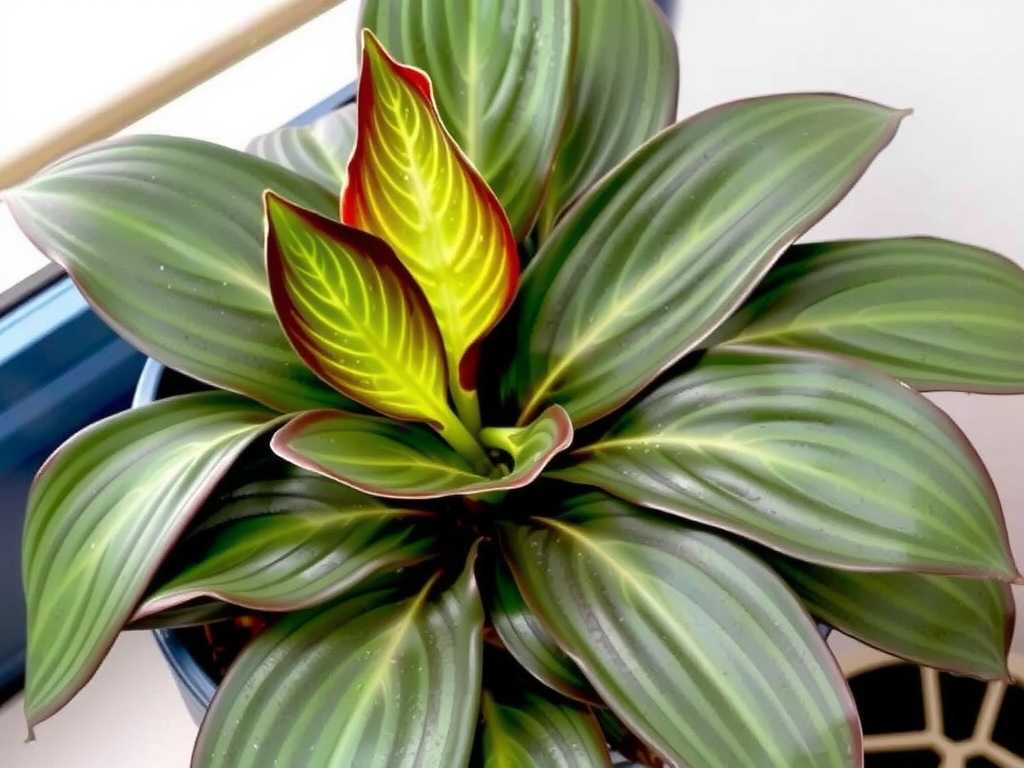
I love my Calathea Ornata, with its stunning pink-striped leaves, but I almost lost it when I moved it to my sunny balcony. Like many urban plant lovers, I thought more light equaled more growth. I was wrong. Direct sun, even for a short while, began to scorch its beautiful foliage, leaving pale, crispy patches. The challenge was clear: how could I enjoy my balcony garden without sacrificing my shade-loving prayer plant? The solution, after much trial and error, was mastering the use of a shade cloth. This guide is the result of my two-week experiment to create the perfect dappled light environment for my Calathea Ornata on a sun-drenched balcony.
Understanding Your Calathea Ornata’s Light Needs
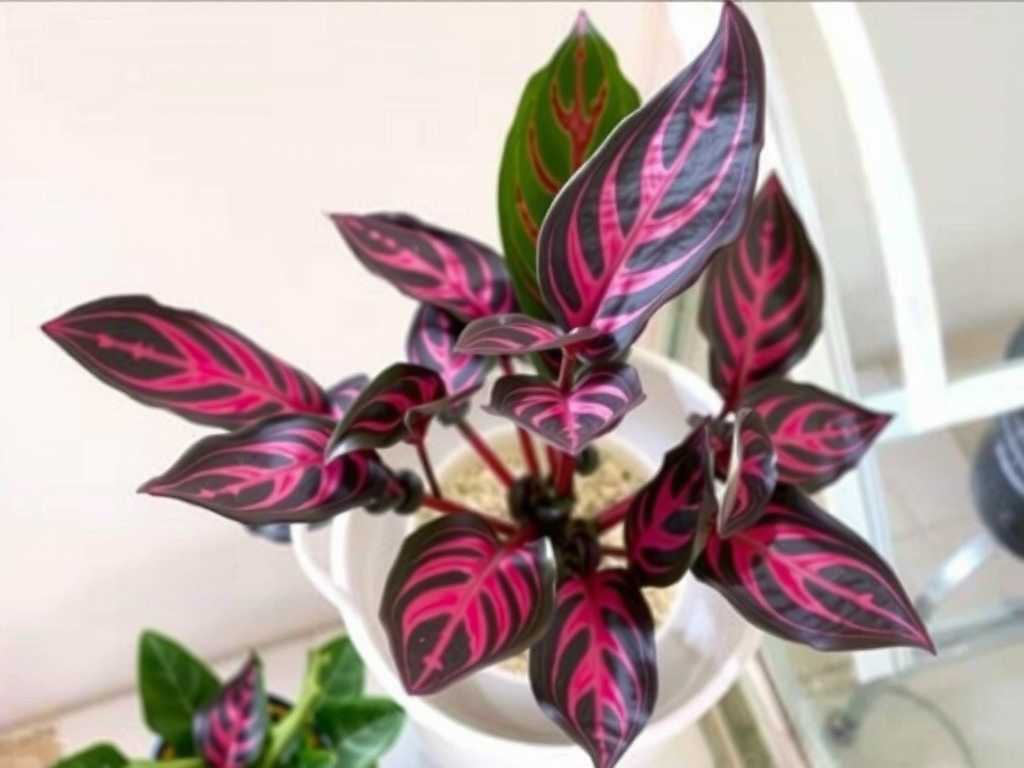
The Calathea Ornata is a rainforest understory plant. In its natural habitat, it thrives under the canopy of taller trees, receiving filtered, dappled sunlight—never direct rays. On a balcony, even morning sun can be too intense. The key is to replicate that gentle, filtered light. Experts from the Royal Horticultural Society (RHS) consistently classify Calatheas as plants requiring “bright indirect light” and stress that direct sunlight will cause leaf scorch. This isn’t just a preference; it’s a necessity for maintaining its vibrant coloration and health.
Why a Shade Cloth is the Ultimate Balcony Solution
I tried moving the plant around, using sheer curtains indoors, but I wanted it outside during the warmer months. A shade cloth became the obvious, professional-grade answer. Unlike fixed solutions, a shade cloth is versatile. It allows you to control the light intensity precisely, creating a large, protected zone for your shade-loving plants. The American Horticultural Society (AHA) notes that shade cloths are invaluable for “acclimating plants to new environments and protecting them from heat stress,” which perfectly describes our balcony dilemma.
My Step-by-Step Shade Cloth Setup and Two-Week Observation
Here’s exactly what I did, the problems I faced, and how the plant responded over 14 days.
Choosing the Right Shade Cloth Density
This was my first hurdle. Shade cloths come in percentages like 30%, 50%, 70%, indicating how much sunlight they block. For a Calathea Ornata on a typically bright balcony, I opted for a 50% density black knitted shade cloth. The knitted fabric is lighter and allows for better air circulation than woven ones. A 30% felt too weak for my south-east facing balcony, and 70% might have been overkill, risking too little light.
Installation: Simple Frame vs. Cable Ties
I have a small balcony, so building a large frame wasn’t ideal. My method was simple: I installed two sturdy hooks into the ceiling of my balcony overhang. I then threaded a wire through the grommets on the long sides of the shade cloth and suspended it like a canopy over the corner where my plant shelf sits. I used bungee cords to secure it tightly, preventing it from flapping in the wind. For a railing balcony, you can easily use zip ties to attach it directly to the railing, creating a vertical screen.
The Critical Adjustment Period
Immediately after installation, the area beneath felt noticeably cooler. I placed my Calathea Ornata on its stand under the center of the cloth. The light was transformed—bright but soft, with no harsh shadows. This was Day 1.
Week One Observations: Recovery and Acclimation
Days 1-3: I monitored closely for any signs of shock from the move. The existing scorch marks didn’t heal, but they stopped spreading. The soil stayed moist longer, as the shade cloth reduced evaporation. Days 4-7: Here, I hit a snag. We had a day of strong, gusty winds. The cloth billowed dramatically, and one corner came loose, whipping against my plant. A few leaves got minor physical damage (tears, not burns). My fix: I immediately added more secure fastenings and used extra clips to pull the cloth tauter. I also moved the plant slightly further from the edge of the covered area. By the end of Week 1, the plant showed no new stress. It seemed stable, and I noticed the newest leaf was beginning to unfurl.
Week Two Observations: Signs of Success
Days 8-10: The new leaf opened fully under the shade cloth. Its pink stripes were vividly pronounced, and the leaf was perfectly formed with no signs of curling or crisping at the edges. This was a major win. Days 11-14: The plant’s daily prayer movement (nyctinasty) became more pronounced. It would close its leaves upward in the evening and open them wide in the soft morning light under the cloth. This indicated it was happy and thriving in its new microclimate. The overall plant posture was perkier.
Complementary Care Under the Shade Cloth
A shade cloth changes more than just light. Your watering and humidity routine needs attention.
Watering Adjustments for a Cooler Microclimate
With reduced direct sun and heat, the soil takes longer to dry out. I fell into the trap of overwatering initially, sticking to my old schedule. I soon realized I needed to check the soil moisture with my finger more diligently. I extended my watering interval by about 2-3 days. The goal remained the same: keep the soil consistently moist but never soggy.
Maintaining Humidity Around Your Pinstripe Plant
Shade cloths don’t significantly increase humidity; they just reduce moisture loss. On hot, dry days, my balcony air was still parched. I used two methods: placing my Calathea on a large pebble tray filled with water and grouping it closely with other plants. The communal transpiration created a lovely humid pocket. Misting is a temporary fix, but for caring for Calathea in sunny spaces, consistent ambient humidity is key.
Troubleshooting Common Shade Cloth Issues
- Wind Flapping: As I experienced, secure installation is non-negotiable. Use bungee cords or tight wires and check tension regularly.
- Insufficient Light: If your plant’s growth becomes leggy or the vibrant pink stripes begin to fade, the cloth might be too dense. Either switch to a lower percentage (e.g., 30%) or ensure the plant is positioned closer to the edge where light is brighter.
- Heat Buildup: Ensure your cloth, especially if using a patio umbrella style, has space for hot air to escape at the top. Good air circulation prevents a stagnant, hot zone.
FAQ
Can I use a regular curtain or sheet instead of a shade cloth? You can temporarily, but it’s not ideal. Fabrics like bedsheets lack UV stabilization and will degrade quickly outdoors. They also often block too much light and can hinder air flow, potentially leading to mold or overheating. A proper shade cloth is designed for durability and optimal light diffusion.
How long should I keep the shade cloth up on my balcony? I keep mine up from late spring through early fall, when the sun’s angle is high and most intense. During the shorter, weaker sun days of late fall and winter, I often remove it to allow my Calathea to receive the maximum available (but still indirect) light.
Will a shade cloth protect my Calathea from cold temperatures? No. A shade cloth is for light and heat management, not insulation. It offers minimal protection against cold. When temperatures drop near or below 50°F (10°C), your Calathea Ornata must be brought indoors to protect it from cold damage.
Mastering the use of a shade cloth turned my sun-blasted balcony into a sanctuary for my Calathea Ornata. It’s a simple, cost-effective tool that provides professional-grade light control. The two-week transition proved its worth: the cessation of leaf scorch, the successful unfurling of a vibrant new leaf, and the overall improved vigor of the plant. By creating that perfect pocket of dappled light, mimicking its native understory, you’re not just protecting your plant—you’re allowing it to truly flourish. The journey from problem to solution reinforced that sometimes, the best thing we can do for our light-sensitive plants is to learn how to gracefully filter the sun.
发表评论