 admin
admin How to Water Calathea Ornata in Summer to Beat Heat: Cool Water Tips
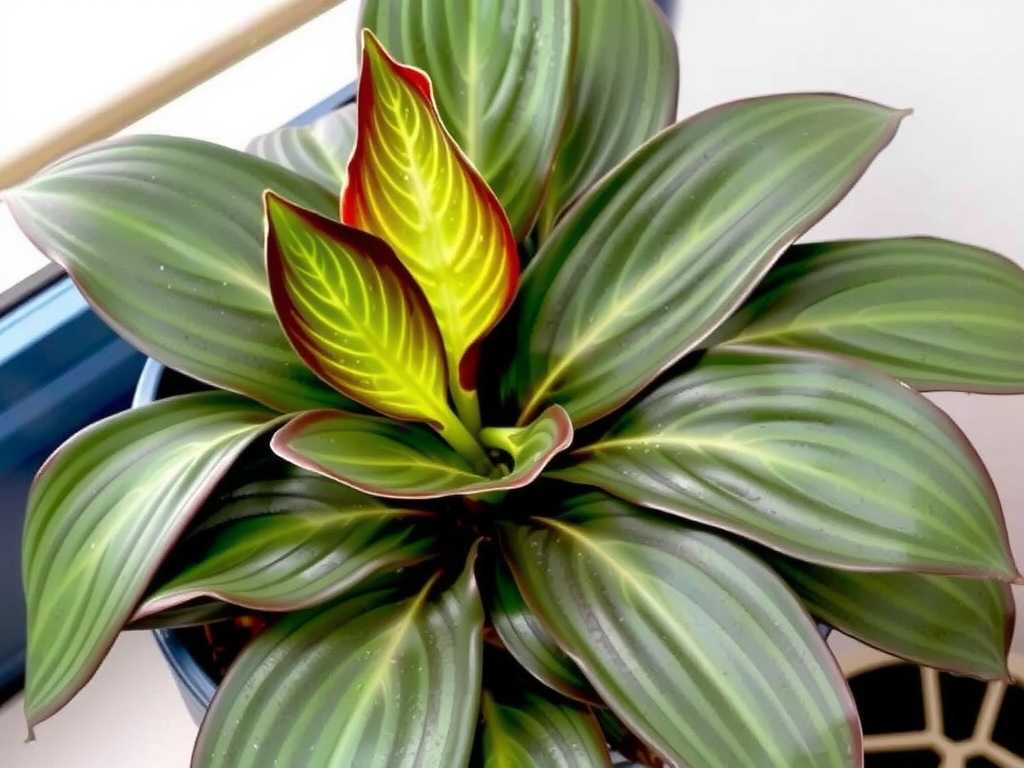
It’s the peak of summer, and my Calathea Ornata’s stunning pink-striped leaves are starting to look… sad. The edges are browning, a few leaves are curling inwards defensively, and despite my best intentions with regular watering, it seems to be protesting the heatwave. If you’re here, you’re likely facing the same heart-sinking sight. The common advice is to “keep the soil moist and provide humidity,” but when temperatures soar, that standard approach can backfire. Watering becomes a critical, high-stakes task. After nearly losing one of my favorite plants to what I now call “summer watering stress,” I dedicated myself to finding a solution. The key, I discovered, wasn’t just when or how much, but what temperature I was watering with. This guide is the result of my two-week experiment with using cool water to help my Calathea Ornata not just survive, but thrive in the summer heat.
Why Summer Heat is a Crisis for Your Calathea Ornata
Before we dive into the solution, let’s understand the problem. Calathea Ornata, like its prayer plant relatives, is a tropical understory plant. It evolved in warm, stable, and humid environments—not in the dry, fluctuating heat of our summer homes. When ambient temperatures rise above 80°F (27°C) consistently, several things happen:
- Increased Transpiration: The plant loses water faster through its leaves in an attempt to cool itself, much like we sweat.
- Root Stress: Soil in pots heats up quickly. Warm roots are stressed roots, and they become less efficient at absorbing water and nutrients, even if the soil is damp.
- Microbial Boom: Warm, moist soil is the perfect breeding ground for fungi and bacteria that can cause root rot, especially if the plant is already weakened.
This creates a vicious cycle: the plant needs more water, but its ability to take it up is compromised, and the environment you’re providing might be actively harming it. The Royal Horticultural Society (RHS) notes that water quality and temperature can significantly impact sensitive foliage plants, advising that tepid or cool water is often better received than cold water straight from the tap, which can shock roots.
The Cool Water Method: My Two-Week Rescue Protocol
This isn’t about using ice-cold water—that would send your plant into shock. It’s about using water that is slightly cooler than room temperature, aiming for a range between 65°F to 70°F (18°C to 21°C). Here’s the exact step-by-step process I followed.
Step 1: Assessing the Plant and Environment
My subject was a mature Calathea Ornata showing clear heat stress signs: two crispy leaves, general leaf curl, and soil that dried out suspiciously fast. I placed a simple thermometer/hygrometer next to it. The room averaged 84°F (29°C) during the day with humidity around 45%—too hot and too dry for its liking.
Step 2: Preparing the Perfect Cool Water
I stopped using water straight from the tap. Instead, I filled my watering can and let it sit out overnight. This did two crucial things: it allowed chlorine to evaporate (my city uses chlorinated water), and it brought the water to a stable room temperature. Then, I’d add just a splash of cool filtered water to bring the temperature down to that ideal 65-70°F range. I used a kitchen thermometer to check for the first few days until I got a feel for it.
The First Mistake I Made: On day three, impatient, I used water that was too cool—closer to 60°F (15°C). Within hours, my Calathea’s leaves drooped noticeably. I had chilled the roots. I corrected this by moving the plant to a slightly warmer spot (away from the AC vent) and ensuring my next watering was solidly in the tepid range. The lesson was clear: gradual cooling is good, sudden chills are not.
Step 3: The Adjusted Watering Technique
I abandoned my old “surface watering” habit. The goal is to hydrate the entire root ball with this cool water, encouraging deep root growth away from the hot pot edges. I used the bottom-watering technique:
- I placed the nursery pot (with drainage holes) inside a bowl or sink.
- I poured my prepared cool water into the bowl, about 1.5 inches deep.
- I let the plant sit for 20-30 minutes, allowing the soil to wick up moisture from the bottom.
- I then felt the topsoil. Once it was moist to the touch, I removed the pot, let it drain completely, and returned it to its decorative cache pot.
This method ensured even saturation and prevented the topsoil from being constantly wet, which deters fungus gnats—a common summer pest.
Step 4: Syncing with Humidity and Light
Watering is only half the battle. The American Horticultural Society’s (AHS) heat-zoning principles emphasize that plant stress is cumulative. To support my cool-watering, I:
- Grouped Plants: I clustered my Calathea with other humidity-loving plants to create a microclimate.
- Used a Pebble Tray: I placed the pot on a tray filled with water and pebbles (pot elevated above the water line).
- Moved it Back from the Window: I pulled it 3 feet back from a bright east-facing window to avoid any magnifying effect of the glass combined with intense morning sun.
The 14-Day Transformation: What I Observed
Days 1-4: The initial correction after my “cold shock” mistake. The plant stabilized. Leaf curling on one new shoot began to relax.
Days 5-10: This was the turning point. I noticed the soil stayed “appropriately moist” for longer. Before, it would be bone dry in 2 days; now, it had a consistent, cool dampness for 3-4 days. The most exciting sign: a new leaf, which had been stalled for weeks, began to unfurl smoothly and without any crispy edges.
Days 11-14: The overall posture of the plant improved. Leaves looked more supple and held themselves higher. The existing brown edges didn’t heal (they never do), but no new browning appeared. The plant simply looked… happier and less stressed.
Key Takeaways and Fine-Tuning for Your Home
My experiment confirmed that watering Calathea in hot weather requires a nuanced approach. The cool water acted as a gentle root coolant, mitigating the soil heat stress. Combining this with bottom-watering ensured the roots got the moisture they needed without upsetting the soil ecosystem.
For ongoing summer care for prayer plants, I now stick to this routine:
- Check, Don’t Schedule: I check soil moisture every 2-3 days by sticking my finger an inch deep. I water only when it feels just dry.
- Water Temperature is Non-Negotiable: I always use my prepared, slightly cool water.
- Humidity is a Partner: The pebble tray and grouping are permanent summer fixtures.
My Calathea’s leaves are still curling even with cool water. What now? Leaf curl is primarily a moisture issue—but not always in the soil. It’s likely an atmospheric humidity problem. Increase humidity immediately via grouping, a pebble tray, or a humidifier. Also, double-check for drafts from air conditioners or fans, as the direct, dry airflow can cause curling as a defense against moisture loss.
Can I use melted or refrigerated water for an even cooler effect? I strongly advise against it. Water that is too cold (below 60°F/15°C) risks shocking the tropical root system, potentially putting the plant into dormancy or causing cell damage. The goal is “cool and refreshing,” not “cold and shocking.” Tepid to slightly cool is the safe and effective zone.
How do I know if I’m overwatering with this method? The risk of overwatering is lower with bottom-watering, as the plant takes only what it needs. However, the classic signs still apply: persistently wet topsoil days after watering, a musty smell from the soil, yellowing lower leaves, and black, mushy stems. Always let the plant drain thoroughly and empty the cache pot of any excess water. Your best tool is your finger—check the soil moisture before deciding to water again.
Seeing your Calathea Ornata struggle in the heat can make any plant lover feel helpless. The journey from crispy leaves to vibrant new growth taught me that sometimes, the smallest adjustment—like the temperature of the water we take for granted—can make the biggest difference. It’s about working with the plant’s natural needs, not against them. By providing slightly cool water, you’re offering more than hydration; you’re offering relief. Give these methods a consistent try for a few weeks, observe your plant’s responses closely, and you’ll likely find your striped beauty settling into the summer with far more grace and resilience.
发表评论