 admin
admin How to Water Calathea Ornata While on Vacation: Self-Watering Kits
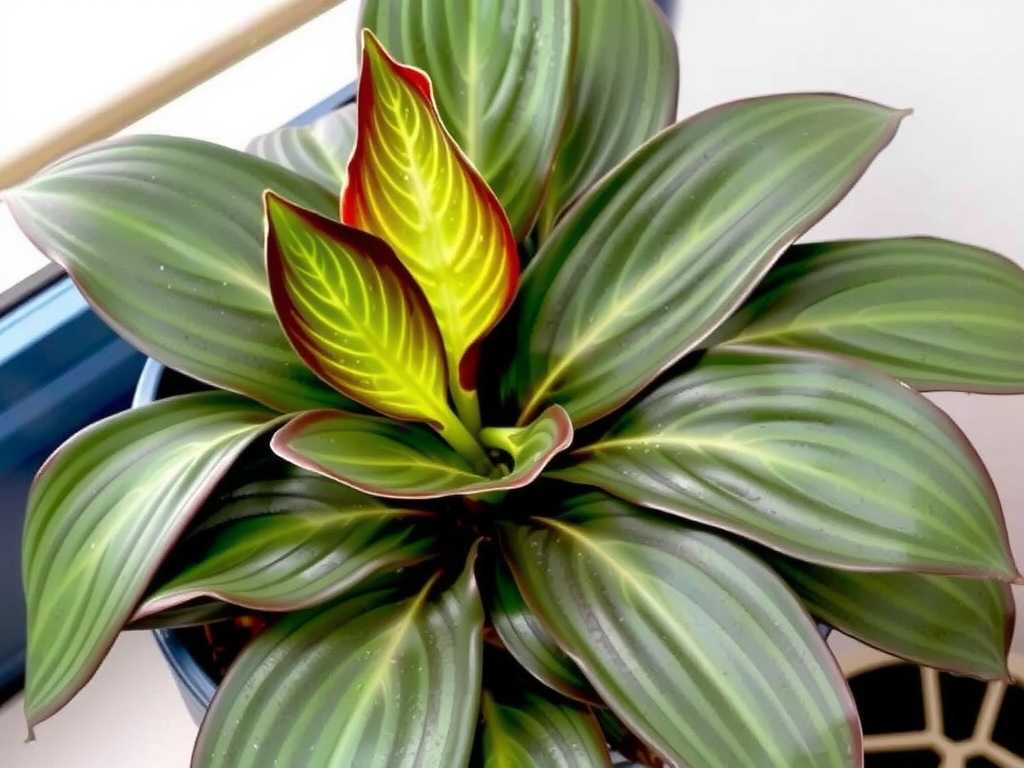
You’ve spent months nurturing your Calathea ornata, that stunning beauty with its painterly pink stripes, only to face the ultimate plant parent dilemma: an upcoming vacation. The thought of returning to a crispy, drooping, or—worse—soggy and rotten plant is enough to spike your anxiety. I know this fear intimately. As a dedicated plant enthusiast, I’ve lost a beloved ornata to improper watering during a trip before. That’s why I decided to put self-watering kits to the ultimate test. This guide is the result of my hands-on, two-week experiment to find a reliable solution for how to water Calathea ornata while on vacation.
Understanding the Calathea Ornata’s Needs
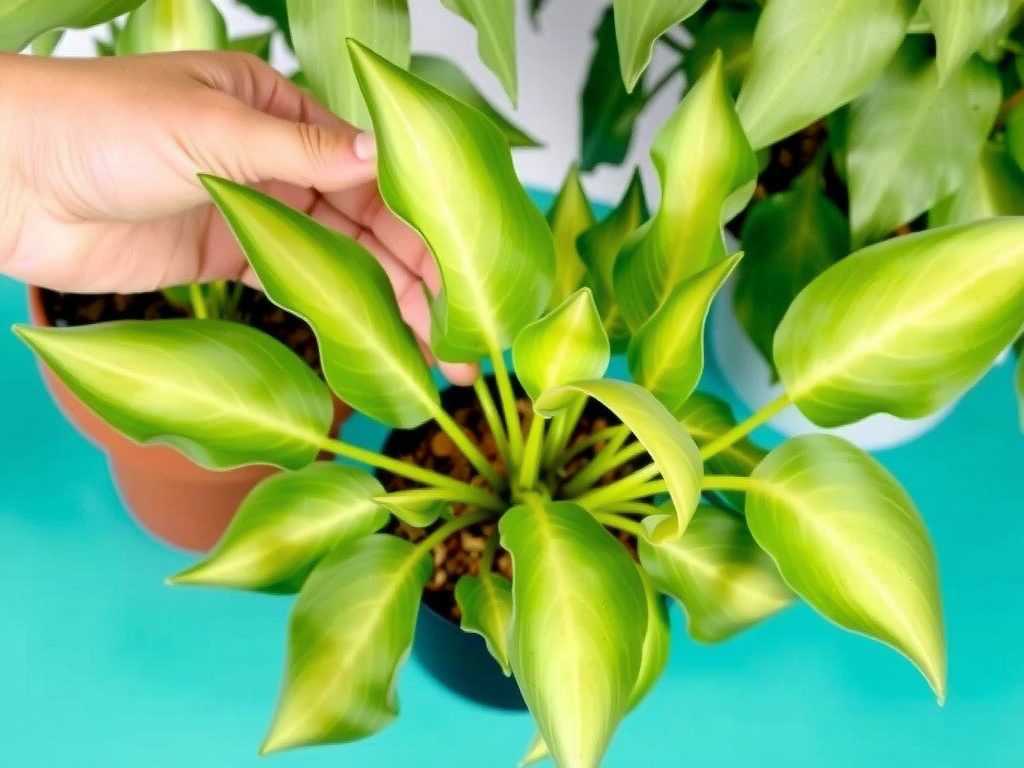
Before diving into solutions, it’s crucial to understand what we’re working with. The Calathea ornata, or pinstripe plant, is notoriously finicky about its moisture. It prefers consistently moist soil—never waterlogged, never bone dry. According to the Royal Horticultural Society (RHS), plants in the Marantaceae family, like Calatheas, thrive in high humidity and require careful watering to avoid root rot while preventing drought stress. This balance is tricky to maintain for a day, let alone a week or more.
Why Traditional Methods Often Fail
Leaving your plant in a bathtub with a little water might work for some hardy varieties, but for a moisture-sensitive Calathea, it’s a gamble. Over-soaking can lead to root rot, while a simple pebble tray evaporates too quickly. I needed a system that could deliver water gradually, on demand, mimicking the consistent moisture these plants crave.
My Two-Week Self-Watering Kit Experiment
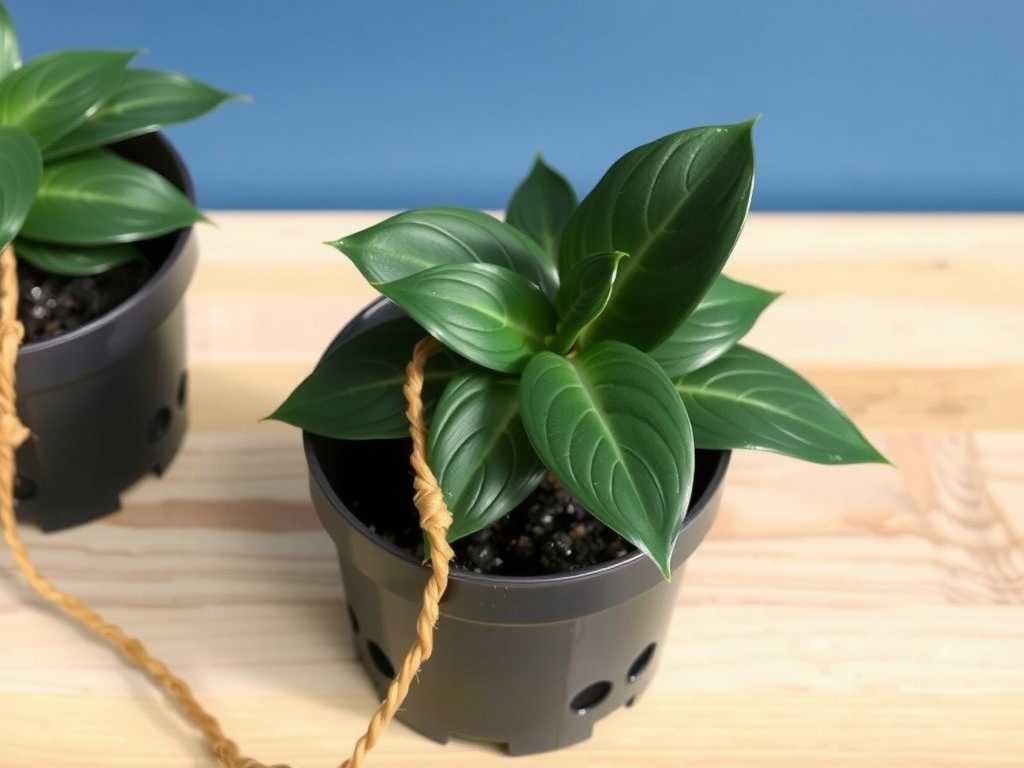
I chose a popular capillary action self-watering kit available online. It consisted of a water reservoir, a length of hollow cotton rope (a wick), and a moisture sensor probe. The principle is simple: the wick draws water from the reservoir into the soil based on capillary action and the soil’s dryness. I set up the system two weeks before my simulated “vacation” to monitor and adjust.
Week 1: Setup and Calibration
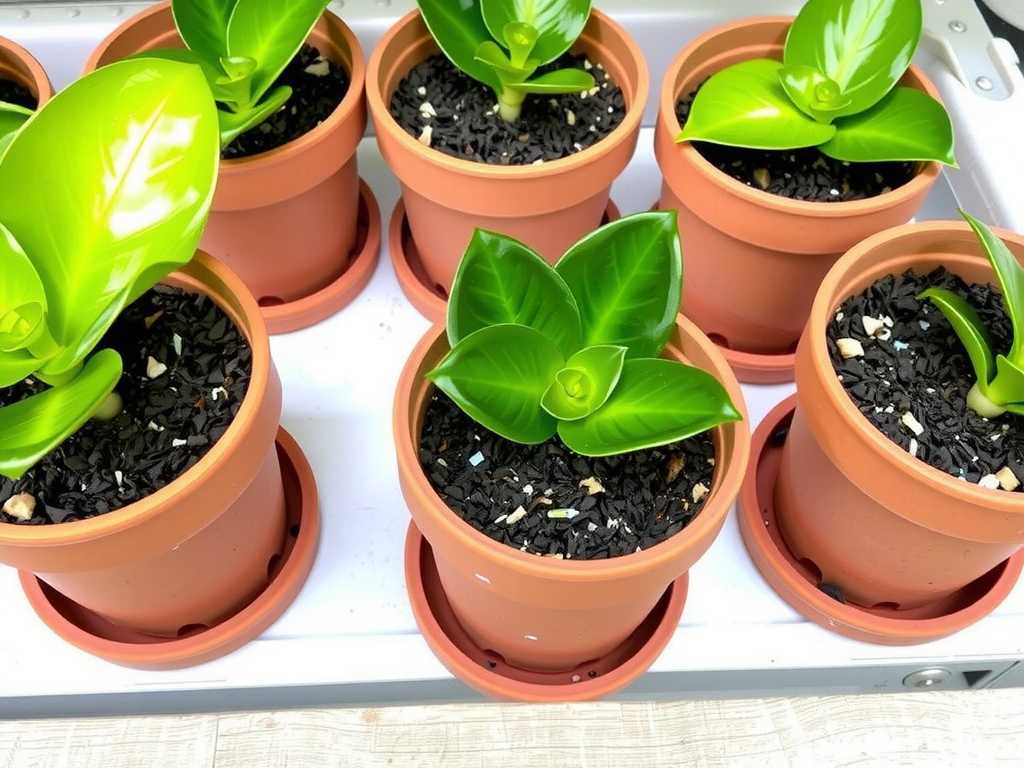
The first step was repotting my Calathea ornata into a plastic nursery pot with ample drainage holes, which is essential for any self-watering method. I threaded the cotton wick through the bottom hole, letting a few inches sit coiled at the bottom of the pot before adding fresh, well-draining aroid mix. The rest of the wick trailed into a 1-liter glass jar acting as my reservoir.
Initial Challenge Encountered: The wick wasn’t drawing water effectively. The soil remained dry after 24 hours. I realized the wick needed to be “primed”—thoroughly soaked in water before insertion to start the capillary process. After re-wetting the wick and ensuring it made solid contact with both the reservoir water and the soil, the system began working.
I placed the plant and reservoir in its usual spot with bright, indirect light. Using the moisture probe, I checked the soil moisture at root level daily. The goal was to keep it in the “moist” range, not “wet.”
Week 2: Observation and Trust-Building
By the second week, the system had found its rhythm. I refilled the reservoir once, after about 10 days. The soil moisture remained remarkably stable. The plant showed zero signs of stress—no drooping, no curling leaves, and certainly no browning edges. The new leaf that was unfurling when I started continued to open perfectly.
A key observation was the role of environment. My home’s humidity was around 50%, and the temperature was stable. The American Horticultural Society (AHS) notes that evaporation rates increase with temperature and low humidity, affecting watering frequency. In a hotter, drier room, the reservoir might empty faster. This is a critical factor for vacation planning.
The “Aha” Moment and Fix: Halfway through the test, I noticed the reservoir was emptying quickly, but the soil felt cool and moist. I discovered the wick was acting like a superhighway, potentially over-saturating one area. I gently shifted the wick’s position in the soil to distribute moisture more evenly and slightly raised the reservoir so it wasn’t directly below the pot, slowing the water flow. This immediately corrected the issue.
Step-by-Step Guide to Using Your Self-Watering Kit
Based on my trial, here is a foolproof process:
- Prepare Your Plant: A week before leaving, give your Calathea a thorough, deep watering as you normally would. This ensures it starts fully hydrated.
- Choose and Set Up the Kit: Select a kit with a cotton or felt wick. Soak the wick in water for 15 minutes. Repot your plant (if needed) or carefully insert the primed wick deep into the root ball from the top, using a chopstick to guide it. Place the other end in a clean, filled reservoir.
- Test Extensively: Do not leave on vacation the day you set it up! Run the system for at least 5-7 days. Monitor soil moisture daily with your finger or a probe. Adjust the wick placement or reservoir height until moisture remains consistent.
- Optimize the Environment: Move your plant away from direct sunlight or heating/cooling vents to reduce water consumption. Grouping plants together can create a beneficial micro-humid climate.
- Final Check: The day before leaving, top up the reservoir. Ensure the wick contact is secure. Take a deep breath and go enjoy your trip.
Beyond the Wick: Other Reliable Methods for Longer Trips
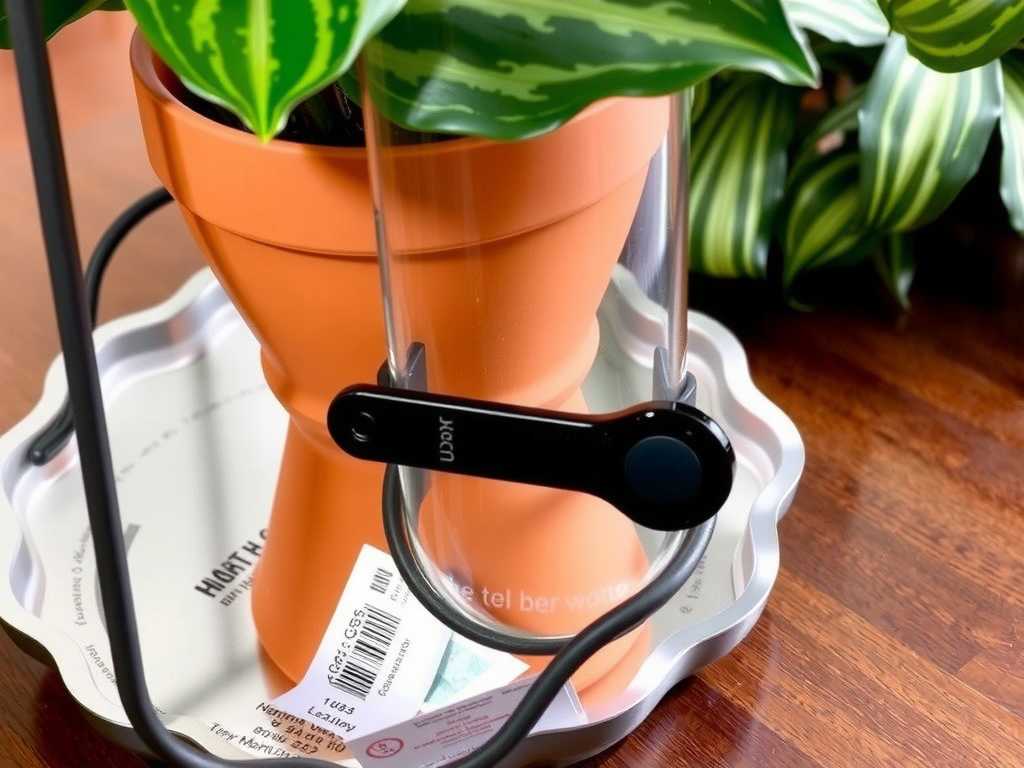
For vacations longer than two weeks, consider these effective solutions for keeping Calathea ornata hydrated:
- Self-Watering Planters: These are pots with a built-in water reservoir at the bottom. The plant draws water upwards through the soil via capillary action. They offer a more integrated and often more aesthetically pleasing automatic watering solution for houseplants. My test confirmed they are excellent for maintaining consistent moisture.
- DIY Plastic Bag Greenhouse: For a short trip (up to 10 days), you can water your plant normally, let it drain, and then place a clear plastic bag over it, supported by stakes to avoid leaf contact. This creates a high-humidity dome that drastically reduces water loss. Important: Keep the bagged plant completely out of direct sun to avoid cooking it.
What is the best way to keep Calathea moist during travel? The most reliable method I’ve found is a capillary wick system paired with a large reservoir. It directly addresses the plant’s need for consistent moisture without active intervention. Placing the plant in a naturally humid room like a bathroom (with a window) can also provide a supportive environment.
Can I use a self-watering spike or globe for my Calathea? I generally advise against simple watering spikes or globes that release water based on vacuum pressure. They are difficult to calibrate and often release water too quickly or not at all, leading to uneven soil moisture. For Calatheas, the controlled, slow draw of a wick system is far superior.
How long can a Calathea ornata safely be left with a self-watering kit? This depends on your plant’s size, pot size, environmental conditions, and reservoir capacity. A well-tested system with a large reservoir (1-2 liters) can easily sustain a medium-sized Calathea for 2-3 weeks. My two-week experiment showed the plant was perfectly healthy and could have gone longer. The key is the pre-vacation testing period.
Leaving your Calathea ornata doesn’t have to end in heartbreak. With a bit of preparation and the right self-watering kit, you can maintain that perfect soil moisture balance it loves. The peace of mind that comes from knowing your plant is cared for is priceless. Start your test run today, tweak the system to your specific environment, and you’ll be ready for your next adventure, confident that your pinstriped friend will be just as vibrant when you return.
发表评论