 admin
admin How to Fix Root Bound Issues in Calathea Ornata: Repot Guide
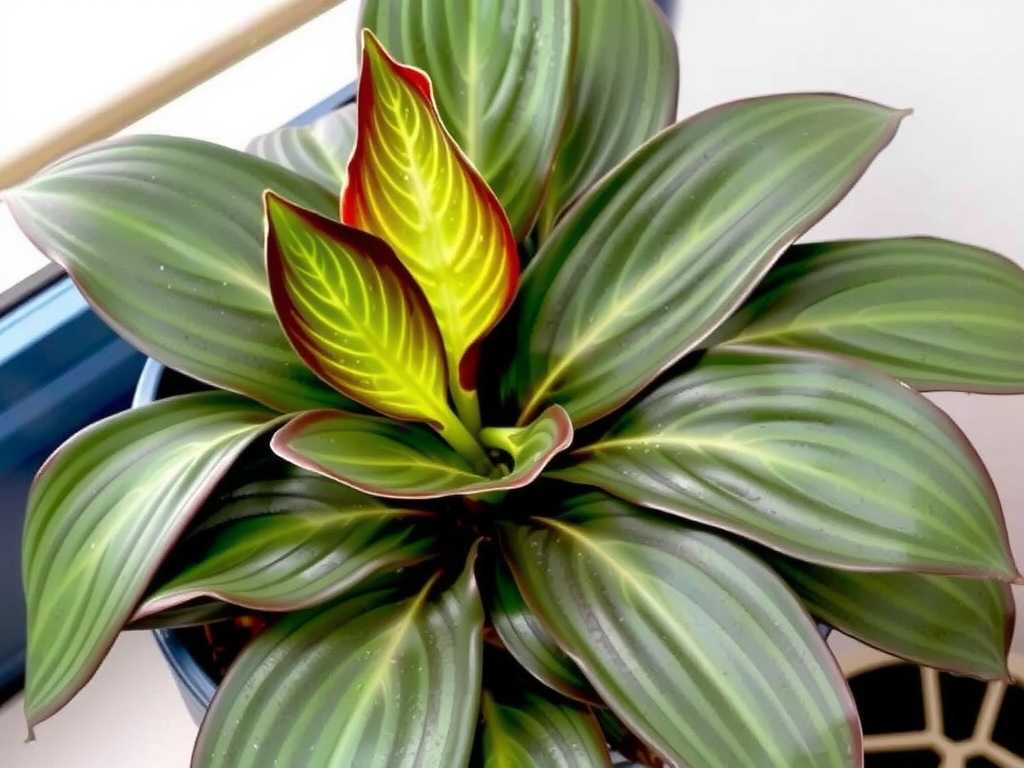
I’ll admit it—I almost lost my favorite Calathea Ornata, the one with those stunning pink-striped leaves, to a simple but sneaky problem: being root bound. For weeks, I watched it struggle. Its growth stalled, the leaves started curling at the edges despite perfect humidity, and watering became a nightmare—water would either pool on top or rush straight through the drainage hole. The vibrant leaves lost their luster. If you’re seeing similar signs in your prayer plant, you’re likely dealing with the same root bound issues in Calathea Ornata. This comprehensive repotting guide is born from my hands-on experience, including the mistakes I made and the solutions that brought my plant back to life over a critical two-week observation period.
Understanding the root bound condition is crucial. It’s not just about roots circling; it’s a state of severe stress where the root mass completely fills the pot, leaving no room for soil, nutrients, or efficient water absorption. According to the Royal Horticultural Society (RHS), a root-bound plant’s roots can become so dense they actually repel water, creating a paradox where the plant is sitting in a dry pocket while you think you’re watering it adequately. My Calathea was a textbook case.
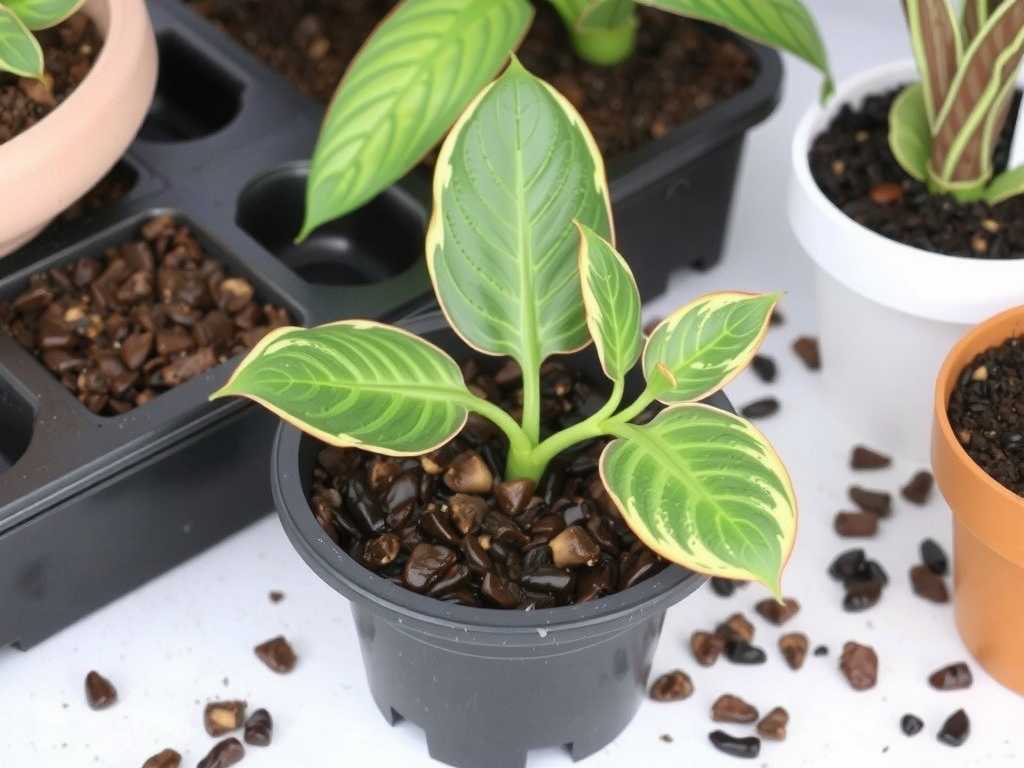
Recognizing the Signs: Is Your Calathea Ornata Crying for Help?
Don’t wait for severe distress. Catching the signs early makes the recovery process much smoother. Here’s what I observed in my plant:
The most obvious sign was stunted growth in Calathea Ornata. For months, no new leaves unfurled from its center. The plant seemed frozen in time. Next came the watering problems with bound roots. I’d water thoroughly, but within minutes, moisture would seep out of the drainage holes. The soil surface felt dry an inch down, yet the plant showed signs of thirst. This aligns with the American Horticultural Society’s (AHA) notes on root congestion preventing proper soil moisture distribution.
Other red flags included roots visibly growing out of the drainage holes and even pushing the plant upwards, making it unstable in its pot. The leaves, usually responsive and moving in their daily prayer ritual, became lethargic. Their edges browned and curled, a sign often mistaken for low humidity but in this case, was directly linked to the roots’ inability to uptake water effectively.
Gathering Your Repotting Arsenal: Doing It Right the First Time
Preparation is everything. Rushing this process can shock an already stressed plant. Here’s what you’ll need, based on my trial and error:
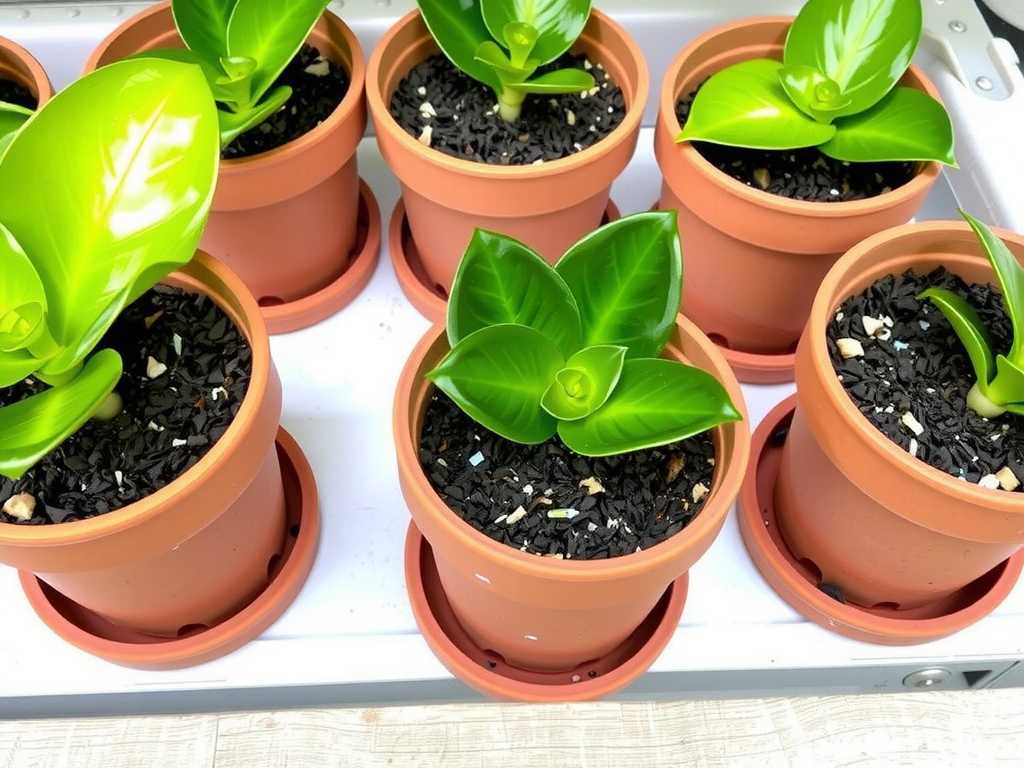
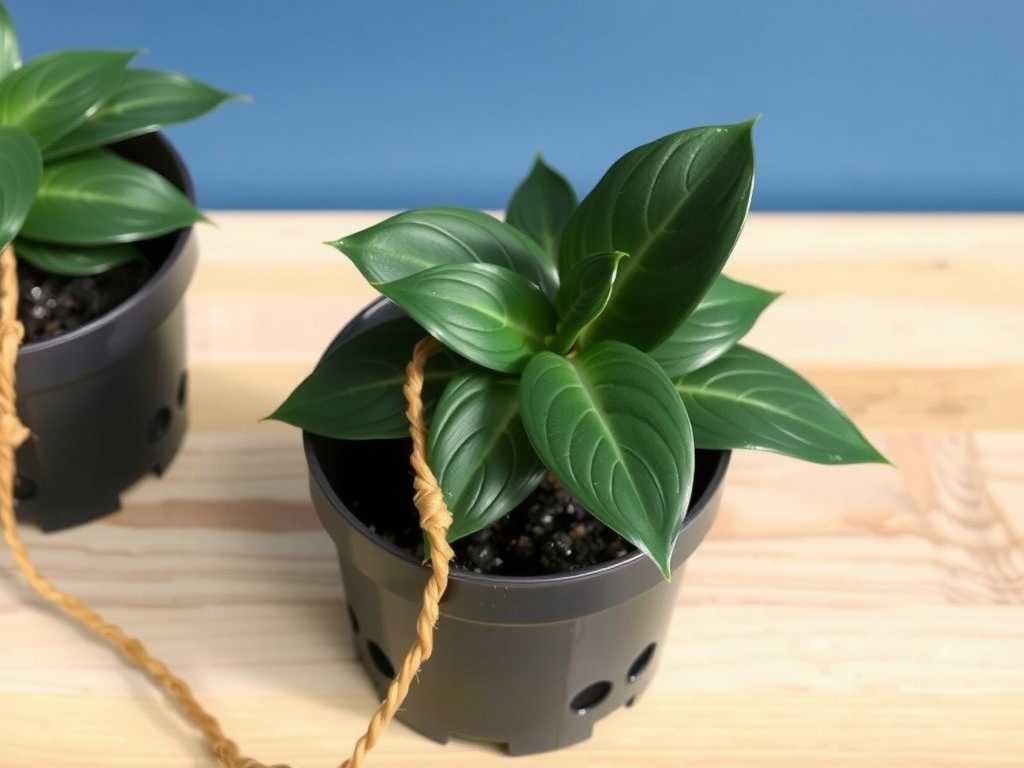
- The New Pot: Choose one only 1-2 inches larger in diameter than the current pot. A pot too large holds excess soil that stays wet, leading to root rot. Ensure it has excellent drainage holes. I opted for a plastic nursery pot with many holes and then placed it inside a decorative cachepot.
- The Right Soil Mix: Calathea Ornata requires a well-aerated, slightly acidic, and moisture-retentive yet fast-draining mix. A standard potting soil is too dense. I use and recommend a blend of: 50% high-quality indoor potting soil, 30% orchid bark (for aeration and chunkiness), and 20% perlite. A handful of horticultural charcoal is a great addition to keep the soil fresh.
- Essential Tools: Sharp, sterilized pruning shears or scissors (I wipe mine with isopropyl alcohol), a trowel, newspaper or a tarp for mess control, and gloves.
The Step-by-Step Repotting Process: A Gentle Intervention
This is where patience becomes your greatest tool. I performed this on a warm, humid morning to reduce transplant shock.
Step 1: The Preparation Phase Water your Calathea Ornata lightly about 24 hours before repotting. This reduces stress and makes the root ball easier to work with. Prepare your new pot by adding a 1-2 inch layer of your fresh potting mix at the bottom.
Step 2: Liberating the Root Ball Gently tip the pot sideways and coax the plant out. Never pull it by the stems. If it’s stuck, you can squeeze the plastic pot or run a knife around the inside edge. My plant was so bound that it slid out in one solid, matted mass of roots—a clear confirmation of the problem.
Step 3: Inspecting and Teasing the Roots This is the most critical step. Place the root ball on your workspace. Using your fingers, gently massage and tease apart the outer and bottom layers of the root mass. The goal is to loosen the circling roots and encourage them to grow outward into the new soil. For extremely dense mats, I had to use a clean chopstick to carefully poke and loosen.
Step 4: The Pruning Decision Inspect for any black, mushy, or foul-smelling roots—these are rotten and must be pruned away with your sterilized shears. For healthy but extremely long, circling roots, you can make a few vertical cuts (about 1 inch deep) into the bottom and sides of the root ball. This might seem drastic, but it effectively stimulates new root growth. I made four such cuts, a technique supported by the AHA for revitalizing pot-bound perennials.
Step 5: Planting in the New Home Center your Calathea in the new pot. The top of the old root ball should sit about an inch below the pot’s rim. Begin filling in the sides with your fresh soil mix, gently tamping it down to eliminate large air pockets. Avoid compacting the soil too tightly.
Step 6: The Initial Care Water the plant thoroughly until water runs freely from the drainage holes. This helps settle the soil around the roots. Place the plant in a warm location with bright, indirect light—avoid direct sun. I kept mine in my bathroom for the first week to capitalize on the higher humidity.
My 2-Week Observation Journal: The Road to Recovery
The real test began after the repotting. I monitored my Calathea Ornata closely.
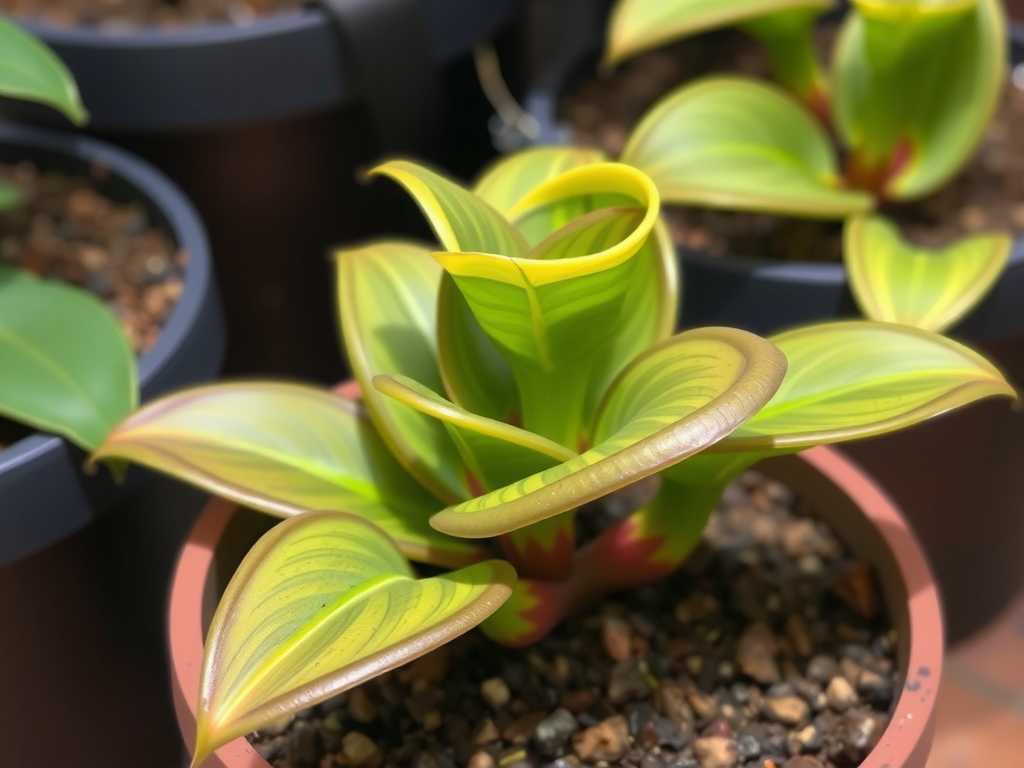
- Days 1-3: The plant looked a bit droopy and shocked—this is normal. I maintained high humidity and resisted the urge to water again. The soil was still moist from the initial watering.
- Days 4-7: I noticed the leaves stopped further curling. The plant seemed stable. On day 5, I observed the first sign of success: a slight, perceptible upward movement during its evening “prayer” ritual. This was a huge relief.
- Days 8-14: By the end of the second week, the overall posture of the plant improved. The leaves looked less stressed. Most importantly, when I watered again on day 10, I observed that the water was absorbed properly into the soil instead of running straight through—a definitive sign that the fixing compacted roots process was working and the new soil was integrating with the root system.
The Pitfalls I Encountered (And How You Can Avoid Them)
My first attempt, years ago with a different plant, failed because of these mistakes:
- Potting Too Deep: I buried the stems, which can lead to stem rot. Always keep the plant at the same soil level it was in before.
- Overwatering Immediately After: In my anxiety, I kept the soil soggy, nearly causing root rot in the freshly disturbed roots. Stick to the “water thoroughly once, then let the top inch dry” rule.
- Using the Wrong Soil: I used a dense, peat-heavy mix that became compacted again. The chunky, airy mix is non-negotiable for long-term Calathea Ornata root health.
Post-Repotting Care for Lasting Health
Your job isn’t over after two weeks. For the next few months:
- Watering: Water only when the top 1-2 inches of soil are dry. Use filtered or distilled water to prevent tip burn.
- Light & Humidity: Maintain bright, indirect light and high humidity (above 60%).
- Hold the Fertilizer: Do not fertilize for at least 6-8 weeks after repotting to allow roots to recover and avoid chemical burn.
Will repotting shock my Calathea Ornata? Some degree of temporary shock is normal, manifesting as slight drooping or paused growth. By repotting gently during the growing season (spring/summer), using the right soil, and providing optimal post-care (stable warmth and humidity), you minimize this shock. My plant’s recovery within two weeks is a testament to a careful process.
How often should I repot my Calathea to prevent root binding? Calathea Ornata typically needs repotting every 1-2 years. The best indicator is not the calendar but the signs: slowed growth, rapid water drainage, and visible roots. Spring is the ideal time as the plant enters its active growth phase.
Can I divide a root-bound Calathea Ornata during repotting? Absolutely. If your plant is large and severely root bound, repotting is the perfect time for propagation by division. Gently separate the root mass into clumps, each with several stems and a healthy root system, using your hands or a sterile knife. Pot each division separately. This not only creates new plants but also gives the original plant immense relief from congestion.
Seeing your Calathea Ornata thrive after being root bound is incredibly rewarding. The process requires attention to detail—from recognizing the subtle cries for help to executing a gentle repot and providing diligent aftercare. The transformation in my plant, from a stagnant, struggling specimen to one showing renewed daily movement and poised for new growth, was all the proof I needed. By understanding the needs of those delicate roots and giving them the space and medium they require, you’re not just saving a plant; you’re setting it up for years of vibrant, striped beauty. Remember, the key is to act with observation, patience, and a focus on creating the perfect environment beneath the soil, for that is where true health begins.
发表评论