 admin
admin How to Care for Calathea Ornata in Terrariums with Moss: Humidity Boost
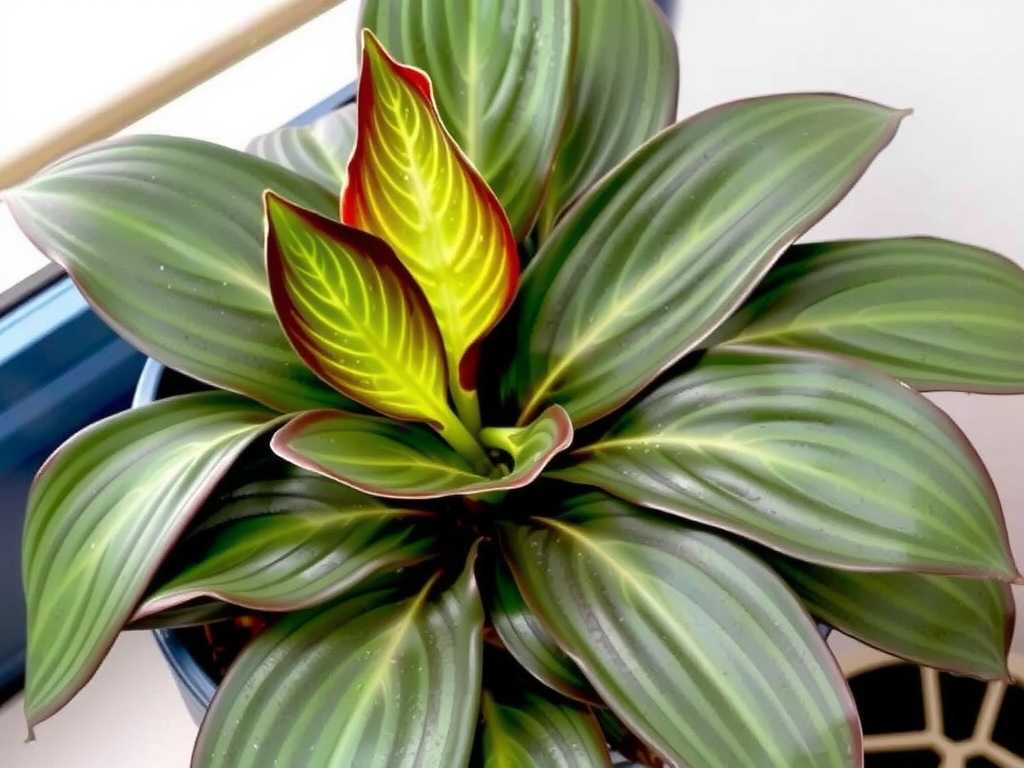
I love my Calathea Ornata, with its stunning pink-striped leaves, but let's be honest—it's a diva. For months, I battled crispy edges and sad, curling leaves. My home's humidity just couldn't satisfy its tropical cravings. I tried pebble trays and humidifiers, but the results were inconsistent. Then, I had an idea: what if I created its own perfect, miniature rainforest? This is my complete journey of learning how to care for Calathea Ornata in terrariums with moss for a consistent humidity boost. It wasn't just theory; I built one, observed it for two full weeks, made mistakes, and found solutions. If you're struggling with dry air, follow my real-world steps.
Why a Terrarium is the Ultimate Solution for Calathea Humidity
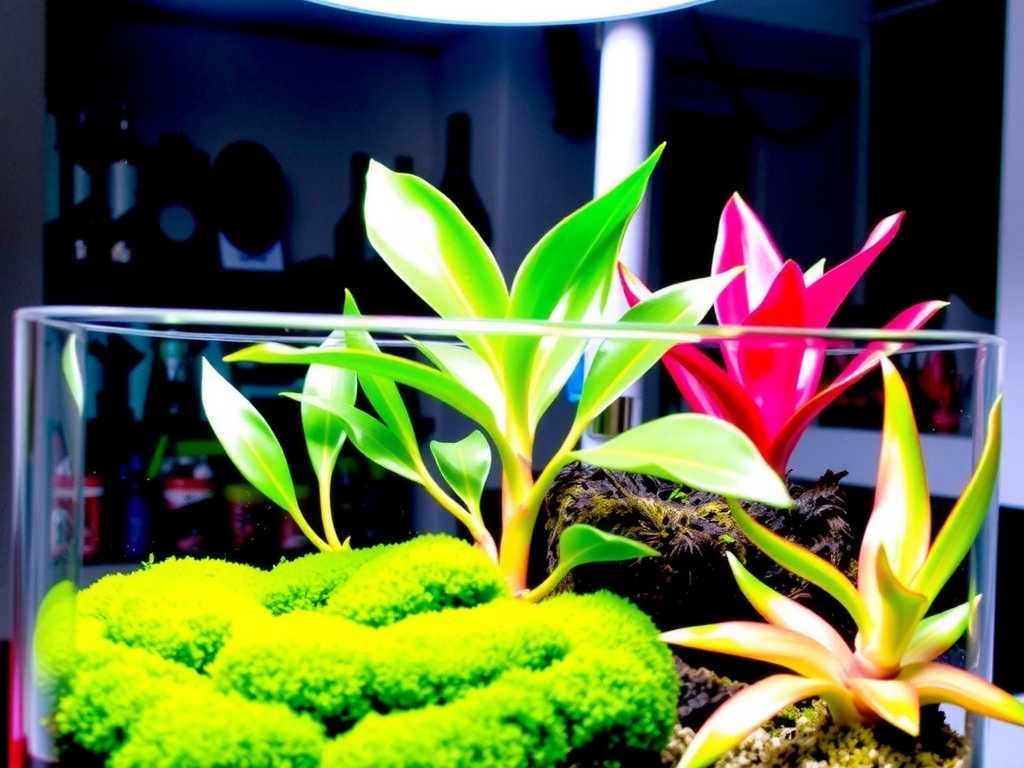
Calathea Ornata, native to the understory of Brazilian rainforests, thrives in stable, high humidity—often 60% or more. Average homes sit around 30-50%, which is why our prayer plants protest. A terrarium creates a sealed or partially sealed environment where water transpiration from the plant and moist moss is recycled, maintaining near-perfect humidity levels effortlessly. According to principles often cited by the Royal Horticultural Society (RHS), enclosing plants can dramatically reduce water loss and stabilize their microclimate. This method provides that crucial humidity boost for Calathea without daily intervention.
My Step-by-Step Guide to Building a Calathea Terrarium
I decided on a closed terrarium for maximum humidity control. Here’s exactly what I did, from setup to ongoing care.
Gathering the Right Materials
You can't just throw a plant in a jar. The layers are crucial for health. I used:
- A large, clear glass vessel with a lid.
- Horticultural charcoal (for drainage and keeping things fresh).
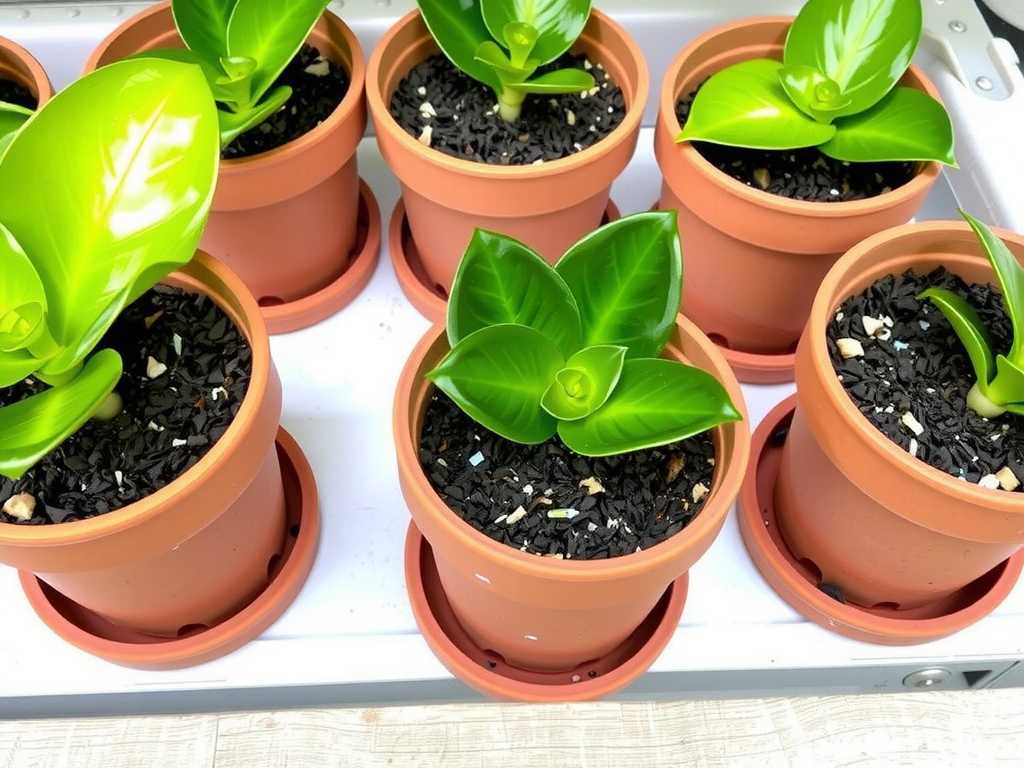
- A well-draining aroid potting mix.
- My star player: a large clump of living sphagnum moss.
- My beautiful, but slightly crispy, Calathea Ornata.
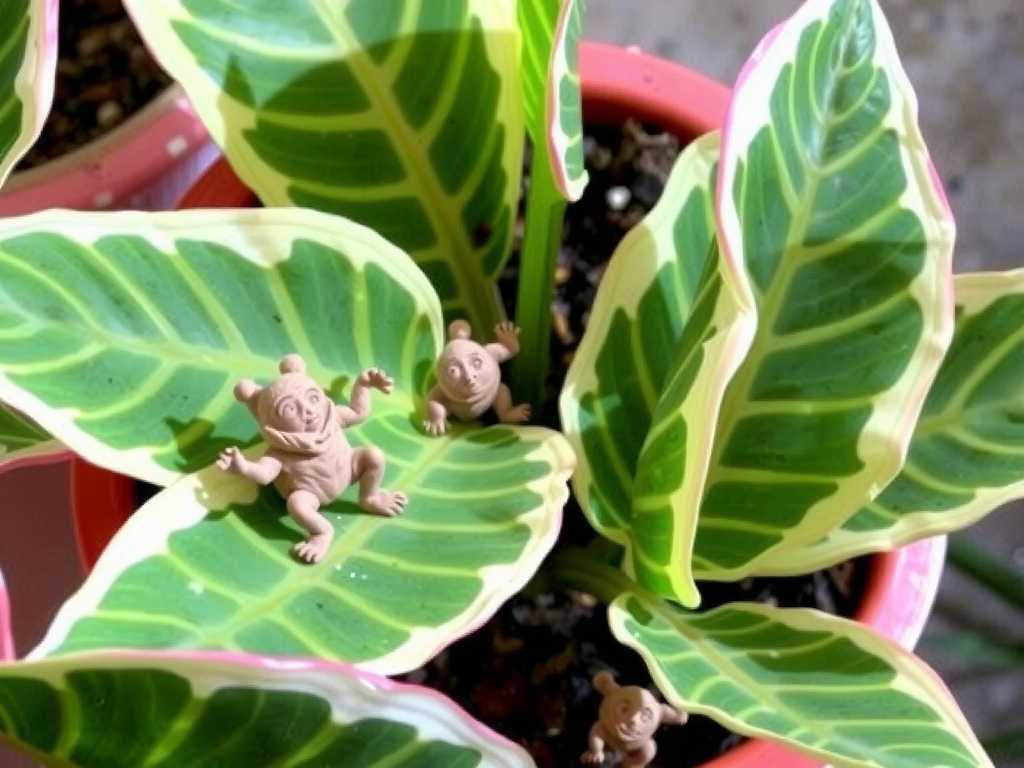
- Decorative stones and optional springtails (a beneficial clean-up crew).
The Layering Process: Building a Mini Ecosystem
First, I added a thin layer of small stones for base drainage. Next came a half-inch layer of horticultural charcoal. This is vital—it filters water and prevents fungal and bacterial growth in the stagnant environment. The American Horticultural Society (AHA) emphasizes good drainage as a key to preventing root rot in any container. Then, I added my pre-moistened potting soil, creating a mound for visual interest.
Here was my first real mistake: I planted my Calathea too deeply, burying the base of its stems. I noticed within 3 days the stems touching the soil looked soggy. I immediately corrected it by gently unpotting and replanting it so the root ball was just below the surface, with the stems completely clear. Problem solved.
Adding the Moss and Final Touches
This is where the magic happens for humidity control. I generously lined the surface with damp sphagnum moss, pressing it around the base of the Calathea. Moss isn't just decoration; it acts as a massive humidity reservoir, slowly releasing moisture. I added a few decorative elements, gave the soil a light watering (not soaking!), and closed the lid.
The Crucial First Two Weeks: Observation and Adjustment
This wasn't a "set it and forget it" project. I monitored closely.
Week One: The Acclimation Period
The first 3 days were perfect. Condensation formed beautifully on the glass, and the leaves looked perky. By day 5, I noticed excessive condensation—the terrarium looked foggy all day. This was a red flag for too much moisture, which can invite mold. Using the advice from RHS resources on greenhouse management, I initiated air exchange. I propped the lid open for 2 hours each morning. This simple step balanced the humidity without drying it out completely.
Week Two: Signs of Success and Troubleshooting
By day 10, the system stabilized. Condensation formed lightly in the mornings and cleared by afternoon. The most exciting change? Every single new leaf that emerged was unfurling perfectly—no crispy tips in sight. The existing leaves stopped curling at the edges. However, I saw a few small yellow spots on one older leaf. I panicked about disease but realized it was where the leaf was constantly pressed against the wet glass. I adjusted the leaf's position and trimmed the damaged part. This highlighted the need for regular pruning and ensuring plant parts don't stay wet.
Long-Term Care Inside the Glass Jungle
Caring for a Calathea in a terrarium is different from potted care.
Watering and Feeding
Watering needs plummet. In my two-week observation, I only added one tablespoon of water once, when the moss began to look pale. The closed system recycles water incredibly efficiently. I plan to water only every 4-6 weeks, if that. Fertilizing needs extreme dilution. I will use a quarter-strength liquid fertilizer only during the growing season, twice a year at most, to avoid salt buildup.
Light and Temperature Requirements
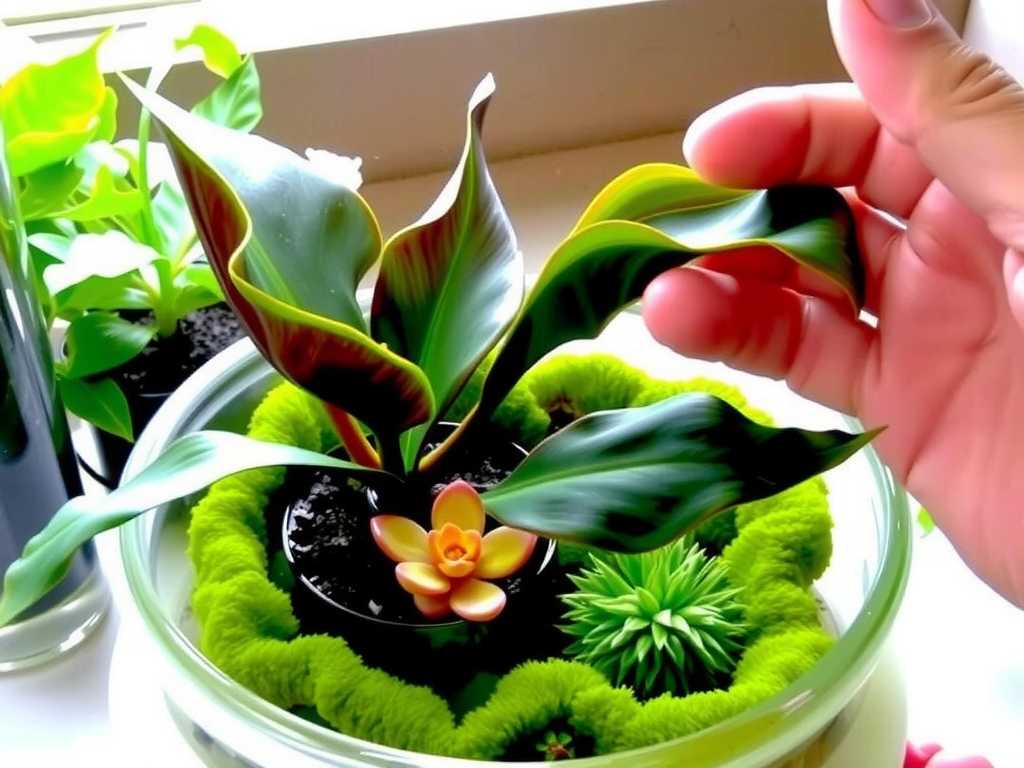
I placed my terrarium in bright, indirect light. Direct sun would cook the plant inside the glass. A north or east-facing window is ideal. Temperature remained stable at room temperature, away from drafts and vents.
Pruning and Maintenance
Regularly check for and remove any dead leaves or moss to prevent decay. Gently wipe the glass interior to allow light in and inspect for pests (though the sealed environment greatly reduces risk). My bi-weekly lid-opening ritual continues for fresh air exchange.
Addressing Common Concerns and Challenges
No system is foolproof. Here’s what to watch for:
- Mold on Soil or Moss: This signals excess moisture and poor air circulation. Open the lid more frequently, ensure a charcoal layer is present, and consider introducing springtails—they are harmless and eat mold.
- Root Rot: Caused by overwatering. If the plant looks wilted but the soil is wet, you may need to open the system for an extended period to dry out slightly and check root health.
- Leggy Growth: If the Calathea starts stretching, it needs more light. Move the entire terrarium to a brighter location (still no direct sun).
Frequently Asked Questions
Can I use other types of moss for my Calathea terrarium? Yes, sheet moss or mood moss work, but living sphagnum moss is superior for maintaining terrarium humidity. It's highly absorbent and has mild antibacterial properties, creating a healthier environment for your Calathea's roots compared to drier decorative mosses.
How often should I open the lid for fresh air? There's no one-size-fits-all answer. Observe the condensation. If it's heavily fogged for most of the day, open it for a few hours daily. If it only mists up at night and clears by noon, opening it 2-3 times a week is sufficient. It's about finding a balance for your specific environment.
Will my Calathea outgrow the terrarium? Eventually, yes. Calathea Ornata is a moderate grower. In a terrarium, growth might be slightly slower due to limited root space and nutrients. You can enjoy it for 1-2 years likely, then carefully transplant it to a larger terrarium or a traditional pot, using the same moss-boosted techniques.
Creating this terrarium transformed my relationship with my finicky Calathea Ornata. The constant worry about humidity vanished. The two-week trial taught me more than any guide—the importance of air flow, careful planting, and patient observation. By building this self-sustaining microclimate, I've given my plant the consistent, high-humidity environment it desperately needs. If you're tired of brown edges and want to see your Calathea truly thrive, a moss-lined terrarium might be your most rewarding project yet.
发表评论