 admin
admin How to Fertilize Calathea Ornata for Bushy Growth: Prune + Feed Tips
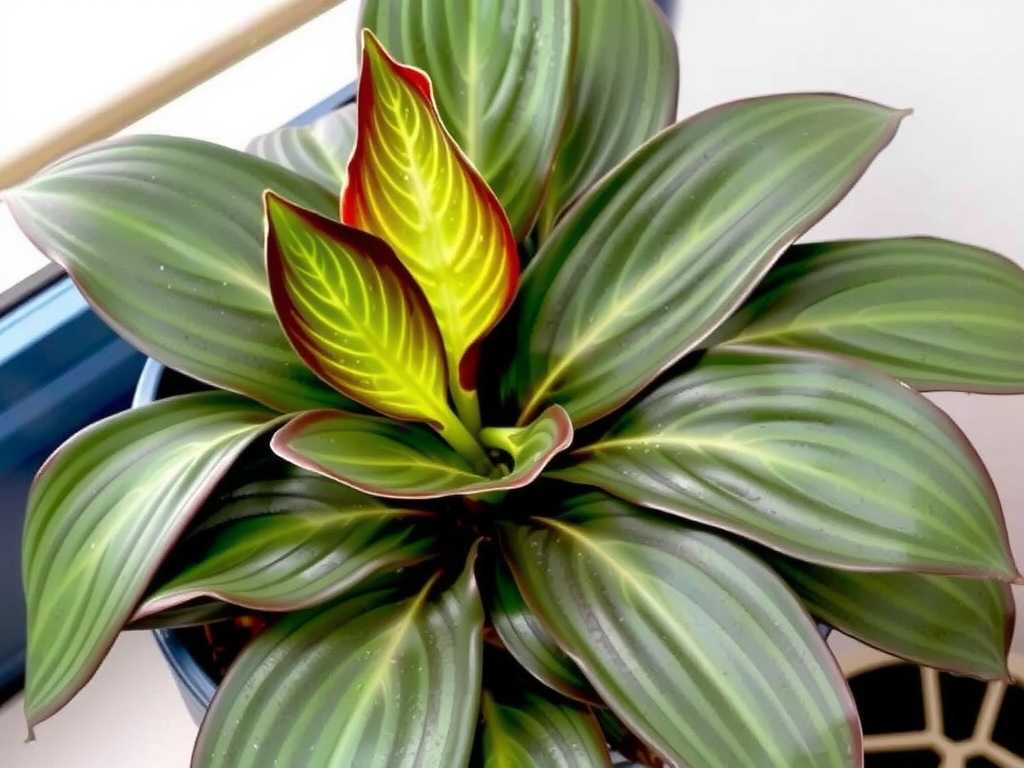
I’ve been there. You bring home a stunning Calathea Ornata, its pink-striped leaves looking like delicate brushstrokes on a dark green canvas. You give it the right light, you keep the humidity high, and you water with filtered water. Yet, months later, it’s not the bushy, lush specimen you dreamed of. Instead, it’s a bit leggy, maybe a little sparse, with new leaves that seem to take forever to unfurl. The problem, I discovered through my own trial and error, often isn’t just about care—it’s about strategic nourishment and guidance. Learning how to fertilize Calathea Ornata for bushy growth became my mission, and it transformed my plant from a shy single stalk into a vibrant, full pot of foliage. This guide is the culmination of my hands-on experience, including the mistakes I made and the simple prune and feed tips that finally delivered results.
For two weeks, I dedicated myself to a focused regimen, and the changes were undeniable. It’s not magic; it’s understanding that feeding and shaping work together. Let me walk you through the exact process.
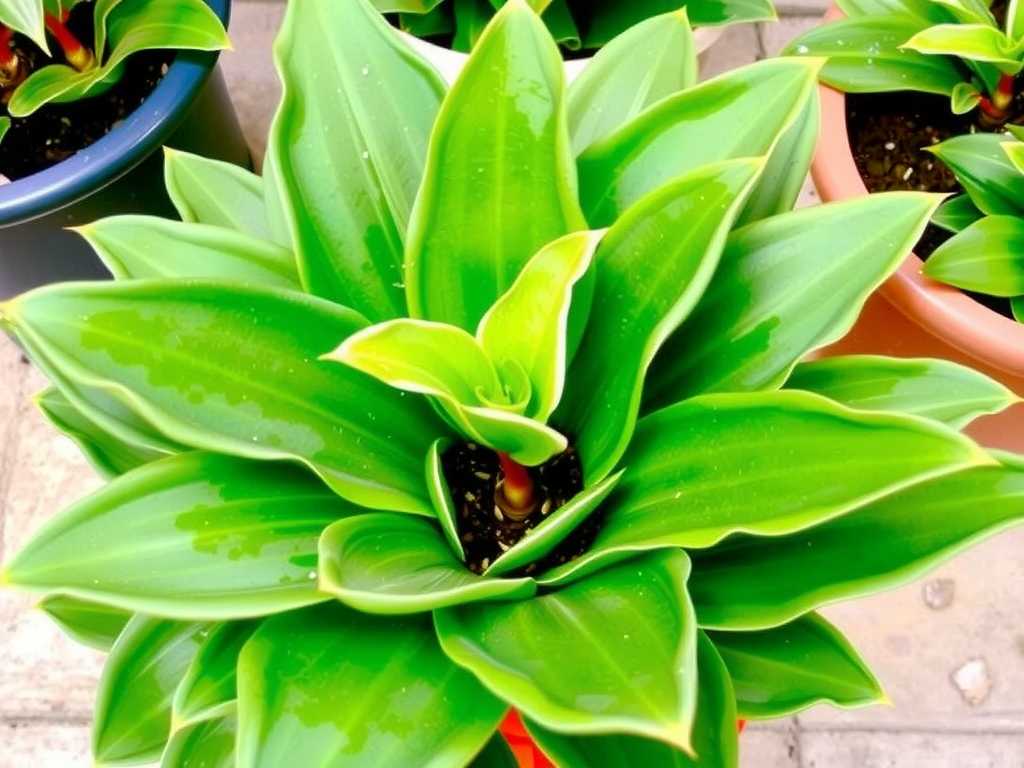
Understanding Your Calathea Ornata’s Nutritional Needs
Before you pour any fertilizer, it’s crucial to know what you’re working with. Calathea Ornata, like its prayer plant relatives, is a light feeder but a consistent one. Its roots are sensitive and can be easily burned by strong, synthetic salts. The goal of fertilization isn’t to force explosive growth but to provide steady, gentle support for healthy leaf production—the key to that bushy appearance.
The Royal Horticultural Society (RHS) emphasizes that foliage plants like Calatheas benefit from a balanced fertilizer with a good proportion of nitrogen (the first number in the N-P-K ratio), which promotes leaf growth. However, balance is key. Too much can lead to soft, weak growth and salt buildup. I learned this the hard way when I used a standard all-purpose feed at full strength, which resulted in brown, crispy leaf tips—a classic sign of fertilizer burn. The American Horticultural Society (AHA) also notes that over-fertilization is a common error in houseplant care, often more detrimental than under-feeding.
The Essential Tools: Choosing the Right Fertilizer
My failed experiment taught me to be picky. Here’s what I now use and recommend:
- Liquid Fertilizer, Diluted: I switched to a balanced, water-soluble liquid fertilizer with an equal or near-equal N-P-K ratio, such as 10-10-10 or 3-1-2. The liquid form allows for even distribution and quick uptake by the roots.
- Organic Options: Worm castings or a gentle, organic liquid fish/seaweed emulsion are fantastic, slow-release choices. They feed the soil microbiome, which in turn feeds the plant, minimizing burn risk.
- The Golden Rule: Dilute, Dilute, Dilute: I never use fertilizer at the package’s “standard” strength. For Calathea Ornata, I dilute it to half-strength, or even a quarter-strength during its slower growth periods. This provides a gentle, constant supply of nutrients.
The Two-Week Transformation: My Prune and Feed Protocol
This is the core of my method. Pruning and feeding are a team. Pruning redirects the plant’s energy, and feeding supplies the fuel for new growth in the right places.
Week 1: The Strategic Prune
The first step isn’t feeding; it’s assessing and shaping. A bushy plant grows from multiple points. If your Calathea is a single, tall stem, it will only grow taller, not fuller.
- Inspect: I looked for long, leggy stems with large gaps between leaves (internodes). I also looked for any small, dormant growth nodes—little bumps on the stem below a leaf.
- The Cut: Using sterile, sharp scissors, I made my cuts. I didn’t just trim the tops. To encourage bushier Calathea plants, I practiced “notching.” Just above a healthy leaf node (one of those little bumps), I made a clean, angled cut. This signals to the plant to send energy to that node, encouraging it to sprout a new stem. I also removed one or two of the oldest, lowest leaves that were looking a bit tired, to direct energy upward.
- Immediate Aftercare: After pruning, I gave the plant a thorough drink of plain, filtered water. This helps it recover from the mild stress of pruning. I placed it in its usual bright, indirect light spot and ensured the humidity was high (my humidifier was set to 60%).
The First Feed: Setting the Stage
Two days after pruning, I administered the first feed. The plant had recovered from the pruning shock and was ready to use nutrients for repair and growth.
- Preparation: I took my chosen liquid fertilizer and diluted it to half-strength in my watering can, using filtered water at room temperature.
- Application: I watered the plant thoroughly with this solution until it ran freely from the drainage holes. This technique, known as “leaching,” helps prevent salt accumulation. Crucially, I only fertilize when the soil is already slightly moist. I never fertilize a bone-dry plant, as this can concentrate salts and burn the roots.
- Observation: For the next few days, I monitored closely for any signs of distress (like sudden yellowing). None appeared—the half-strength feed was gentle enough.
Week 2: Consolidating Growth and the Second Feed
By the middle of the second week, I started to see the very beginnings of a response. The nodes just below my pruning cuts looked slightly swollen. No new leaves yet, but the plant was clearly mobilizing its resources.
- The Follow-Up Feed: On day 10 of my experiment, I repeated the feeding process exactly: half-strength, diluted fertilizer applied to pre-moistened soil.
- Environmental Support: I was meticulous about humidity and light. Consistent conditions reduce stress and allow the plant to focus entirely on growth.
The Results and Key Lessons Learned
At the end of the two weeks, I didn’t have a jungle, but I had undeniable progress. Two of the notched nodes had tiny, bright green nubs emerging—new growth points! The overall plant looked perkier, and the existing leaves had a deeper, healthier sheen. The combination of pruning and proper feeding had successfully redirected its energy.
Here are the critical pitfalls I navigated:
- The Burn: My initial over-fertilization caused tip burn. The fix was to flush the soil thoroughly with several pots of clean water to dissolve excess salts and immediately switch to a half-strength regimen.
- The Wrong Timing: I once fertilized in late autumn. The plant, slowing down for winter, didn’t use the nutrients, leading to soil imbalance. Now, I only feed during the active growing season (spring and summer) and stop entirely in fall and winter.
- Ignoring the Soil: Fertilizer works with the soil, not in spite of it. If your potting mix is old and compacted, it won’t matter how well you feed. Repotting every 1-2 years in a fresh, airy, well-draining mix (like a peat-based blend with perlite and orchid bark) is foundational.
Maintaining Your Bushy Calathea Ornata
The two-week protocol kickstarts the process, but maintaining bushy growth in Calathea is an ongoing cycle. Continue feeding with a diluted solution every 4-6 weeks during the growing season. Periodically check for and prune any new leggy growth to maintain the compact, full shape. Rotate the pot a quarter turn weekly so all sides receive even light, preventing one-sided growth.
What is the best fertilizer for encouraging Calathea Ornata to branch out? A balanced, water-soluble liquid fertilizer (like a 10-10-10) diluted to half-strength is highly effective. For an even gentler approach, organic options like worm castings top-dressed on the soil or diluted fish emulsion provide slow-release nutrients that support steady branching without risk of burn.
Can I use pruning alone to make my Calathea bushier? Pruning is the essential signal that tells the plant where to grow, but without proper feeding, the results will be limited. The plant needs the nutritional resources to produce those new stems and leaves. Think of pruning as giving the plant a map and fertilizing as giving it the fuel for the journey.
My Calathea’s leaves are curling after I fertilized. What did I do wrong? Leaf curling post-fertilization is a classic sign of stress, often from fertilizer burn or shock from applying feed to dry soil. Immediately flush the soil with plenty of clean, filtered water to dilute the fertilizer concentration. Ensure your plant is not in direct sunlight and has adequate humidity while it recovers. Going forward, always ensure the soil is pre-moistened and use a much more diluted fertilizer solution.
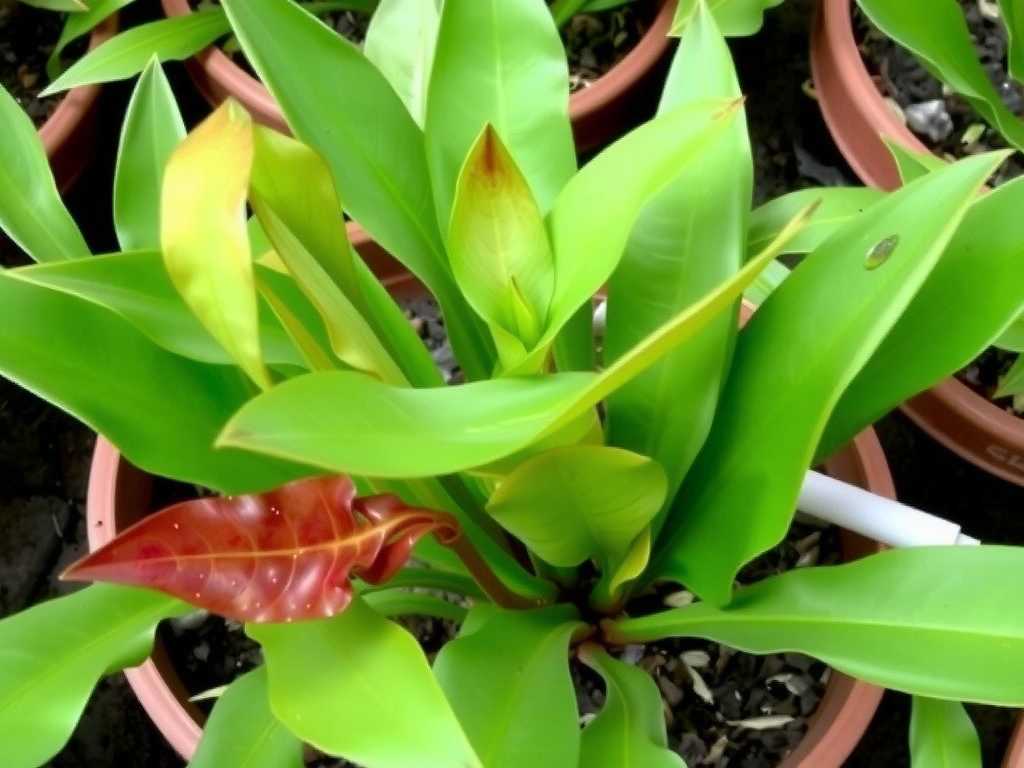
Watching my Calathea Ornata transform from a timid plant into a confident, bushy centerpiece was incredibly rewarding. It confirmed that success lies in the synergy of simple actions: the careful cut that redirects energy, and the gentle, consistent nourishment that fuels new life. It’s a conversation with your plant, responding to its cues with patience and the right prune and feed tips. Stick with this rhythm of mindful pruning and diluted feeding, and you’ll be rewarded with the lush, full-bodied Calathea Ornata you’ve always wanted.
发表评论