 admin
admin How to Care for Calathea Ornata in Green Walls with LED Lights: Grow Tips
You’ve invested in a stunning green wall, chosen the elegant, pink-striped Calathea Ornata as your star performer, and installed sleek LED grow lights. It looks incredible… for a week. Then, the heartbreak starts. Those iconic pink stripes begin to fade. Crispy, brown edges creep across the once-perfect leaves. The plant that promised tropical drama seems to be staging a tragic demise right on your wall. If this is your story, you’re not alone. I’ve been there, staring at a browning Calathea in despair, convinced I had a black thumb. The truth is, caring for Calathea Ornata in green walls with LED lights is a specific science, but once you crack the code, it’s immensely rewarding. This guide is born from my own two-week experiment, filled with mistakes, adjustments, and ultimately, success.
My journey began with a single, gorgeous Calathea Ornata (also called the Pinstripe Plant) and a modular living wall system in my home office. I knew lighting was the biggest challenge for indoor plants, so I opted for full-spectrum LED panels, praised for their energy efficiency and low heat. My goal was clear: to create a thriving vertical garden that required minimal guesswork. What followed was a 14-day intensive observation period that completely changed my approach.
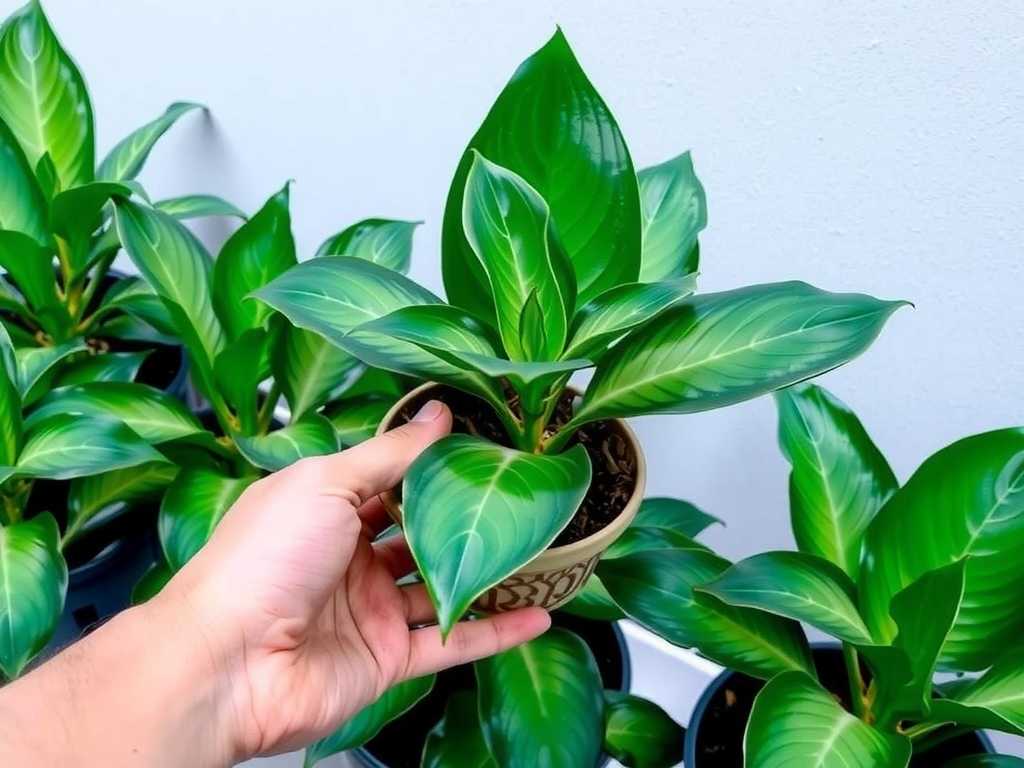
Understanding Your Calathea Ornata: It’s All About the Roots (And Leaves)
Before we talk about walls and lights, we must understand the plant itself. Native to the understory of tropical South American rainforests, Calathea Ornata is a diva with specific needs: high humidity, consistent moisture (but not sogginess), warm temperatures, and bright, indirect light. Its stunning foliage is actually a light-capturing adaptation for dim forest floors. The Royal Horticultural Society (RHS) emphasizes that these plants are sensitive to both drought and chemical buildup in water, which directly impacts leaf tip health.
The green wall environment is fundamentally different from a pot on a shelf. It’s more exposed, and drainage and root space are critical. This brings us to the first major pitfall I encountered.
The Foundation: Preparing Your Green Wall for Success
I made a critical error at the start: I used a standard, moisture-retentive potting mix. In a vertical planter, gravity pulls water downward, often leaving the top too dry and the bottom waterlogged. After just three days, the lower leaves of my Calathea showed signs of stress.
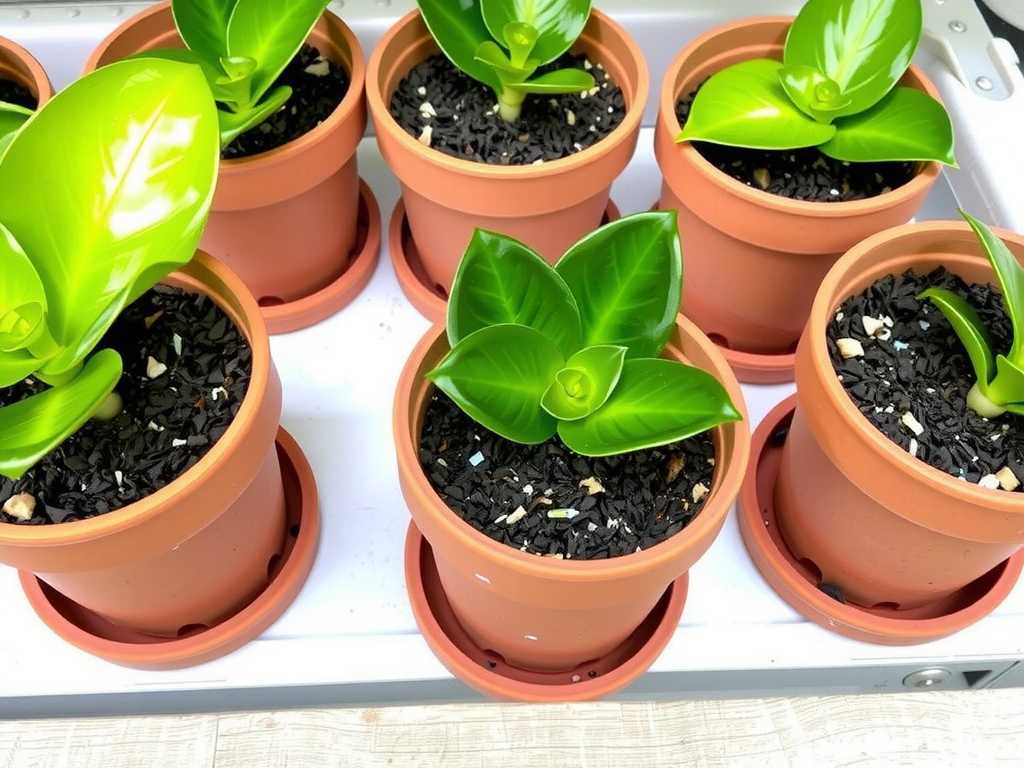
The Fix: I repotted the Calathea into a custom, well-draining mix. I combined:
- 60% high-quality peat-free potting compost (for structure and mild acidity).
- 30% orchid bark or perlite (for crucial aeration and drainage).
- 10% horticultural charcoal (to keep the soil fresh and absorb impurities).
This mix holds moisture but allows excess water to flow through freely, preventing root rot—the silent killer of wall-bound plants. Ensure your wall system has adequate drainage channels; stagnant water is a death sentence.
The Heart of the Matter: Mastering LED Grow Light Setup
This is where most people, including myself, get it wrong. Setting up LED lights for Calathea green walls isn’t just about turning them on. Not all light is equal.
1. Light Spectrum & Intensity: Calatheas do not need intense, direct light. In fact, it bleaches their leaves. I used full-spectrum “white” LEDs, which mimic natural sunlight and are pleasant for room aesthetics. According to a study cited by the Association of Professional Landscape Designers (APLD), plants like Calathea utilize blue and red spectrum light for growth, but the full spectrum supports overall health and coloration.
2. Distance is Key: My first setup had the LEDs too close—about 6 inches from the foliage. Within five days, the leaves closest to the light showed faded color and slight curling. I moved the lights to a consistent 12-18 inches away from the plant’s canopy. This provided the bright, indirect light it craved without the scorching effect.
3. Photoperiod (Light Duration): Plants need a rest period. I initially ran my lights for 16 hours a day. Bad idea. I now use a simple timer for a 12-14 hour cycle, simulating a natural tropical day. This consistency reduced stress and allowed the plant to process energy efficiently.
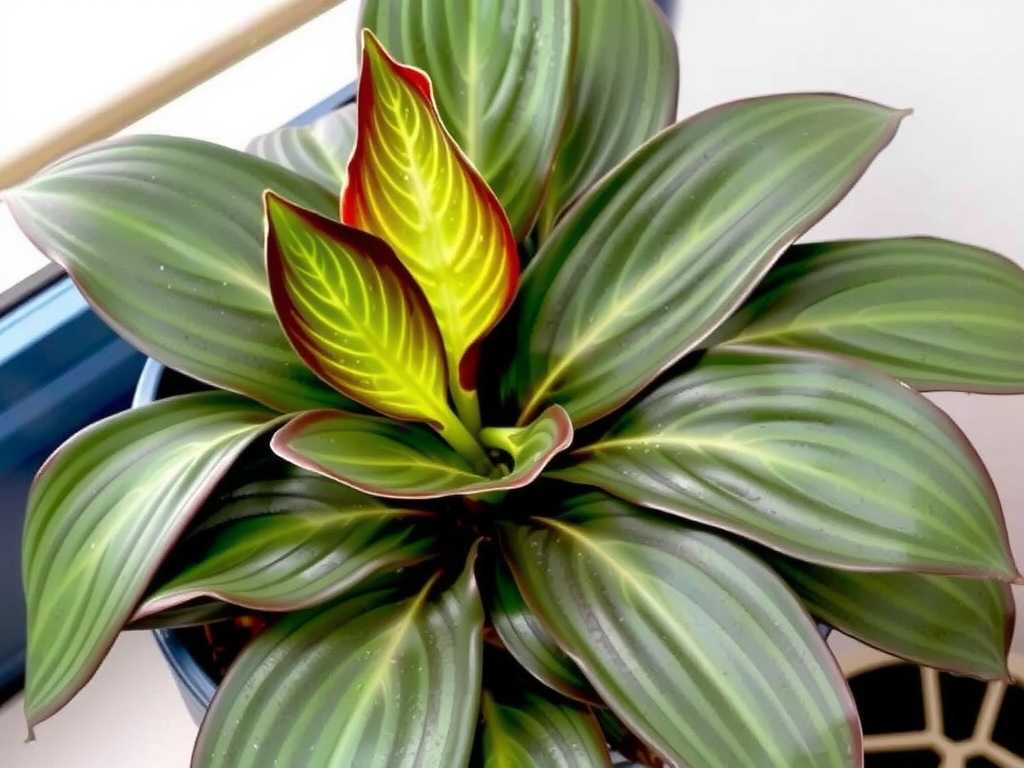
After adjusting the light distance and duration, I observed a noticeable change within one week. New, unfurling leaves showed deeper, more vibrant pink stripes, and the existing leaves stopped developing new brown edges.
The Daily Dance: Watering and Humidity in a Vertical System
Here lies the second biggest challenge. Maintaining humidity for Calathea in vertical gardens feels like a constant battle against dry indoor air.
My Failed Method: Misting. I misted my wall religiously twice a day. It did almost nothing. Humidity would spike for 5 minutes and then plummet. Furthermore, constantly wet foliage can invite fungal diseases.
The Winning Strategy:
- Watering: I water when the top inch of my custom soil mix feels dry to the touch. I water slowly and thoroughly at the soil level until I see a slight runoff from the bottom drainage, ensuring the entire root ball is hydrated. I use filtered or rainwater, as recommended by the RHS to avoid leaf tip burn from fluoride and chlorine in tap water.
- Humidity: I installed a small, quiet humidifier in the room, set to maintain 60-70% humidity. This was the single most effective change. Within 48 hours of the humidifier running consistently, the existing leaves looked plumper, and the new leaf that was stuck halfway unfurled finally opened up completely. For smaller walls, placing a water tray with pebbles beneath the wall can also help locally.
Nutrition and Ongoing Care: Less is More
In a confined wall planter, over-fertilizing is a major risk. I feed my Calathea Ornata only during the growing season (spring and summer) with a balanced, diluted liquid fertilizer (half strength) every 4-6 weeks. In autumn and winter, I stop feeding entirely. The goal is to support steady growth without causing chemical salt buildup in the limited soil volume.
My 2-Week Observation Log: What Actually Happened
- Days 1-3: Installation. Plant looks perfect. Confidence is high.
- Days 4-7: First brown tip appears on a lower leaf. Panic. Discovered soil staying too wet at the bottom. Adjusted soil mix and repotted.
- Days 8-10: Noticed leaf fading near lights. Moved LED panels from 6” to 15” away. Reduced light cycle from 16 to 13 hours.
- Days 11-14: Installed humidifier. Within two days, plant demeanor visibly improved. A new leaf unfurled fully, showing perfect patterning. No new brown tips appeared. The plant stabilized.
The transformation from a struggling specimen to a stable, healthy one was directly tied to correcting the microclimate: light intensity, air moisture, and root environment.
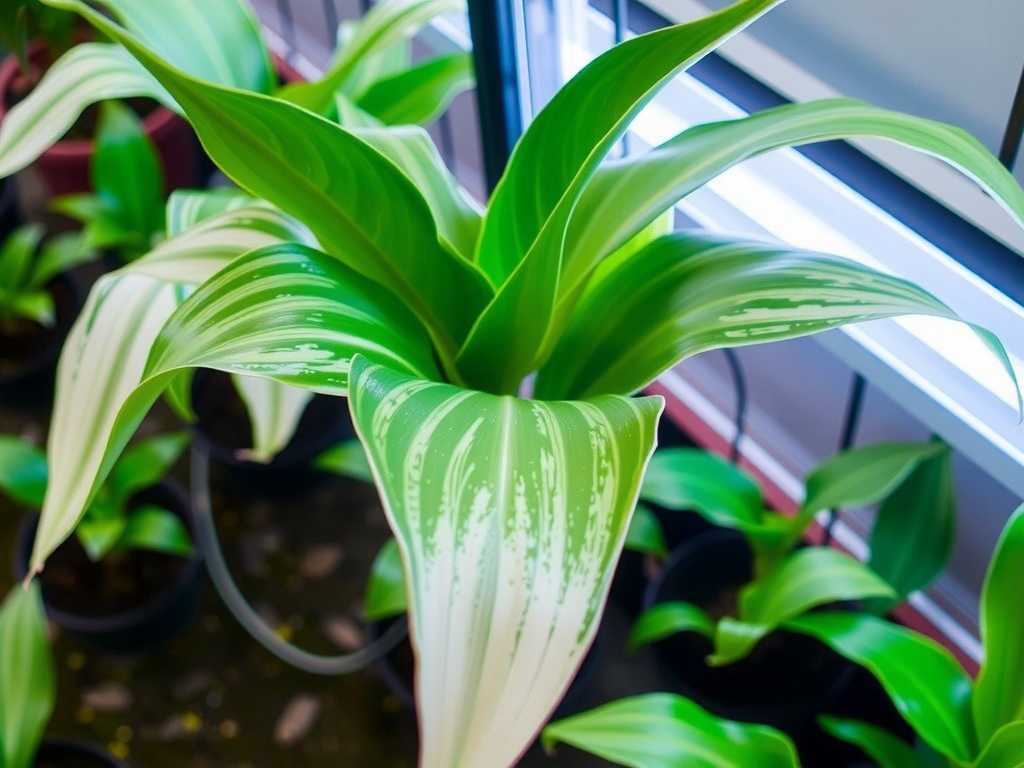
Why are the pink stripes on my Calathea Ornata fading? This is almost always a light issue. Too much direct or intense LED light will bleach the colors. Move your light source further away or diffuse it. Conversely, too little light can also cause dullness. Aim for that bright, indirect sweet spot.
How often should I really water my wall-mounted Calathea? Throw away the calendar. Water based on soil moisture. Check the top inch of soil in the planter pocket; if it’s dry, water thoroughly. In my environment with 60% humidity and 13 hours of LED light, this typically means watering once every 7-10 days, but this will vary drastically with your home’s conditions.
Can I use regular houseplant fertilizer? Yes, but with extreme caution. Always dilute it to at least half the recommended strength. The limited soil in a wall planter cannot flush out excess salts, leading to root burn. When in doubt, fertilize less. A little goes a very long way in this setting.
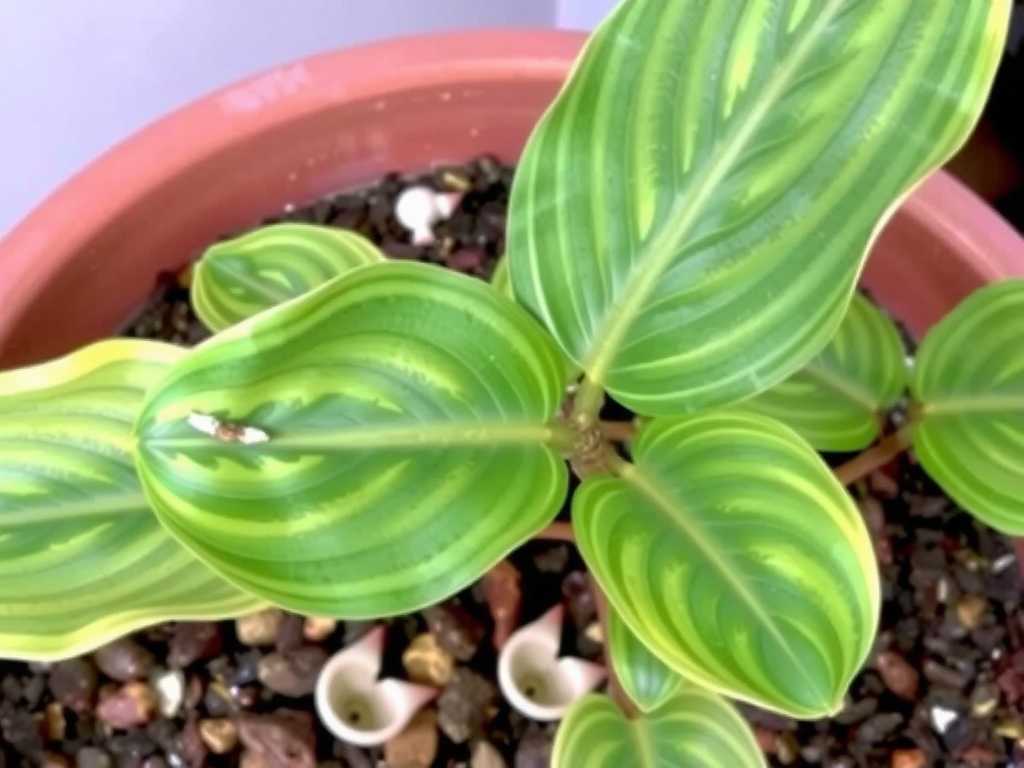
Caring for a Calathea Ornata in a green wall under LED lights is a beautiful exercise in balance. It teaches you to read your plant’s subtle signals—a faded stripe, a crispy edge, a slow-unfurling leaf. By focusing on the pillars of perfect indirect light from properly positioned LEDs, consistent high humidity beyond just misting, and a well-draining, airy soil mix, you move from fighting decline to fostering vibrant growth. The reward is a living piece of art, a vertical slice of the tropics that thrives on your wall, proving that with the right knowledge, even the most sensitive divas can perform spectacularly.
发表评论