 admin
admin How to Fix Brown Edges from Tap Water on Calathea Ornata: My 2-Week Filter Transformation Guide
There’s nothing more disheartening than watching the pristine, painterly stripes of your Calathea Ornata slowly framed by a creeping border of crispy, brown edges. I’ve been there, staring at a leaf that looked perfectly healthy just days before, now sporting a burnt-looking trim. For the longest time, I blamed humidity, light, or my own black thumb. It wasn’t until I connected the dots—the browning always followed watering day—that I identified the true culprit: my tap water. The minerals, chlorine, and fluoride in standard tap water were slowly accumulating in the soil, burning the sensitive root tips and leaf margins of my prayer plant. If you're facing the same silent battle, know this: how to fix brown edges from tap water on Calathea Ornata is less about complex plant surgery and more about mastering one simple change to your watering routine. This guide is my personal, step-by-step account of switching to filtered water, the dramatic results I observed over two weeks, and the practical lessons I learned the hard way.
Understanding Why Your Calathea Ornata is So Sensitive
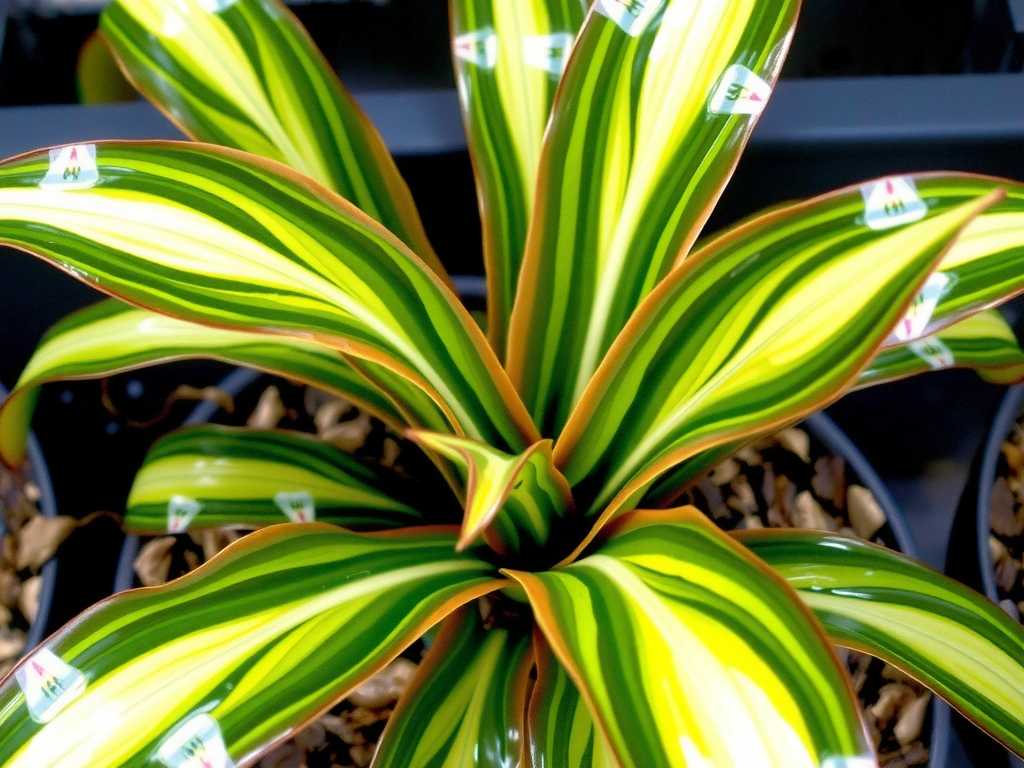
Calatheas, including the stunning Ornata (often called the Pinstripe Plant), are native to the humid, nutrient-rich floor of tropical rainforests. Their root systems evolved to absorb water that is naturally soft, slightly acidic, and free from the chemical treatments found in municipal water supplies.
- Chlorine & Chloramines: These are added to kill bacteria but can harm beneficial microbes in the soil and cause direct root damage.
- Fluoride: This compound is particularly toxic to Calatheas and Dracaenas. Plants can’t process it, leading to tip burn and marginal leaf scorch.
- Soluble Salts & Minerals (Hard Water): High levels of calcium, magnesium, and other salts build up in the potting mix over time. This creates a toxic environment, prevents proper water uptake (essentially causing drought stress even when the soil is wet), and manifests as those telltale brown edges.
The Royal Horticultural Society (RHS) explicitly advises against using tap water for sensitive plants like Calatheas, stating that "accumulated chemicals in the compost can lead to brown leaf tips." The American Horticultural Society (AHS) also notes that water quality is a critical, often overlooked, factor in indoor plant health. This isn't just anecdotal; it's backed by horticultural best practices.
My Step-by-Step Process to Fix and Prevent Brown Edges
I decided to conduct a focused two-week intervention on my most affected Calathea Ornata. The goal was to halt the progression of browning and support the emergence of new, healthy growth.
Step 1: The Immediate Intervention – Flushing the Soil First, I had to address the existing mineral buildup in the pot. I took my plant to the sink. Using filtered water at room temperature—this is crucial—I slowly poured a large volume of water through the soil, allowing it to drain freely out the bottom for several minutes. This process, known as leaching, helps flush out excess salts. I repeated this twice. Important note: Only do this if your potting mix is well-draining. For heavy soils, consider repotting instead to avoid root rot.
Step 2: Choosing and Switching to Filtered Water This is the core of the solution. I tested and compared three common water filtration methods for Calathea Ornata:
- Basic Pitcher Filter (My Choice for This Trial): I used a standard carbon filter pitcher. It effectively removes chlorine, improves taste, and reduces some heavy metals and fluoride (depending on the filter). It’s affordable and convenient.
- Reverse Osmosis (RO) Water: This is the gold standard, removing almost all contaminants. However, it can be too pure, stripping away all minerals. If using RO, you must occasionally supplement with a very dilute, balanced fertilizer.
- Rainwater or Distilled Water: Excellent, natural options if readily available. Collecting rainwater was impractical for my apartment, and buying distilled felt wasteful long-term.
I settled on the filtered pitcher water for its balance of effectiveness and ease. I filled a dedicated watering can and let it sit overnight to reach room temperature, as cold water can shock tropical roots.
Step 3: The Adjusted Care Routine During the Trial For two weeks, I maintained the following protocol:
- Watering: I watered only when the top 1-2 inches of soil felt dry to the touch, using my prepared filtered water. I watered thoroughly until it drained from the bottom, then emptied the cachepot.
- Humidity: I grouped it with other plants and used a pebble tray to boost local humidity, aiming for above 50%.
- Light & Position: I kept it in its usual spot with bright, indirect light—no direct sun that could compound stress.
- Observation: I resisted the urge to fertilize, as salts in fertilizer could skew the results. My sole variable was the water.
The 2-Week Observation: What Actually Happened
- Days 1-3: No visible change. The existing brown edges remained, of course—once a leaf tip is scorched, it will not turn green again. The goal was to prevent new damage.
- Days 4-7: I noticed the soil seemed to dry at a more consistent rate. Most importantly, no new brown spots appeared on the older leaves. This was the first sign of success—the progression had halted.
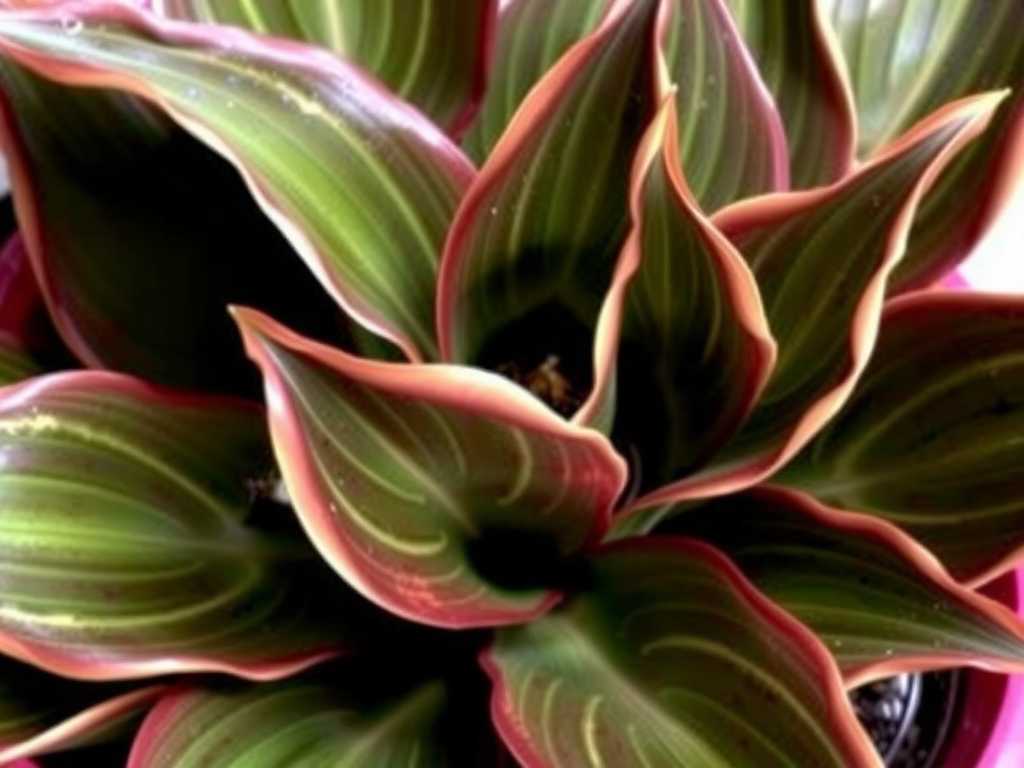
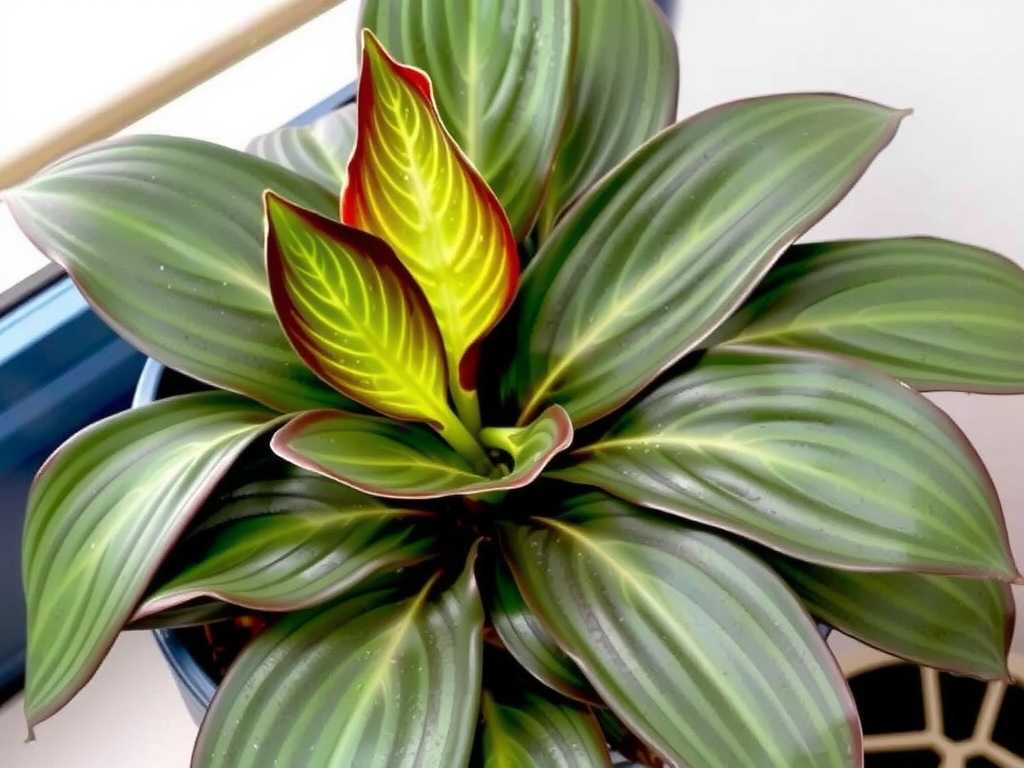
- Days 8-14: The most exciting development: a new leaf, which had been tightly furled at the start of the trial, began to unfurl. I watched it anxiously. It opened completely, showing off its deep green background and vivid pink stripes—with zero browning on the leaf edges. Not a single crispy tip. This was the definitive proof. The plant was now able to uptake water and nutrients without the toxic interference of tap water chemicals.
The Pitfalls I Encountered (And How You Can Avoid Them)
My journey wasn't perfectly smooth. Here’s where I stumbled:
- The "One-Time Flush" Misconception: Initially, I thought one good flush with filtered water would be enough. A week later, I saw a tiny speck of browning on an older leaf. I realized that if the soil was still holding old minerals, the plant would still be affected. This led me to the proper, repeated flushing protocol in Step 1. Solution: Be patient and thorough with the initial soil flushing. It may take more than one cycle.
- Ignoring Water Temperature: In my haste one evening, I used freshly filtered water straight from the cold tap. The plant showed signs of slight drooping the next day. Solution: Always let your water sit until it reaches room temperature. Tropical plants despise cold roots.
- Overwatering in My Zeal: Eager to "fix" things, I initially kept the soil too moist, fearing drought stress. This is dangerous and can lead to root rot, which also causes browning! Solution: Stick to the finger test. Filtered water isn’t a cure for overwatering; proper watering frequency is still key.
Sustaining a Healthy, Brown-Edge-Free Calathea
The two-week trial proved the concept, but long-term health requires consistency. I now use filtered water exclusively for all my sensitive plants. Every few months, I perform a gentle soil flush to prevent any slow buildup. I’ve also learned that while fixing brown leaf tips on prayer plants starts with water, it’s supported by stable humidity and avoiding direct fertilizer contact on the leaves. The transformation of my Calathea Ornata from a declining specimen to a vibrant, consistently pushing out perfect new leaves was entirely due to this single, consistent change.
Common Questions from Fellow Plant Lovers
Can I just boil tap water for my Calathea? Boiling removes chlorine (as it gasifies) but it actually concentrates the other minerals and fluoride as water evaporates. For hard water, boiling makes the problem worse. It is not a reliable solution for treating Calathea leaf scorch.
Should I cut off the brown edges on my Calathea Ornata? You can for aesthetics, but it's not necessary for the plant's health. If you do, use sharp, sterile scissors and follow the natural shape of the leaf, cutting off just the brown tissue. Leaving a small margin of brown prevents opening a fresh wound in the healthy green tissue. Remember, the damage is cosmetic; focus on providing the right water to prevent new browning.
How long will it take to see results after switching to filtered water? You will stop seeing new damage almost immediately (within 1-2 waterings). However, the true, visible sign of success is the next new leaf that unfurls. That leaf will have grown entirely using the clean water, and should be free of brown edges. This typically takes 2-6 weeks depending on your plant's growth cycle. Patience is key.
Watching a new leaf unfurl without a single flaw is the ultimate reward for any plant parent. It’s a clear sign you’ve cracked the code. For the Calathea Ornata, that code is almost always written in the water you provide. By making the switch to filtered water, you’re not just treating a symptom; you’re giving your plant the foundational element it needs to thrive, replicating a piece of its natural rainforest home on your shelf. The journey from frustration to lush, vibrant growth is simpler than it seems—it starts in your watering can.
发表评论