 admin
admin How to Care for Calathea Ornata in Fall to Prevent Winter Stress: Your Essential Prep Guide
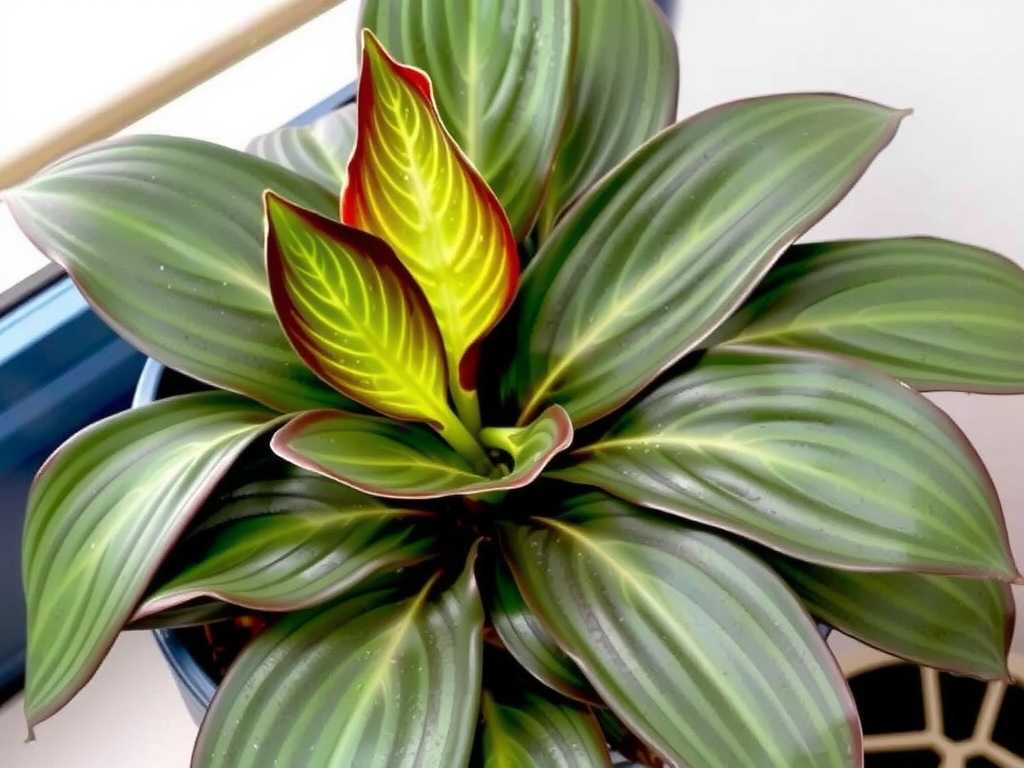
I’ll be honest—the first time I saw my Calathea Ornata’s leaves crisp at the edges as winter approached, my heart sank. That stunning pink-striped beauty, which thrived all summer, suddenly looked stressed and unhappy. If you’re here, you likely share that familiar pang of worry. You’re not just asking how to care for Calathea Ornata in fall; you’re seeking a reliable, step-by-step shield against the low light, dry air, and temperature dips of winter. This guide is born from my own two-week prep journey, the mistakes I made, and the solutions that worked. Together, we’ll prepare your plant to not just survive, but maintain its vibrant health through the colder months.
Understanding Your Calathea Ornata’s Winter Needs
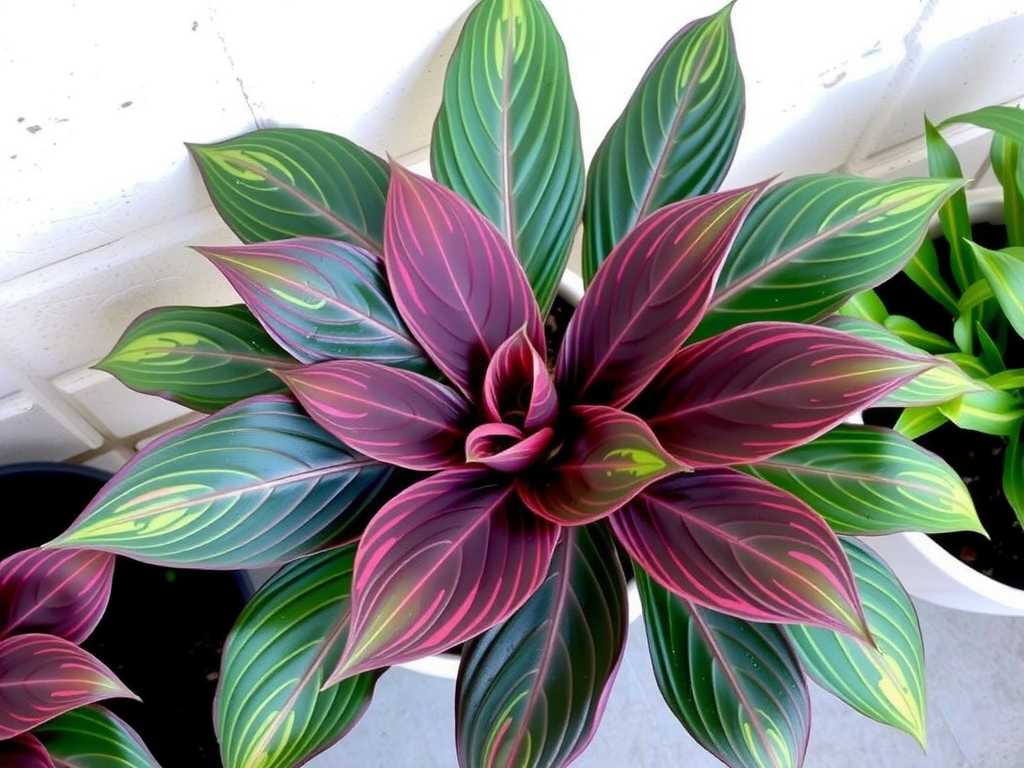
Before we dive into action, it’s crucial to understand why fall preparation is non-negotiable. Native to the understory of tropical rainforests, Calathea Ornata is engineered for consistent warmth, high humidity, and dappled light. Winter in most homes delivers the opposite: dry air from heating systems, fewer daylight hours, and cold drafts. This mismatch is the root of winter stress, manifesting as brown leaf tips, drooping, slowed growth, and increased susceptibility to pests. The Royal Horticultural Society (RHS) emphasizes that a gradual acclimatization to seasonal changes is far more effective than emergency interventions once damage appears. Fall is our window to build resilience.
My 2-Week Fall Preparation Protocol: A Step-by-Step Diary
I dedicated two weeks in early October to systematically transition my Calathea. Here’s exactly what I did, what I observed, and the lessons learned.
Week 1: The Foundation Phase
The goal of the first week was to assess and gently begin adjusting the plant’s core environment without causing shock.
Relocating for Optimal Light My plant spent summer a few feet back from an east-facing window. With daylight diminishing, I moved it closer to the same window to maximize available indirect light. I avoided a drastic shift to a south-facing window, which could scorch the leaves. Over the week, I observed the leaves continuing to pray (move up and down daily), a sign it was receiving adequate light without stress. The key here is to enhance existing good light, not to change the light type entirely.
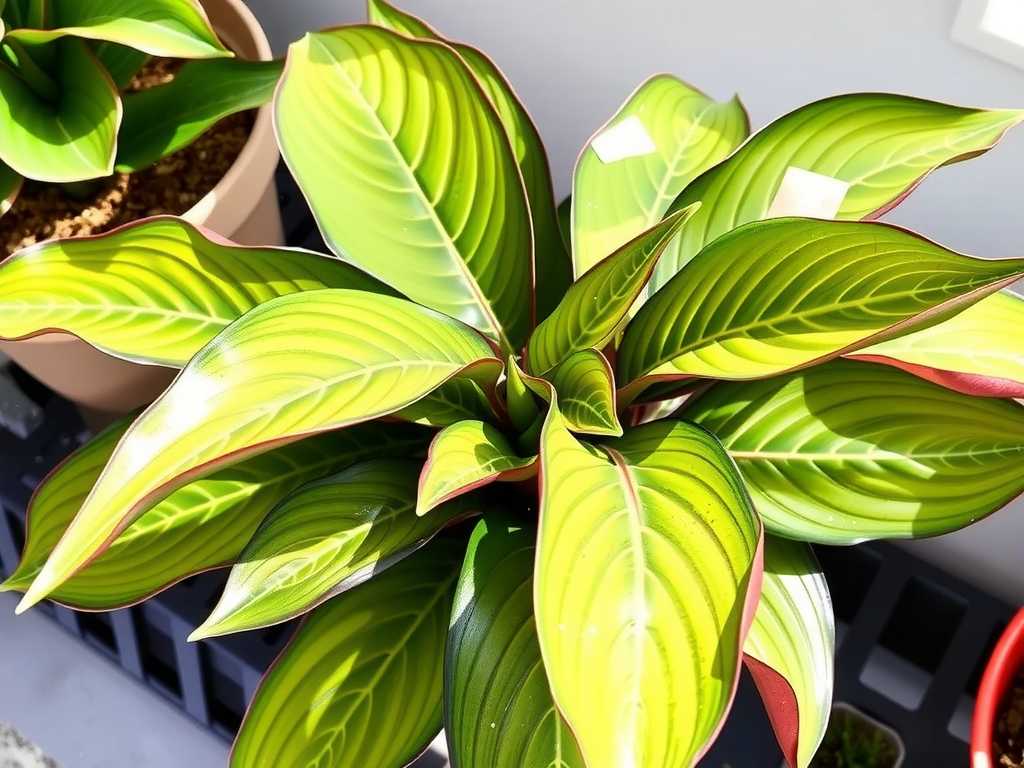
Initiating Humidity Adjustments Indoor humidity had dropped to around 40%. My target was a steady 60%+. Instead of immediately turning on a humidifier 24/7, I started with a pebble tray. I filled a shallow tray with water and pebbles, placing the pot on top (ensuring it wasn’t sitting in water). I also grouped it closer to my other humidity-loving plants. By day 3, I noticed the newest leaf unfurling without any crispy edges—a promising early sign. However, by day 7, the hygrometer still read only 48%. The pebble tray alone, as noted by many experts including the American Horticultural Society (AHS), is often insufficient in centrally heated homes. This was my first “aha” moment: I needed to escalate my humidity strategy.
Week 2: Intensification and Fine-Tuning
Week two involved ramping up the measures based on my initial observations and tackling a unexpected problem.
Implementing the Humidity Solution I introduced a cool-mist humidifier, placing it about three feet from the plant to create a gentle zone of moisture without making the foliage constantly wet. I ran it for 4 hours in the early morning and 4 hours in the evening. Within 48 hours, the humidity stabilized at 62%. The difference in leaf texture was palpable—they felt more supple and looked glossier. This direct approach to preventing winter stress in Calathea Ornata was clearly fundamental.
The Watering Routine Overhaul Here’s where I stumbled into a “pitfall.” Out of habit, I watered on my usual summer schedule. The soil took much longer to dry out in the cooler, lower-light fall conditions. I discovered the top inch of soil was still moist after 10 days, and I saw the very first signs of a fungal gnat. I had overwatered. The fix was immediate: I let the soil dry out nearly halfway down the pot before watering again with lukewarm, filtered water (tap water chemicals can exacerbate stress). To combat the gnats, I applied a thin layer of horticultural sand on the soil surface, which broke their lifecycle within a few days. This reinforced a critical rule: fall care for prayer plants is less about more water, and more about smarter, less frequent watering.
Draft Proofing and Temperature Checks I used a digital thermometer to audit the plant’s area. I found a 5-degree drop at night near the window. While not a freeze, this fluctuation was undesirable. I moved the plant just a foot further into the room at night, away from the glass. I also sealed a drafty window edge nearby. This maintained a stable range between 68-75°F (20-24°C), which is ideal for maintaining Calathea health in cooler seasons.
Essential Maintenance Before Winter Dormancy
Preparation isn’t just about the environment; it’s about the plant itself.
Strategic Pruning and Cleaning I carefully removed one fully yellowed older leaf at the base to direct energy to healthier growth. More importantly, I gently wiped every single leaf with a damp microfiber cloth. This removed dust, allowing for maximum photosynthesis during precious low-light periods, and gave me a chance to inspect for pests. I found none, thanks to the earlier corrective actions.
Hold the Fertilizer I completely stopped fertilizing at the start of my prep period. Feeding during reduced growth periods leads to salt buildup in the soil, which can burn roots and compound winter stress. The plant will resume feeding in spring.
Long-Term Winter Vigilance
Your fall prep sets the stage, but ongoing vigilance is key.
Monitoring and Adjusting I now check soil moisture with my finger every 5-7 days. I keep the humidifier on its fall schedule and will only increase it if heating makes the air Sahara-dry. I rotate the pot a quarter turn weekly for even growth as it leans toward the light.
Pest Prevention Stressed plants are pest magnets. My weekly leaf-wiping ritual continues. The increased humidity also deters spider mites, who prefer dry conditions. This proactive Calathea Ornata winter prep is the best defense.
What if my Calathea still gets brown tips this winter? Don’t panic. Slight browning can still occur. It’s often a sign of mineral buildup from water or the last vestiges of dry air. Continue your consistent care, use distilled or rainwater if possible, and trim the brown edges with clean scissors for aesthetics. The plant’s overall health is what matters most.
Can I repot my Calathea in the fall? Generally, no. Repotting is best done in spring or summer during active growth. Fall repotting can add unnecessary stress when the plant is trying to slow down. Only repot now if it is severely root-bound or has a soil-borne disease issue.
How do I know if my plant is getting enough light in winter? Watch for stretching (leggy growth) or a complete loss of the “praying” movement, which signals too little light. If you notice this, consider supplementing with a grow light for a few hours a day. A simple LED grow bulb in a desk lamp can work wonders.
Success with Calathea Ornata through winter is about embracing the role of a proactive guardian, not a reactive fixer. By dedicating time in fall to gradually adjust light, ramp up humidity, master a restrained watering routine, and ensure stable warmth, you build a buffer against the harsh indoor winter. My two-week journey transformed my approach from guesswork to a confident, systematic routine. The reward is a Calathea that enters spring ready to explode with growth, its stunning pink stripes a vibrant testament to your thoughtful care. Start your prep today, and watch your prayer plant thank you with its enduring beauty.
发表评论