 admin
admin How to Water Calathea Ornata in Spring for New Growth: Timing Tips
I’ve killed a Calathea ornata before. I admit it. One spring, filled with enthusiasm, I drowned its beautiful pink-striped leaves in love, only to watch it succumb to root rot. The heartbreak was real. If you’re here, you likely share that fear—the delicate balance between quenching its thirst and suffocating its roots. Spring promises vibrant new growth for our prayer plants, but getting the watering right is the single biggest make-or-break factor. After years of trial, error, and finally, success, I’ve systematized a spring watering routine that doesn’t just keep my Calathea alive but actively encourages a flush of stunning new leaves. This guide is my personal, hands-on journey to mastering the “when” and “how” of spring hydration.
Understanding Your Calathea Ornata’s Spring Awakening
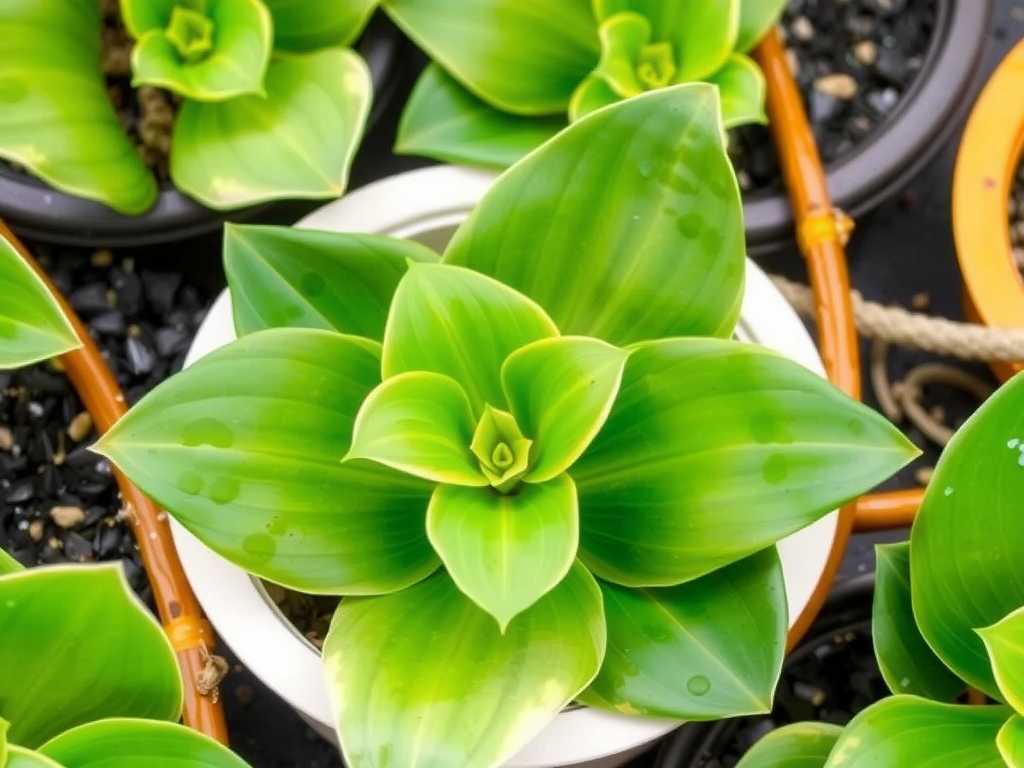
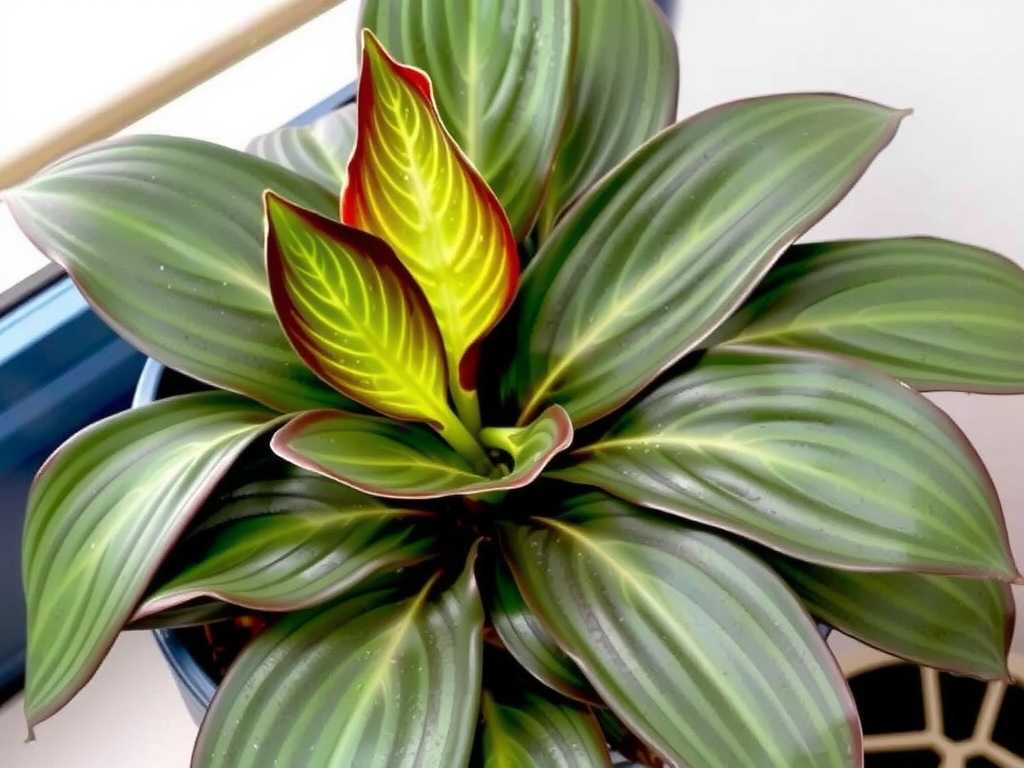
As daylight lengthens and temperatures gently rise, your Calathea ornata exits its winter rest. This isn’t just a subtle shift; it’s a metabolic awakening. New growth points, often hidden at the soil line or along the stems, begin to swell. The plant starts directing energy and resources to push out new, often larger, leaves. According to the Royal Horticultural Society (RHS), this increased photosynthetic activity directly correlates with a higher demand for water and nutrients. However, the root system, still reactivating, can be surprisingly vulnerable to excess moisture. My mistake was treating my waking plant like a fully sprinting one, leading to soggy soil that the roots couldn’t handle.
The Golden Rule: Check the Soil, Not the Calendar
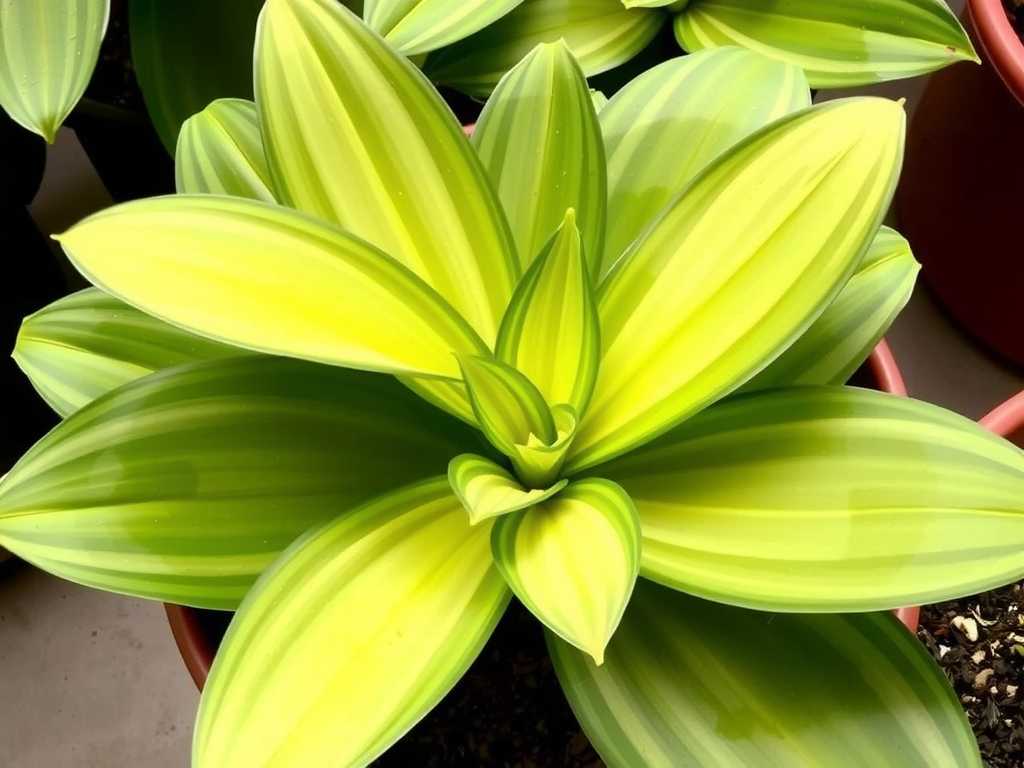
Forget watering every Sunday or every five days. The most crucial shift in my practice was abandoning a schedule for active observation. Your plant’s needs will vary based on pot size, soil mix, light exposure, and ambient humidity.
My Two-Step Soil Check Method: First, I insert my finger about two inches into the potting mix. If the top two inches feel dry to the touch, it’s a primary signal. Second, I lift the pot. I’ve gotten familiar with its weight when freshly watered versus when dry. A surprisingly light pot confirms what my finger felt. This tactile feedback is foolproof. In spring, as growth accelerates, you’ll notice the pot drying out more consistently than in winter, but perhaps not as rapidly as in peak summer heat.
Perfecting Your Spring Watering Technique
Knowing when to water is half the battle. How you water is equally critical for fostering healthy new growth without stress.
1. The Thorough Soak and Complete Drain Method: I always take my Calathea to the sink. Using a watering can with a long, narrow spout, I water evenly around the soil surface until I see water freely running out of the drainage holes. This ensures the entire root ball is moistened. Here’s the non-negotiable step: I let it sit in the sink for at least 30 minutes, allowing all excess water to drain away. No plant sits in a saucer of water in my home anymore. This prevents the lower roots from stewing in moisture, a primary cause of rot.
2. Water Quality Matters Deeply Calathea ornata is notoriously sensitive to chemicals in tap water, like fluoride and chlorine, which can cause brown, crispy leaf edges—marching the very beauty we cherish. I learned this the hard way. Now, I use room-temperature filtered water, rainwater, or distilled water. The difference in leaf health and color vibrancy, especially on new growth, was immediately apparent once I made the switch. The American Horticultural Society (AHA) notes that many tropical foliage plants show marked improvement when watered with non-chlorinated sources, as salts don’t accumulate in the soil to burn delicate roots.
My 2-Week Spring Watering Experiment & Observation Log
To truly dial in the timing, I conducted a focused observation on my Calathea ornata over a critical two-week period in early spring.
Week 1: Establishing a Baseline
- Day 1: Performed the finger and lift test. Top 2 inches were dry, pot was light. Watered thoroughly with filtered water until drainage, then let drain completely. Noted two unfurling new leaves.
- Day 3: Checked soil. Top inch was slightly moist, pot still had some weight. Did not water.
- Day 5: Finger test showed top 1.5 inches dry. Pot was noticeably lighter. Watered thoroughly. Observed that the new leaves had unfurled further.
- Day 7: Humidity dropped due to indoor heating. Soil surface dried faster. Misted the air around the plant (not the leaves directly) and grouped it with other plants to create a microclimate.
Week 2: Adjusting to Growth Signals
- Day 10: The two new leaves were almost fully open, and I spotted a third tiny spear emerging! The soil dried faster than the previous week, confirming increased water uptake.
- Day 12: Dry down to 2 inches. Watered thoroughly. The plant looked perky, with no signs of drooping or curling at the leaf edges—a classic sign of thirst I’d seen in the past.
- Day 14: Healthy, firm new growth. No yellowing. The watering interval had effectively shortened from roughly 7 days in late winter to 5 days, directly responding to the plant’s active growth phase.
The Pitfall I Encountered and How I Fixed It: During this experiment, I almost stumbled. On Day 6, one new leaf showed a tiny brown tip. I panicked—was it overwatering? Underwatering? I checked the soil deeper with a chopstick; it was evenly moist, not soggy. I realized my room’s humidity had plummeted to 35%. While my watering was on point, the arid air was stressing the tender new growth. I immediately placed the pot on a pebble tray filled with water (keeping the pot base above the water line) and ran a humidifier nearby. Within days, subsequent new growth emerged without browning. The lesson was holistic: perfect watering must be paired with adequate humidity, especially in spring.
Signs You’ve Got the Spring Watering Right (or Wrong)
You’re Nailing It:
- Consistent, steady unfurling of new leaves with vibrant pink stripes.
- Leaves are firm and held horizontally or slightly elevated.
- Soil moisture cycle is predictable (e.g., dries in 4-6 days).
- No yellowing of lower or new leaves.
Time to Adjust:
- Yellowing leaves, especially new ones: Often a sign of soggy soil and root distress. Let the soil dry out more deeply between waterings and check drainage.
- Crispy, brown leaf edges: Could be low humidity (most likely) or a reaction to water quality. Increase ambient moisture and switch your water source.
- Curling or drooping leaves: Typically a sign of thirst. Check the soil immediately; it’s likely too dry.
Integrating Watering with Overall Spring Care
Watering doesn’t exist in a vacuum. For that new growth to be robust, it must be supported.
- Light: I provide bright, indirect light. Direct spring sun can scorch leaves and increase water evaporation, throwing off your rhythm.
- Feeding: I begin a diluted, balanced liquid fertilizer every 4th watering once I consistently see new growth. This provides the nutrients needed for development without burning roots in damp soil.
- Humidity: As my experiment proved, I actively maintain humidity above 50% using a humidifier or pebble trays.
What’s the biggest mistake people make watering Calathea in spring? The most common error is increasing the frequency too aggressively before the plant has fully ramped up growth, leading to consistently wet soil. Always let the top two inches dry out first. The second mistake is using cold tap water, which can shock the roots. Always use water at room temperature.
Can I use a moisture meter instead of the finger test? Absolutely. I sometimes use one as a backup, particularly for deeper pots. However, calibrate it by also using the finger and lift test initially to ensure its readings match your plant’s actual condition. They are tools, not oracles.
My Calathea is pushing new growth but some leaves are also yellowing. What’s wrong? This is a classic spring dilemma. New growth is good, but yellowing often indicates the roots are struggling in the current conditions. The most probable cause is overwatering—the soil is staying too wet for too long between waterings, even as the top dries. Evaluate your soil mix; it may need more perlite or orchid bark for aeration. Ensure the pot has drainage holes and you’re not letting water sit in a cache pot.
Spring watering for Calathea ornata is a dance of observation and response. It’s about providing consistent moisture to fuel that beautiful new growth while rigorously avoiding sogginess. By tuning into your plant’s signals—the weight of the pot, the feel of the soil, the pace of new leaves unfurling—you move from a guesser to a confident caretaker. Remember, the goal is a thriving plant, not just a surviving one. With these timing tips and a focus on holistic care, you’ll see your Calathea ornata reward you with a season of spectacular, healthy growth.
发表评论