 admin
admin How to Care for Calathea Ornata in Hanging Planters Indoors: A Complete Watering Guide
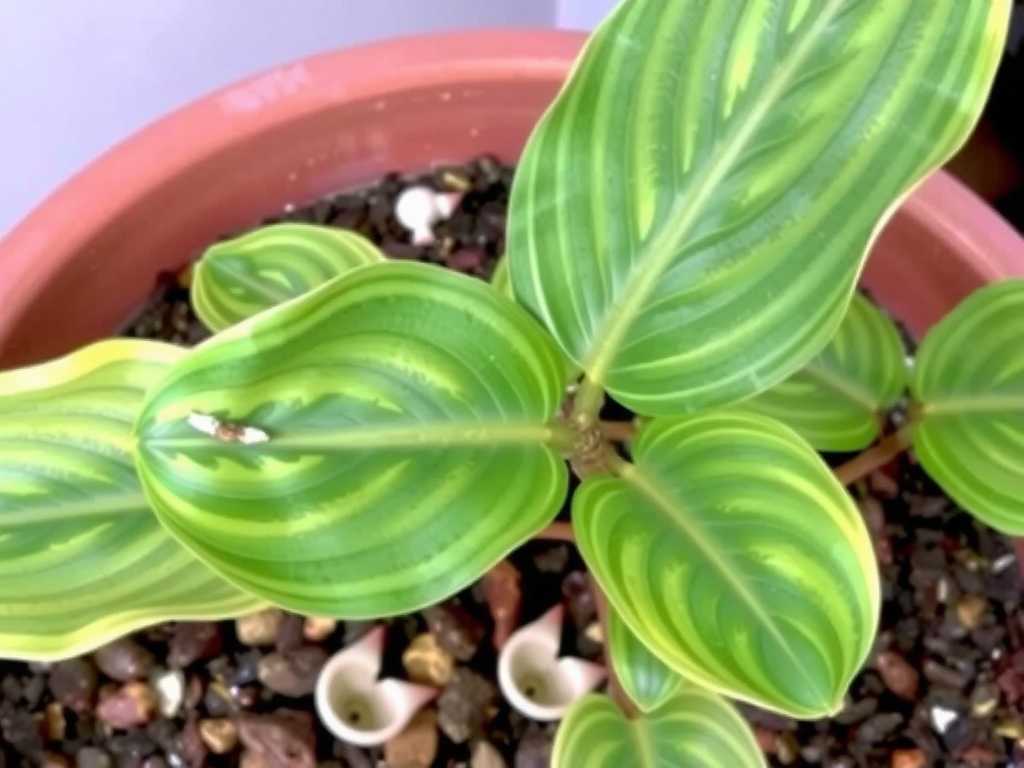
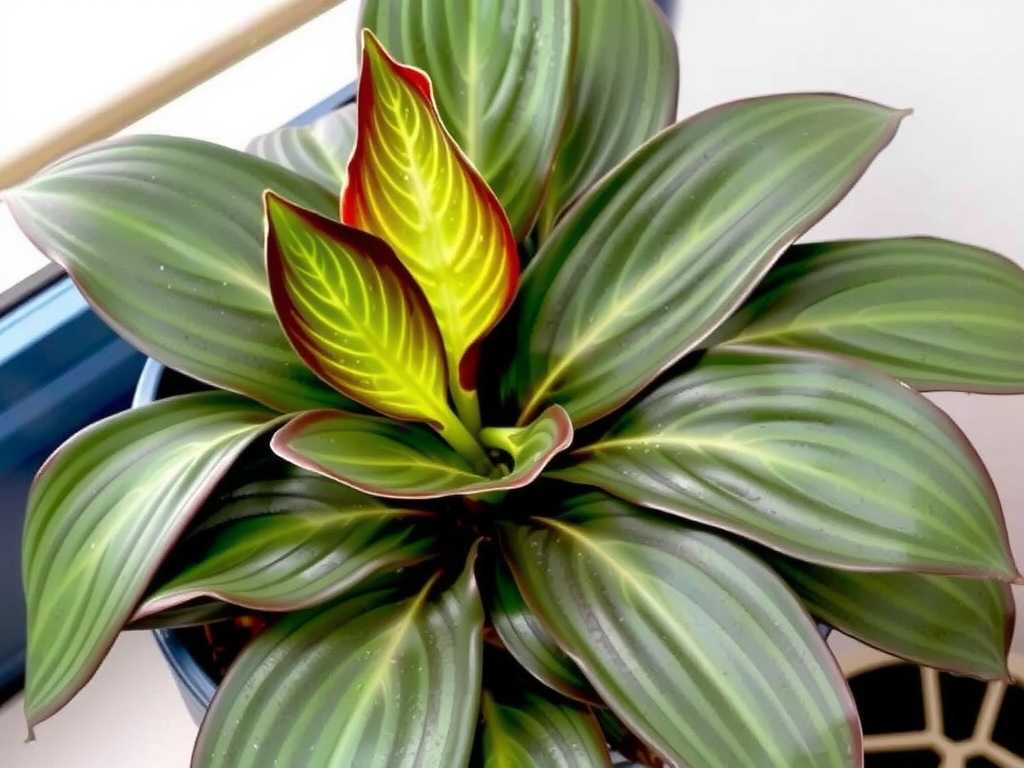
I’ll be honest. When I first brought my stunning Calathea Ornata home, with its painterly pink stripes on deep green leaves, I was terrified of killing it. I’d heard the horror stories: crispy edges, drooping leaves, and the dreaded, silent judgment of a dying prayer plant. The challenge felt even greater when I decided to place it in a hanging planter. How do you water properly when you can’t just set the pot in a sink? Getting the watering right for a Calathea Ornata in a hanging planter indoors became my mission. After two weeks of intense observation, adjustments, and a few near-misses, I’ve cracked the code. This guide is everything I learned, so you can skip the stress and enjoy your thriving, airborne beauty.
Why Watering a Hanging Calathea Ornata is Different
Hanging your Calathea Ornata isn’t just an aesthetic choice; it fundamentally changes its care. Gravity works against you. Water drains faster and more completely, which can be good, but it also means the soil can dry out unevenly. The airflow around a hanging pot is superior, accelerating evaporation. Furthermore, you lose the simple diagnostic tool of picking up the pot to feel its weight. According to the Royal Horticultural Society (RHS), plants in containers, especially those exposed to air on all sides, require more frequent moisture checks than their shelf-dwelling counterparts. My initial mistake was treating my hanging Ornata the same as my floor plants. Within three days, I saw the first signs of thirst—a slight curling at the leaf edges. The game had changed.
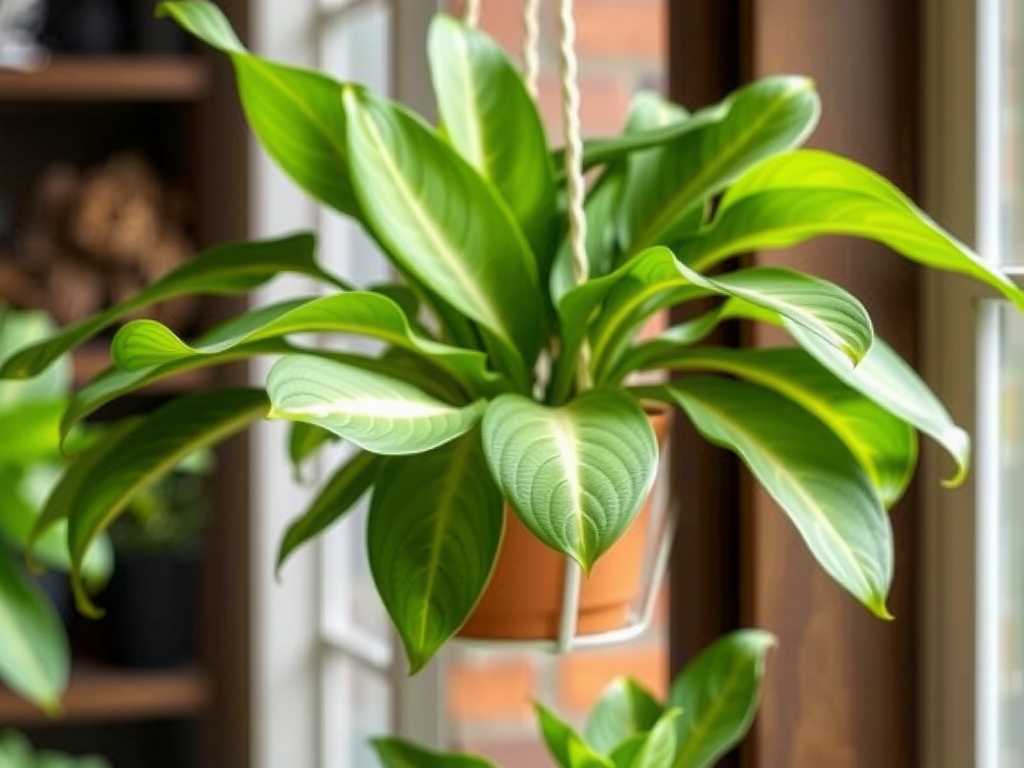
The Golden Rule: Consistency is Key, Not a Schedule
Forget watering every Tuesday. The most crucial watering tip for hanging Calathea plants is to water based on need, not the calendar. Calathea Ornata craves consistently moist soil. The key word is moist, not soggy. I developed a simple, two-step check that never failed me over my 14-day observation period.
First, I perform the finger test. Every morning, I gently insert my index finger about 2 inches into the soil. If the top inch feels dry, it’s time to water. For a hanging plant, I use a slender moisture meter probe to avoid disturbing the root ball too much. Second, I observe the leaves. Calathea Ornata is famously expressive. In the evening, its leaves should rise in a “praying” motion. If they remain droopy or start to curl slightly at the edges during the day, it’s a silent cry for water. This plant communication became my most reliable guide.
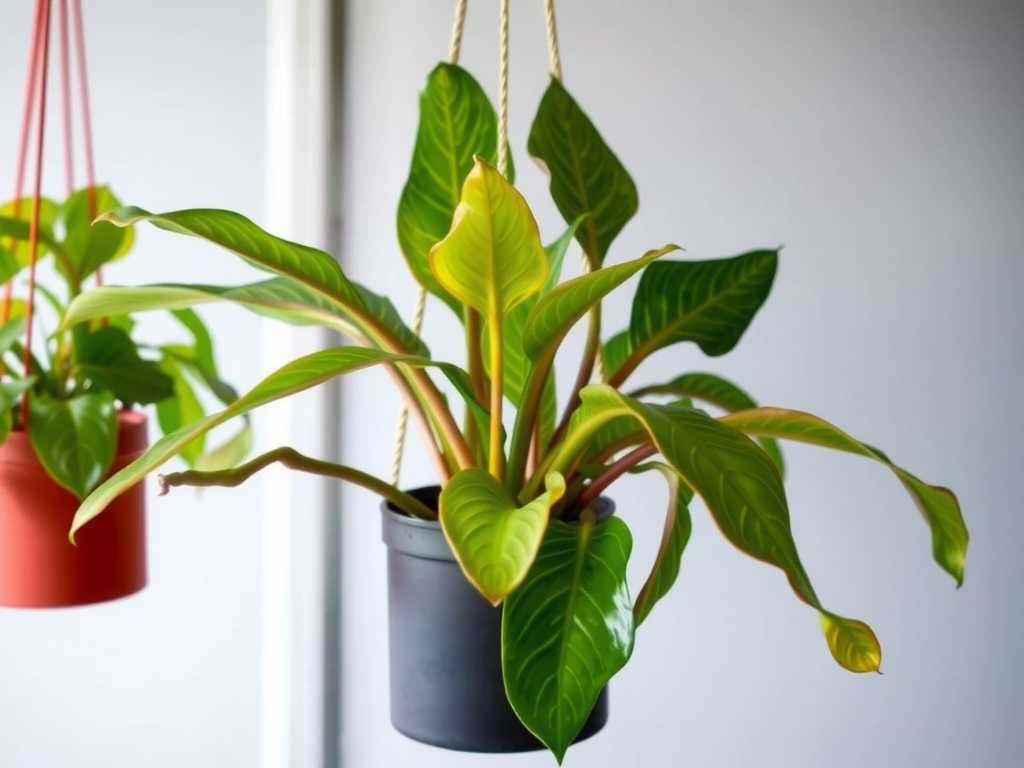
My Step-by-Step Watering Ritual for Success
Here is the exact routine I followed, which transformed my plant’s health.
Step 1: The Preparation I use room-temperature filtered or distilled water. Calathea Ornata is sensitive to chemicals like fluoride and chlorine in tap water, which can cause brown leaf tips. I fill my watering can the night before and let it sit, allowing some chemicals to dissipate and ensuring it’s never shockingly cold.
Step 2: The Thorough Soak This is non-negotiable. I take the planter down and place it in a sink or large bowl. I water slowly and evenly over the soil surface until I see water freely running out of the drainage holes. I let it sit in the evacuated water for about 10 minutes, allowing the soil to absorb moisture from the bottom up—a technique known as bottom watering. This ensures the entire root ball is hydrated, not just the top layer. Then, I lift it out and let it drain completely. The American Horticultural Society (AHA) emphasizes that complete drainage is critical to prevent root rot, a common killer.
Step 3: The Return & Wipe Before re-hanging, I always check the saucer or attached drip tray. It must be completely dry. I also take this moment to wipe the leaves with a damp cloth. Clean leaves photosynthesize more efficiently and it’s a perfect chance to check for pests. Finally, I re-hang my now-happy, hydrated plant.
The Two-Week Experiment: Observations and Adjustments
I committed to documenting my plant’s response for two full weeks.
- Days 1-4: I started with my old habit—top watering without taking it down. The water ran straight through, pooling in the drip tray. The leaves remained slightly curled. My moisture meter showed damp soil at the top but dry patches deeper down. I realized I wasn’t hydrating the core.
- Days 5-8: I switched to my sink soak method. Within 48 hours, the difference was dramatic. The leaf curling stopped. The stems felt firmer. The evening prayer movement was more pronounced. The soil stayed evenly moist for nearly 5 days.
- Days 9-14: I fine-tuned. My apartment’s humidity dropped mid-week, so the soil dried faster. I added a daily misting in the morning (avoiding evenings to prevent fungal issues) and placed a small humidifier nearby. This maintained the ideal moisture for indoor hanging Calatheas and prevented the dry, crispy edges I feared.
The Pitfalls I Encountered (And How I Fixed Them)
I hit a few snags, and you probably will too.
The Dreaded Crispy Edges: Despite my careful watering, a few older leaves developed brown, crispy tips. This wasn’t a watering volume issue but a water quality and humidity issue. I doubled down on using distilled water and increased ambient humidity with the humidifier. New growth has since emerged flawless.
The “Always Wet” Trap: In a well-meaning effort to keep soil moist, I initially used a pot without great drainage. Bad idea. The lower soil stayed wet, and I saw the first signs of yellowing lower leaves—a classic sign of overwatering. I immediately repotted into a planter with multiple drainage holes and a chunky, well-aerating mix of potting soil, perlite, and orchid bark. Crisis averted.
The Weight Guesswork: Not being able to heft the pot was disorienting. I solved this by weighing the pot (in my hands) right after a perfect watering. I memorized that “heavy” feel. Then, I’d check it again before my finger test. The dramatic difference in weight between “watered” and “needs water” became a fantastic secondary indicator.
Creating the Perfect Environment: Beyond Just Water
Watering doesn’t exist in a vacuum. To master how to water a hanging Calathea Ornata, you must manage its entire microclimate.
- Light: My Ornata hangs in bright, indirect light about 3 feet from an east-facing window. Direct sun scorches leaves and dries soil too fast.
- Soil: I use a peat-based mix amended with 30% perlite for drainage and a handful of horticultural charcoal to keep it fresh. This mix retains moisture but resists compaction.
- Humidity: This is the secret sauce. I aim for 60%+ humidity. The humidifier is the best tool, but clustering plants together or using a pebble tray underneath (if the planter allows) also helps.
Common Questions from Fellow Plant Lovers
Can I use self-watering pots or globes for my hanging Calathea? I experimented with a watering spike during my two-week test. For me, it led to uneven moisture and kept the soil too wet in one spot. Calatheas prefer a cycle of thorough watering followed by a slight drying of the top layer. Manual watering, with the soak-and-drain method, gave me far more control and better results.
How often will I actually need to water? In my typical home environment (68-75°F, ~50% humidity without aid), the sink soak method meant watering every 7-9 days. In warmer, drier periods, it was every 5-6 days. Let your finger test, not the date, dictate the rhythm.
What’s the one sign I’m overwatering? The first and clearest sign is yellowing leaves, particularly the older, lower ones. The stems may also feel soft or mushy at the base. If you see this, stop watering immediately. Check the roots for rot (brown and slimy), repot into fresh, dry mix, and adjust your routine.
Caring for a Calathea Ornata in a hanging planter is a deeply rewarding practice. It teaches you to observe, to respond, and to work with the plant’s natural rhythms. By focusing on consistent soil moisture with perfect drainage, using the right water, and supporting it with adequate humidity, you can avoid the common pitfalls. The result is a breathtaking display of healthy foliage that dances day and night. My two-week journey turned fear into confidence, and that vibrant, striped plant now hangs not just as decoration, but as a testament to a watering routine done right.
发表评论