 admin
admin How to Fix Temperature Stress in Calathea Ornata: My Step-by-Step Adjustment Guide
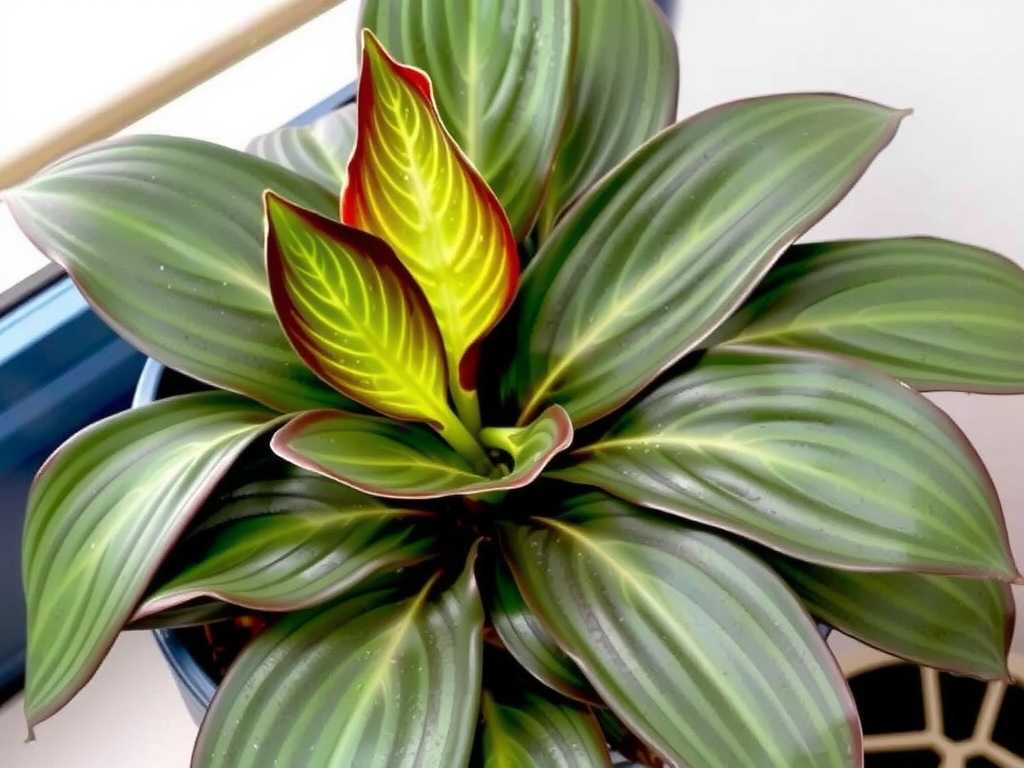
I’ll admit it—I almost lost my beloved Calathea Ornata, the one with those breathtaking pink-striped leaves, to a silent killer I hadn’t fully respected: temperature stress. One day it was a picture of health; the next, its leaves began crisping at the edges, curling inwards, and losing that vibrant posture. If you’re here, you’re likely seeing the same distress signals—browning leaf tips, drooping, or stunted growth. It’s frustrating, especially when you’re diligent about watering. I learned the hard way that for this tropical native, temperature isn’t just a background factor; it’s a cornerstone of its well-being. In this guide, I’ll walk you through my exact, hands-on process for diagnosing and fixing temperature stress in Calathea Ornata, sharing the adjustments that worked, the mistakes I made, and the two-week transformation I witnessed.
Understanding Calathea Ornata’s Native Climate and Stress Signals
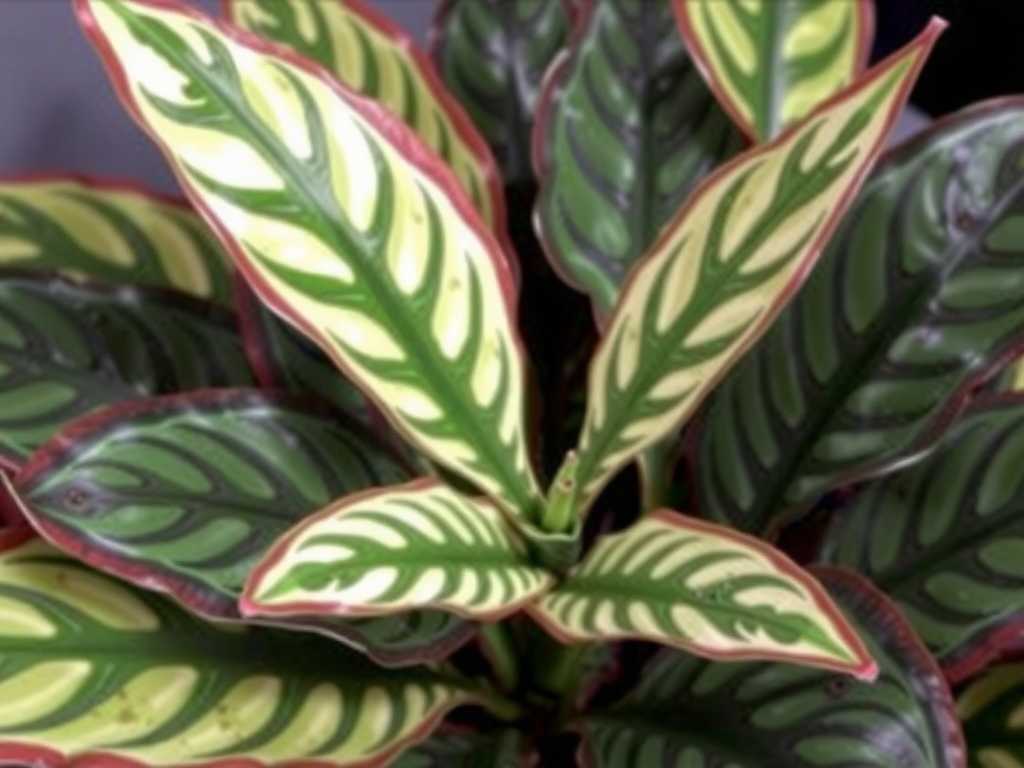
Before we can fix the problem, we need to speak the plant’s language. Calathea Ornata hails from the warm, humid understory of South American rainforests. This origin story is non-negotiable. According to the Royal Horticultural Society (RHS), these plants thrive in consistently warm temperatures between 65°F (18°C) and 85°F (29°C), with a strong aversion to drafts and sudden fluctuations. The American Horticultural Society (AHS) emphasizes that temperatures dipping below 60°F (15°C) can cause direct chilling injury, disrupting cellular processes.
My plant was showing classic symptoms of temperature stress in Calathea Ornata:
- Leaf Curling: Leaves curling inward like a scroll, trying to reduce surface area and moisture loss.
- Crispy Brown Edges and Tips: Often mistaken for low humidity alone, but exacerbated by hot, dry air from heaters or cold drafts.
- General Drooping and Limp Leaves: A sign the plant’s metabolic functions were slowing down.
- Stunted New Growth: New leaves were either not emerging or were small and misshapen.
My first mistake was assuming my room’s "comfortable" temperature was its comfort zone. A digital hygrometer-thermometer (my most crucial purchase) revealed the truth: my windowsill, while bright, was a chilly 58°F (14°C) at night due to a drafty window, while the nearby radiator blasted dry heat up to 80°F (27°C) during the day. This 20+ degree swing was the root cause.
My Two-Week Rescue Plan: Correcting Temperature Fluctuations
I committed to a 14-day adjustment protocol, focusing on stability above all else.
Week 1: Diagnosis and Immediate Environmental Shifts
Day 1-3: The Relocation and Monitoring Phase. My first action was to move the plant to a stable location. I chose a spot in my living room, away from all air vents, radiators, exterior doors, and that drafty window. It received bright, indirect light from a north-east facing window. I placed the digital thermometer next to the pot to log readings morning, noon, and night.
The first critical adjustment for Calathea Ornata temperature was simply ending the exposure to extremes. Within 48 hours, the most dramatic change was the cessation of further leaf curling. The existing curled leaves didn’t uncurl, but no new leaves adopted that defensive posture. This was my first sign I was on the right track.
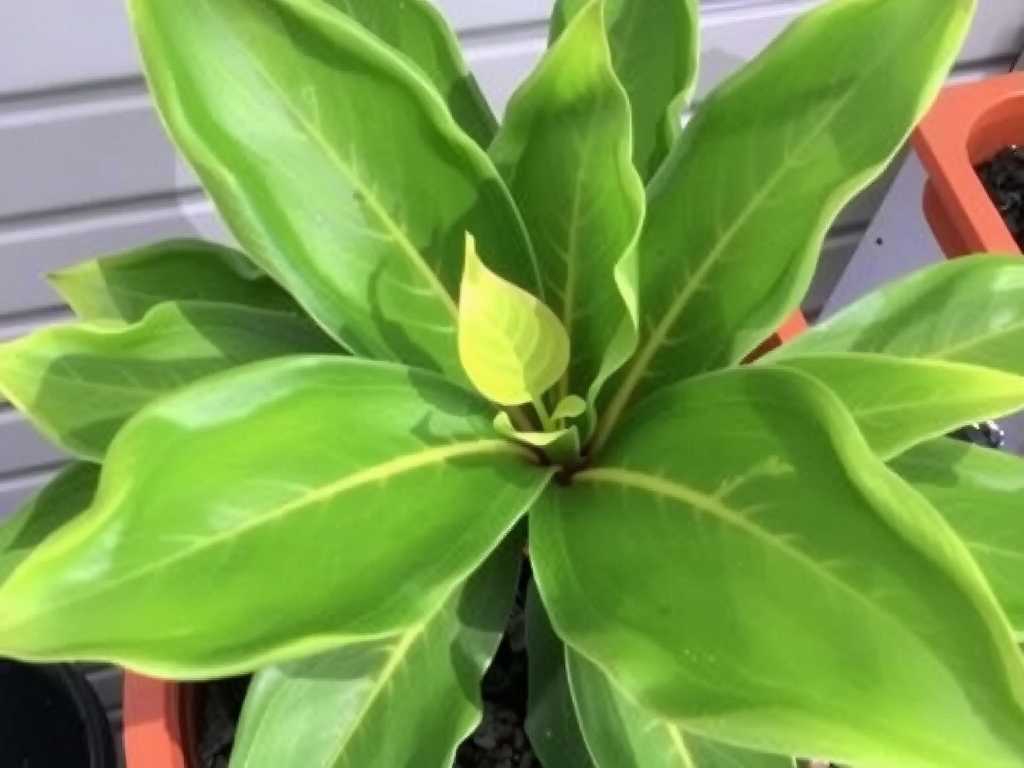
Day 4-7: Introducing Gentle, Consistent Warmth. The spot was stable but averaged 67°F (19°C). To nudge it into the optimal range, I introduced a small, thermostatically controlled heat mat designed for seed starting. I set it to a constant 72°F (22°C) and placed the Calathea’s pot on top. This provided gentle, root-zone warmth, mimicking the warm forest floor. Crucially, the heat mat prevents temperature drops at night, a key factor in managing Calathea Ornata’s heat and cold stress.
I also grouped it with my other humidity-loving plants. While primarily for humidity, plant clustering creates a more stable microclimate with buffered temperature. By Day 7, the previously limp leaves felt firmer to the touch, and the plant overall looked less "sad."
Week 2: Refinement and Observing Recovery
Day 8-10: Addressing Secondary Humidity Stress. With temperatures now stable between 72-75°F (22-24°C), the remaining issue was the crispy leaf edges. Stable warmth is pointless if the air is desert-dry. My radiator’s dry air had done damage. While I used a pebble tray, the real game-changer was a cool-mist humidifier. I ran it intermittently, aiming to maintain humidity around 55-60%. I avoided misting directly, as this can promote fungal issues on leaves.
Day 11-14: Patience and Assessment. The two-week mark was revealing. The plant had pushed out one new, perfectly formed leaf with vibrant pink stripes—the first in over a month. The existing leaves, while still bearing some brown tips from past damage, stopped getting worse. Their color deepened, and the plant resumed a prayer-like movement (nyctinasty), a sure sign of good health. The recovery was undeniable.
Common Pitfalls I Encountered and How I Solved Them
- The “One-Spot-Fits-All” Fallacy: I initially thought any bright spot would do. I was wrong. Testing your Calathea’s location with a thermometer for 24 hours is essential. That perfect-looking shelf might be over a heating duct or in a cold corridor.
- Over-reliance on HVAC: Trusting my home’s heating/cooling to maintain plant-safe conditions was a mistake. These systems create dry air and drafts. Creating an independent, stable microclimate was key.
- Neglecting the Nighttime Drop: Indoor temperatures can plummet at night. The heat mat solved this. For those without one, moving plants away from windows at night in colder months is a must.
- Confusing Temperature Stress with Watering Issues: I initially overwatered, thinking the drooping was thirst. Cold roots + wet soil = root rot risk. I let the top inch dry out before watering with tepid water (never cold), which prevents shocking the roots.
Sustaining the Perfect Climate Long-Term
Fixing the crisis is one thing; maintaining peace is another. My long-term strategy involves:
- Seasonal Vigilance: I’m extra cautious in winter (drafts, heaters) and summer (air conditioning blasts).
- The Right Tools: My digital hygrometer-thermometer is always on. The humidifier runs in dry months. The heat mat is ready for winter.
- Consistent Care: Stable temperatures allow for a more predictable watering schedule. The plant is now more resilient.
Frequently Asked Questions
Can a Calathea Ornata recover from severe cold damage? It depends on the extent. Leaves with cold damage (blackened, mushy spots) will not recover and should be trimmed. However, if the roots and stem are alive, correcting the temperature conditions for healthy Calathea Ornata will allow the plant to channel energy into new growth. Patience is key—recovery can take months.
What is the ideal temperature for Calathea Ornata at night? Aim to keep nighttime temperatures above 65°F (18°C). A drop of a few degrees is natural, but anything below 60°F (15°C) risks stress. This is where a consistent location or a gentle heat mat makes all the difference.
My room temperature is perfect, but my plant still has brown tips. Why? While temperature is foundational, it works in tandem with humidity. Warm air can hold more moisture, but if the ambient air is dry, the plant will still lose water faster than it can uptake. Ensure you’re addressing both factors. Also, use filtered or distilled water, as Calatheas are sensitive to minerals in tap water which can compound tip-browning.
Watching my Calathea Ornata rebound taught me that plants don’t just need care; they need consistency. Temperature stability isn’t a minor detail—it’s the stage upon which all other care (watering, light, feeding) performs. By understanding its needs, diligently monitoring its environment, and making thoughtful adjustments, you can transform a stressed specimen back into the stunning, striped jewel it’s meant to be. The journey from curled, crispy leaves to resilient new growth is deeply rewarding. Your Calathea isn’t just being dramatic; it’s communicating. Now you know exactly how to listen and respond.
发表评论