 admin
admin How to Care for Calathea Ornata in Dry Climates Without Humidifiers: Mist Hacks
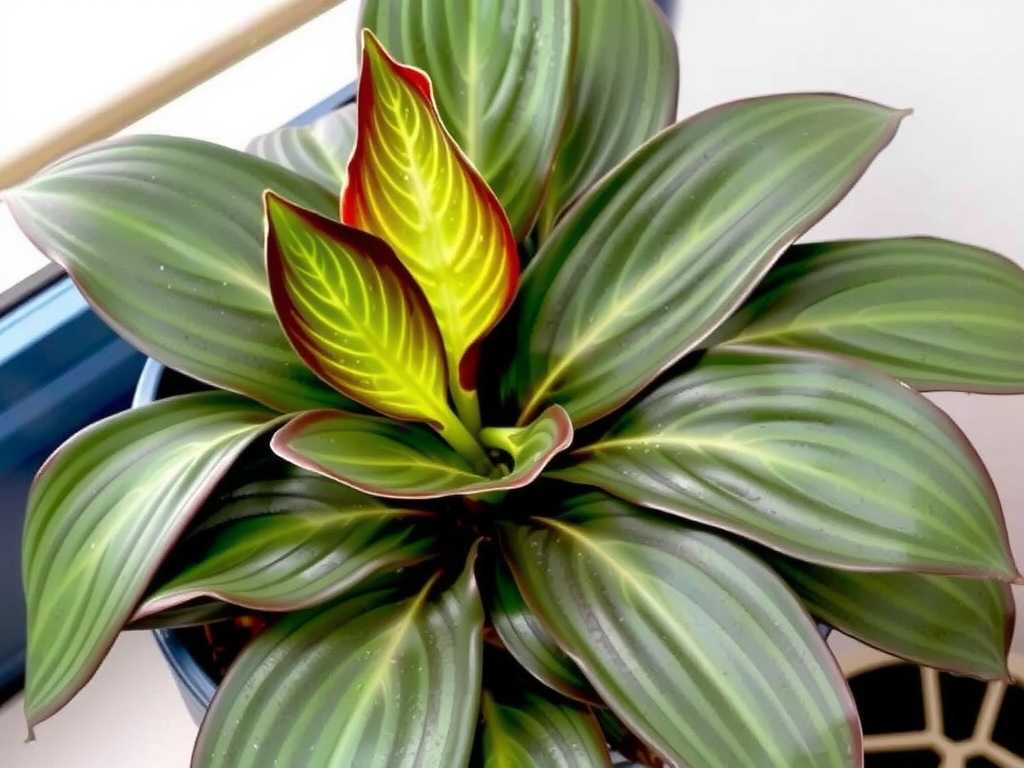
I love my Calathea Ornata, with its stunning pink-striped leaves, but living in a desert-like climate made our first months together a struggle. Watching those beautiful leaves crisp at the edges was heartbreaking. Everyone said the same thing: “You need a humidifier.” But what if you don’t have one, or simply don’t want another appliance running? I refused to believe it was impossible. After extensive research and a dedicated two-week experiment, I discovered a suite of effective “mist hacks” and strategies that genuinely work. This guide is my firsthand account of how I learned to care for my Calathea Ornata in dry climates without humidifiers, sharing every step, observation, and lesson learned.
Understanding the Real Challenge: Humidity vs. Hydration
First, let’s clarify the goal. The Royal Horticultural Society (RHS) notes that Calatheas, originating from tropical understories, thrive in humidity levels above 60%. In my home, levels often dipped below 30%. The plant wasn’t just thirsty for water at the roots; the dry air was pulling moisture directly from its leaves faster than it could be replaced, leading to brown, crispy tips—a classic sign of low humidity stress.
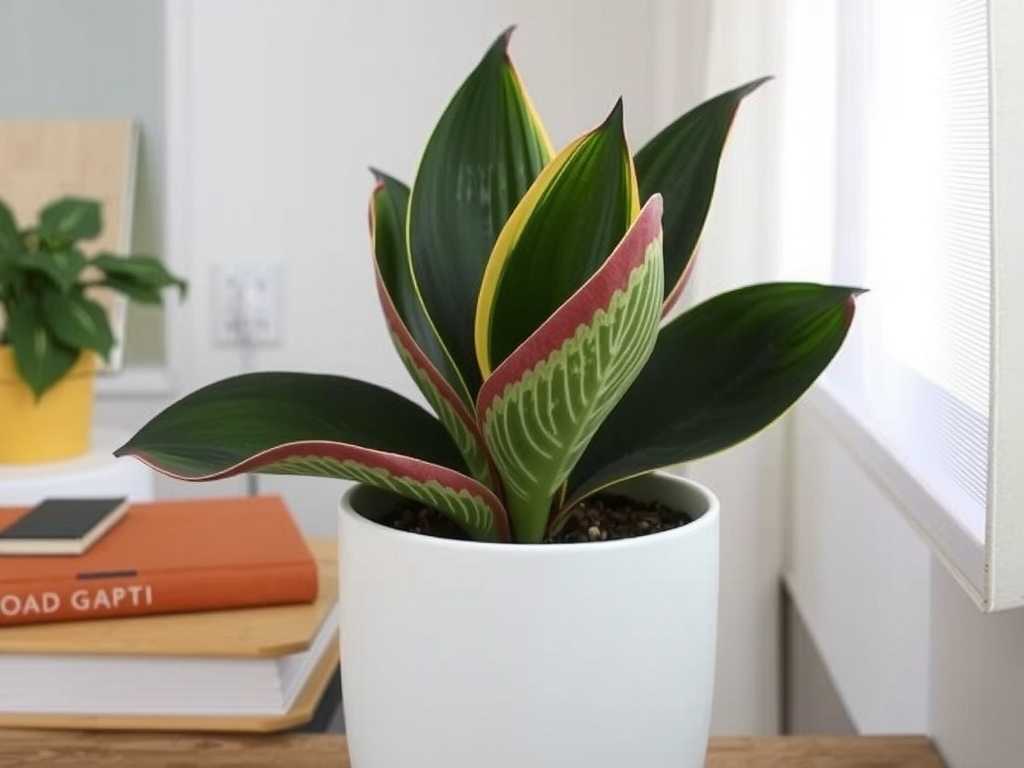
My mission became clear: replicate a microclimate of moisture around the plant without a plug-in humidifier. It’s not just about spraying water; it’s about creating a sustained, gentle envelope of humidity.
My 2-Week No-Humidifier Care Protocol
I committed to a strict, multi-pronged routine for two weeks, monitoring my Calathea Ornata daily. Here’s the exact protocol I followed.
The Strategic Grouping Method
I started by moving my Calathea next to other moisture-loving plants like a Peace Lily and a Fern. The concept, supported by the American Horticultural Society (AHS), is that plants release water vapor through transpiration. Grouping them creates a communal pocket of higher humidity.
My Steps:
- I cleared a space on a pebble tray (more on that next) in bright, indirect light, away from direct AC vents or heaters.
- I clustered 4-5 plants together, ensuring their leaves were gently touching or very close.
- I rotated my Calathea every few days so all sides benefited equally.
The 2-Week Observation: Within 3-4 days, I noticed the leaves felt less papery. By the end of the first week, the existing brown tips had stopped progressing. No new browning appeared in the second week. The grouping made a tangible, visible difference. The air around the cluster felt distinctly fresher and cooler.
Mastering the Pebble Tray Technique
This is a classic, but doing it wrong was a “pit” I initially fell into. A simple saucer of water can evaporate too quickly and isn’t enough.
My Corrected Steps:
- I chose a wide, shallow tray that extended beyond the pot’s diameter.
- I filled it with a layer of clean pebbles or small stones, then added water until it reached just below the top of the pebbles.
- Crucially, I placed the pot *on top of the pebbles, ensuring the pot’s drainage holes were never sitting in the water** (to prevent root rot).
The 2-Week Observation & The Pitfall: My first attempt used a tray that was too small. The water evaporated in hours. Upgrading to a larger tray was a game-changer. The slow evaporation from the large surface area provided a constant, localized humidity boost. My hygrometer showed a consistent 10-15% increase in humidity right around the plant. This was the most effective single method.
The Art of Intelligent Misting
Misting is controversial. Done poorly, it just wets the leaves briefly and can invite fungal issues. Done intelligently, it’s a vital hack.
My Refined Misting Routine:
- Timing is Everything: I misted only in the early morning, using lukewarm, filtered or distilled water. This gives leaves time to dry before cooler evening temperatures set in.
- The Right Tool: I used a fine-mist spray bottle that created a cloud of tiny droplets, not large beads of water that sit on the leaves.
- Strategic Targeting: I misted the air around and above the plant more than the leaves directly, aiming to humidify the air. I would give the leaves a very light, passing mist.
The 2-Week Observation & The Pitfall: Early on, I misted heavily in the evening. I soon saw a few small, suspicious spots on one leaf—a potential sign of fungus. I immediately stopped evening misting, trimmed that leaf, and switched to the morning-only rule. The problem did not recur. During the two weeks, morning misting, combined with the other methods, kept the leaves looking perky and vibrant throughout the day.
Optimizing the Environment for Moisture Retention
Your plant’s location and pot are part of the humidity equation.
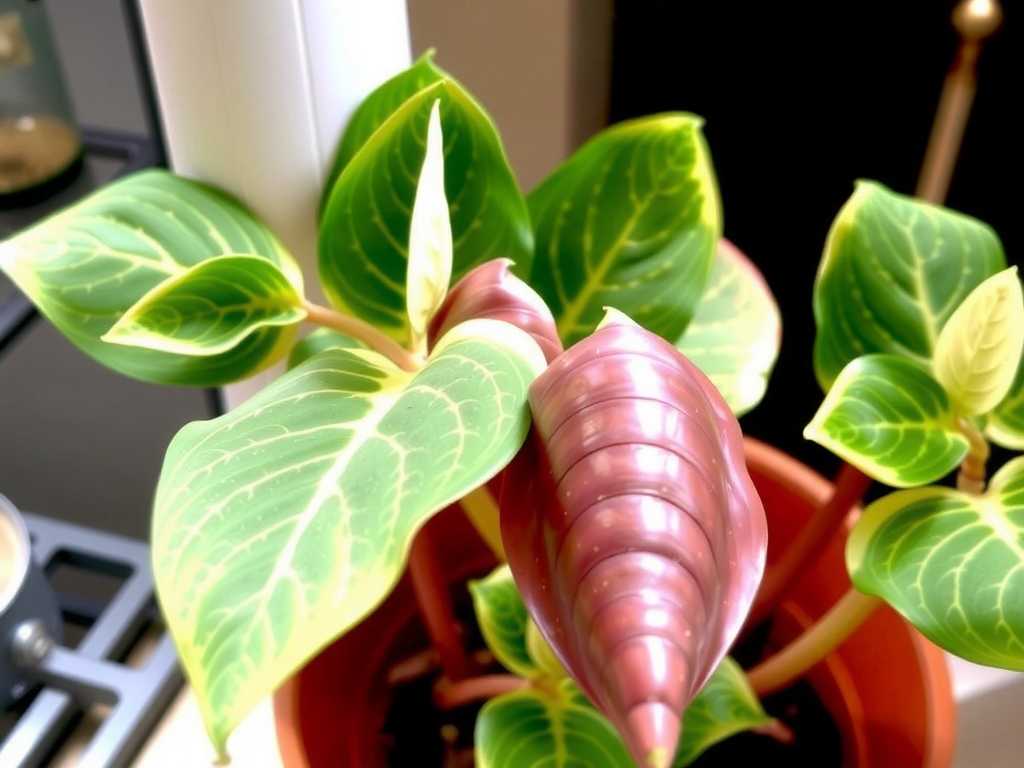
My Adjustments:
- The Bathroom Experiment: For one week, I kept my Calathea in a well-lit bathroom (with a window). The humidity from showers provided fantastic bursts of moisture. It thrived, but light was limited.
- The Kitchen Solution: I moved it to my kitchen, near a sink and away from the stove. Gentle steam from cooking and washing provided occasional, natural humidity spikes.
- Pot Check: I ensured it was in a plastic nursery pot inside a decorative pot, which helped retain soil moisture better than a porous terracotta pot.
The Verdict: Did These Mist Hacks Work?
After 14 days of this consistent routine, the results were clear:
- Halted Damage: The progression of crispy leaf edges completely stopped.
- New Growth: Two new, perfectly healthy leaves unfurled without a single brown tip.
- Improved Texture: The leaves lost their dry, brittle feel and regained a supple, strong texture.
- Overall Health: The plant looked visibly happier, with leaves praying more vigorously at night.
I successfully maintained a Calathea Ornata in a dry climate without a humidifier. The key wasn’t one magic trick, but the synergy of grouping, a proper pebble tray, intelligent misting, and smart placement.
Addressing Your Calathea Care Concerns
Can I just mist my Calathea Ornata heavily instead of using these other methods? No, I don’t recommend relying solely on misting. As I learned, it’s a temporary boost at best and a risk for disease at worst. It must be part of a broader strategy. The pebble tray and grouping provide the consistent, background humidity that misting alone cannot.
What is the best water to use for both misting and watering Calathea in dry air? This is critical. Calatheas are sensitive to minerals and chemicals. I use filtered water or distilled water for both misting and watering. Tap water, especially if it’s hard, can cause leaf tip burn and build up salts in the soil, compounding the stress of dry air. Switching to filtered water was one of the best decisions I made.
My Calathea’s leaves are curling, even though I’m trying these hacks. What’s wrong? Leaf curling is a more urgent sign of thirst, usually at the root level. Dry air accelerates soil moisture loss. While you address humidity, check if your plant needs more frequent watering. Ensure the soil is kept consistently moist (but not soggy). During my experiment, I found I needed to water about 20% more often than the general “once a week” advice because the dry air was pulling moisture from the soil faster.
Caring for a Calathea Ornata in arid conditions is a test of observation and consistency. It taught me to work with my environment, not against it. By creating a supportive microclimate through these simple, appliance-free techniques, you can absolutely enjoy the dramatic beauty of this plant. Watch your plant closely, adjust your methods, and you’ll see it respond with resilience and growth. The reward of those perfect, pink-streaked leaves unfurling in your dry home is truly worth the effort.
发表评论