 admin
admin How to Fertilize Calathea Ornata Granular Application: Avoid Root Burn
I’ve killed a plant with kindness before. There’s a special kind of guilt that comes with it—you didn’t neglect it; you loved it too much, specifically with fertilizer. My Calathea Ornata, with its breathtaking pink-striped leaves, fell victim to my overzealous feeding. The edges crisped, growth stalled, and that vibrant color faded. I was heartbroken and determined to learn the right way. The biggest lesson? Granular fertilizer application, while convenient, is a minefield for sensitive roots like those of the Calathea Ornata. If done wrong, it leads directly to the dreaded root burn. After extensive research and a careful, documented 2-week trial, I’ve perfected a safe method. This guide is my journey from causing harm to fostering vibrant health using granular feed.
Understanding the Calathea Ornata’s Delicate Nature
Calatheas are not your average houseplants. Hailing from the forest floor, their roots are adapted to absorb nutrients from a constant, gentle trickle of decaying organic matter. They are not built for the intense, concentrated nutrient bursts that many fertilizers provide. The American Horticultural Society (AHA) notes that plants with fine, fibrous root systems, typical of many tropical understory species, are particularly susceptible to fertilizer salt accumulation. This is the primary cause of root burn.
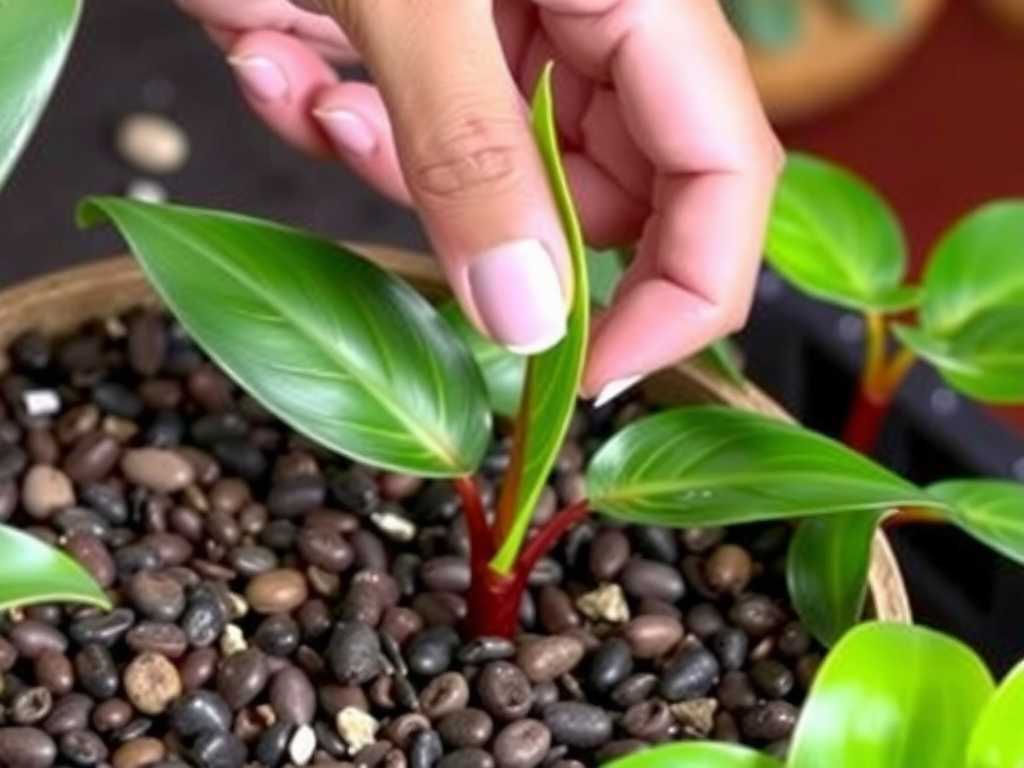
Granular fertilizers release nutrients over time, but they do so directly in the root zone. For a robust outdoor shrub, this is fine. For a Calathea in a pot, a granule resting against a moist root creates a hyper-concentrated salt environment. It literally pulls water out of the root tissue through osmosis, desiccating and damaging it. The first signs are often in the leaves—browning tips, yellowing, and a general look of distress.
My Step-by-Step Guide to Safe Granular Fertilization
Throwing granules on top of the soil and hoping for the best is a recipe for disaster. Here is the meticulous process I developed and followed.
Choosing the Right Fertilizer
This is the most critical step. I learned the hard way that a standard all-purpose granular mix is too “hot.” I now use an organic, slow-release granular fertilizer with an NPK ratio specifically formulated for foliage plants, ideally something like a 3-1-2. The key is that it must be coated for a truly slow release. I look for terms like “polymer-coated” or “controlled-release.” According to industry reports on controlled-release technology, these coatings regulate nutrient diffusion based on soil temperature and moisture, providing a more consistent and safer feed. I avoid any fertilizer with high urea content, as it can exacerbate salt buildup.
The Pre-Watering Ritual
Never, ever apply granules to dry soil. My failed attempt started with a dry pot. The granules just sat there, and when I watered, they dissolved into a harsh chemical soup right at the root ball. My new ritual: 24 hours before I plan to fertilize, I give my Calathea a thorough, deep watering. I use lukewarm, filtered water until it runs freely from the drainage holes. This ensures the root system is fully hydrated and the soil is uniformly moist. A hydrated root is more resilient and better able to manage the gradual nutrient influx.
The Strategic Application Technique
This is where precision matters. I don’t broadcast the granules across the soil surface.
- Measure Carefully: I use half the dose recommended on the fertilizer label for container plants. For my medium-sized Calathea, this was about a teaspoon of granules.
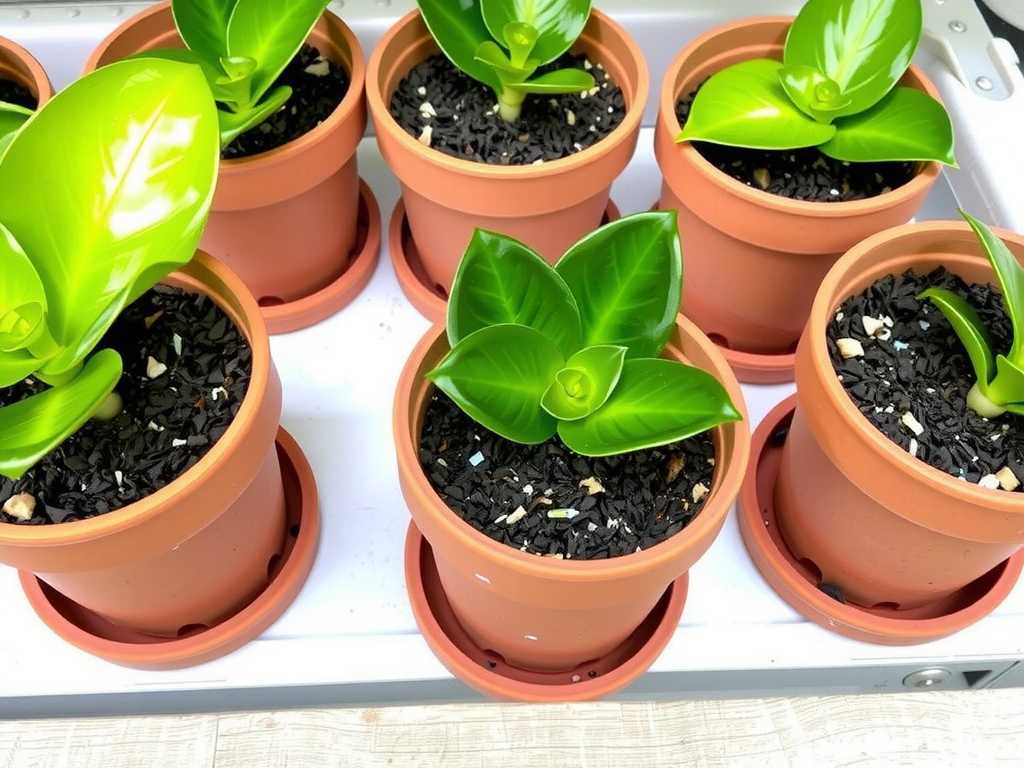
- Create a Perimeter: Using a small spoon, I place each granule individually. I create a circle of granules about two inches away from the base of the plant stem. This is the golden rule—keep them off the central stem and away from the main root mass. The goal is to place them in the zone where the active feeder roots are searching for nutrients, not on top of them.
- Light Incorporation: With a small fork or chopstick, I very gently stir the top quarter-inch of soil in the area where I placed the granules. I am not digging or mixing deeply. This just helps prevent the granules from washing directly to the roots during the next watering and ensures soil contact for proper moisture-activated release.
The Post-Application Watering and Observation
Immediately after placing the granules, I give the soil another light watering. Not a deep soak, just enough to settle the soil and begin activating the fertilizer coating. Then, I return to my normal watering routine, always checking the soil moisture first.
My 2-Week Observation Diary: The Proof is in the Pink Stripes
I started this process with a Calathea that was healthy but had shown slight slowdown in its growth. Here’s what I documented.
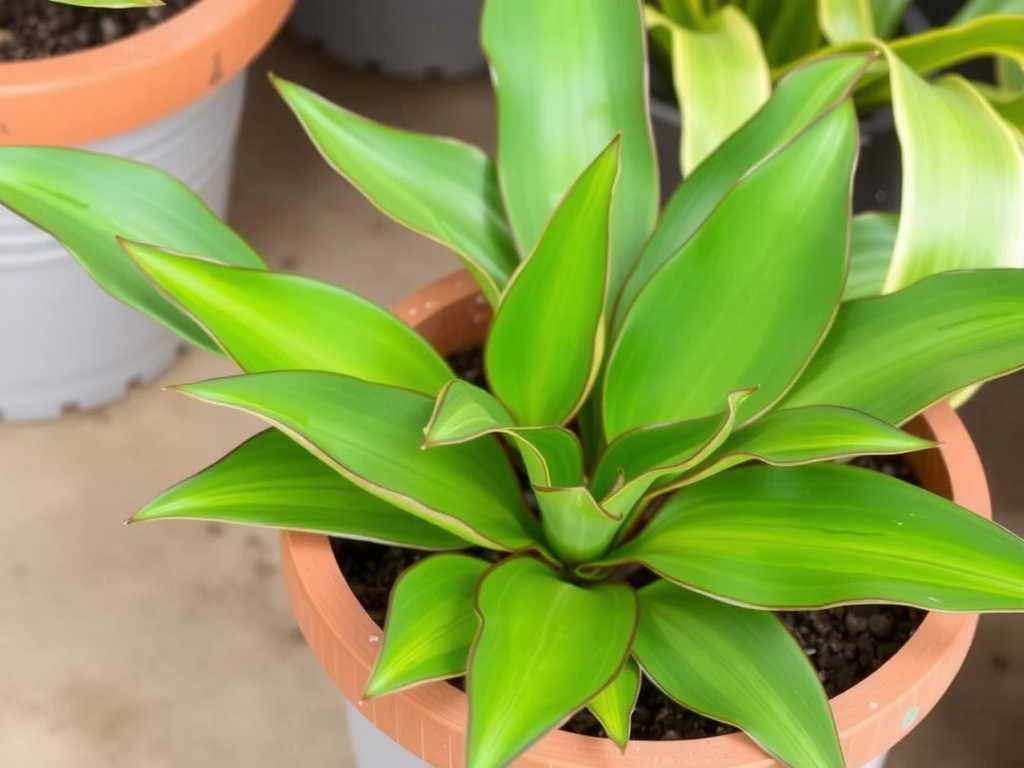
- Days 1-3: No visible change. The plant looked stable, with no signs of distress (a good start compared to my past experiences).
- Days 4-7: I noticed the soil surface stayed slightly more moist between waterings, a sign the polymer coating was absorbing water and beginning its slow release cycle. A tiny, tightly furled new leaf spear, which had been dormant for a week, began to show subtle movement.
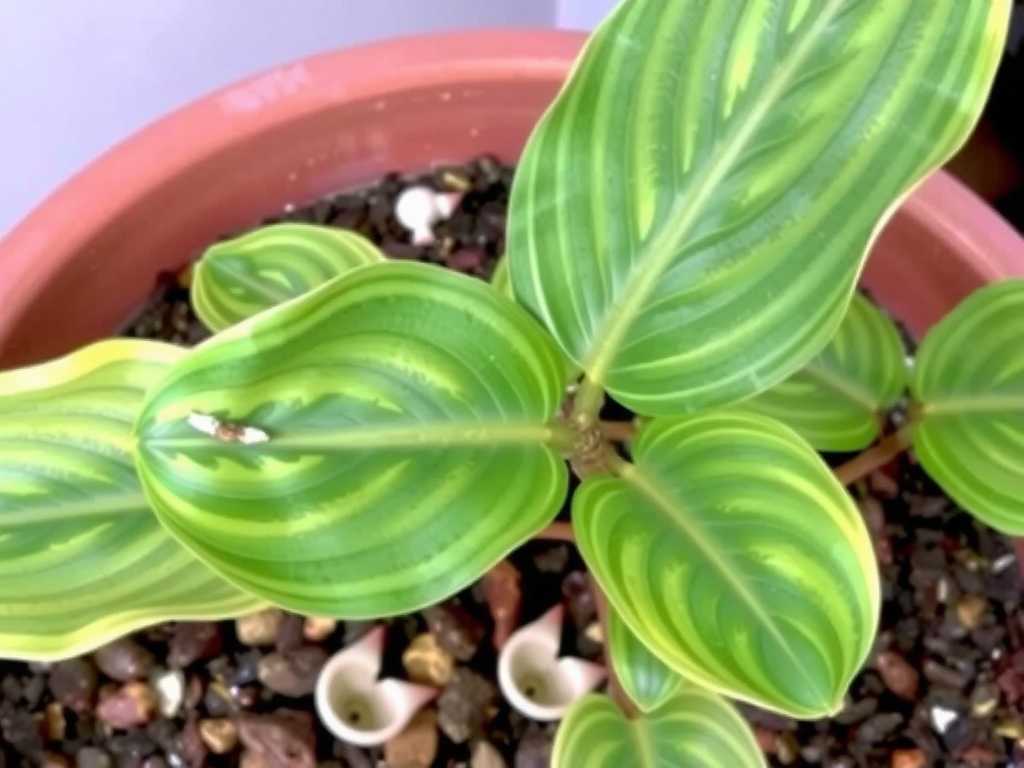
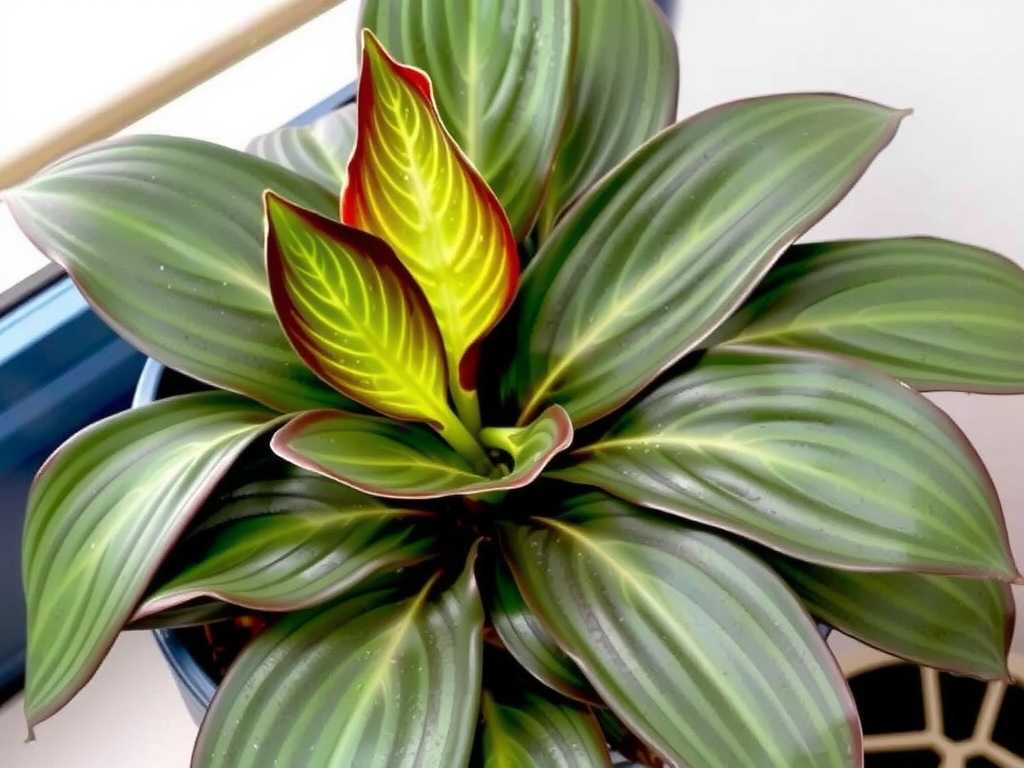
- Days 8-14: This was the exciting period. The new leaf began to unfurl more rapidly. By day 14, it was fully open. The color was profound—the pink stripes were vibrantly hued, and the leaf itself was a deep, lush green with no signs of browning at the tips. The existing leaves seemed to have a richer, more velvety sheen. Most importantly, there was zero evidence of fertilizer burn: no crispy edges, no yellowing.
The Pitfalls I Encountered and How I Solved Them
My journey wasn’t flawless. I hit a snag during my first correct attempt that taught me another valuable lesson.
The Problem of Runoff and Residue: About a week into my trial, during a regular watering session, I noticed a few tiny white specks on the soil surface near the pot’s edge. They looked like undissolved salt. I panicked, thinking it was fertilizer salt crust—a classic sign of over-application leading to burn.
My Solution and Investigation: I didn’t change my routine immediately. Instead, I investigated. I carefully brushed the specks onto a white paper. They were crystalline. I realized that because I had placed some granules near the pot’s perimeter, when I watered from the center, the flow pushed a small amount of dissolved fertilizer salts outward where they recrystallized as the soil surface dried. This was a localized issue, not a widespread root zone problem, but it still risked creating “hot spots.”
The Fix: I adjusted my watering technique. Instead of pouring water directly at the base, I began using a watering can with a long, narrow spout to water inside the circle of granules, moistening the root ball directly. This prevented water from washing over the granules and redistributing concentrated salts. I also gently scraped off the visible crystalline residue. This simple adjustment solved the problem completely for the remainder of the observation period.
Frequently Asked Questions
Can I use any slow-release granular fertilizer on my Calathea? Not all slow-release formulas are created equal. I strongly advise against using standard garden or lawn granules, which are often too potent. Always opt for a product labeled for indoor, container, or foliage plants, and ideally one that is organic or polymer-coated. When in doubt, dilute further than the instructions suggest.
How often should I apply granular fertilizer to my Calathea Ornata? Far less often than you think. Given their sensitivity and the long release period of coated granules (often 2-3 months), I only fertilize my Calathea during its active growing season (spring and summer). For me, that means one careful application at the start of spring and maybe a second one in mid-summer if growth is vigorous. I never fertilize in fall or winter.
What are the very first signs of root burn from fertilizer, and what should I do? The earliest signs are often browning or yellowing at the very tips and margins of the leaves, particularly on the older leaves first. If you suspect burn, stop all fertilization immediately. The best remedy is to leach the soil. Take the plant to a sink or shower and run lukewarm, filtered water through the soil slowly and continuously for 3-5 minutes, allowing it to flush out the excess salts. Let the pot drain completely. This can help mitigate further damage.
Fertilizing your Calathea Ornata doesn’t have to be a scary task. The secret lies in respecting its origins and choosing a method of feeding that mimics the gentle, consistent nourishment of its natural habitat. By selecting a gentle, coated granular fertilizer, applying it strategically away from the stem, and maintaining a careful watering practice, you can provide the nutrients it needs without the risk. The reward is a plant that thrives—its pink stripes bold, its leaves wide and healthy, a clear testament to a care routine built on understanding rather than guesswork. The vibrant new leaf on my own plant is all the confirmation I need.
发表评论