 admin
admin How to Care for Calathea Ornata in Rock Planters: Drainage Boost
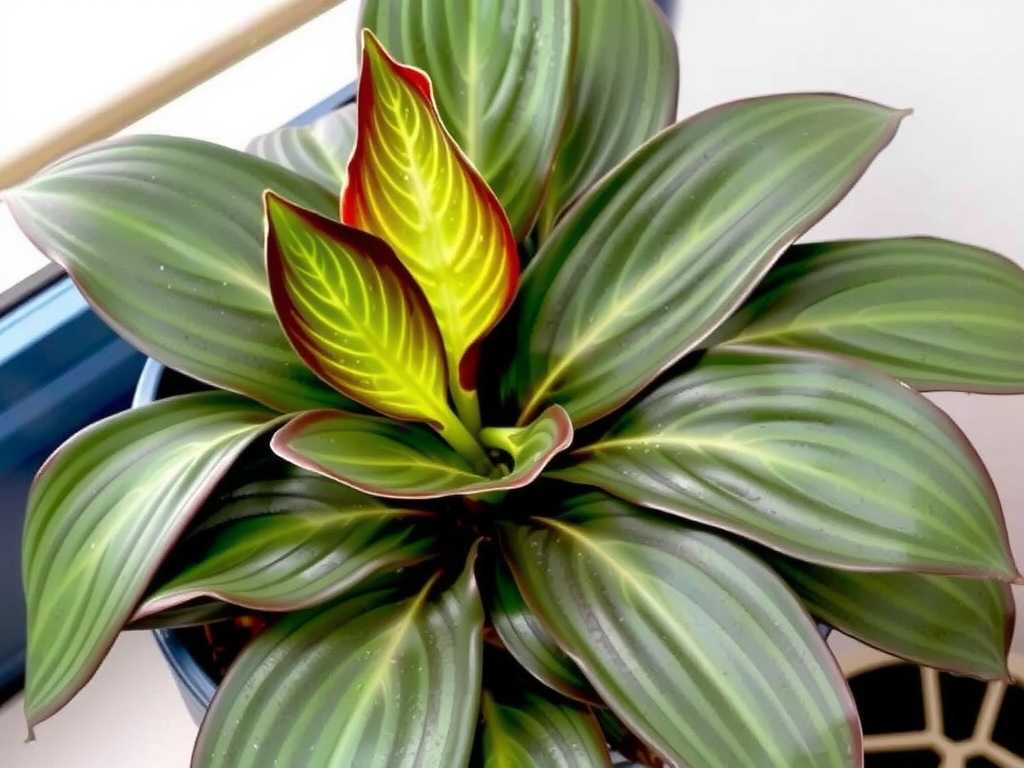
I’ve always been captivated by the Calathea Ornata, with its stunning pink-striped leaves that look like they’ve been hand-painted. But as any enthusiast knows, this beauty is notoriously fussy, especially when it comes to its roots. The single biggest killer of these prayer plants is soggy soil. For years, I battled with finding the perfect pot—one that was aesthetically pleasing yet functionally sound. Then, I discovered rock planters. Their porous nature promised the ultimate drainage boost I was desperately seeking for my moisture-sensitive Calathea. This is my complete, hands-on guide on how to care for Calathea Ornata in rock planters, born from two weeks of meticulous observation, a few mistakes, and ultimately, a thriving plant.
My journey wasn't just about aesthetics; it was a direct response to a core pain point: root rot. Traditional glazed ceramic or plastic pots often trap water, creating a deadly environment for Calatheas. The promise of a rock planter is its ability to wick away excess moisture, but it requires a specific approach to get right.
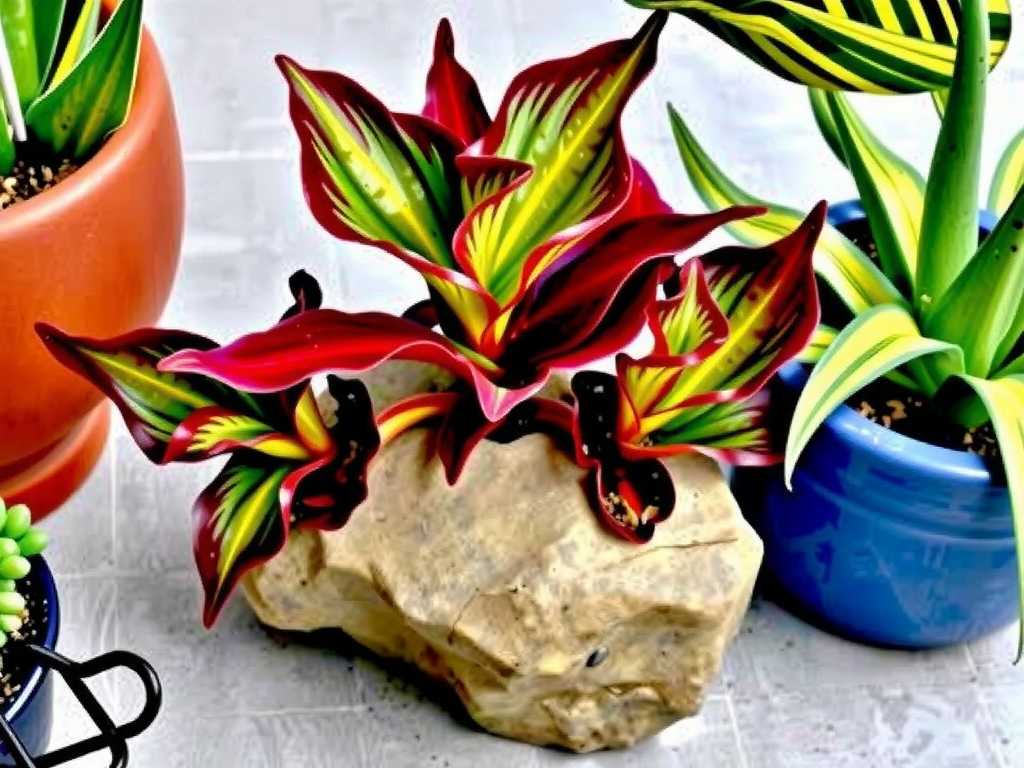
Why Rock Planters Are a Game-Changer for Drainage
The Royal Horticultural Society (RHS) consistently emphasizes the critical importance of good drainage for houseplants prone to root rot. They note that the container material plays a significant role in soil aeration. Rock planters, typically made of porous materials like terracotta, concrete, or unglazed ceramic, excel here. Their microscopic pores allow air and water vapor to pass through the walls of the pot, actively pulling excess moisture away from the soil. This process, known as “wicking,” provides a constant, gentle drainage boost that is far more effective than relying solely on a drainage hole.
For Calathea Ornata, which loves consistently moist but never wet soil, this is ideal. The planter acts as a partner in moisture management, helping to prevent the waterlogged conditions it despises. However, this very benefit introduces a new challenge: increased evaporation. This was the first major lesson of my two-week experiment.
My Step-by-Step Process for Planting and Care
Armed with a beautiful, unglazed terracotta planter, I began. Here’s exactly what I did, and what I learned along the way.
Step 1: Preparing the Rock Planter I started by soaking my new terracotta planter in water for about 30 minutes. This is a crucial step many skip. A dry terracotta pot will greedily suck moisture from your potting mix, robbing your plant’s roots of water from day one. Soaking saturates the pot’s pores, preventing this initial shock.
Step 2: Creating the Perfect Soil Mix A standard potting soil would drain too quickly in a porous planter. I needed a mix that retained moisture evenly while still being well-aerated. I followed a recipe often cited by experts:
- 40% high-quality, peat-free potting compost (for structure and some moisture retention).
- 30% orchid bark (for chunky aeration and to prevent compaction).
- 20% perlite (for drainage and lightness).
- 10% horticultural charcoal (to keep the soil fresh and absorb impurities). This mix is light, fluffy, and perfectly complements the drainage properties of rock planters.
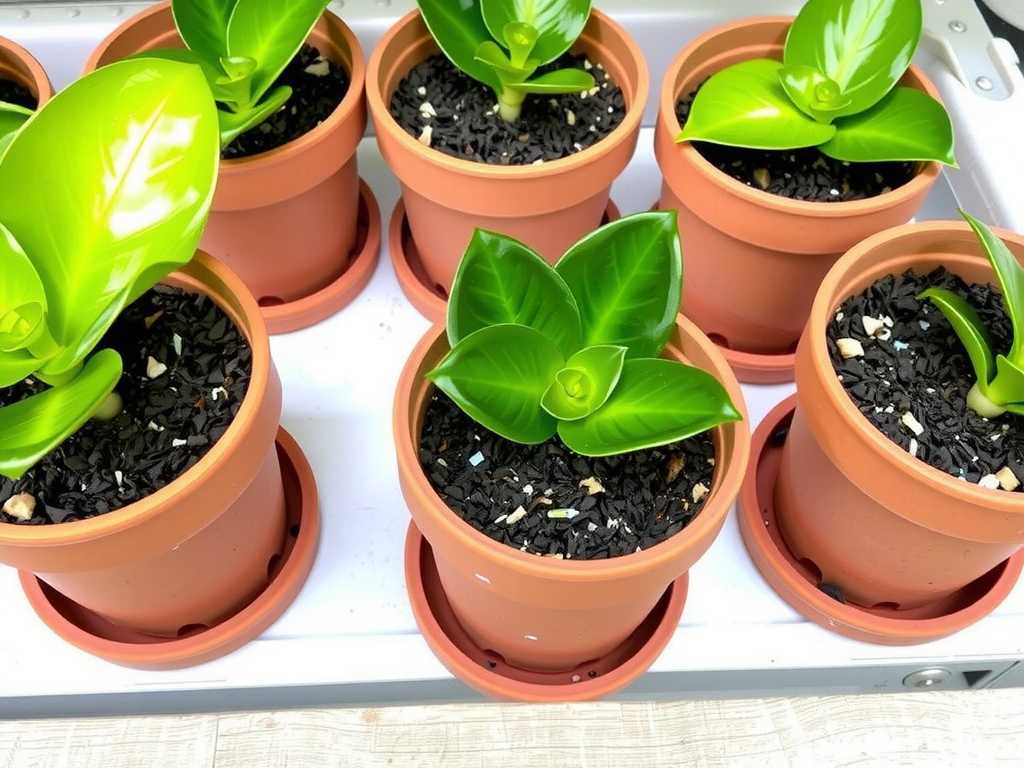
Step 3: The Planting Itself I placed a single, small piece of broken terracotta over the drainage hole to prevent soil loss. Then, I added a shallow layer of my custom mix. Gently removing my Calathea from its nursery pot, I teased the roots slightly to encourage them outward. I placed it in the new planter, ensuring it sat at the same soil level as before, and backfilled with more mix, tapping the pot to settle the soil without compacting it.
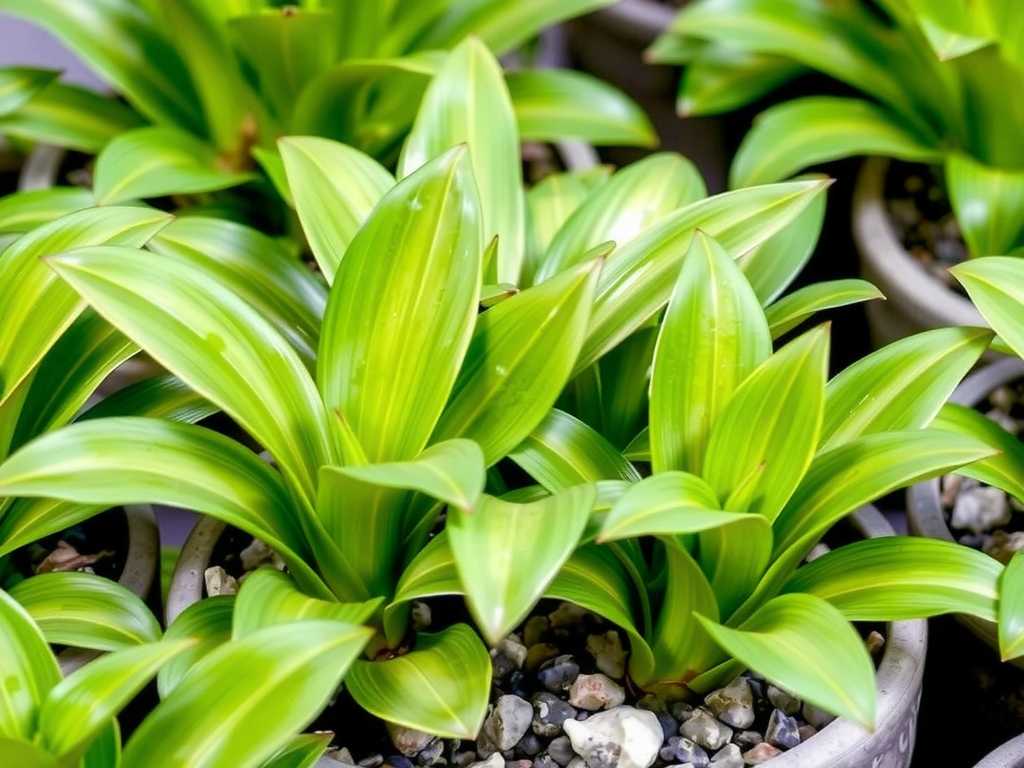
Step 4: Initial Watering and Placement I gave it a thorough, deep watering until water ran freely from the bottom hole. I let it drain completely in the sink before placing it in its final spot: a few feet back from a north-facing window with bright, indirect light. Direct sun would scorch the leaves, and the increased evaporation from the pot would compound the stress.
The Two-Week Observation: Triumphs and Troubleshooting
This is where the real learning happened. My goal was to master Calathea Ornata care in porous containers.
Days 1-3: The Adjustment Period The plant looked happy. The soil surface felt cool and slightly damp. I noticed the outer walls of the terracotta planter were dark with moisture, a clear sign the wicking process was working.
Days 4-7: The First “Uh-Oh” – Brown Leaf Tips By day five, I noticed the very tips of two older leaves turning crispy and brown. Panic set in. Was it overwatering? Underwatering? The soil felt dry an inch down. I realized my mistake: I had underestimated the evaporation rate. The combination of the porous pot and my airy soil mix meant moisture was leaving faster than I’d accounted for. My Calathea was getting thirsty.
- The Fix: I adjusted my watering schedule. Instead of watering on a fixed day, I adopted the finger-test method every other day. When the top inch of soil felt dry, I watered thoroughly. I also started using filtered water, as Calatheas are sensitive to chemicals and minerals in tap water, which can also cause browning.
Days 8-14: Recovery and Refinement After adjusting my watering frequency, the plant stabilized. No new browning appeared. The new, unfurling leaf continued to grow beautifully. I also observed that the pot felt significantly lighter between waterings than a plastic pot ever did, giving me a clear physical cue. To further boost humidity—another Calathea must-have—I placed the pot on a pebble tray filled with water. As the water evaporates, it creates a humid microclimate around the plant without making the soil wet.
Key Lessons for Long-Term Success in Rock Planters
- Watering is an Art, Not a Schedule: You must be in tune with your plant. Check soil moisture frequently. The drainage boost from the rock planter means you’ll likely water more often than with a non-porous pot, but with less risk of overwatering.
- Humidity is Non-Negotiable: Even with perfect soil moisture, Calatheas need 50-60% ambient humidity. A pebble tray, a nearby humidifier, or regular misting (avoiding the leaves in direct sun) is essential to prevent crispy edges.
- Fertilize with Care: During the growing season (spring and summer), I use a diluted, balanced liquid fertilizer every month. In a free-draining setup, nutrients can wash out faster, so regular but weak feeding is better than occasional strong doses.
Frequently Asked Questions
Will the salts from the rock planter harm my plant? You may notice a white, crusty buildup on the outside of terracotta pots over time. This is mineral deposit from your water and fertilizer, wicking through the pot. It’s generally harmless but can be scrubbed off with vinegar and water for aesthetics.
Can I use a rock planter without a drainage hole? I strongly advise against it, especially for Calatheas. The primary drainage boost comes from the combination of porosity and a bottom hole. Using one without a hole turns it into a beautiful swamp, negating all the benefits and inviting root rot.
How do I know if I’m overwatering or underwatering in this setup? The symptoms can be confusingly similar—yellowing, drooping leaves. The key is to check the soil before symptoms appear. If the soil is consistently soggy, it’s overwatering. If it’s bone dry and the pot is very light, it’s underwatering. The porous planter makes overwatering less likely if you have a good soil mix, but underwatering becomes the more common pitfall.
Mastering the care of a Calathea Ornata in a rock planter is about embracing the partnership between the pot and your routine. The planter provides an exceptional drainage boost, actively protecting the roots from stagnation. In return, you must become more attentive to its thirst and humidity needs. My two-week experiment turned a potential disaster with brown tips into a success story. Now, my Calathea’s leaves unfurl without a blemish, its roots are healthy, and I have the confidence that comes from understanding exactly how my plant’s home functions. It’s a beautiful, living testament to the fact that sometimes, the right container isn’t just decoration—it’s the cornerstone of plant health.
发表评论