 admin
admin How to Fix Overfertilization in Calathea Ornata: A Step-by-Step Leaching Guide
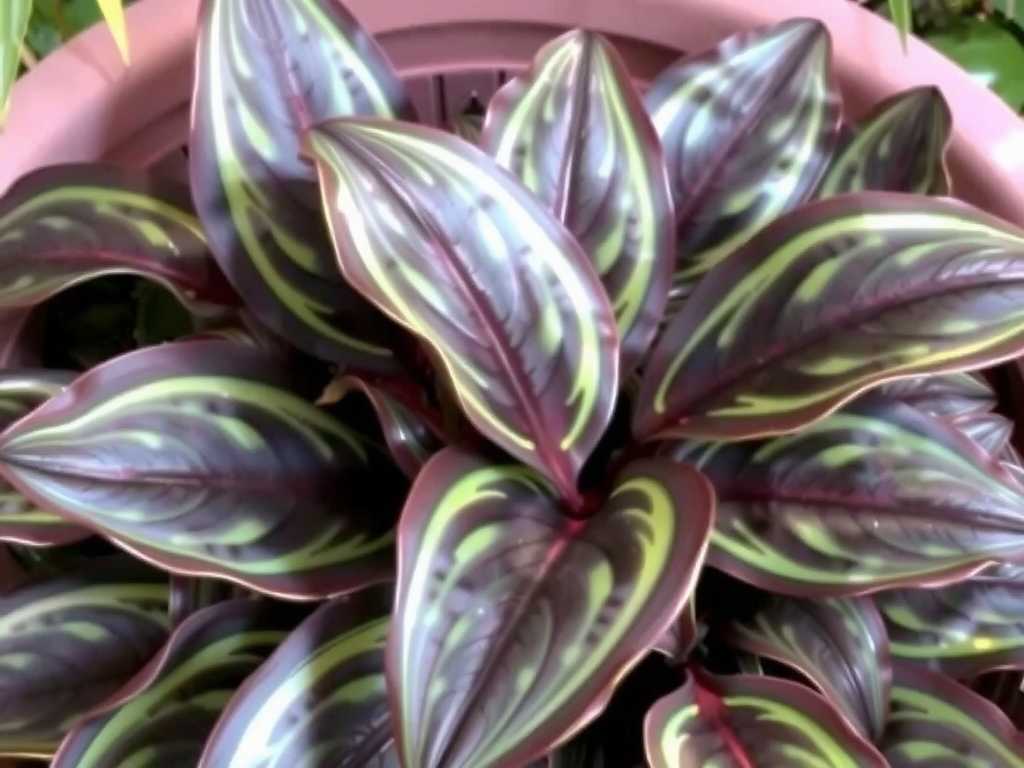
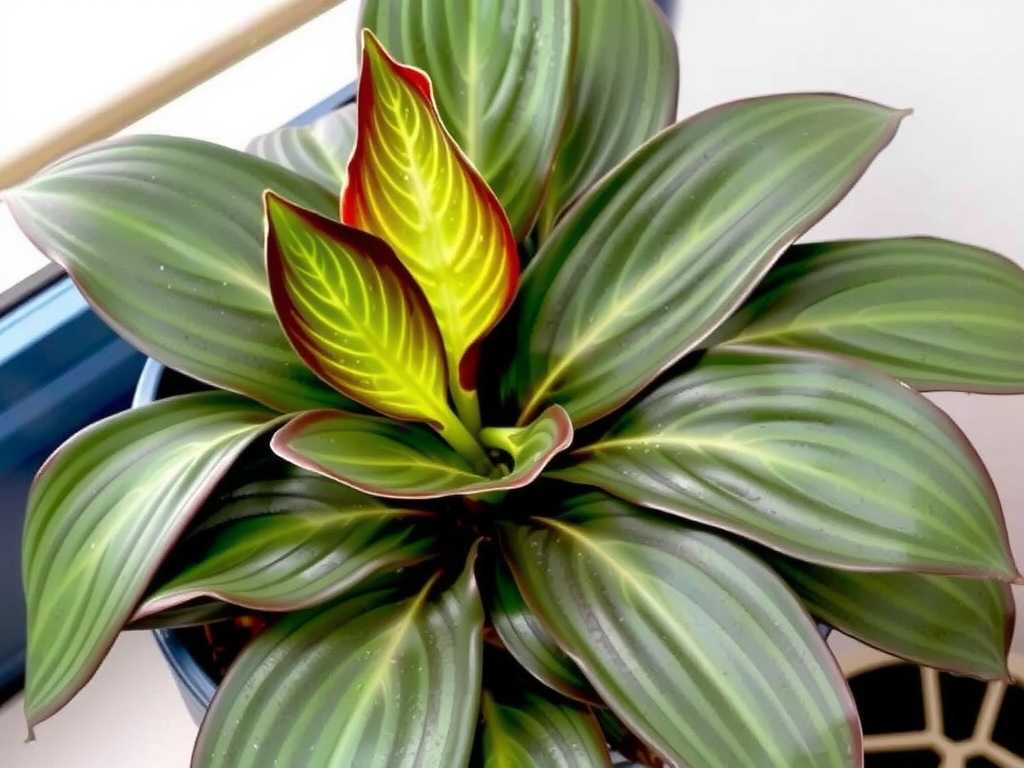
I’ll never forget the day I realized I was loving my Calathea Ornata to death. There it was, my beautiful “pinstripe” plant, with its dramatic dark leaves and delicate pink stripes, starting to look decidedly unhappy. The leaf tips were turning crispy brown, a stark contrast to the vibrant green. Worse, some leaves were developing yellow edges, and the soil surface had a strange, whitish crust. My heart sank. I had been so diligent with feeding, believing more fertilizer meant more growth. I was wrong. I was dealing with classic overfertilization in Calathea Ornata.
If you’re seeing similar signs—salt buildup on the soil, leaf burn, stunted growth despite your care—you’re likely in the same boat. Don’t panic. The solution isn’t more products or drastic measures; it’s a simple, thorough process called leaching. This guide is the exact, step-by-step method I used to rescue my plant over two weeks. I’ll walk you through what I did, the mistakes I made along the way, and exactly how my Calathea responded.
Understanding the Problem: Why Overfertilization Hurts Calatheas
Before we dive into the fix, it’s crucial to understand what’s happening. Calathea Ornata, like many tropical understory plants, has relatively low nutrient requirements. Its roots are sensitive. When we apply too much fertilizer or do so too frequently, soluble salts accumulate in the soil.
These salts draw water out of the plant’s roots through osmosis, essentially causing root burn and dehydration. This disrupts the plant’s ability to absorb water and nutrients, creating a cruel paradox: the plant shows deficiency symptoms (like yellowing) because it’s being poisoned by too much “food.” The Royal Horticultural Society (RHS) notes that overfertilization is a common cause of leaf scorch and poor plant health in container-grown plants, as salts have nowhere to go.
My Leaching Process: A Two-Week Rescue Mission
Gathering Your Supplies You don’t need fancy tools. I gathered:
- My afflicted Calathea Ornata
- A sink, bathtub, or large basin
- Lukewarm, distilled or filtered water (tap water can contain salts and chemicals like chlorine that Calatheas dislike)
- A gentle watering can
- Time and patience.
Step 1: The Initial Assessment and Preparation
First, I gently felt the soil. It was dry on top but still slightly moist an inch down. I made my first mistake here: I initially considered repotting immediately. However, experts from the American Horticultural Society (AHS) advise that repotting a stressed plant can add further shock. The priority is to remove the excess salts from the existing soil medium. Leaching is the gentler first step.
I took the plant to my bathtub. This is non-negotiable—you need a place where a massive amount of water can drain freely without waterlogging your plant’s saucer.
Step 2: The Core Leaching Technique
This is the heart of fixing fertilizer burn in Calathea.
- I slowly poured a large volume of lukewarm, filtered water onto the soil surface. I didn’t just give it a normal drink; I poured steadily for several minutes, ensuring the entire soil mass was saturated and water was flowing freely out of the drainage holes.
- I let it drain completely for about 15 minutes.
- Then, I repeated the process. A second, heavy watering is key. The goal is to use 4-5 times the volume of the pot. For my 6-inch pot, I used roughly 10-12 liters of water in total. This massive flush dissolves the accumulated salts and washes them out through the bottom.
The Mistake I Made: On my first attempt, I only did one heavy watering. A few days later, I noticed the soil still felt “hard” and the crust was only partially gone. I had to repeat the entire double-flush process two days later. Be more thorough than I was initially.
Step 3: Post-Leach Care and Observation
After the final drain, I placed the plant back in its spot with bright, indirect light (no direct sun, which would add stress). I resisted all temptation to fertilize. The leaching process is the cure; adding anything now would undo the work.
Week 1 Observations: The first 3-4 days were tense. The existing brown tips didn’t recover (they never will), but they didn’t spread. The yellowing on one older leaf progressed, and it eventually died. I carefully trimmed it off with sterile scissors. This, I learned, is normal. The plant was sacrificing an old leaf to conserve energy. The key was that no new damage appeared. The soil surface looked cleaner, and the whitish crust was gone.
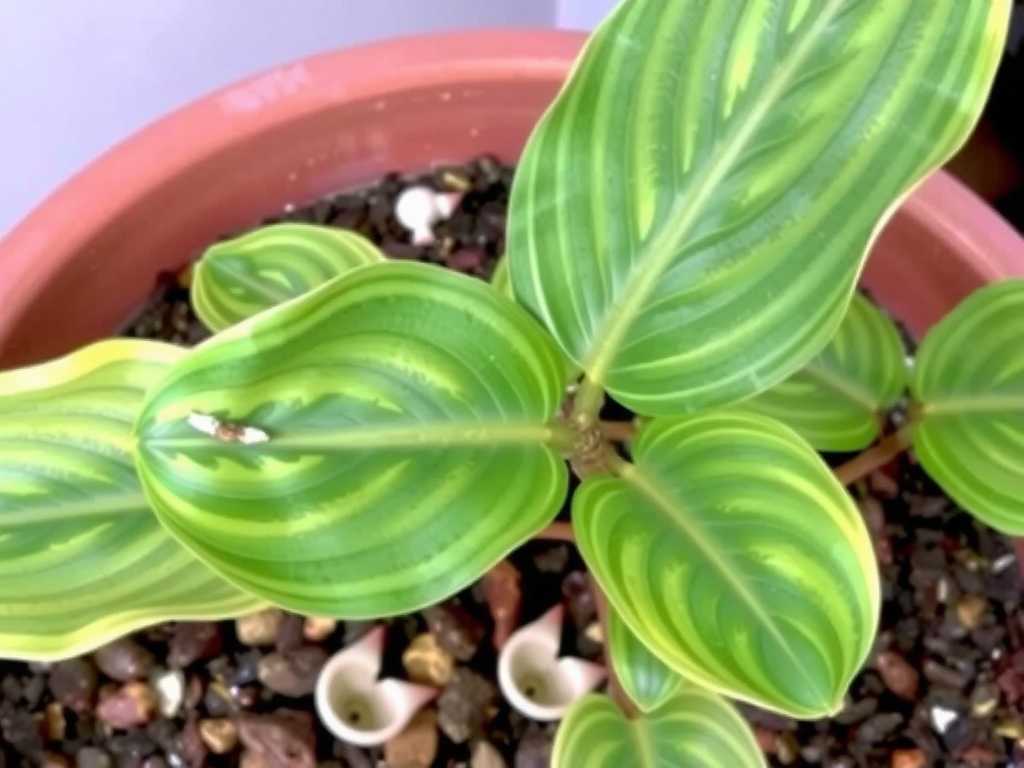
Week 2 Observations: By day 10, I saw the first sign of hope: a tiny, furled new leaf sheath was still healthy and seemed to be slowly unfurling. This was huge. It meant the plant had recovered enough from its nutrient toxicity recovery phase to support new growth. The remaining leaves felt firmer, less limp. The soil dried at a normal, healthy rate when I checked it with my finger.
Preventing Future Overfertilization: Lessons Learned
My Calathea Ornata care routine needed a permanent change.
- Dilute, Dilute, Dilute: I now use a balanced, liquid fertilizer at half the recommended strength, if not a quarter.
- Frequency is Key: I only fertilize during the active growing season (spring and summer) and only once a month at most. In fall and winter, I stop entirely.
- Flush Periodically: Every 3-4 months, I give my Calathea a simple leaching flush with plain water during its regular watering to prevent any slow buildup, even from correct feeding.
- Listen to the Plant: I pay more attention to light and humidity—its primary needs. Lush growth comes from consistent care, not constant feeding.
Your Questions, Answered
Can I just repot my overfertilized Calathea instead of leaching? While repotting into fresh soil removes the problem medium, it’s a major stressor. For a plant already struggling with chemical burn from salts, the physical root disturbance can be the final blow. Leaching is the recommended first aid. If the plant doesn’t improve after 3-4 weeks, then consider a very careful repot.
How long until I see improvement after leaching? Stop the progression of damage is a win in the first week. New, healthy growth is the true sign of recovery, which can take 2-4 weeks. Patience is essential. The plant needs time to heal its root system.
Will the brown tips on my Calathea Ornata leaves go away? No, the damaged leaf tissue cannot repair itself. You can carefully trim the brown tips following the natural shape of the leaf with clean scissors for aesthetics. Focus your energy on ensuring the new leaves that emerge are pristine, which they will be with corrected care.
Watching my Calathea Ornata push out that first perfect, striped leaf after its ordeal was incredibly rewarding. The process taught me that sometimes, the best care involves subtraction, not addition. By understanding the signs of overfeeding and acting swiftly with a thorough leaching protocol, you can reverse the damage. Your plant’s resilience will surprise you. Consistent, gentle care focused on its core needs for humidity, pure water, and indirect light will always yield better results than any bottle of fertilizer. Give it the flush it needs, then step back and let it recover.
发表评论