 admin
admin How to Care for Calathea Ornata in High Humidity Bathrooms: Avoid Mold
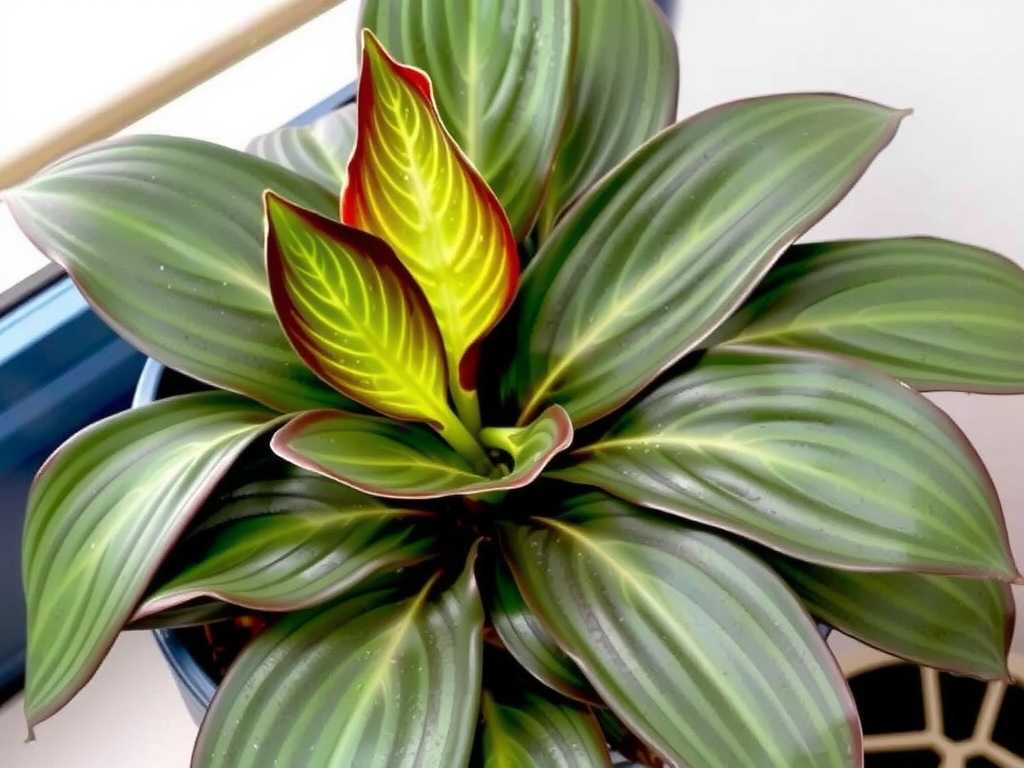
I love my Calathea Ornata, with its stunning pink-striped leaves that look like they’ve been hand-painted. But for the longest time, I struggled to give it the humidity it craves without inviting a silent, fuzzy enemy: mold. If you’re thinking of placing your prayer plant in a bathroom for that perfect steamy environment, you’re on the right track—but there’s a crucial balance to strike. This guide is born from my own two-week experiment of nurturing a Calathea Ornata in a high-humidity bathroom, specifically focused on how to prevent mold on Calathea Ornata and keep it thriving. I’ll share exactly what worked, the mistakes I made, and how you can avoid them.
Why Bathrooms Are a Double-Edged Sword for Calathea Ornata
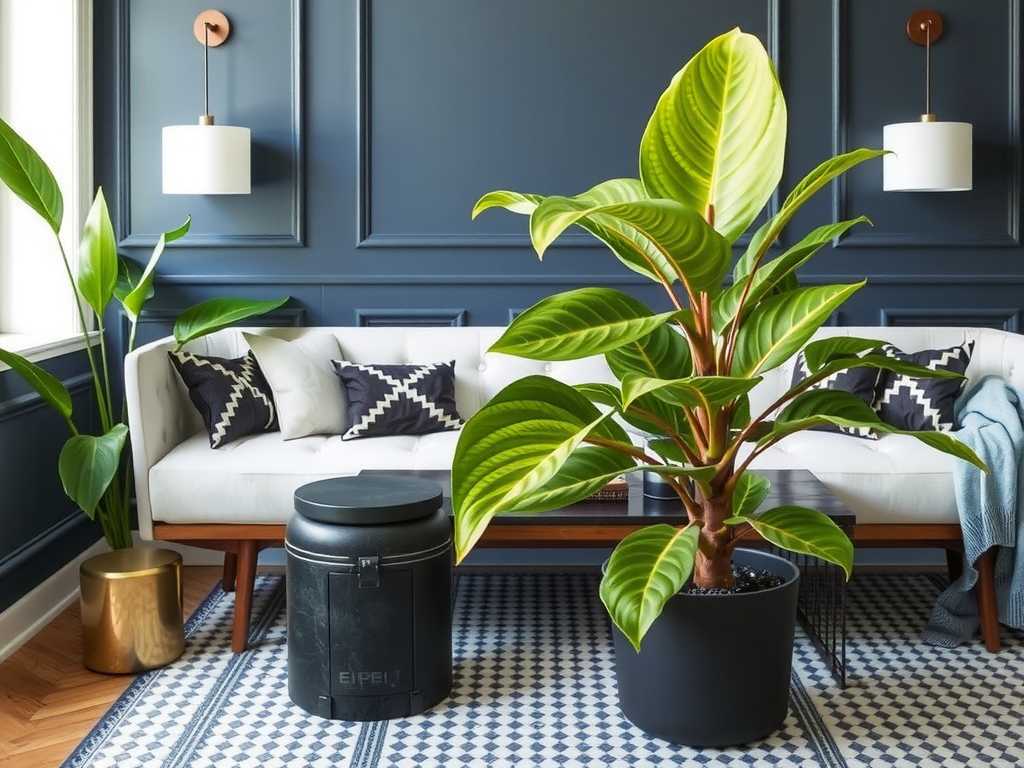
Calatheas are tropical understory plants, and the Calathea Ornata is no exception. It thrives in consistent, high humidity—often 60% or more. A frequently used bathroom naturally provides this, making it seem like an ideal spot. However, the same conditions that promote lush growth for your plant also create a paradise for mold and fungal issues. Stagnant air, constantly damp soil, and organic debris (like fallen leaves) on the soil surface can quickly lead to white, fuzzy mold on the soil, or worse, root rot. My goal was to harness the humidity while actively preventing mold growth in bathroom plants.
My Two-Week Bathroom Experiment: Setup and Daily Routine
I moved a healthy Calathea Ornata into my well-lit, windowless master bathroom (it has strong artificial lighting). The room sees showers 1-2 times daily, pushing humidity well over 70% for hours. Here was my initial care plan:
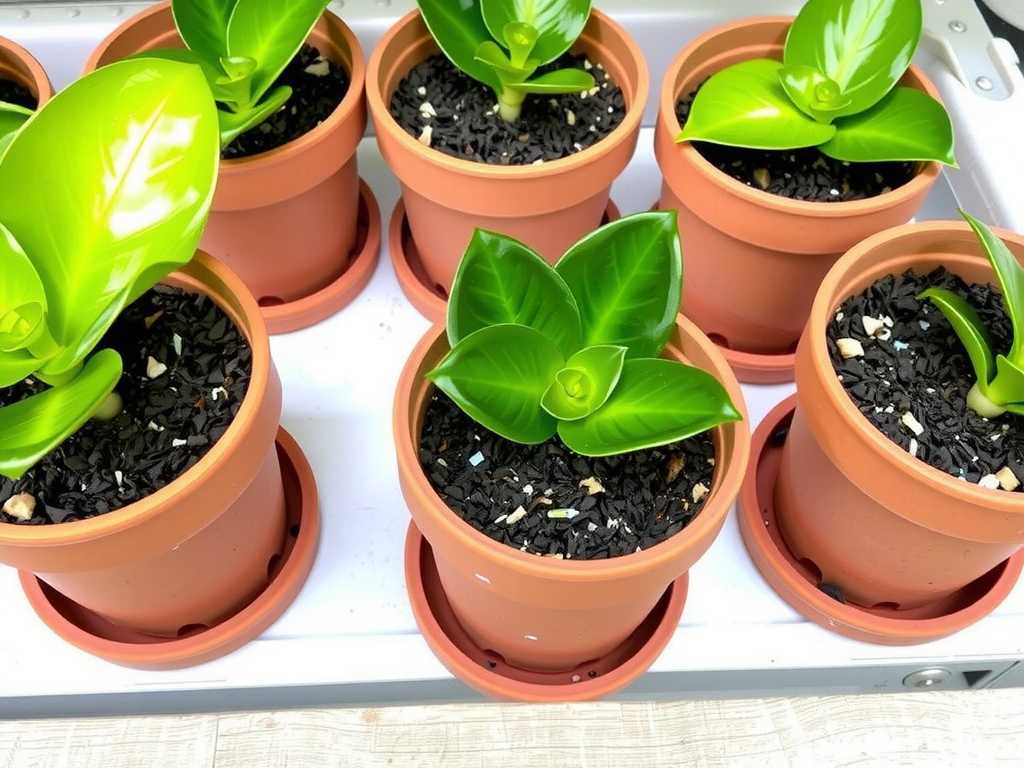
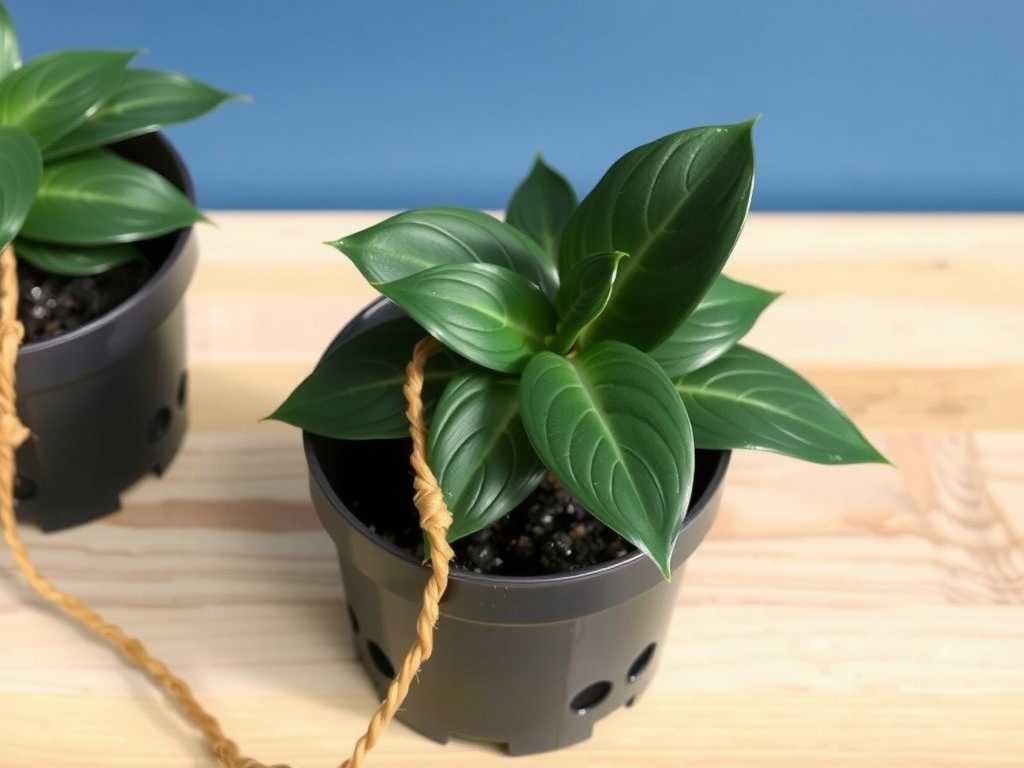
- Pot and Soil: I used a plastic nursery pot with ample drainage holes, placed inside a slightly larger decorative cache pot. For soil, I used a well-aerated mix: 50% premium potting soil, 30% orchid bark, and 20% perlite. This was my first line of defense for mold-free Calathea care.
- Watering: I committed to checking the soil moisture with my finger every other day. The rule was to water only when the top 1-2 inches felt dry.
- Airflow: This was my planned cornerstone. I installed a small, quiet USB fan on a shelf, pointed indirectly at the plant area, to run for 4 hours during the day.
Week One Observations: The First Signs of Trouble
By day three, the plant looked perky. The leaves showed no signs of crisping, and the humidity was clearly beneficial. However, by day five, I noticed my first problem: a faint white, web-like film starting to form on the surface of the soil in a few spots. This was surface mold. I also observed that the soil’s top layer was staying moist for much longer than when the plant was in my living room.
I realized my first mistake: I was still watering on a “schedule” based on touch, but wasn’t accounting for the drastically reduced evaporation rate. The bathroom humidity was slowing down soil drying from the top, even though the interior might have been drier.
My Correction and Adjustments
- Immediate Mold Remediation: I gently scraped off the top quarter-inch of affected soil with a spoon and disposed of it. I then sprinkled a thin layer of cinnamon over the soil surface—a natural, mild antifungal agent recommended by many plant enthusiasts. I held off on watering completely.
- Watering Discipline Reinvented: I bought a simple soil moisture probe. My new rule was to water only when the probe read “dry” at a depth of about 2 inches, not just at the surface. This extended my watering interval significantly.
- Boosting Air Circulation: I increased the fan’s runtime to 6 hours, split between morning and evening. I also made a habit of leaving the bathroom door open after showers whenever possible to allow humid air to dissipate, rather than becoming stagnant.
Week Two: Stabilization and Success
After these adjustments, the results were clear. The surface mold did not return. The new soil surface, with its cinnamon topping, remained clean. The moisture probe revealed that the soil was drying more evenly, thanks to the increased airflow. My Calathea Ornata wasn’t just surviving; it was putting out a new, tightly furled leaf. The balance was being achieved: high humidity for the foliage, but controlled moisture and airflow at the root zone.
Essential Strategies for a Healthy, Mold-Free Bathroom Calathea
Based on my experience, here is your actionable blueprint.
Choosing the Right Soil and Pot is Non-Negotiable
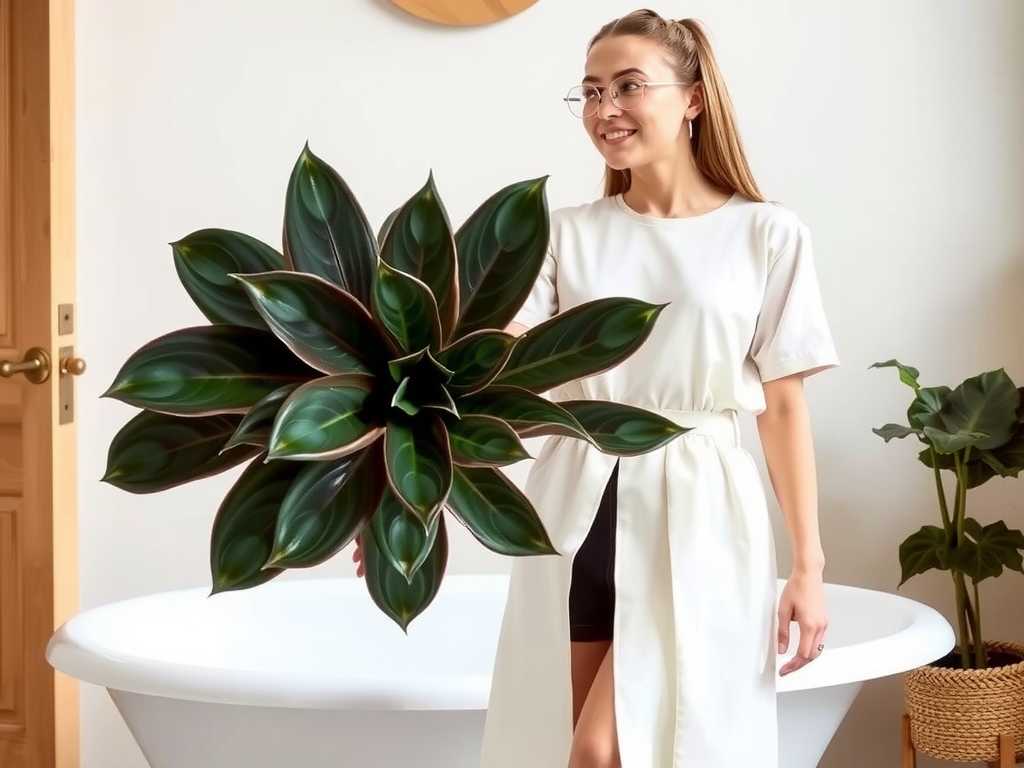
Forget dense, moisture-retentive mixes. You need chunky, fast-draining soil. My mix (potting soil, orchid bark, perlite) is excellent. The Royal Horticultural Society (RHS) emphasizes the importance of a free-draining growing medium for houseplants to prevent waterlogging, which is the primary cause of root rot and mold issues. Always, always use a pot with drainage holes. The cache pot setup allows you to lift the inner pot, ensuring it never sits in drained water.
Mastering the Watering Technique in Humid Environments
This is the most critical skill. Humidity does not replace watering, but it drastically alters its frequency.
- Tools Over Instinct: Use a moisture meter. It removes guesswork.
- The Weight Test: Lift the pot. Learn how light it feels when truly dry versus freshly watered.
- Water Deeply, Then Let Dry: When you water, do so thoroughly until water runs freely from the drainage holes. Then, allow the plant to almost fully dry out (as per your moisture meter) before the next watering. This cycle encourages healthy roots and discourages mold.
Creating Constant, Gentle Airflow
Stagnant air is mold’s best friend. A small, oscillating fan is a game-changer. Don’t point it directly at the plant on high speed, as this can cause windburn. Aim for a gentle, indirect breeze that moves the leaves slightly. As per the American Horticultural Society’s (AHS) principles of good plant health, adequate air circulation helps strengthen plant stems and reduces the risk of fungal and pest infestations by disrupting spore settlement. Run the fan for several hours a day.
Regular Maintenance: Your Weekly Check-Up
Spend five minutes each week with your plant.
- Remove Debris: Promptly pick up any fallen leaves or petals from the soil surface. This organic matter is mold fuel.
- Inspect: Look under leaves, at stems, and at the soil-stem junction for any early signs of trouble.
- Wipe Leaves: Gently wipe the leaves with a damp cloth. This removes dust (allowing for better photosynthesis) and any potential spores.
What if Mold Appears? Don’t Panic.
If you see white surface mold:
- Remove the top layer of soil.
- Let the soil beneath dry out more than usual.
- Apply a sprinkle of cinnamon or a light top-dressing of fresh, dry potting mix.
- Increase airflow immediately. For more persistent issues, a repot into fresh, sterile mix may be necessary.
Will the steam from my showers burn the leaves of my Calathea Ornata? No, not at all. Unlike direct hot sun, the diffuse warmth and moisture from shower steam closely mimic the Calathea’s natural tropical environment. It’s the consistent ambient humidity they love, not hot water directly on the foliage.
My bathroom has no window. Can a Calathea Ornata still survive there? Yes, but lighting becomes your primary challenge. Calathea Ornata needs bright, indirect light. In a windowless bathroom, you must provide strong artificial grow lights for 8-10 hours a day. Without sufficient light, growth will stall, and the soil will stay wet even longer, exacerbating mold risks.
Is it better to just use a humidifier instead of putting my plant in the bathroom? For many, yes. Using a humidifier in a room with better natural light and airflow often provides more control. The bathroom method is effective but requires diligent management of airflow and watering. It’s a perfect solution for those who understand and can mitigate the risks, as outlined above.
Caring for a Calathea Ornata in a high-humidity bathroom is entirely possible and can be incredibly rewarding. The key is to shift your focus from just providing moisture to actively managing the micro-environment around the soil. By prioritizing explosive drainage, disciplined watering based on tools, and relentless air circulation, you create a space where your plant can bask in the humidity it adores, while its roots stay healthy, aerated, and safe from mold. My two-week journey turned a risky experiment into a success story, and with these steps, yours can too.
发表评论