 admin
admin How to Water Calathea Ornata with Rainwater Collection: Eco-Friendly Tips
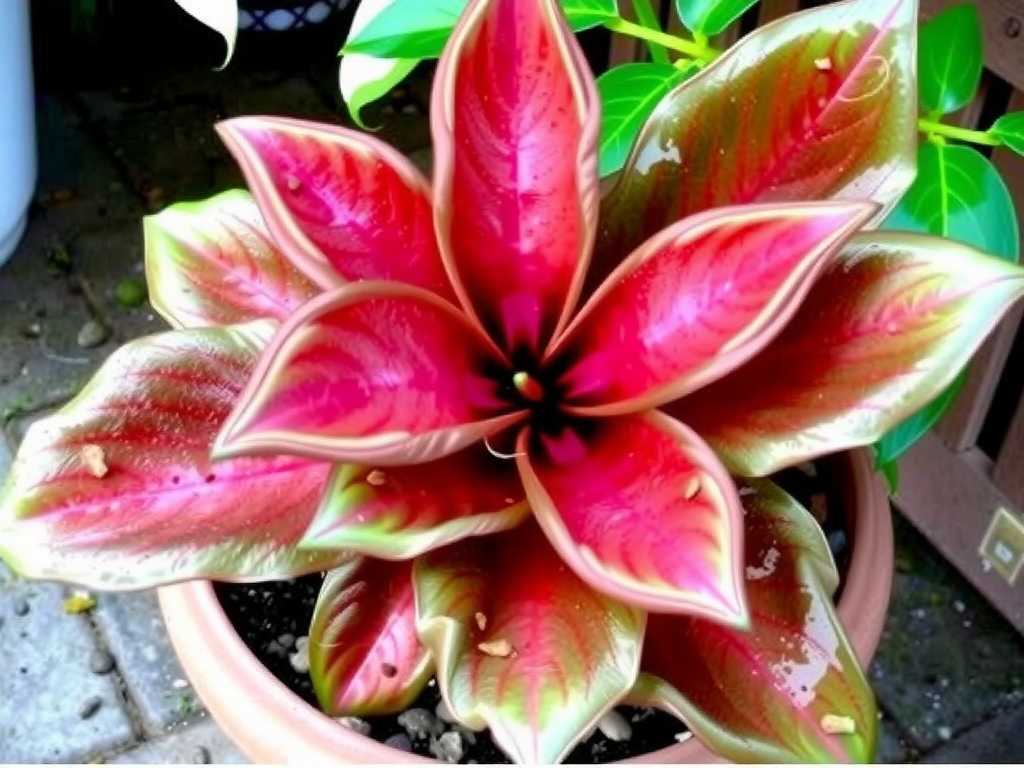
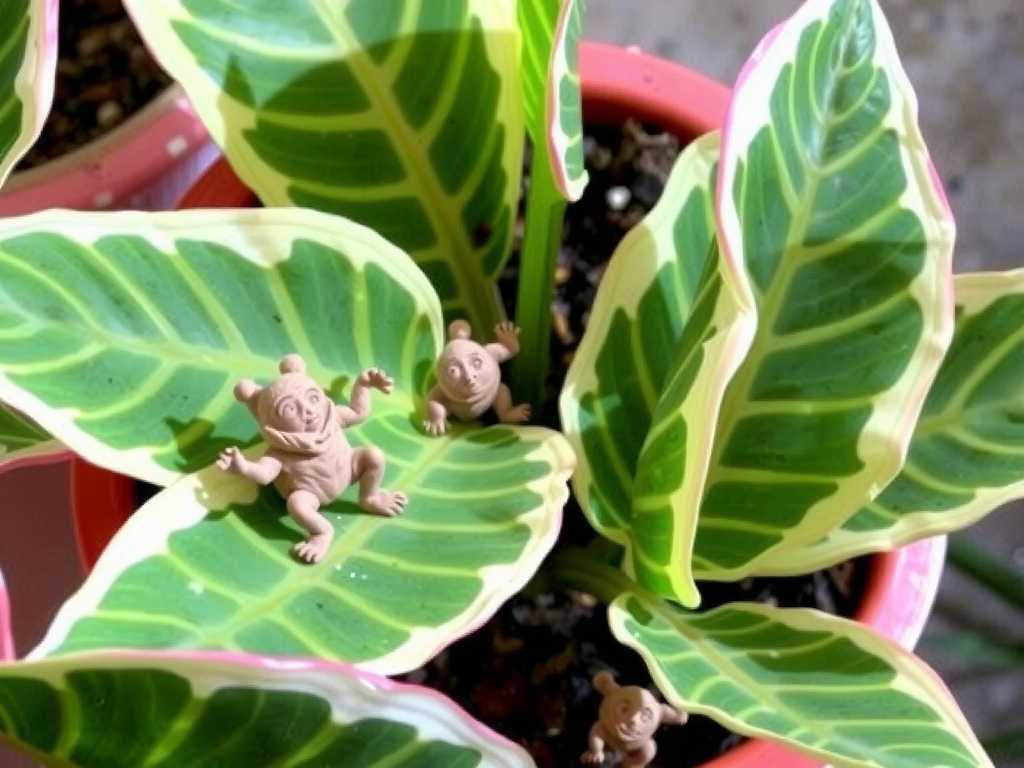
I remember the exact moment I almost lost my beloved Calathea Ornata, the one with those stunning pink-striped leaves that first drew me into houseplant obsession. I was using tap water, thinking I was doing everything right with light and humidity. But those gorgeous leaves started developing crispy brown edges, and a faint white crust appeared on the soil surface. I was heartbroken. The culprit, as I soon discovered, was the chemicals in my tap water—fluoride and chlorine—which Calatheas are notoriously sensitive to. That’s when my journey into sustainable, plant-perfect hydration began: collecting and using rainwater. If you're fighting brown tips or just want a truly eco-friendly routine, let me walk you through exactly how to water your Calathea Ornata with collected rainwater, based on my own two-week experiment and the lessons I learned the hard way.
Why Rainwater is a Game-Changer for Calathea Ornata

You might wonder if going through the effort of collecting rainwater is worth it. From my experience and according to horticultural experts, the answer is a resounding yes. The Royal Horticultural Society (RHS) notes that rainwater is naturally soft, slightly acidic, and free from the treatment chemicals found in tap water. This perfectly matches the preferred soil environment for Calatheas and other prayer plants.
Using rainwater isn't just about avoiding harm; it's about providing optimal nutrition. Rainwater contains nitrates, a form of nitrogen that plants can readily absorb, acting as a gentle fertilizer. After switching, I observed my Calathea’s new leaves unfurled without a single brown edge, and the overall foliage developed a deeper, richer green sheen. It’s the closest thing to mimicking the plant’s natural tropical understory habitat.
Setting Up Your Simple Rainwater Collection System
You don’t need a complex, expensive setup to start. I began with items I already had.
Choosing Your Collection Vessel My first attempt was a basic plastic bucket placed under a downspout. It worked, but I quickly encountered my first "pitfall": mosquitoes. Stagnant water is a breeding ground. The solution was simple. I upgraded to a food-grade barrel with a secure lid and a spigot at the bottom. I also added a fine mesh screen over the inlet to keep out debris and insects. The American Horticultural Society (AHS) emphasizes using covered containers to prevent contamination and algae growth, which was excellent validation for my fix.
Ideal Collection Locations Place your barrel under a roof downspout for maximum efficiency. Ensure the roof surface is clean—avoid collecting from roofs with treated wood or heavy bird traffic. I made the mistake of placing my initial bucket under a dirty section of gutter, and the first collection was full of silt. I solved this by cleaning my gutters before the next rain and repositioning the barrel to a cleaner runoff point.
The Step-by-Step Guide to Watering with Rainwater
Here is the precise routine I followed for two weeks, monitoring my Calathea Ornata’s response daily.
1. Testing and Storing Your Harvest Always let the first few minutes of rain rinse your roof before you start collecting; this avoids the initial flush of dirt. Once collected, I store my rainwater in a cool, dark place (my garage) to inhibit algae. I use it within a few weeks to ensure freshness. A key tip: if you must store it longer, consider an aquarium air stone to aerate the water and keep it oxygenated.
2. The Perfect Watering Technique I always let the water sit indoors for a few hours to reach room temperature. Shocking the roots with cold water can cause stress. Then, I use the classic "finger test," inserting it two inches into the soil. I water only when the top couple of inches feel dry. With my 8-inch pot, this typically meant a thorough watering once every 7-9 days during my experiment. The goal is a deep, soaking water until it runs freely from the drainage holes, ensuring the entire root ball is moistened. I always empty the saucer afterward to prevent root rot.
3. Observing the Plant’s Response This was the most rewarding part. Within the first 4-5 days, I noticed no new browning on existing leaves. By day 10, a new leaf began to unfurl. Unlike previous ones, it showed zero signs of crisping at the tips as it hardened off. The overall plant posture seemed more robust, with a pronounced prayer movement (nyctinasty) at dusk and dawn. After two weeks, the difference was clear: the foliage looked consistently hydrated and vibrant, with no mineral buildup on the soil.
Troubleshooting Common Rainwater Collection Issues
My journey wasn’t without hiccups. Here’s how I navigated them.
Dealing with Algae or Debris Midway through week one, I noticed a slight green tint in my storage barrel. Algae had formed due to light exposure. I solved this by thoroughly cleaning the barrel with a vinegar solution (no harsh chemicals!) and moving it to a darker spot. Now, I use an opaque container from the start.
Managing Supply During Dry Spells What if it doesn’t rain? This is a real concern. I created a backup plan by saving water from dehumidifier collection (distilled-like) and used filtered water as a last resort. Planning ahead is crucial for consistent care.
Is collected rainwater safe for all my houseplants? Absolutely, and they will likely thrive on it. Rainwater is generally beneficial for most houseplants, especially acid-loving ones like African Violets, Orchids, and of course, all Calathea and Maranta varieties. I now use it for my entire collection and have seen improved growth overall.
How do I prevent pests in my rainwater barrel? As mentioned, a secure, fine-mesh lid is essential. For added protection, you can add a few drops of horticultural oil or a mosquito dunk (a biological larvicide safe for plants) to the barrel. This was a game-changer for me and completely eliminated the mosquito larvae issue I saw initially.
Can I use rainwater if I live in a city with high air pollution? This is a valid concern. While generally safe, if you are in an area with very high industrial pollution or heavy smog, it may be prudent to avoid water from the first rainfall after a long dry spell, as it can contain more atmospheric pollutants. The RHS suggests collecting water after it has been raining for a little while. For most urban and suburban environments, however, the benefits far outweigh the risks.
Switching to rainwater for my Calathea Ornata transformed not just the plant’s health, but my entire approach to plant care. It’s a sustainable practice that connects you to the natural cycle your plant evolved with. The initial setup requires minimal effort, and the payoff—lush, unblemished leaves and the satisfaction of an eco-friendly routine—is immense. Start with a simple bucket, learn from the small challenges, and watch your Calathea thank you with its breathtaking beauty.
发表评论