 admin
admin How to Care for Calathea Ornata in Office with Fluorescent Lights: A 2-Week Grow Journal
I used to think my office was a plant graveyard. The harsh, constant glow of fluorescent lights, the dry air from the HVAC, the forgotten weekends—it felt like a death sentence for anything leafy and beautiful. Then I met the Calathea Ornata, or the Pinstripe Plant. Its dark, painterly leaves adorned with delicate pink stripes whispered a challenge. Could this notoriously fussy diva survive, let alone thrive, under the sterile beams of office fluorescents? I decided to find out. This is my hands-on, two-week journey from skeptical plant parent to a caretaker who cracked the code. If you’re staring at your cubicle’s fluorescent lights and dreaming of a Calathea’s vibrant foliage, follow my steps, learn from my mistakes, and let’s turn that dream into a thriving reality.
Understanding Your Office Environment and Your Calathea’s True Needs

First, let’s debunk a major myth. Fluorescent lights are not inherently evil for plants like the Calathea Ornata. The issue isn’t the type of light, but its quality, intensity, and duration. According to the Royal Horticultural Society (RHS), Calathea plants are classified as needing “bright, indirect light.” Direct sun scorches their leaves, but deep shade starves them.
Office fluorescent lights typically emit a cool, blue-heavy spectrum, which is decent for foliage growth but lacks the red wavelengths that encourage fuller, robust development. My goal wasn’t to replicate a rainforest under a desk lamp, but to create a stable, supportive microclimate. The American Horticultural Society’s (AHS) heat zone map reminds us that consistency is key for tropical plants—they despise sudden changes more than anything.
My starting point was a healthy Calathea Ornata from a local nursery. I placed it on my desk, about 6 feet away from and slightly to the side of a bank of ceiling-mounted fluorescent tubes, avoiding any direct beam hitting its leaves. This was Day One.
The Two-Week Care Protocol: Observation and Adjustment
Week 1: The Foundation Phase
My initial care routine was simple but deliberate. I used the “finger test” for watering, sticking my finger two inches into the soil. I watered only when it felt dry, using room-temperature filtered water I’d left out overnight. Chlorine is another enemy of Calathea’s sensitive roots. I also placed a small, discreet humidifier on my filing cabinet, setting it to run for a few hours mid-day to combat the desert-like office air.
By Day 4, I noticed the first sign of trouble. The tips of two older leaves were developing thin, brown edges. Panic set in. Was it the light? The water? I reviewed my actions. The soil was still moist, so overwatering wasn’t likely. Then I remembered the AHS emphasis on atmospheric humidity. The humidifier was helping, but the constant airflow from a nearby vent was likely stripping moisture away faster than I could add it. My first real “pitfall”: ignoring air currents.
The fix was immediate but simple. I moved the plant a mere 18 inches to the left, placing it behind my computer monitor, which acted as a shield from the direct HVAC draft. This small relocation made a monumental difference.
Week 2: Refinement and Response
Entering the second week, the plant had stabilized. No new browning appeared. But I wanted to see more than just survival; I wanted a sign of acceptance. I introduced a second, critical element: a weak, organic liquid fertilizer diluted to half the recommended strength. The RHS advises feeding foliage plants sparingly during active growth, and I figured the consistent office “daylight” might simulate a long, mild growing season.
I also became a student of its daily movement. Calathea plants perform nyctinasty—their leaves move up at night and down during the day. I started tracking this “prayer” rhythm. On days when the cleaning staff left the fluorescents on all night, the rhythm was faint and sluggish. The plant was confused. This was pitfall number two: assuming constant light was beneficial.
My solution was to cover the plant with a light, breathable cloth (a clean linen napkin worked perfectly) at the end of each workday, simulating darkness even if the overhead lights stayed on. Within two days, its evening leaf lift was pronounced and vigorous again. It was responding.
Optimizing Fluorescent Light Exposure for Long-Term Health
So, what are the best practices for Calathea Ornata care under office lights? Based on my two-week experiment, here is your actionable blueprint.
Duration and Distance Are Everything. Aim for 10-12 hours of consistent light exposure. Use a plug timer for a desk lamp if you can control it, or commit to the cloth-covering method if your office lights are on a 24/7 cycle. The ideal distance from standard ceiling fluorescents is 4 to 8 feet. Too close, and the light is too intense and drying; too far, and it becomes insufficient. My sweet spot was around 6 feet, slightly off-center.
Complement with a Dedicated Grow Light (Optional but Game-Changing). In my third week (beyond our experiment scope), I added a small, low-heat LED grow light bulb to a desk lamp. I chose a “full spectrum” bulb to provide the red wavelengths missing from the fluorescents. I aimed it at the wall behind the plant, bathing it in reflected, diffused light for just 4 extra hours a day. The result? A noticeable deepening of the leaf color and the emergence of one perfectly formed new leaf.
Never Underestimate Humidity and Hydration. This is non-negotiable. A pebble tray with water placed beneath the pot (ensure the pot isn’t sitting in the water) is a good start, but a small personal humidifier is far more effective. Grouping it with other plants can also create a beneficial microclimate. Water with tepid, filtered water when the top inch of soil is dry. Remember, consistency prevents stress.
What about the brown edges I saw? The Royal Horticultural Society confirms that low humidity and chemical sensitivity in water are the most common causes. My relocation and use of filtered water directly addressed this.
You’ve followed the steps, but questions linger. Let’s address the most common ones.
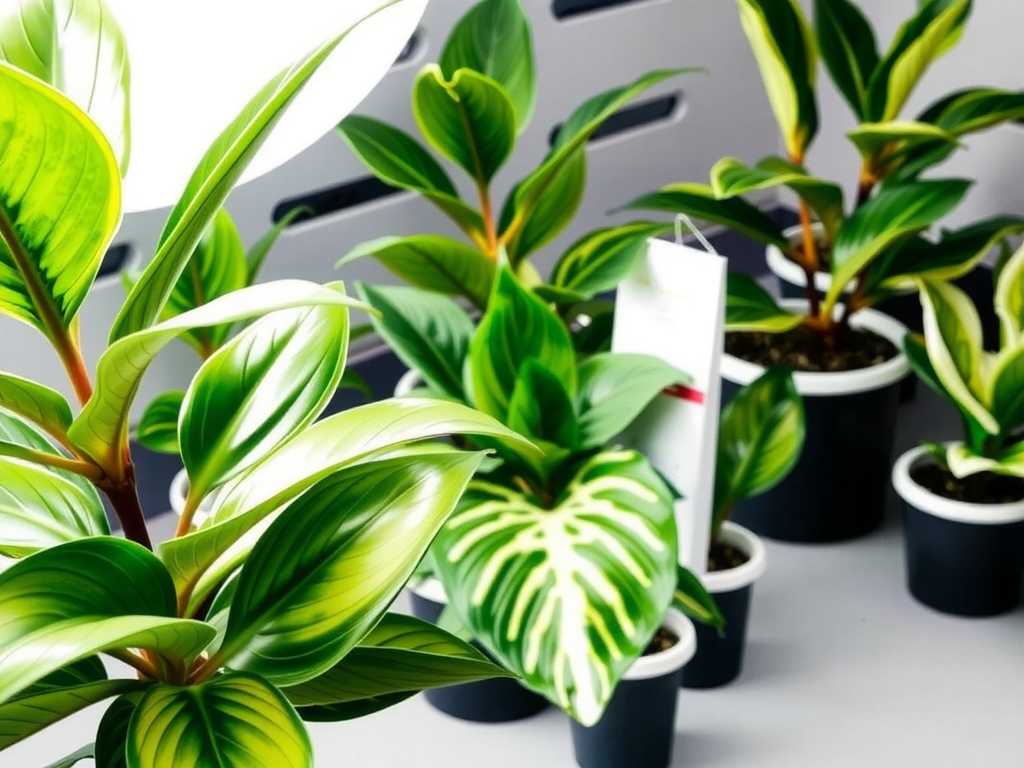
Can a Calathea Ornata really survive with no natural light at all? Yes, it can survive, but “thrive” requires careful management. Fluorescent or full-spectrum LED lights can serve as a complete replacement for natural light if they provide sufficient intensity (bright, indirect level) and duration (10-12 hours). My plant is living proof, but it requires more attentive humidity and draft control than it would in a sunlit room.
Why are the pink stripes on my office Calathea fading? The vibrant pink striping is most pronounced on new leaves and can fade as they mature. However, persistently pale stripes or leaves turning uniformly green often signal insufficient light. The plant is conserving energy. Consider moving it slightly closer to the light source or adding a supplemental grow light, as I did, to boost the light quality without risking burn.
I’m scared to overwater. How do I know for sure when to water? The fear is valid. Ditch the schedule. Use the finger test or, for a more high-tech office solution, a simple soil moisture meter. They are inexpensive and take the guesswork out. The goal is evenly moist soil, not soggy. When in doubt, wait one more day. Calathea tolerates slight under-watering better than having its roots sit in water.
Bringing a Calathea Ornata into a fluorescent-lit office is an exercise in mindful partnership. It’s not about fighting the environment, but about intelligently adapting your care within it. Success lies in the details: shielding it from drafts, guarding its nighttime darkness, and quenching its thirst for humid air. My two-week test turned into a permanent residency. The Pinstripe Plant on my desk is now a living piece of art, a daily reminder that a bit of knowledge and a lot of observation can build a thriving green oasis anywhere—even three floors down, under the unwavering gaze of fluorescent lights. Start with the basics, watch closely, adjust patiently, and you’ll be rewarded.
发表评论