 admin
admin How to Fix Underwatering in Calathea Ornata: Quick Rehydration
I’ve been there. You walk past your beloved Calathea Ornata, the one with those stunning pink-striped leaves, and your heart sinks. The leaves are curling inwards, crisp at the edges, and the soil feels like a dry, dusty desert. That beautiful, prayerful movement seems to have stopped. You’ve been busy, life got in the way, and now your plant is screaming for water. Underwatering is a common issue with these humidity-loving divas, but don’t panic. I’ve successfully nursed my own “Pinstripe” plant back from the brink of dehydration, and I’m here to guide you through a precise, effective quick rehydration process that truly works.
This isn’t just about dumping water on it. A severely dehydrated Calathea needs a careful, staged approach to recover without shock. Over the next sections, I’ll share my exact, step-by-step method, the critical mistakes I made along the way, and what you can expect to see over a crucial two-week recovery period. We’ll move from emergency triage to long-term health, ensuring your Calathea Ornata not only survives but thrives.
Recognizing the Signs of a Thirsty Calathea Ornata
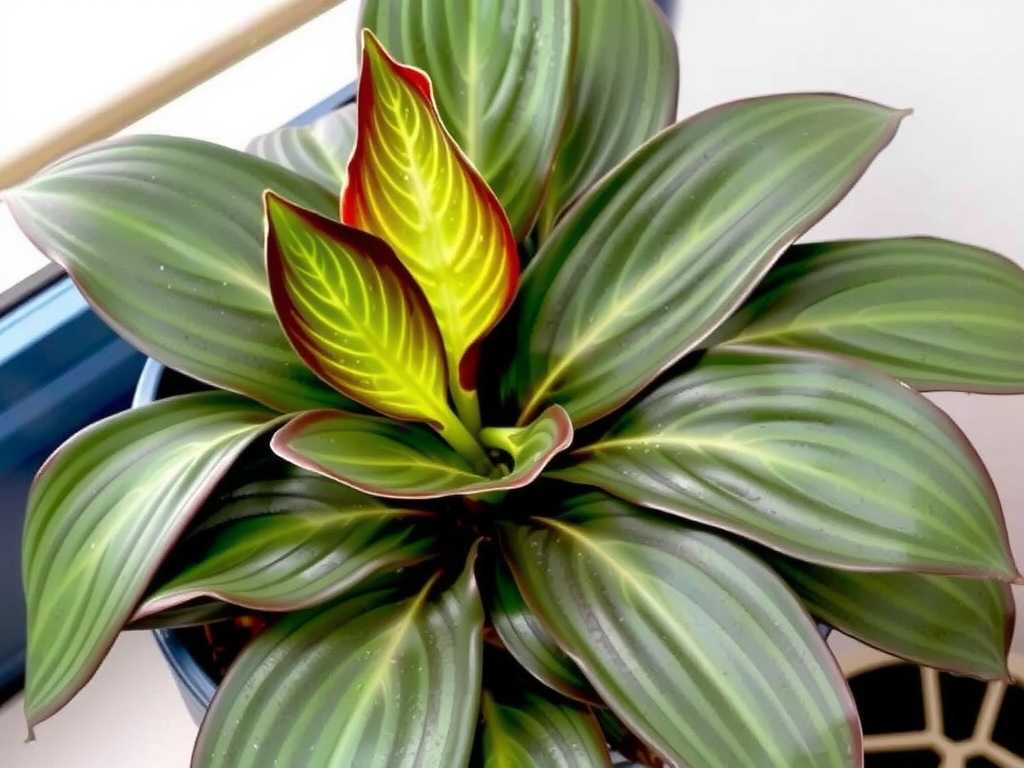
Before we act, we must be sure. Overwatering can look similar, and the wrong treatment will make things worse. My plant showed the classic, unmistakable signs of underwatering. The most telling was the soil—it had completely pulled away from the edges of the pot, creating a gap. When I touched it, it was bone-dry several inches down. The leaves were the biggest giveaway. They had lost their firm, slightly rubbery texture and instead felt thin and papery. The edges were turning brown and crispy, and the entire leaf was curling inward, as if trying to conserve every last drop of moisture. The vibrant pink stripes seemed dull. Most notably, its famous nyctinasty—the daily prayer-like movement of leaves rising in the evening—had virtually ceased. This lack of movement was a clear signal of severe stress.
My Step-by-Step Emergency Rehydration Protocol
When I confirmed the issue, I didn’t just water normally. A parched root ball can become hydrophobic, meaning it repels water. Normal watering might just run straight through, leaving the core roots dry. Here’s the exact method for reviving dehydrated Calathea that I followed.
Stage 1: The Bottom-Watering Soak (Day 1) I took my Calathea’s nursery pot (the one with drainage holes) out of its decorative cachepot. I then placed it in my sink or a large basin filled with about 3-4 inches of lukewarm, filtered water. Why filtered? Calatheas are sensitive to chemicals like fluoride and chlorine in tap water, which can cause further leaf tip burn. I let the pot sit in this bath for 30 to 45 minutes. This allows the soil to slowly wick moisture up from the bottom, ensuring complete and even saturation. You’ll see air bubbles rising to the surface—that’s the dry soil rehydrating. Once the topsoil felt consistently moist to the touch, I removed the pot, let all excess water drain out completely in the sink, and returned it to its spot. I did not fertilize; a stressed plant cannot handle nutrients.
Stage 2: Creating a Humidity Dome (Days 1-3) Calathea Ornata is a tropical understory plant. While rehydrating the roots is key, the leaves are desperate for atmospheric moisture. Simply misting wasn’t enough. I created a mini-greenhouse. I gently placed a clear plastic bag over the entire plant, using stakes to keep the plastic from touching the leaves. This trapped transpiration moisture, creating a localized humidity level of near 100%. I kept it in bright, indirect light (never direct sun, which would cook it inside the bag). For the first three days, I aired it out for 15 minutes each day to prevent mold, then re-covered it. This step was a game-changer in preventing further moisture loss from the leaves while the roots recovered.
The Critical Recovery Timeline: What I Observed Over 2 Weeks
Patience is essential. You won’t see overnight miracles. Here’s my detailed log of the recovery process, which I found incredibly reassuring when I was worried I’d done something wrong.
Days 1-3: The Waiting Game Immediately after the soak, the plant looked the same—still curled, still crispy. This is normal. The energy is going into the roots. The soil remained damp, and inside the humidity dome, the environment was stable. No new damage appeared, which was my first win: I had stopped the crisis from worsening.
Days 4-7: The First Signs of Life Around day four, I noticed a subtle change. The leaf stems (petioles) seemed ever so slightly more upright. The most rigid leaf curls began to soften just a bit. The crisp edges were still there—they will never heal—but the living leaf tissue was becoming more supple. I removed the plastic bag permanently on day five, as the plant now seemed stable. I placed it on a pebble tray filled with water to maintain higher ambient humidity, a tip often emphasized by resources like the Royal Horticultural Society (RHS), which notes that maintaining high humidity is crucial for preventing leaf margin issues in foliage plants like Calathea.
Days 8-14: Regaining Strength This was the most encouraging phase. The leaf movement slowly returned! Each evening, I observed a more pronounced lifting of the leaves. They were no longer stuck in their curled, defensive position. The leaves felt thicker and regained their healthy texture. While the brown, crispy tips remained as a reminder of the past stress, the overall plant posture was transformed. I resumed my regular watering schedule—checking the top inch of soil and watering when it felt dry—but now with a much more attentive eye.
The Pitfalls I Encountered and How I Solved Them
My journey wasn’t perfectly smooth. I made two key mistakes that could have derailed the recovery.
Mistake 1: The Temptation to Overwater After the Soak After the initial bottom-watering, I was so anxious that I checked the soil the next day. The top felt slightly cooler, but I panicked, thinking it was drying too fast, and added a bit more water from the top. This was a bad move. The core was still moist, and I risked suffocating the recovering roots. I learned to trust the process. The proper technique for rehydrating Calathea soil is a deep, thorough soak followed by a complete return to a normal “dry-down” cycle. Sticking my finger 2 inches into the soil became my guide, not surface-level anxiety.
Mistake 2: Ignoring the Microclimate After removing the humidity dome, I placed the plant back in its original spot, which was near a frequently opened window. While not drafty, the air was drier. Within two days, I noticed one new leaf developing a tiny brown edge. According to the American Horticultural Society’s (AHS) plant care principles, consistent environment is key for stress recovery. I moved the plant to a more sheltered corner of the room, grouped it with other plants to create a humidity pocket, and the issue stopped. The location wasn’t “wrong,” but the plant needed extra TLC during this vulnerable period.
Long-Term Care Adjustments to Prevent Relapse
Fixing the underwatering episode is only half the battle. To prevent it from happening again, I had to honestly assess my care routine and make sustainable changes.
I switched to a potting mix with better water retention, amending a standard potting soil with extra coco coir and a handful of orchid bark for aeration. I purchased a simple soil moisture meter, which removed the guesswork. Most importantly, I established a “check-in” ritual every Sunday and Wednesday, where I physically felt the soil, checked for pests, and wiped the leaves. This consistent attention, rather than a rigid schedule, became the cornerstone of my Calathea Ornata care after dehydration. I also invested in a small humidifier for the winter months, which has benefited all my tropical plants.
How long does it take for curled Calathea leaves to uncurl after watering? Don’t expect instant flattening. After a proper rehydration, you may see the tightest curls begin to relax within 4-7 days. However, some leaves, especially those that have been curled for a long time, may never fully uncurl or regain their perfect shape. The plant will often focus its energy on producing new, healthy growth.
Can you save a Calathea with completely brown, crispy leaves? Yes, but focus on the plant’s core. If a leaf is more than 50% brown and crispy, it will not recover. I used clean, sharp scissors to trim these leaves off at the base of the stem. This allows the plant to redirect its energy to the remaining healthy leaves and new shoots. As long as the roots and main stem are alive, recovery is possible.
Should I fertilize my Calathea to help it recover from underwatering? Absolutely not. Fertilizing a stressed plant is like offering a heavy meal to someone recovering from the flu—it adds more stress. The salts in fertilizer can burn vulnerable roots. Wait at least 4-6 weeks after you see consistent new growth before resuming a diluted, balanced fertilizer at half strength during the growing season.
Watching my Calathea Ornata return to life was a lesson in patience and observation. The key takeaways are to act methodically: diagnose correctly, rehydrate deeply and slowly, boost humidity dramatically, and then adjust your long-term habits. Those brown tips will remain as a gentle reminder, but the new, vibrant leaves that will eventually emerge are a testament to the plant’s resilience and your attentive care. Remember, the goal isn’t perfection, but a happy, healthy plant that continues to bring you joy with its daily prayerful dance.
发表评论