 admin
admin How to Care for Calathea Ornata in Small Apartments: Space-Saving Tips
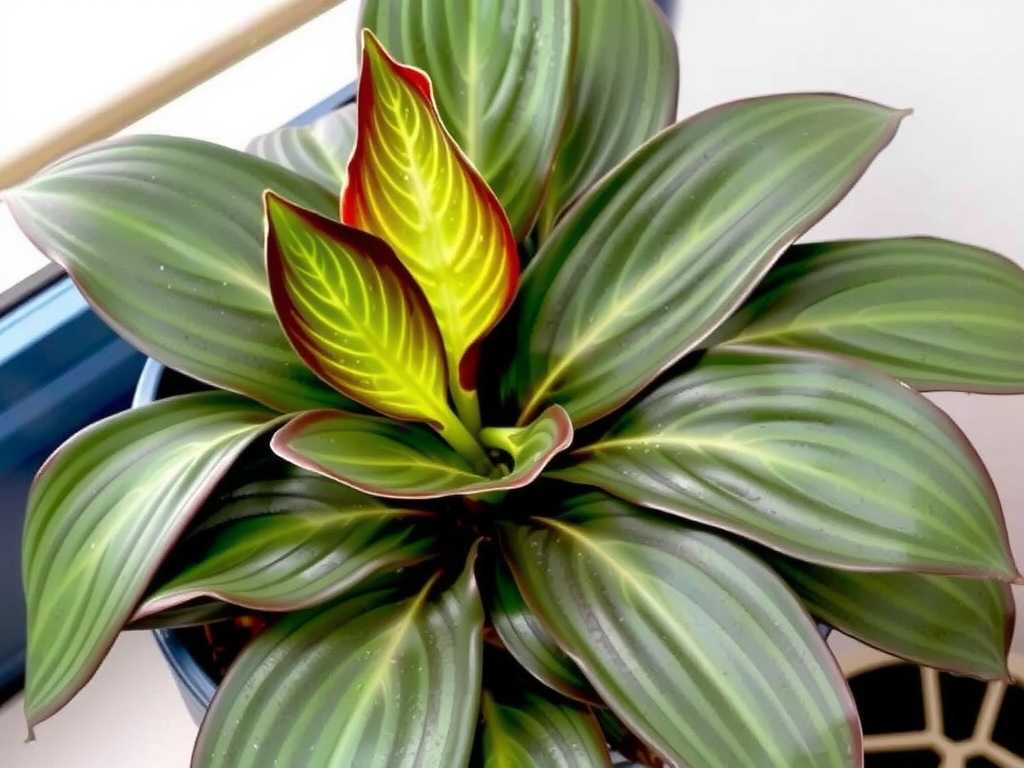
Living in a compact apartment often feels like a constant battle between my love for lush greenery and the reality of limited square footage. For years, I admired the stunning Calathea Ornata, with its painterly pink stripes on deep green leaves, but dismissed it as a plant destined only for spacious homes. I assumed it needed sprawling room to flourish. That was until I decided to challenge that notion. This guide is the result of my successful, space-smart journey nurturing a thriving Calathea Ornata in my own modest apartment. I’ll share every step, the two-week transformation I witnessed, the mistakes I made along the way, and the clever solutions that turned my small space into a perfect jungle nook for this beautiful prayer plant.
My core philosophy? It’s not about having space; it’s about using it wisely. Caring for Calathea Ornata in a small apartment is entirely possible with a strategic approach to placement, pot selection, and routine. Over a dedicated two-week period, I implemented a series of space-saving tips that not only saved room but actually created a healthier environment for my plant. Let me walk you through the exact process.
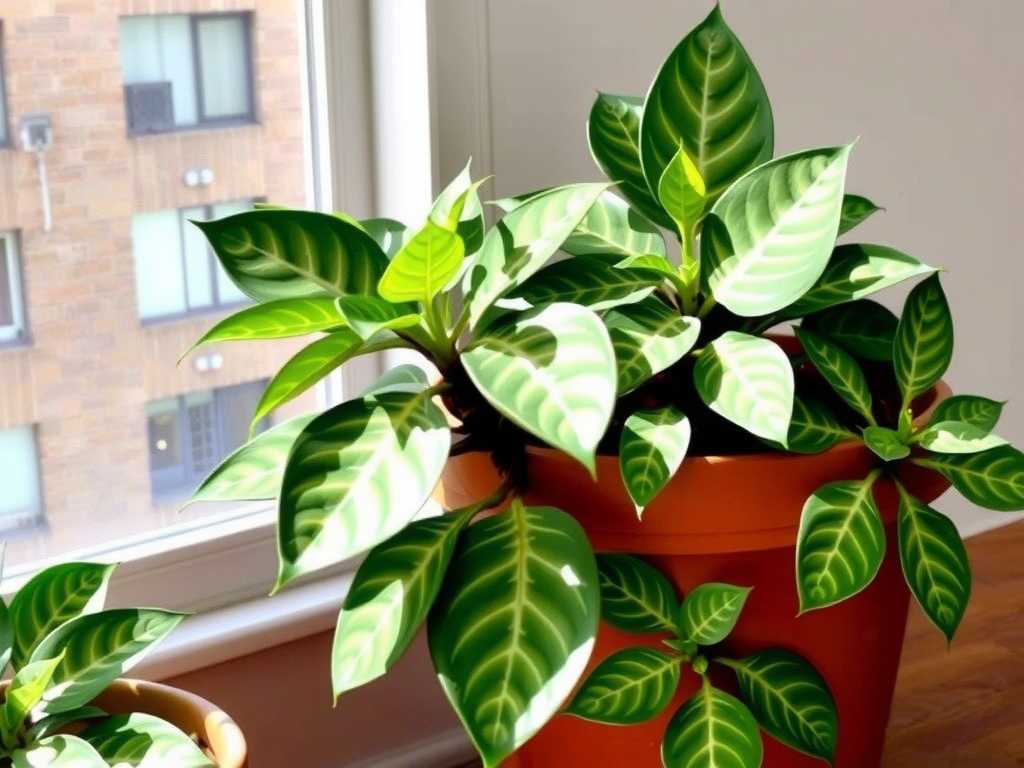
Understanding Your Calathea Ornata’s Core Needs in a Compact Setting
Before moving a single pot, I had to understand what I was working with. The Royal Horticultural Society (RHS) notes that Calatheas, originating from the understory of tropical forests, thrive in consistent, warm, humid environments with bright, indirect light. In a small apartment, the challenge is replicating these conditions without dedicating a whole corner to a humidifier or fighting with uneven light from a single window.
The key is realizing that small spaces have microclimates. The spot by my east-facing window was brilliant at 8 AM but dry and sunny by noon. The bathroom was humid but too dark. My goal was to find or create a balance. I also learned from the American Horticultural Society (AHA) that stress from incorrect lighting or humidity is a primary cause of leaf browning in prayer plants—a common issue I was determined to avoid.
Strategic Placement: Finding the Perfect Spot Without Sacrificing Floor Space
The first and most crucial step was choosing the right home. Floor space was precious, so I immediately looked upward and outward.
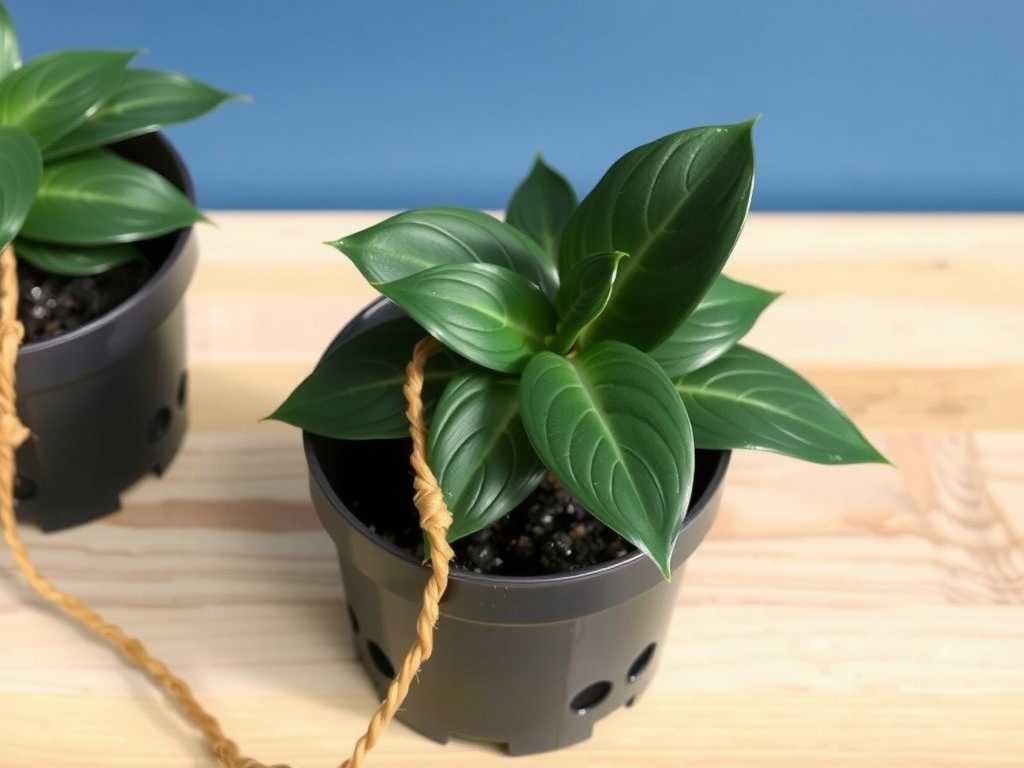
The Elevated Approach: Shelves and Hangers I installed a simple, floating shelf on a wall that received bright, filtered light from a north-east window. This was my “plant zone.” Elevating the Calathea Ornata served multiple purposes: it saved floor space, placed the plant safely away from drafts (which are more noticeable at ground level in apartments), and brought it closer to eye level, making its stunning foliage a living piece of art. For a trailing variety or to add depth, a macramé hanger from a ceiling hook is another fantastic space-saving solution.
The Window Sill Reimagined My window sill was cluttered. After clearing it, I realized it was a prime real estate. I placed my Calathea Ornata here, but with a critical tweak: I used a sheer curtain to diffuse the direct sunlight. This created that perfect bright, indirect light environment. The proximity to the glass also meant slightly higher humidity, especially in the morning.
Two-Week Observation: Within the first 48 hours on the shelf, I noticed the plant’s leaves following the light more pronouncedly. By day 10, a new leaf had unfurled completely, and the existing leaves showed no signs of scorching or browning. The vertical placement was a clear success.
The Right Pot and Soil: A Foundation for Healthy, Contained Growth
Choosing a container is a major part of space-saving plant care for Calatheas. A bulky, heavy pot eats up visual and physical space.
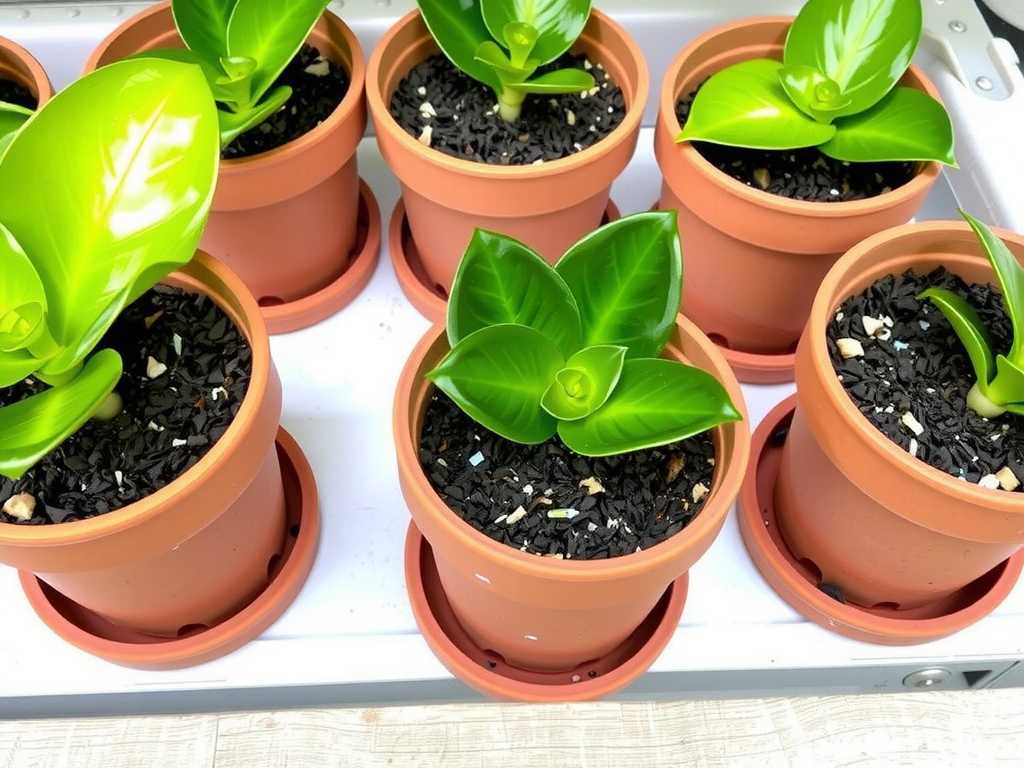
I opted for a lightweight, plastic nursery pot with excellent drainage, and then placed it inside a slightly larger, decorative cache pot. This “pot-in-pot” method is a game-changer for small apartments. It allows for easy checking of drainage water (preventing root rot), makes repotting less messy, and lets me switch up the decorative exterior without disturbing the roots. I ensured the decorative pot was only 1-2 inches wider in diameter than the nursery pot—this controlled the plant’s size and prevented it from outgrowing its designated spot too quickly.
The Mistake I Made: Initially, I used a deep, narrow “designer” pot. It looked sleek but held too much soil, which stayed wet for too long. I saw the first signs of yellowing on a lower leaf after one week. The Solution: I immediately repotted into my lightweight two-pot system with a well-aerated, peat-based potting mix amended with perlite for drainage. Within a week of correcting this, the yellowing stopped, and no other leaves were affected.
Mastering the Humidity Hack Without a Giant Humidifier
This was my biggest hurdle. Small apartments can have wildly fluctuating humidity, especially with air conditioning or heating. A large humidifier was not an option for me.
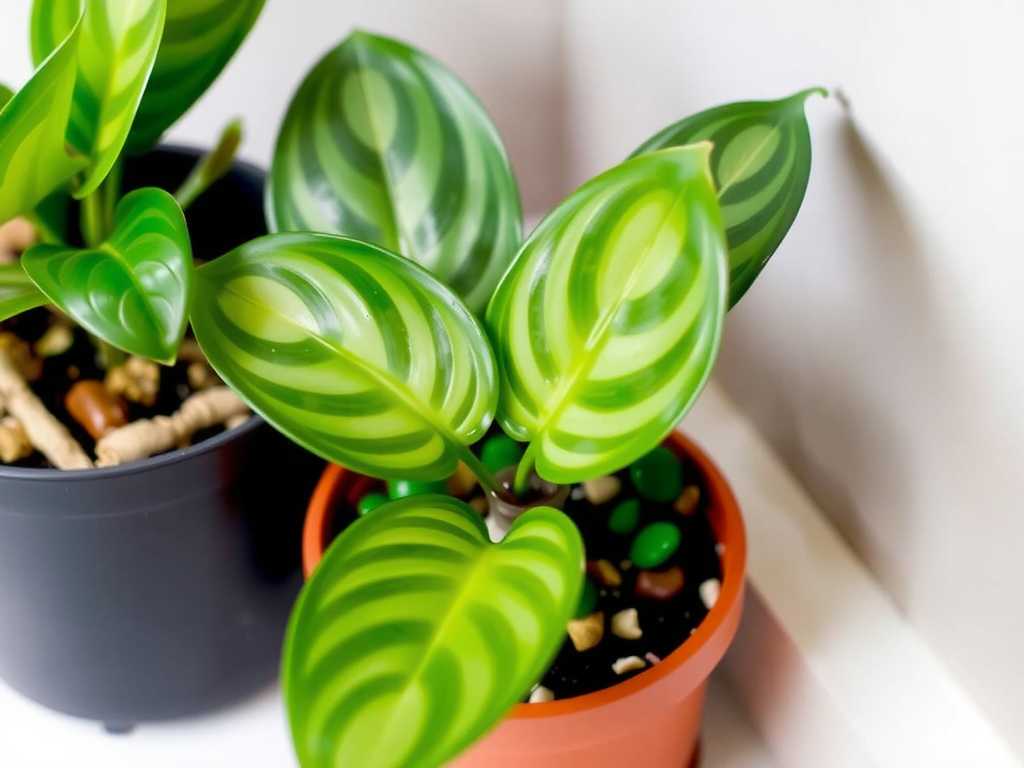
The Pebble Tray Method, Perfected I created a large pebble tray that fit the entire footprint of my decorative cache pot. I filled a shallow tray with pebbles and water, ensuring the water level stayed below the top of the pebbles. I then placed the pot (in its nursery pot) on top. As the water evaporates, it creates a localized humid microclimate around the Calathea Ornata. For added effect, I grouped it with two other humidity-loving plants (a small fern and a peace lily) on the same tray. Plant clustering is a powerful, space-efficient way to boost ambient moisture, as they collectively transpire and create a mini-biome.
Strategic Misting and Bathroom Time I became a diligent but careful mister. Using a fine mist spray bottle, I would mist the air around the plant in the morning, avoiding direct soaking of the leaves to prevent fungal spots. Once a week, on my watering day, I would give the plant a “spa treatment” by placing it in the bathroom while I took a warm shower. The steam provided a deep humidity boost.
Two-Week Observation: The edges of my Calathea Ornata’s leaves, which had one or two tiny brown tips when I bought it, showed no further browning. The new leaf that unfurled was perfectly crisp and vibrant. The clustered pebble tray method proved incredibly effective for maintaining Calathea Ornata in limited spaces.
The Watering and Feeding Routine for the Space-Conscious Gardener
In a small apartment, overwatering is a disaster waiting to happen—it’s messy and harmful to the plant. I adopted a “touch-test” routine. Instead of watering on a schedule, I would insert my finger about an inch into the soil every 3-4 days. I watered only when it felt dry. I used room-temperature, filtered water, as Calatheas can be sensitive to chemicals and cold shocks.
For feeding, I used a balanced, diluted liquid fertilizer every 4 weeks during the growing season. Under-fertilizing is better than over-fertilizing in a confined pot, as salt buildup can happen quickly and damage the roots.
Grooming and Rotation: Keeping Your Plant Compact and Beautiful
Regular care is part of smart apartment gardening for large-leaf plants. Every few days, I would gently wipe the leaves with a damp cloth. This removed dust, allowed the plant to breathe and photosynthesize more efficiently, and kept it looking its best. I also made a habit of rotating the pot a quarter turn each time I watered. This ensured all sides received even light, preventing the plant from leaning or growing lopsided against the wall—a common issue in tight spaces.
What are the signs my Calathea Ornata isn’t getting enough humidity in my apartment? The most common signs are crispy, brown leaf edges and tips. The leaves may also start to curl or roll inward excessively. If you see this, first check your watering routine to ensure the soil isn’t dry, then immediately boost your humidity using the pebble tray or grouping methods described above.
Can I keep my Calathea Ornata in a low-light room if I have no bright windows? While tolerant of medium light, Calathea Ornata will not thrive in low light. Its growth will slow significantly, the vibrant pink striping may fade, and new leaves will be smaller. In a low-light apartment, consider supplementing with a compact, energy-efficient grow light. A small LED bulb placed a few feet above the plant for 8-10 hours a day can make all the difference.
How do I prevent pests when my plants are clustered close together? Clustering is great for humidity but requires vigilance. Regularly inspect the undersides of leaves and stems for signs of spider mites or mealybugs. Isolating a new plant for a week or two before adding it to the group is a wise precaution. If pests appear, treat them immediately with insecticidal soap or neem oil, applying it to all plants in the cluster as a preventive measure.
Embracing the Calathea Ornata in my small apartment taught me that constraints can breed creativity. By thinking vertically, mastering microclimates, and choosing tools wisely, I created an environment where this seemingly demanding plant doesn’t just survive—it thrives. The journey required attention and a few corrections, but the reward is a breathtaking slice of the tropics right in my living space, proving that even the most limited apartment has room for a little wild, beautiful growth.
发表评论