 admin
admin How to Fertilize Calathea Ornata with Liquid Dilution: A Step-by-Step Guide to Avoid Leaf Burn
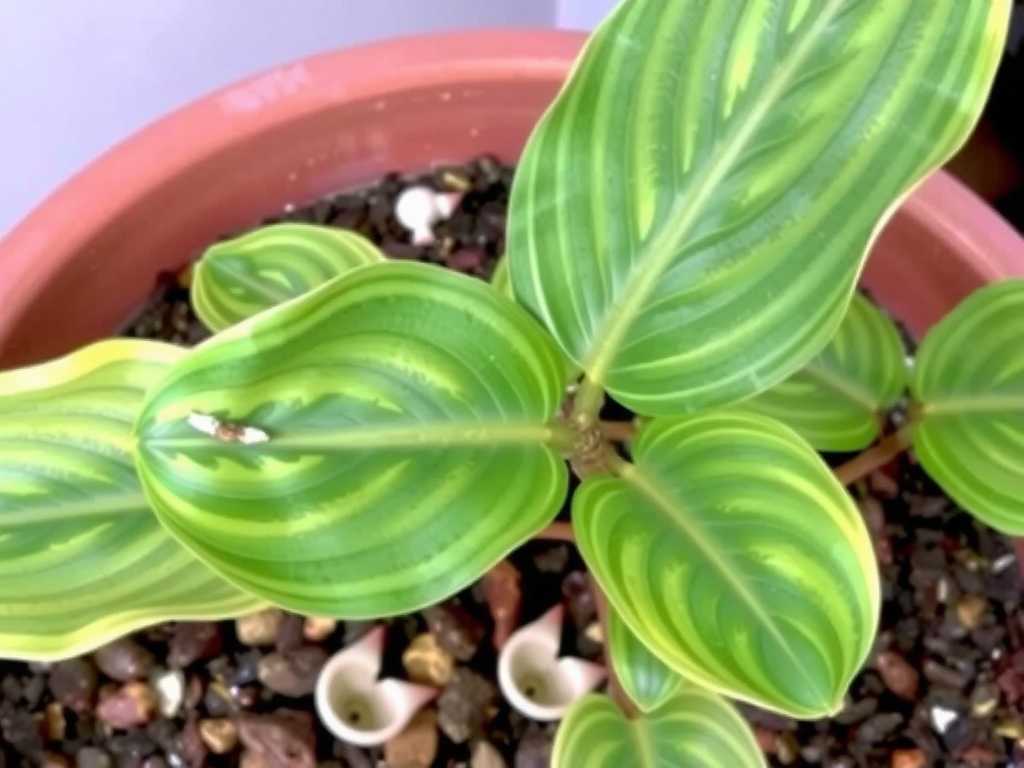
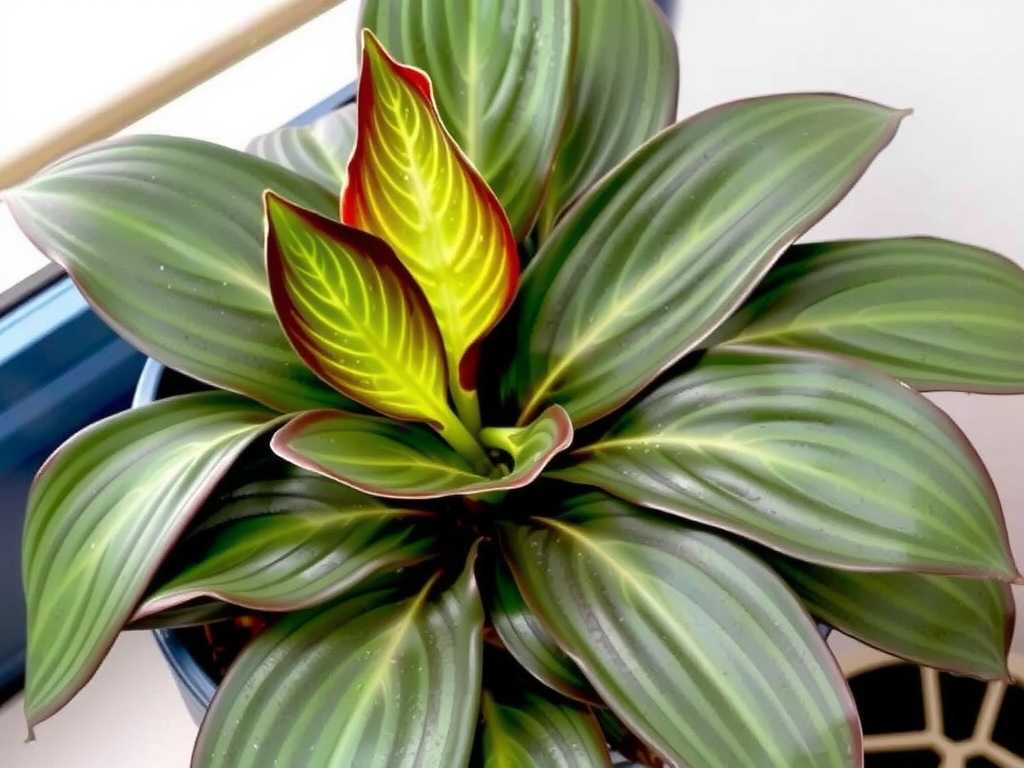
I’ve killed my fair share of Calathea leaves. There, I said it. For years, I struggled with the heartbreaking sight of crispy, brown edges and yellowing patterns on my beloved Calathea Ornata, the stunning "pinstripe" plant. I was following the rules—watering with filtered water, providing humidity, giving it indirect light. Yet, every time I fertilized, it seemed to backfire. The very nutrients meant to boost its vibrant pink stripes and deep green leaves were instead causing fertilizer burn. If you're here, you've likely seen those same sad signs: browning leaf tips, a white crust on the soil, or a general look of distress shortly after feeding. The problem isn't fertilization itself; it's how we do it. Through trial, error, and a lot of patience, I perfected a liquid dilution fertilizer method that transformed my struggling Calathea into a thriving, show-stopping specimen. This guide is my firsthand account of exactly how to fertilize Calathea Ornata with liquid dilution to avoid burn.
Understanding the Why: Calathea Ornata's Sensitive Nature
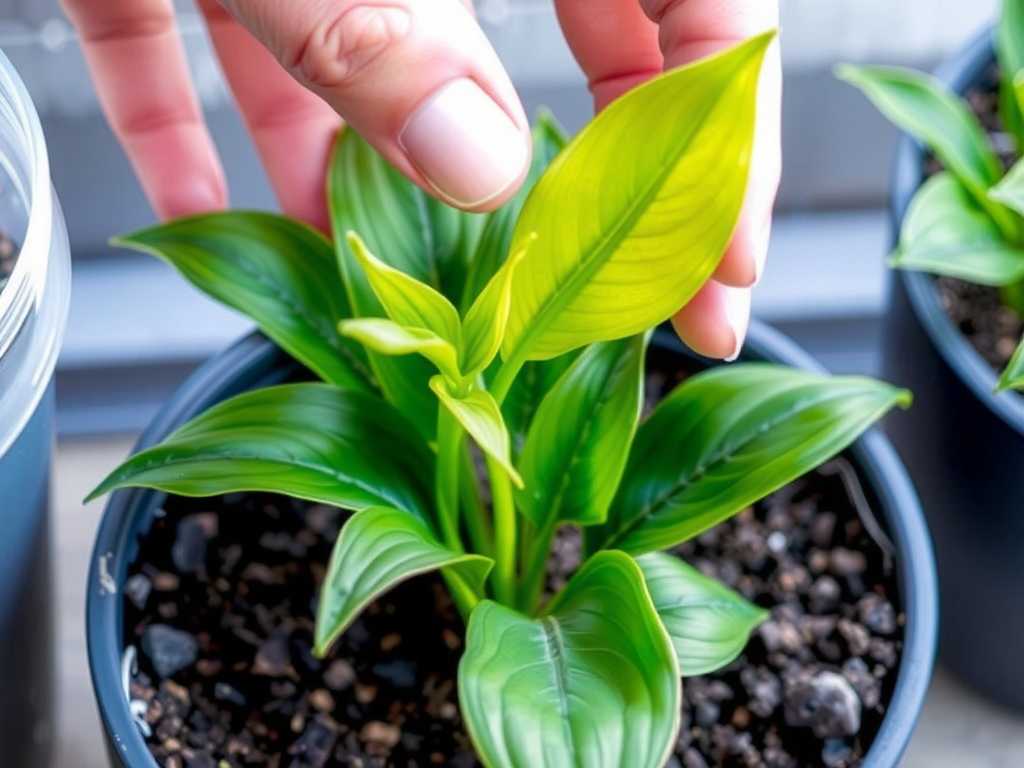
Calatheas, including the Ornata, are native to the understory of tropical rainforests. They thrive in nutrient-rich but consistently diluted environments, where nutrients are slowly broken down from organic matter. Their delicate root systems are not adapted to the sudden, concentrated salts found in synthetic fertilizers. Fertilizer burn occurs when these salts draw water out of the roots, dehydrating the plant and causing cellular damage visible on the leaf margins.
The Royal Horticultural Society (RHS) emphasizes that "over-fertilization is a common cause of leaf scorch," advising that "foliage plants often require less feeding than heavy-flowering plants." This aligns perfectly with the Calathea's needs. My goal shifted from "feeding" my plant to gently supplementing its environment.
My Toolkit: Choosing the Right Fertilizer
Not all fertilizers are created equal for a Calathea Ornata. After testing several options, here’s what I found works best:
- Liquid, Balanced, and Urea-Free: I use a liquid, balanced fertilizer with an equal NPK ratio like 10-10-10 or 5-5-5. Liquids mix thoroughly with water, ensuring even distribution. Crucially, I seek formulas that are low in or free from urea, as it can be harsh on sensitive roots. A fertilizer labeled for "houseplants" or "foliage plants" is a good start.
- The Dilution Hero: A Measuring Syringe. Accuracy is non-negotiable. Kitchen spoons are inconsistent. I use a small medical syringe (without the needle) to measure fertilizer milliliters precisely.
- Filtered Water: I always use room-temperature filtered or distilled water for both watering and diluting fertilizer. Calatheas are sensitive to chlorine, fluoride, and other minerals in tap water, which can compound stress.
The Step-by-Step Liquid Dilution Method I Swear By
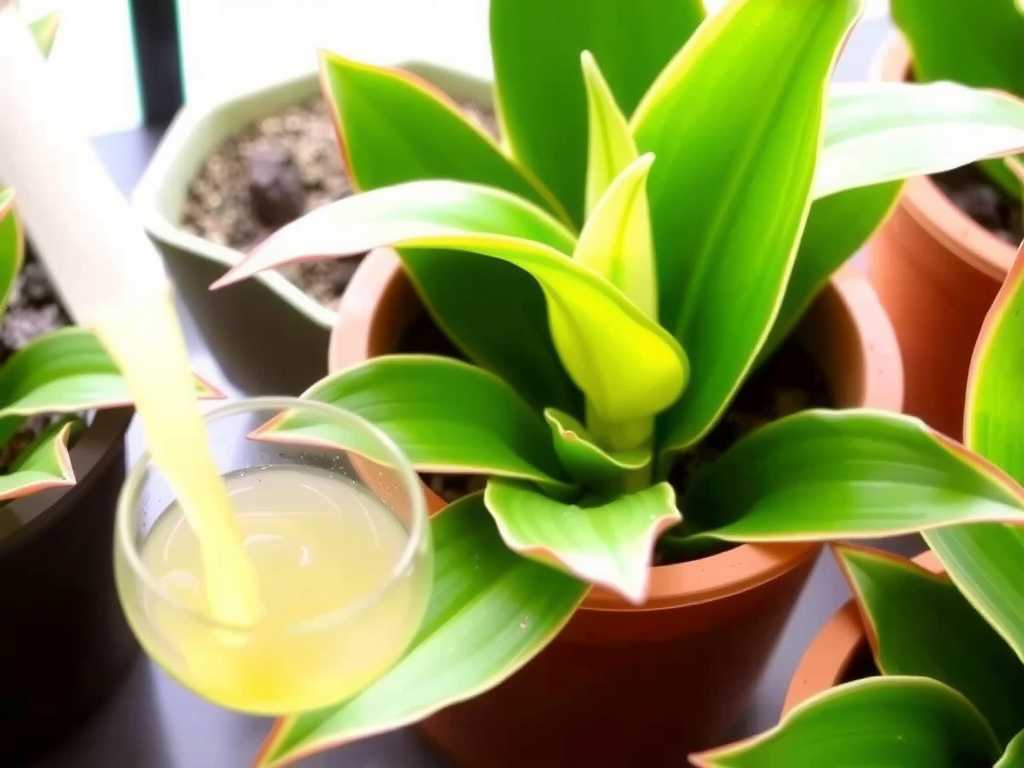
This is the exact routine I follow during the growing season (spring and summer). Consistency and precision are key.
1. The Golden Rule: Dilute, Then Dilute Some More The single most important step is dilution. The bottle's instructions are almost always too strong for Calatheas. My standard practice is to use half the recommended dose on the label, or even a quarter strength for a plant that has shown prior sensitivity. For example, if the instructions say "mix 10ml per gallon," I use only 5ml. I add this measured amount to my watering can.
2. Water First, Then Feed (The Pre-Moistening Step) This was a game-changer. I never apply fertilizer solution to dry soil. First, I thoroughly water my Calathea with plain filtered water until it runs from the drainage holes. This ensures the root ball is evenly moist and preps the roots to absorb nutrients evenly, preventing a sudden shock of salts in dry pockets.
3. Application and Soaking About 30 minutes after pre-watering, I apply the diluted fertilizer solution. I pour it slowly around the base of the plant, avoiding the leaves, until the solution just begins to drain from the bottom. I then let the pot sit in the sink or a saucer for about 15-20 minutes, allowing the roots to soak up the nutrients. After this, I empty any excess solution from the saucer to prevent the plant from sitting in water, which can cause root rot.
4. The Post-Fertilization Flush (Monthly) Once a month during the growing season, I skip fertilizer entirely and give the plant a deep, thorough watering with plain filtered water. This "flush" helps wash away any residual salt buildup in the soil, a critical preventative measure against burn.
My 2-Week Observation Diary: What Actually Happened
I started this regimen on a Calathea Ornata that was healthy but had stopped showing new growth and had one or two leaves with minor brown tips.
- Day 1-3: No visible change. The soil remained appropriately moist.
- Day 4-7: I noticed the existing leaves appeared slightly more perky and rigid. The vibrant pink stripes seemed to "pop" a bit more against the dark green.
- Day 8-14: The most exciting development: a new leaf spike (cataphyll) emerged from the soil base. It unfurled slowly, revealing a perfectly formed leaf with no browning at the tips. The existing leaves showed no signs of distress—no new browning or yellowing.
This was my proof. The gentle, diluted approach provided sustenance without stress, directly supporting new growth.
The Pitfalls I Encountered and How I Fixed Them
Even with this method, I hit snags. Here’s how I solved them.
- The "More is Better" Trap: Early on, thinking a weak plant needed a "boost," I once used a full-strength dose. Within a week, multiple leaf tips turned brown and crispy. Solution: I immediately performed a deep soil flush with 2-3 times the pot's volume of filtered water, letting it drain completely. I then did not fertilize again for 8 weeks, allowing the plant to recover. I returned to my quarter-strength dilution with no further issues.
- Ignoring Dormancy: I continued a bi-weekly feeding schedule into late fall. The plant's growth slowed, and the soil stayed wet longer, leading to a slight case of fungus gnats. Solution: I learned that Calatheas need a rest period. I now completely stop fertilizing from late October through February, resuming only when I see consistent new growth in spring.
- Soil Buildup: Even with flushing, a white, crusty ring formed on the clay pot's rim after a few months. Solution: This was a visible salt deposit. I carefully scraped it off and repotted the plant in fresh, well-draining soil at the start of the next growing season, which acted as a total reset.
Expert Insight: Backing Up the Method
The American Horticultural Society (AHA) notes that "fertilizer should be thought of as a supplement, not a food," supporting the philosophy of weak, supplemental feeding. They further advise that "symptoms of overfertilization often mimic those of underwatering," which explains why my plant's brown tips confused me for so long. This professional guidance validates the less-is-more approach for sensitive specimens like the Calathea Ornata.
Your Questions, Answered
Can I use organic fertilizer instead? Absolutely. I've had success with diluted fish emulsion or seaweed extract. They are generally gentler. However, still dilute them more than the label suggests and apply to pre-moistened soil. Be mindful of odor with fish emulsion in indoor spaces.
How often should I fertilize my Calathea Ornata with this dilution method? During the active growing season (spring and summer), I fertilize every 4 weeks. In brighter, warmer conditions, you could push to every 3 weeks, but monthly is a safe, effective rhythm. In autumn and winter, I cease all fertilization.
The leaves are already burned from past fertilizer. What now? First, stop fertilizing. Trim the browned tips off with clean scissors, following the natural leaf shape to make it less noticeable. Perform a thorough soil flush. Then, be patient. You cannot heal the burned tissue, but with correct care going forward, all new growth will be healthy. Focus on perfecting your watering and humidity while holding off on fertilizer for at least two months.
Mastering the care of a Calathea Ornata is a lesson in subtlety and observation. It’s not about grand gestures but about consistent, gentle support. By treating fertilizer as a carefully measured supplement, not a cure-all, and by always prioritizing dilution and soil health, you can avoid the dreaded leaf burn. The reward is a plant that unfurls flawless, artistically striped leaves, a living testament to the power of understanding and working with its natural needs. The vibrant, healthy growth you’ll see is worth every precise milliliter.
发表评论