 admin
admin How to Care for Calathea Ornata in Large Planters: Companion Plant Tips
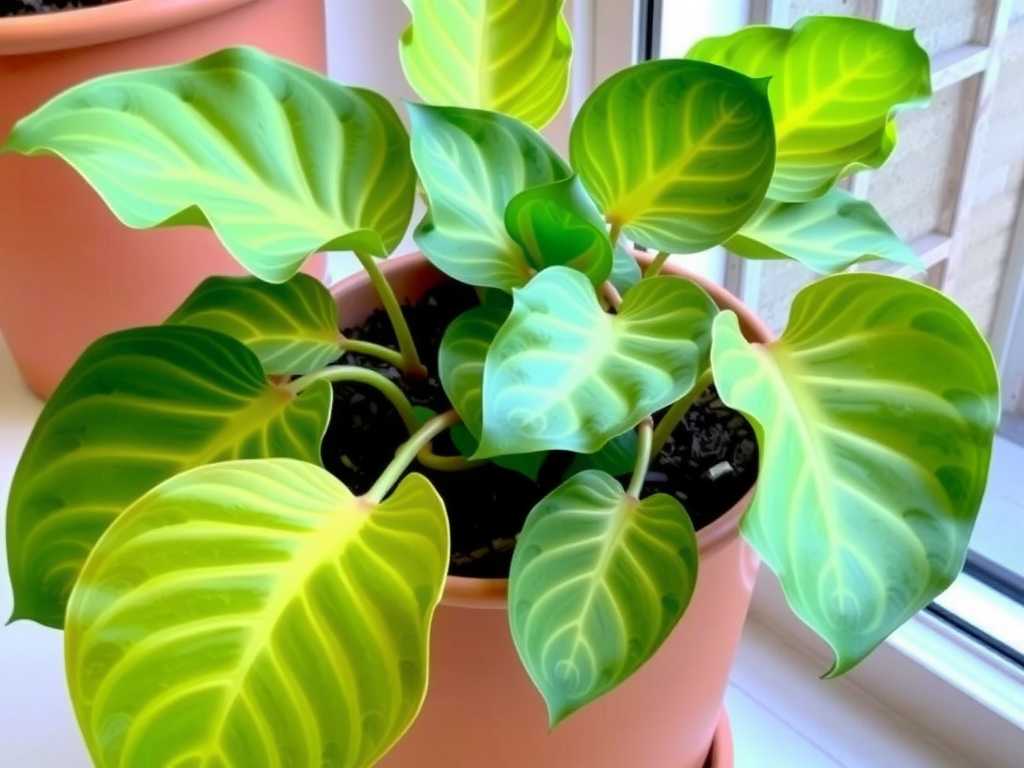
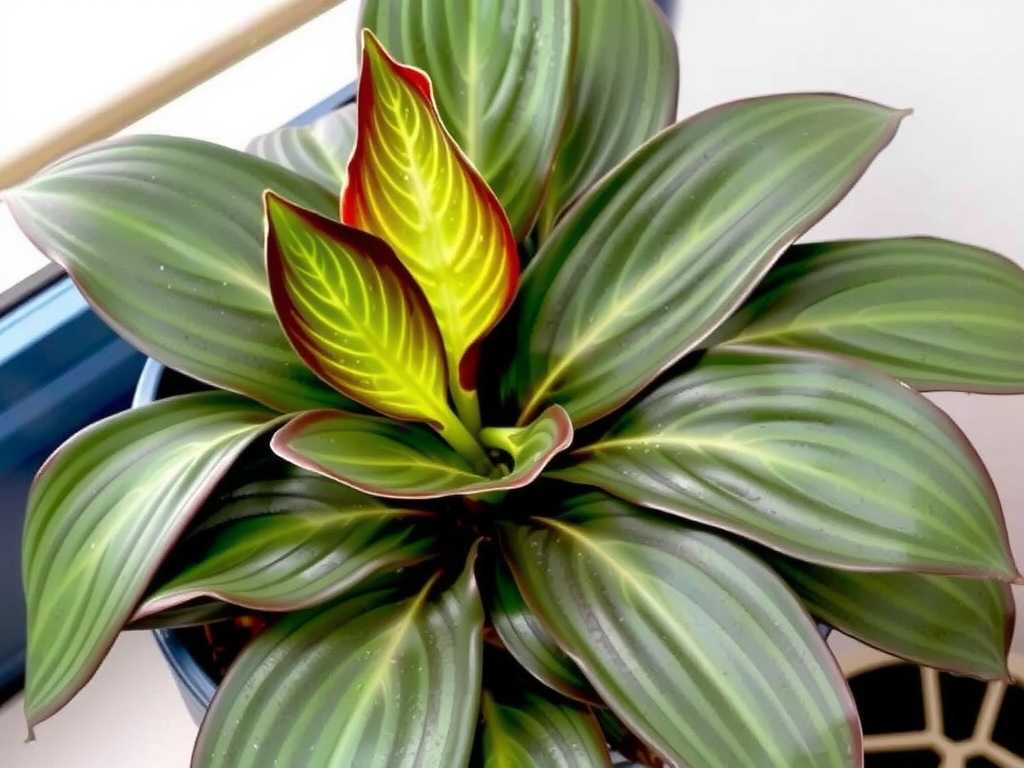
I’ve always been captivated by the Calathea ornata, with its stunning pink-striped leaves that seem painted by an artist’s hand. But let’s be honest—this “prayer plant” has a reputation. It’s often labeled as fussy, dramatic, and a challenge even for seasoned plant lovers. The real struggle, I found, begins when you want to showcase its beauty in a large, statement planter. The vast space, the tricky moisture balance, and the sheer loneliness of a single plant in a big pot can lead to a cascade of problems: crispy edges, yellowing leaves, and that heart-sinking feeling of failure. If you’ve ever wondered how to not just keep your Calathea ornata alive, but help it thrive in a spacious container, you’re in the right place. I embarked on a two-week experiment to master how to care for Calathea ornata in large planters, and the secret weapon wasn’t a fancy fertilizer—it was the strategic use of companion plants.
My journey taught me that a large planter isn’t a prison for a single plant; it’s an opportunity to create a miniature, supportive ecosystem. This guide will walk you through my exact process, the mistakes I made, and the simple companion planting tips that transformed my Calathea’s health.
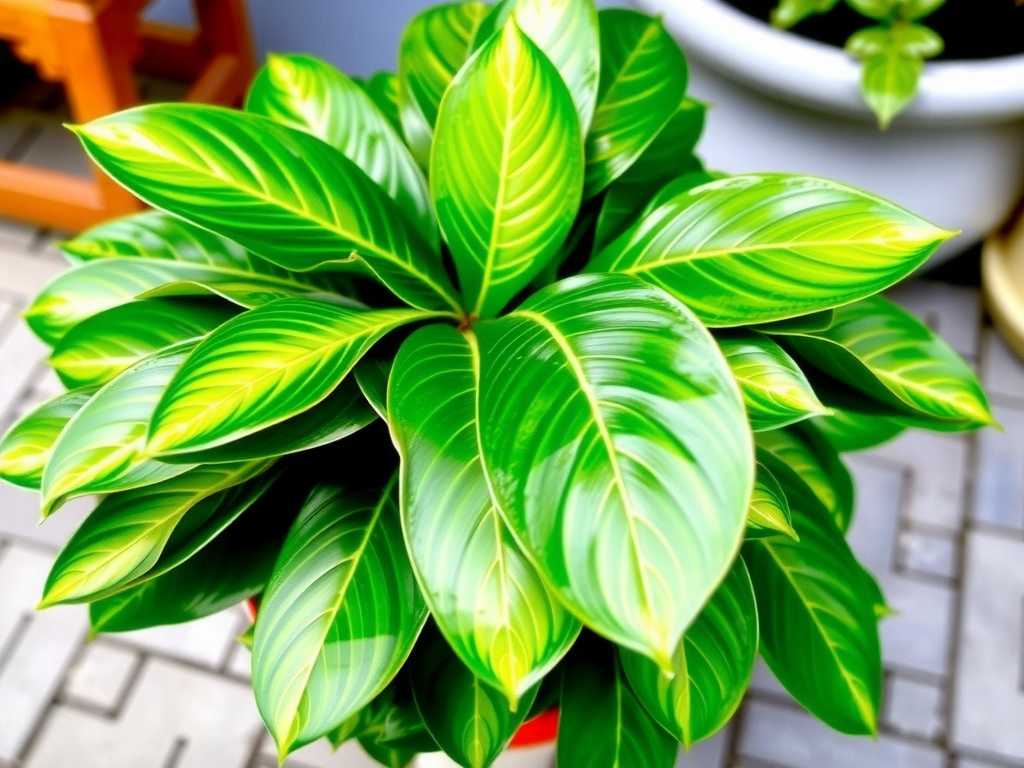
Why Large Planters Are a Double-Edged Sword for Calathea Ornata
At first glance, a big, beautiful pot seems perfect for a showstopper like the ornata. It provides room for growth and makes a dramatic visual impact. However, the Calathea ornata care routine hits a snag in oversized containers. The primary issue is soil moisture. Calatheas crave consistently moist (but not soggy) soil, a condition that’s notoriously hard to maintain in a large volume of potting mix. The center of the root ball might stay dry while the outer soil stays wet, or worse, the entire pot retains water for too long, leading to root rot.
During my initial setup, I used a standard, well-draining aroid mix in a 14-inch ceramic planter. I watered thoroughly, assuming the size would buffer against quick drying. What I observed over the first 4 days was perplexing. The top inch of soil felt dry, but the pot felt incredibly heavy, indicating waterlogged soil below. My Calathea’s leaves began to show the slightest curl at the edges—a classic sign of thirst, yet the soil was wet! I was facing the “moisture stratification” problem common in large planters.
The Game-Changer: Introducing a Supportive Plant Community
Frustrated, I recalled principles from the Royal Horticultural Society (RHS) on container gardening, which emphasize creating stable root environments. An article by the American Horticultural Society (AHA) on plant partnerships further sparked my idea: companion planting. By introducing carefully chosen plants, I could create a “living mulch” that would help regulate moisture, increase humidity, and utilize soil space more efficiently.
I decided to repot and start a two-week observation period with companions. Here is my step-by-step process.
Step 1: The Foundation – Potting Mix and Planter Prep
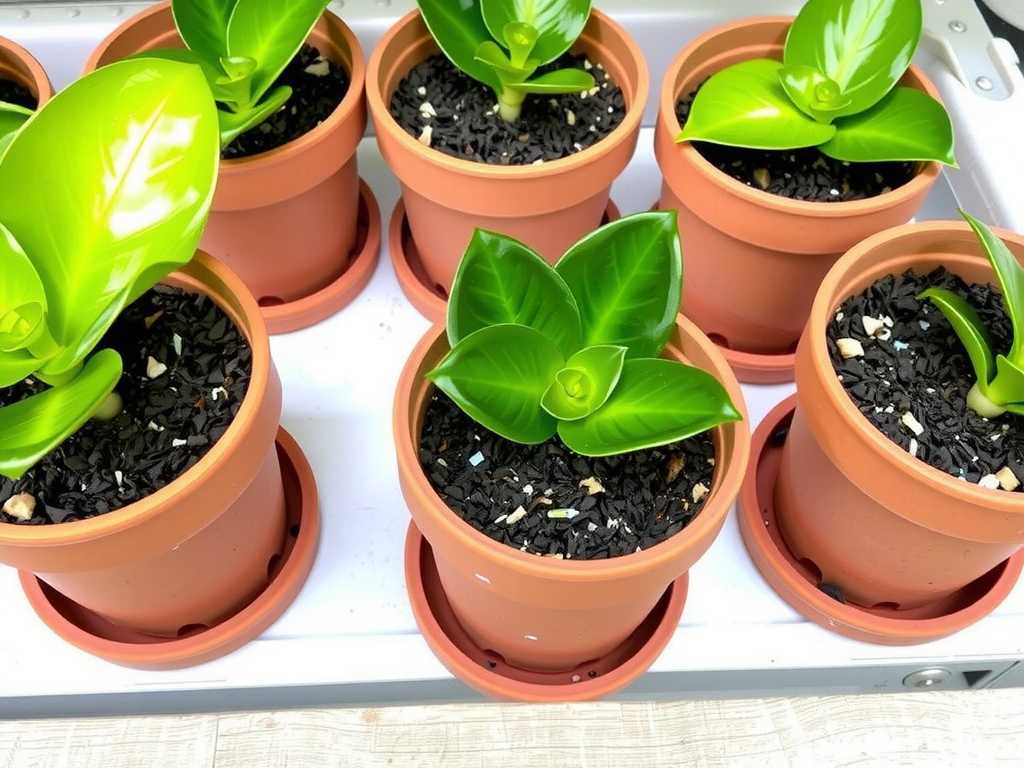
I started over with a clean, large planter that had excellent drainage holes. For the soil, I created a blend focused on moisture retention and aeration:
- 40% high-quality peat-free potting compost (for structure and moisture)
- 30% orchid bark (for chunky aeration)
- 20% perlite (for drainage)
- 10% horticultural charcoal (to keep the soil fresh and absorb impurities) This mix prevents compaction in a large container while holding onto just enough water.
Step 2: Selecting the Perfect Companion Plants
This was the most crucial step. The companions needed to share the Calathea’s love for medium indirect light, high humidity, and consistent moisture, without being aggressive root competitors. I chose two:
- Baby’s Tears (Soleirolia soleirolii): This was my humidity and moisture meter. It forms a dense, low mat that shades the soil, reducing surface evaporation. Its rapid growth quickly indicates if the moisture level is right.
- Parlor Palm (Chamaedorea elegans): A gentle, shallow-rooted palm that shares the Calathea’s environmental needs. It adds vertical structure and helps draw water evenly through the soil profile without competing aggressively.
Step 3: The Planting Process and Initial Setup
I placed my Calathea ornata slightly off-center as the focal point. I then planted a small division of Baby’s Tears around the base, covering the exposed soil. In the remaining space, I added the small Parlor Palm. I watered the entire arrangement with distilled water (to avoid leaf tip browning from chemicals) until it just began to drain from the bottom. I placed the planter in a bright room, about 8 feet from a north-east facing window—no direct sun.
The Two-Week Observation: Transformative Results
Days 1-3: The Calathea showed minor transplant shock—one lower leaf yellowed, which I promptly trimmed. The Baby’s Tears looked slightly wilted but perked up within 24 hours.
Days 4-7: Here’s where the magic became visible. The soil surface, now shaded by the Baby’s Tears, remained cool and slightly damp to the touch for much longer. The companion plants were acting as a natural moisture regulator. I used a moisture meter to check at root level (about 3 inches deep); it read “moist” for a full 7 days before dipping. In my previous solo pot, it hit “dry” in 4-5 days. The ambient humidity around the foliage, measured by a hygrometer, was consistently 5-7% higher than the room’s average.
Days 8-14: My Calathea pushed out a new, perfectly pink-striped leaf—a sure sign of happiness. The existing leaves lost their slight curl, becoming broad and flat. The Baby’s Tears flourished, creating a lush green carpet. The Parlor Palm also showed new growth. The entire large planter looked balanced, healthy, and vibrant. My watering schedule stabilized to once every 10 days, a much more manageable routine than the guesswork I had before.
Pitfalls I Encountered and How I Fixed Them
My experiment wasn’t flawless. Around day 5, I noticed the Baby’s Tears near the planter’s edge drying faster than the center. This was my “companion plant” selection lesson: while excellent for humidity, its dense mat can sometimes prevent water from penetrating evenly. The fix was simple but critical. I now use a long-spouted watering can to gently water under the foliage of the companions, directly onto the soil, ensuring deep root hydration without just wetting the surface plants.
Another lesson was light. A south-facing spot I initially tested was too strong, causing the Calathea’s pink stripes to fade. I quickly moved it to the gentler north-east light, and the vibrant coloration returned. This underscores that even the best planting tips won’t work if core light needs aren’t met.
Maintaining Your Thriving Calathea Ornata Planter
Long-term care for this arrangement is straightforward. I fertilize every 4-6 weeks during the growing season with a diluted, balanced liquid fertilizer. I wipe the Calathea’s leaves weekly with a damp cloth to keep its pores open for breathing. I also trim the Baby’s Tears occasionally to prevent it from overwhelming the base of the Calathea. The key is observing the community as a whole; the companions are your early warning system.
Can I use other plants with my Calathea in a big pot? Absolutely. Excellent companion plants for Calathea include other humidity-lovers like Ferns (e.g., Lemon Button Fern) or Peperomias. The golden rule is to match light and water needs. Avoid fast-growing vines or succulents, as their care requirements clash dramatically.
How do I know when to water a Calathea in a large planter with other plants? Ditch the calendar. Use a moisture meter probe inserted near the Calathea’s root ball. Water when it reads at the lower end of “moist.” Observing the Baby’s Tears (if you use it) is also helpful; slight wilting means check the soil moisture immediately.
My Calathea’s leaves are still getting brown edges even with companions. What’s wrong? Persistent crispy edges are almost always a water quality or humidity issue. Calathea ornata is sensitive to salts and chemicals in tap water. Switch to distilled, rainwater, or filtered water. Also, ensure your large planter isn’t in the path of heating or air conditioning vents, which create dry, damaging drafts. A pebble tray placed under the pot can give humidity an extra boost.
Caring for a Calathea ornata in a spacious container doesn’t have to be a battle against dryness and drama. By shifting your perspective from solitary specimen to curated community, you unlock a simpler, more effective way to cultivate health and beauty. The right companion planting tips create a self-supporting environment where each plant contributes to the whole’s well-being. My two-week test proved that with the right partners and a mindful setup, your striped beauty won’t just survive—it will become the thriving centerpiece you always knew it could be.
发表评论