 admin
admin How to Fix Fungal Growth on Calathea Ornata Soil: A 2-Week Drying Rescue Mission
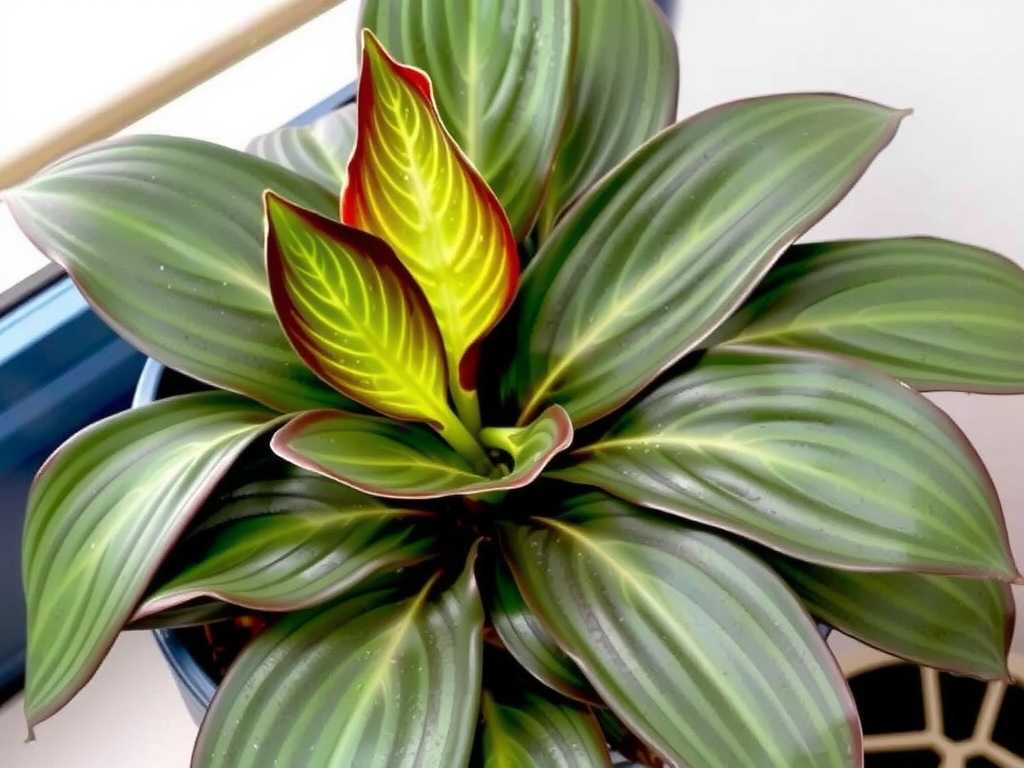
I’ll be honest—the first time I saw that fluffy, white mold creeping across the soil of my beloved Calathea Ornata, my heart sank. Here was this stunning plant with its painterly pink stripes, and its base was being taken over by something unsightly and worrying. If you’re reading this, you likely know that panic. You’re not just asking how to fix fungal growth on Calathea Ornata soil; you’re worried you’re killing a fussy, beautiful friend. I was there too. Through trial, error, and a dedicated two-week drying protocol, I saved my plant. This guide is my firsthand account of exactly what worked, what didn’t, and how you can restore your Calathea to health.
Understanding the Enemy: Why Mold Loves Calathea Soil
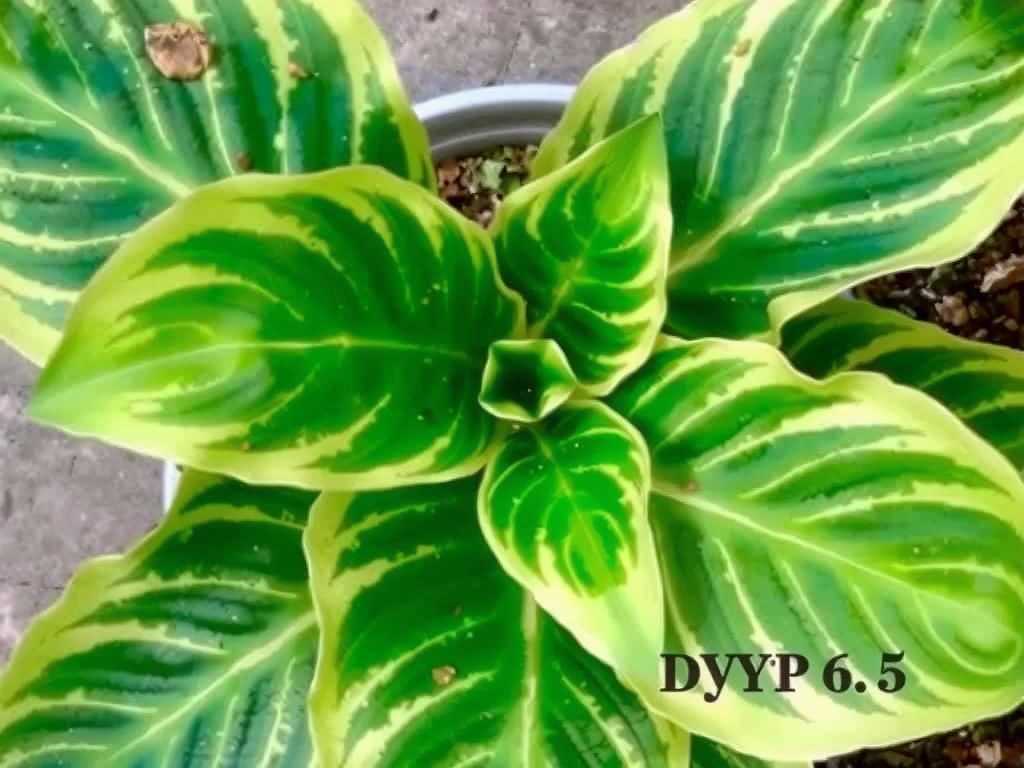
Before we dive into the drying tips, it’s crucial to know why this happens. Calathea Ornata, native to tropical understories, loves consistent moisture and high humidity—unfortunately, so do fungi. The mold itself is often a harmless saprophytic fungus feeding on decaying organic matter in damp potting mix. However, as the Royal Horticultural Society (RHS) notes, its presence is a clear warning sign of excessive moisture, which can lead to the real threat: root rot.
The goal isn’t just to scrape off the mold; it’s to correct the environment that allowed it to flourish. My mission became not just eradication, but creating a balance where my Calathea thrived and fungi did not.
My Step-by-Step, 2-Week Drying and Recovery Plan
This wasn't an overnight fix. I committed to a careful, observant process over two weeks to ensure the problem was solved at its root.
Phase 1: Immediate Intervention (Day 1)
First, I moved my Calathea to an area with bright, indirect light and excellent air circulation. A gentle breeze from a nearby fan (set on low, not directly on the plant) can work wonders. I then carefully scraped off the top layer of affected soil, about half an inch, with a spoon and discarded it. This physically removes the bulk of the visible growth.
Next came the critical step: checking the roots. I gently tipped the plant out of its pot. The smell was damp and earthy. I inspected the root ball. Thankfully, the roots were still firm and creamy-white, not mushy or brown—a good sign this was a surface-level issue. I loosened the root ball slightly to aerate it, which is a vital first step in drying out compacted, wet soil.
Phase 2: The Strategic Dry-Out (Days 2-7)
Here’s where patience is key. Instead of watering on a schedule, I let the soil dry out more than usual. For a Calathea, this means letting the top 1.5 to 2 inches of soil become completely dry to the touch. I used a wooden chopstick inserted into the soil as a moisture gauge—if it comes out clean, it’s time to consider a light watering.
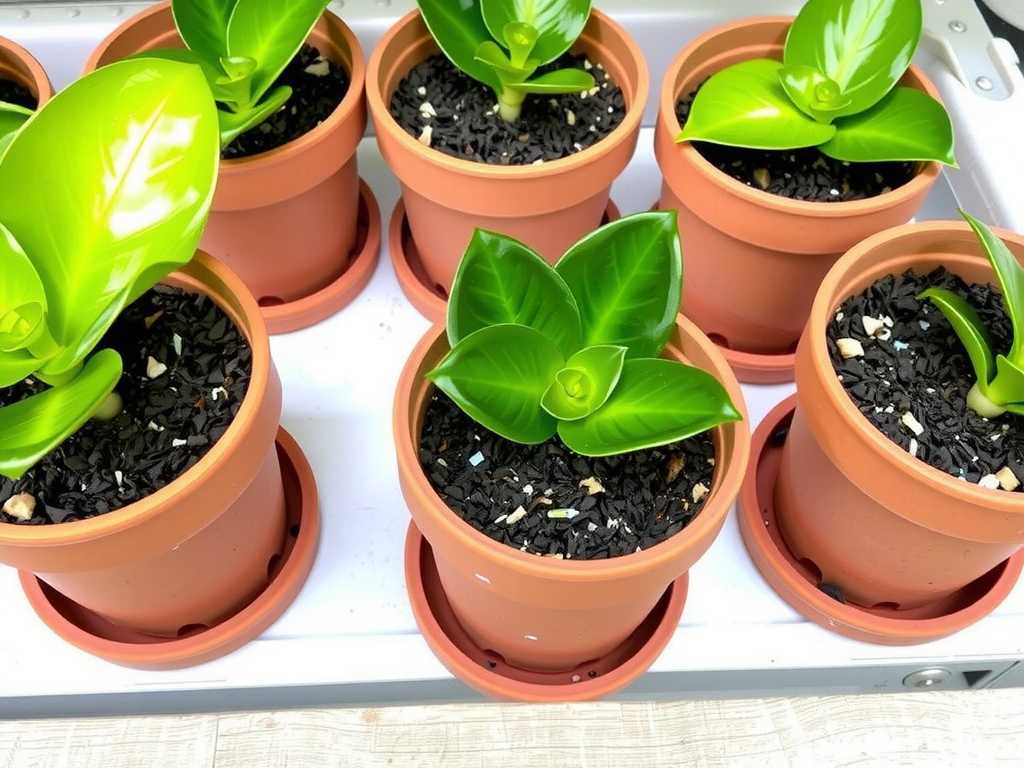
To enhance drainage and prevent future fungal issues on my Calathea Ornata, I prepared a better potting mix. I combined my standard potting soil with about 30% perlite and 20% orchid bark. This creates a chunky, airy medium that holds moisture but never becomes soggy. The American Horticultural Society (AHS) emphasizes the importance of a well-draining substrate for preventing waterlogged conditions that harm roots.
Phase 3: Observation and Adjustment (Days 8-14)
During this week, I monitored the plant twice daily. No new fungal growth appeared. The soil surface felt dry and fresh. When I finally watered at the end of week one, I did so deeply but carefully, allowing water to flow freely from the drainage holes, and I immediately emptied the cache pot. I also began watering with a diluted 3% hydrogen peroxide solution (one part peroxide to four parts water) for the first two waterings. This introduces oxygen to the soil and has mild antifungal properties.
The plant’s response was telling. Initially, one older leaf showed some crisping at the very edges—a sign it was adjusting to the drier conditions. However, no new damage occurred, and the vibrant prayer movement at night remained strong. By day 14, the soil environment felt balanced and healthy.
The Pitfalls I Encountered and How I Solved Them
My journey wasn’t perfectly smooth. Here’s where I stumbled and what I learned:
- Pitfall 1: Overcorrecting and Underwatering. In my zeal to dry the soil, I initially let the plant wilt slightly. Calathea Ornata drying tips must emphasize balance. The solution was to perform the “knuckle test” more diligently and water with a modest amount when the top two inches were dry, rather than letting the entire pot become a desert.
- Pitfall 2: Ignoring Ambient Humidity. While fixing the wet soil, I had the plant near a dehumidifier. The leaves started to brown. I realized I was stripping all humidity. I moved it to a naturally humid bathroom (with a window) and grouped it with other plants. This maintained the 50-60% humidity it craved without making the soil wet.
- Pitfall 3: Using the Wrong Top-Dressing. I tried cinnamon as a natural antifungal top dressing, but it caked and repelled water. A better, more aesthetic solution I found was a thin layer of horticultural sand or small aquarium gravel. This creates a dry barrier on the soil surface, discouraging surface mold and fungus gnats.
Preventing Future Fungal Growth on Your Prayer Plant
The true fix is in prevention. Now, I always use pots with ample drainage holes. I water only when needed, not by the calendar. I ensure my plant gets consistent, gentle airflow from a ceiling fan. Most importantly, I repot my Calathea every 1-2 years with fresh, well-aerated soil to prevent organic matter breakdown that feeds fungi.
Your Questions, Answered
Will the mold hurt my Calathea? The surface mold itself is rarely pathogenic, but it is a definitive red flag for overly moist conditions that will inevitably lead to root rot. Addressing it promptly is essential for the long-term health of your prayer plant.
Can I just spray the mold with vinegar or fungicide? While a diluted vinegar solution can kill surface mold, it doesn’t address the wet soil causing it. Chemical fungicides are often overkill for this issue and can harm soil biology. The most effective and holistic remedy is to correct the watering habits and soil environment, as outlined in this drying strategy.
How often should I water my Calathea Ornata to prevent this? There is no universal schedule. Frequency depends on light, temperature, humidity, and pot size. The only reliable method is to physically check the soil moisture. Let the top 1-2 inches dry out completely before watering thoroughly. This simple habit is the single best practice for keeping your Calathea’s soil healthy and fungus-free.
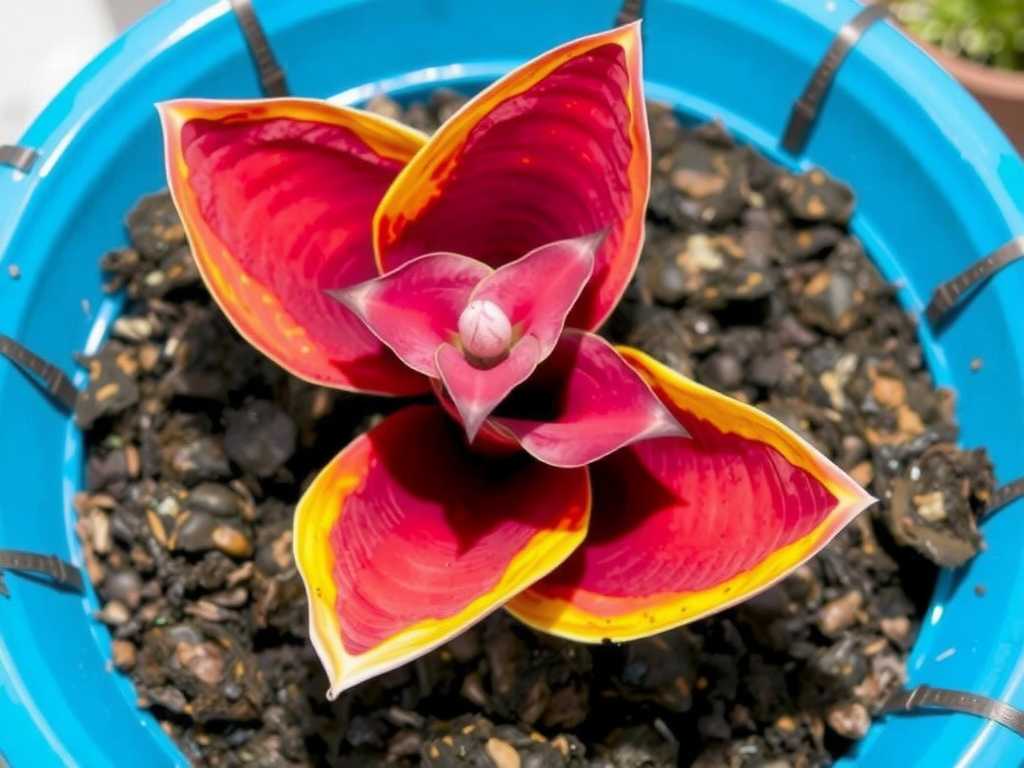
Seeing my Calathea Ornata now, with its soil clean and dry on the surface and its leaves proudly unfurling, is a reward. That two-week period of attentive care—checking, waiting, adjusting—transformed a problem into a deeper understanding of the plant’s needs. Fungal growth is a message, not a death sentence. By listening to it and responding with these focused drying and correction techniques, you can create an environment where your Calathea doesn’t just survive, but truly thrives.
发表评论