 admin
admin How to Water Calathea Ornata for Leaf Health: Consistent Moisture Tips
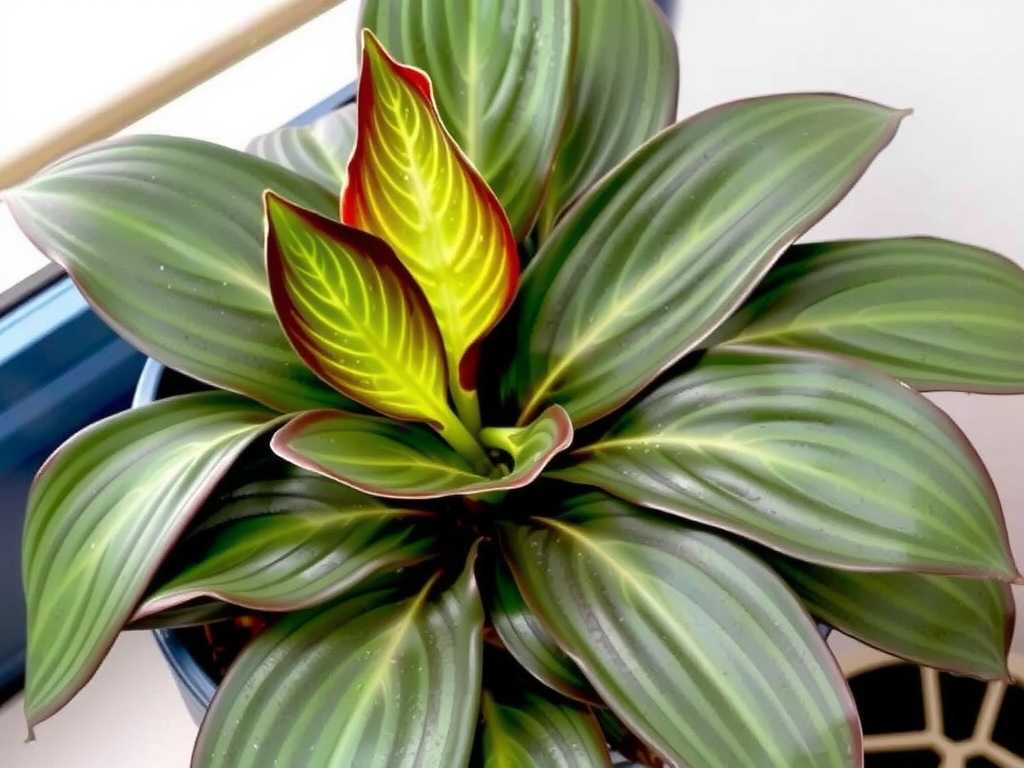
I remember the day I brought my first Calathea Ornata home. Its dark green leaves, painted with those impossibly delicate pink stripes, looked like a living work of art. But within a week, my masterpiece began to crumble. Brown, crispy edges crept in from the leaf margins. Some leaves curled inward, while others developed unsightly yellow patches. I was heartbroken and, frankly, baffled. I was watering it, wasn't I? It turns out, I was doing everything wrong. The secret, I’ve learned through years of trial and significant error, isn’t just about watering; it’s about mastering consistent moisture. This is the single most critical factor for keeping those stunning leaves healthy, vibrant, and free of the dreaded crisps.
If you’re seeing brown tips, curling leaves, or general droopiness, you’re not alone. The most common mistake we make is treating our Calathea Ornata like any other houseplant. It’s not. It hails from the humid understory of tropical rainforests, where the soil is perpetually moist but never swampy, and the air is thick with moisture. Replicating that “consistently moist” environment is the key. This guide is the result of my personal journey from plant killer to Calathea whisperer, complete with a detailed two-week experiment that finally unlocked the secret to perfect leaf health.
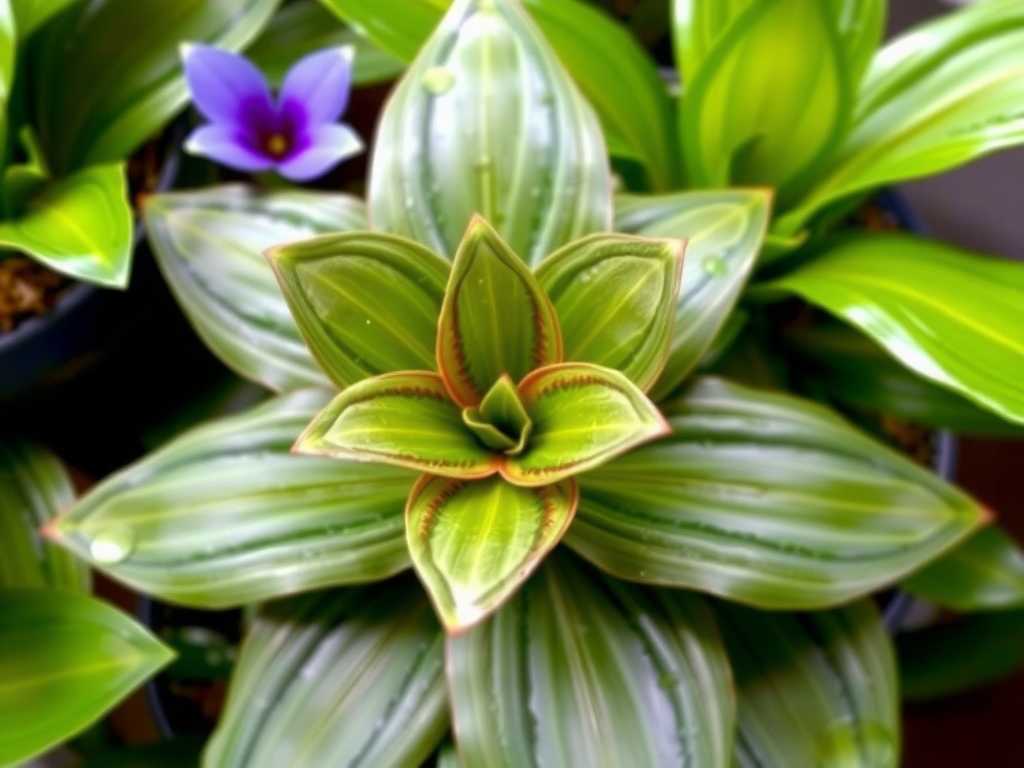
Understanding the "Consistently Moist" Mandate
Before we dive into the "how," we need to understand the "why." The term consistent soil moisture isn't a suggestion for Calathea Ornata; it's a non-negotiable requirement. Their root systems are fine and sensitive, designed to absorb water and nutrients from a reliably damp environment.
Let’s break down what happens when we get it wrong:
- Underwatering: The soil becomes too dry. The roots can't access water, so the plant pulls moisture from its leaves, leading to curling, browning, and crispiness, starting at the edges and tips. The plant goes into survival mode.
- Overwatering: The soil is saturated and waterlogged. Oxygen is pushed out of the soil, and the delicate roots begin to suffocate and rot. This often manifests as yellowing leaves, a foul smell from the soil, and a general collapse of the plant. Ironically, the symptoms can look similar to underwatering because the rotten roots can't take up water.
The goal is the sweet spot in the middle. According to principles often cited by horticultural bodies like the American Horticultural Society (AHS), many tropical plants thrive in soil that is kept "evenly moist." For Calathea, this means the top inch of soil can feel slightly dry to the touch, but the soil beneath should never fully dry out.
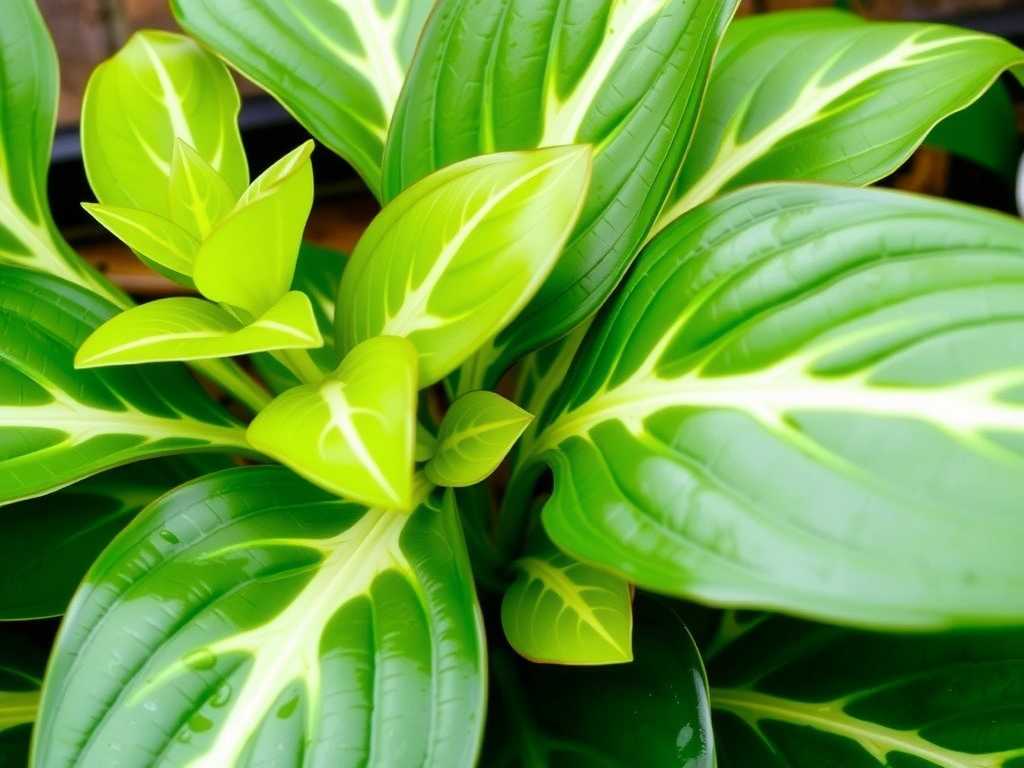
My 2-Week Experiment to Perfect Consistent Moisture
Frustrated with the guesswork, I decided to conduct a focused experiment on my struggling Calathea Ornata. I committed to a strict, observation-heavy routine for 14 days to find the perfect watering rhythm.
Week 1: Establishing a Baseline and The Finger Test Mastery
I started by checking the plant's environment. It was in a room with bright, indirect light (a north-facing window), and the temperature was a steady 70°F (21°C). Humidity, however, was only around 40%—too low.
My core tool became the "finger test." Every morning, I would insert my index finger into the soil up to the second knuckle (about 1.5-2 inches deep).
- Day 1-3: The soil still felt moist from my previous watering. I did not water.
- Day 4: The top inch felt dry, but at my fingertip depth, I could feel cool, damp soil. I still held off.
- Day 5: This was the day. The top 1.5 inches felt predominantly dry, with just a hint of coolness at the very tip of my finger. This was my signal.
The Watering Technique I Used: I took the plant to the sink. Using a watering can with a long, narrow spout, I watered slowly and evenly around the soil surface, avoiding the leaves and crown. I continued until I saw water freely draining from the bottom drainage holes. This is crucial—it ensures the entire root ball is hydrated. I let it drain completely in the sink for 30 minutes before returning it to its decorative pot (never letting it sit in a saucer of water).
Week 2: Observing the Transformation and Adding Humidity
After that deep soak on Day 5, I resumed daily finger checks.
- Day 6-8: Soil was comfortably moist. The plant already looked less droopy.
- Day 9: I noticed the first major change: a new leaf, which had been tightly furled, began to unfurl. It was perfectly formed with no brown edges.
- Day 10-12: The existing leaves, which had slight curling, started to relax and flatten out. Their texture felt less brittle.
- Day 13-14: The overall posture of the plant was improved. It looked perky and vibrant. The key to healthy Calathea leaves was clearly this routine of checking and deep watering at the right moment.
Concurrently, I tackled the low humidity. I placed a small humidifier about 3 feet away, running it for 4-6 hours during the day. The combination of consistent soil moisture and boosted ambient humidity was transformative.
The Pitfalls I Encountered (And How to Fix Them)
My journey wasn't without stumbles. Here’s what went wrong and how I corrected it:
-
The "Schedule" Trap: I used to water every Sunday. This was a disaster. In the winter with the heat on, the soil dried faster. In the summer, it sometimes stayed wet longer. Fix: I abandoned the calendar. The plant's needs, measured by the finger test, are the only schedule that matters.
-
The Wrong Pot: My plant was in a beautiful, glazed ceramic pot with no drainage hole. I thought I was careful, but eventually, water pooled at the bottom. Fix: I repotted it into a plastic nursery pot with excellent drainage and placed that inside the decorative pot. This allows for safe, thorough watering and easy drainage checks.
-
Poor Water Quality: My tap water is heavily treated. Calatheas are sensitive to fluoride, chlorine, and salts, which can build up in the soil and cause leaf tip burn. Fix: I now use filtered water, rainwater, or simply leave tap water out in an open container for 24 hours to allow some chemicals to dissipate. This made an immediate difference in stopping new brown tips.
-
Ignoring Humidity: Watering correctly addresses soil moisture, but leaf health also depends on air moisture. Dry air pulls water from the leaves faster than the roots can replenish it. Fix: The humidifier was a game-changer. Grouping plants together or using a pebble tray with water can also help.
Building Your Consistent Moisture Routine
Based on my experience, here is a actionable checklist for maintaining Calathea leaf health:
- Check, Don't Guess: Make the finger test a habit every 2-3 days.
- Water Deeply and Thoroughly: When the top 1-2 inches are dry, water until it runs freely from the drainage holes.
- Ensure Complete Drainage: Never let the plant sit in standing water.
- Use Tepid, Filtered Water: Protect your plant from harsh chemicals.
- Boost Humidity: Aim for 60% or higher. A humidifier is the most effective tool.
- Consider the Soil Mix: A well-draining but moisture-retentive mix (e.g., peat/perlite/orchid bark) supports the consistent moisture goal.
What is the best way to know when my Calathea Ornata truly needs water? The finger test is the most reliable method. Stick your finger 1.5-2 inches into the soil. If it feels dry at that depth, it’s time to water. You can also lift the pot; a dry pot is significantly lighter than a freshly watered one.
My plant’s soil is either always wet or dries out in a day. What’s wrong? This is often a soil or pot issue. Soil that stays wet too long may be too dense and need more perlite or bark for aeration. Soil that dries too fast may not have enough organic matter to retain moisture or the pot may be too small. A root-bound plant will also dry out very quickly. Consider repotting into an appropriate, well-draining mix in a pot that’s only 1-2 inches larger in diameter.
I’m doing everything right, but I still have brown tips. Why? First, trim away the existing brown tips with clean scissors for aesthetics—they won’t heal. For prevention, look to your water quality and humidity levels. These are the most common culprits for persistent tip burn even with good watering practices. Switching to distilled or rainwater and increasing ambient humidity are your next steps.
Mastering the art of watering your Calathea Ornata is a shift from a passive task to an engaged practice. It’s about learning to read the subtle signals in the soil and the leaves. By committing to providing that steady, reliable moisture—neither a drought nor a flood—you create the foundation for a truly spectacular plant. The reward is a Calathea Ornata that doesn’t just survive, but thrives, with leaves so lush and perfectly striped they’ll take your breath away. It’s a practice of patience and observation, and the vibrant health of your plant will be your greatest testament.
发表评论