 admin
admin How to Care for Calathea Ornata in Balconies with Shade: Perfect Spot
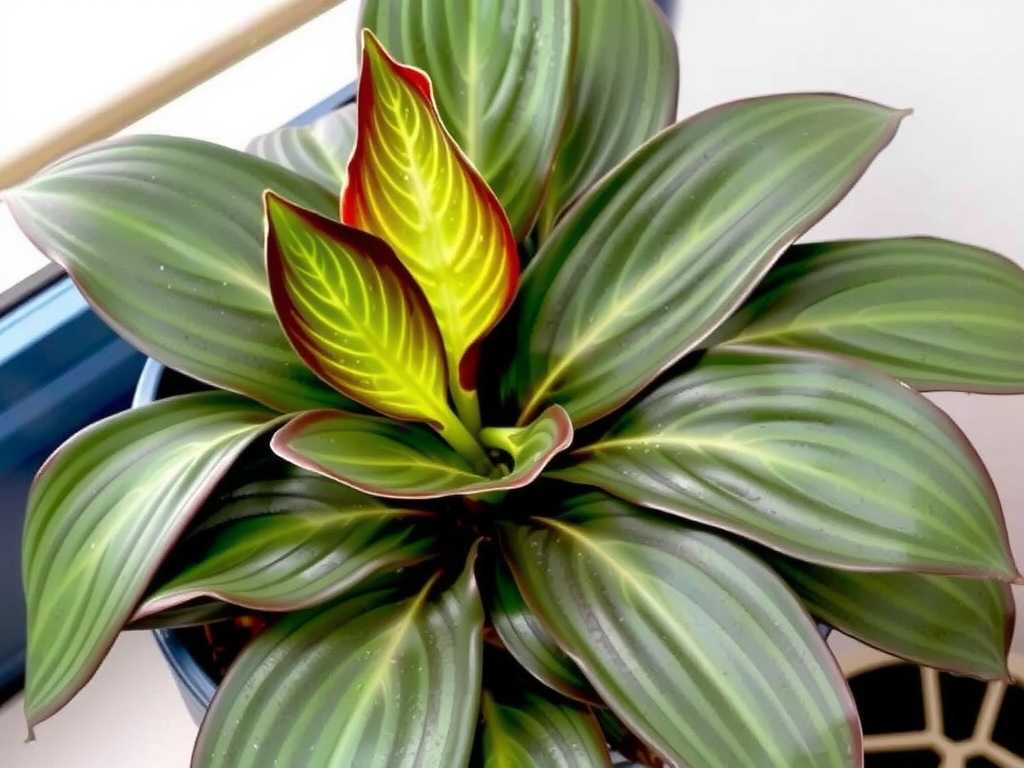
I’ve always been mesmerized by the Calathea Ornata, with its stunning pink-striped leaves that look like they’ve been hand-painted. But for the longest time, I hesitated. My living space is an apartment with a shaded balcony that gets gentle, filtered light but never direct sun. I’d read the warnings: “Bright, indirect light only,” “High humidity required,” “Dramatic foliage, even more dramatic tantrums.” It felt like a recipe for failure in my specific conditions. The core question haunted me: How to care for Calathea Ornata in balconies with shade? Was my shaded space a death sentence or could it actually be the perfect spot?
After extensive research and a successful two-week trial that transformed my skeptical balcony into a thriving green nook, I can confidently say a shaded balcony isn’t just suitable—it can be ideal. Here’s my hands-on, step-by-step guide from a fellow plant enthusiast who’s navigated the pitfalls and found the sweet spot.
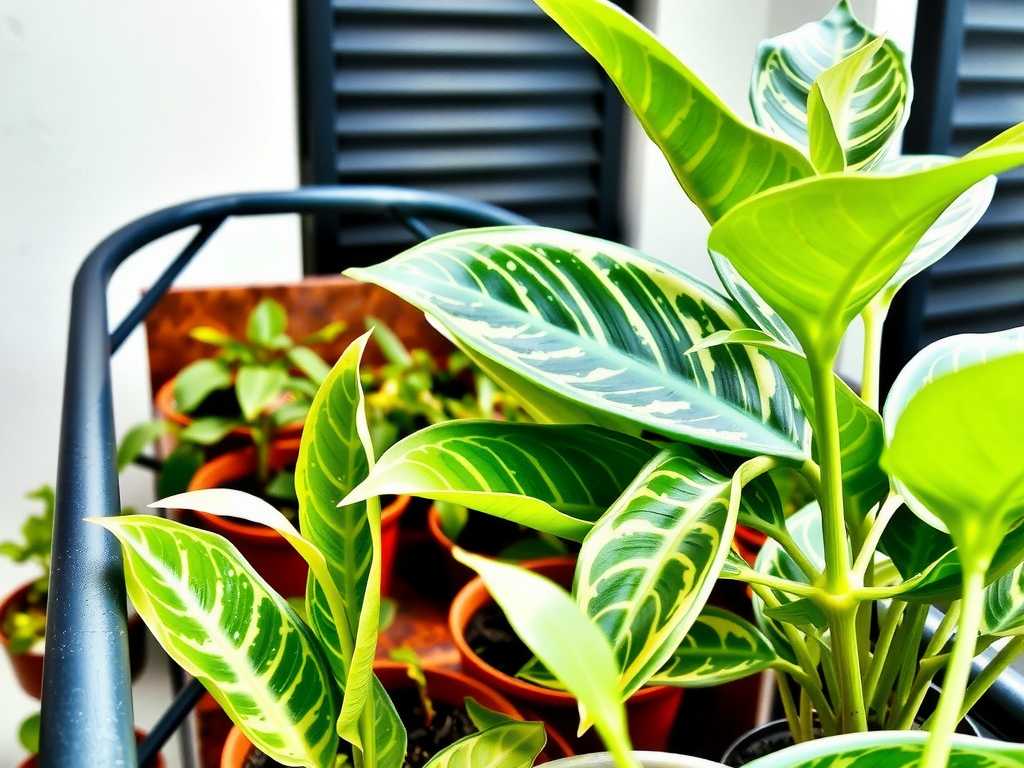
Understanding Your Shaded Balcony’s Microclimate
Before you even bring a Calathea Ornata home, you need to become a detective. “Shade” is a broad term. I spent a full day observing my balcony’s light patterns.
- Morning vs. Afternoon: My north-east facing balcony received about 2 hours of very soft, dappled morning light through a nearby tree. The rest of the day was bright but completely shadowed. This is crucial. The Royal Horticultural Society (RHS) emphasizes that “plants adapted to low light” often thrive in north-facing aspects or similar shaded areas, as direct sun can scorch their delicate leaves. My balcony’s profile matched this perfectly.
- Humidity & Airflow: Balconies, even shaded ones, often have better airflow than indoors, which helps prevent fungal issues. However, this same airflow can dry out the air. My initial humidity readings were around 45%—too low for a Calathea, which, according to numerous horticultural experts, prefers 60% or higher.
My 2-Week Calathea Ornata Balcony Integration Plan
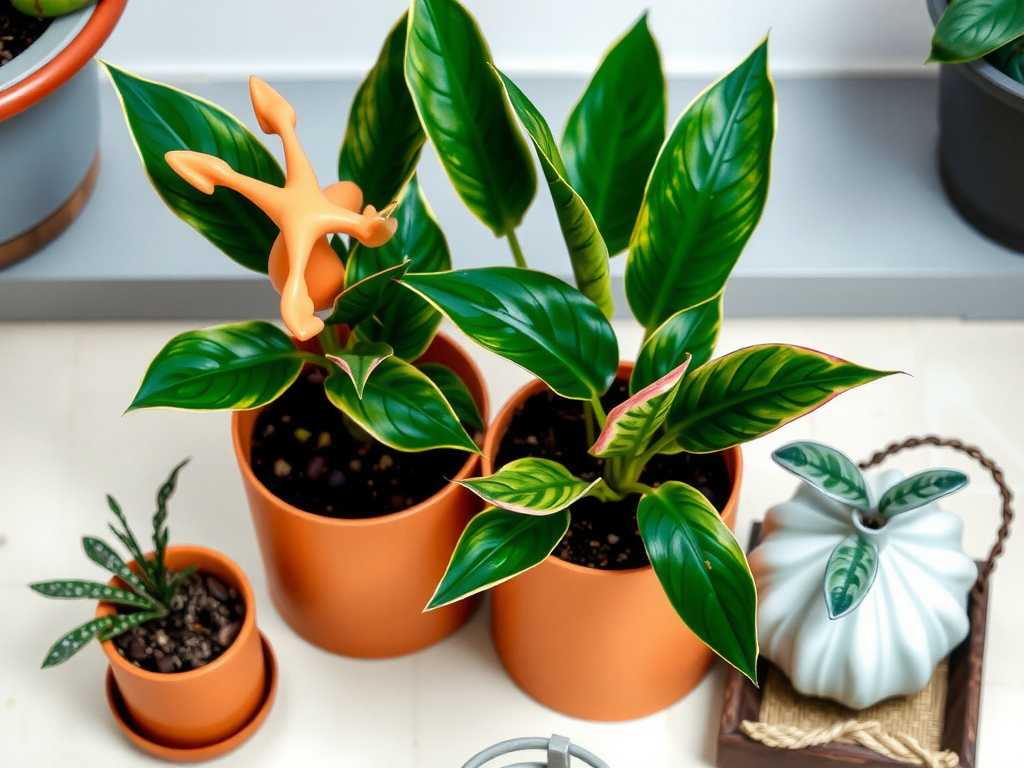
Week 1: Acclimation and Initial Setup
My goal for the first week was simple: don’t shock the plant. I brought home a healthy Calathea Ornata and placed it not immediately on the balcony, but just inside the balcony door for 3 days. This allowed it to adjust to the temperature and airflow changes gradually.
Day 4: The Move to the Perfect Spot. I identified the most protected corner of my balcony. It was against the interior wall, received the gentle morning dappled light, and was shielded from strong winds. This became its permanent home. Finding the perfect spot for Calathea on a shaded balcony is less about chasing light and more about providing consistent, gentle conditions.
The First Challenge: Humidity. By day 5, I noticed the very tips of two leaves were beginning to brown—a classic sign of low humidity. My balcony’s airflow was working against me. Here’s how I solved it without a humidifier:
- Pebble Tray Method: I placed the pot on a wide, shallow tray filled with pebbles and water. As the water evaporates, it creates a localized humid microclimate. The pot sits on the pebbles, not in the water, to avoid root rot.
- Grouping Plants: I clustered my Calathea with a few other moisture-loving plants like a Fern and a Peace Lily. Plants naturally release moisture through transpiration, creating a communal humid zone. Within 48 hours of implementing these two steps, the browning stopped. No new crispy tips appeared.
Watering in a Shaded Environment. This was my biggest learning curve. Shaded balconies dry out slower than sunny ones. I almost made the fatal error of overwatering. My method became foolproof:
- Finger Test: I inserted my finger into the soil up to the first knuckle. I watered only when the top inch felt dry.
- Water Quality: Calatheas are sensitive to chemicals. I used filtered water left out overnight, which allowed chlorine to dissipate. The American Horticultural Society (AHA) notes that using tepid, purified water can prevent leaf tip burn in sensitive tropical plants.
- Observation: I watered deeply until it ran out the drainage holes, then allowed the pot to drain completely on the balcony railing before returning it to its tray.
Week 2: Observation and Refinement
By the second week, my Calathea wasn’t just surviving; it was putting out a new, tightly furled leaf! This was the ultimate sign of success. However, I faced another minor issue.
The “Prayer” Movement Mystery. Calatheas are famous for their nyctinasty—the daily movement of leaves rising at night and lowering during the day. My plant’s movements were subtle. I worried it wasn’t getting enough light. After consulting resources, I learned that while light is a trigger, the movement is also a natural circadian rhythm. As long as the plant was healthy and growing, the vigor of the movement wasn’t a primary health indicator. This reassured me that my shaded balcony care for Calathea Ornata was on the right track.
Feeding and Long-Term Maintenance
In a shaded, lower-light environment, growth is slower, and so is the need for fertilizer. I used a balanced, diluted liquid fertilizer at half strength, but only once at the beginning of the trial. I plan to feed monthly during the growing season (spring/summer) and not at all in fall and winter. Over-fertilizing in low light can lead to salt buildup and root damage.
Key Takeaways for Your Shaded Balcony Success
- Light is Indirect, Not Absent: Your shaded balcony provides the protective filter this plant craves. Avoid any slivers of direct afternoon sun.
- Humidity is Non-Negotiable: Combat balcony airflow dryness with pebble trays and plant grouping. It’s a simple, effective fix.
- Water with Discipline: Let the soil’s moisture level, not the calendar, guide you. Shade means less frequent watering.
- Patience is Key: Acclimatize your plant slowly. Look for new growth as the sign you’ve nailed the conditions.
Addressing Common Concerns
Can my Calathea Ornata stay on the balcony year-round? This depends entirely on your climate. Calatheas are tropical and cannot tolerate temperatures below 60°F (15°C). My trial was in late spring. Once nighttime temperatures consistently drop near that threshold, I will bring the plant indoors to a similarly bright, shaded spot away from heating vents.
The edges of my leaves are turning brown and crispy despite the pebble tray. What now? First, double-check your water. Switch to distilled or rainwater if possible. Second, ensure the plant isn’t in a drafty corridor of wind, even if it’s shaded. Sometimes, consistent gentle airflow can still be too drying. Try moving it to a slightly more sheltered position within the balcony.
My shaded balcony gets zero direct light, not even dappled. Is that enough? It might be on the lower limit. Observe your plant. If it stops producing new leaves and the stems become leggy (stretching widely), it’s seeking more light. You can try supplementing with a gentle grow light for a few hours a day, or consider moving it to the brightest part of your shaded space. A Calathea can tolerate lower light, but it still needs a bright environment to thrive.
Finding the perfect spot for a Calathea Ornata is about understanding its natural habitat—the dappled, humid understory of tropical forests. A shaded balcony, with its soft light and fresh air, can beautifully mimic that environment with a few thoughtful adjustments. My two-week journey from anxious plant parent to confident caretaker proved that with the right approach, those breathtaking pink stripes can flourish beautifully away from the sun’s direct rays. The key is to work with your balcony’s unique microclimate, not against it.
发表评论