 admin
admin How to Fertilize Calathea Ornata Organically with Worm Castings: Natural Boost
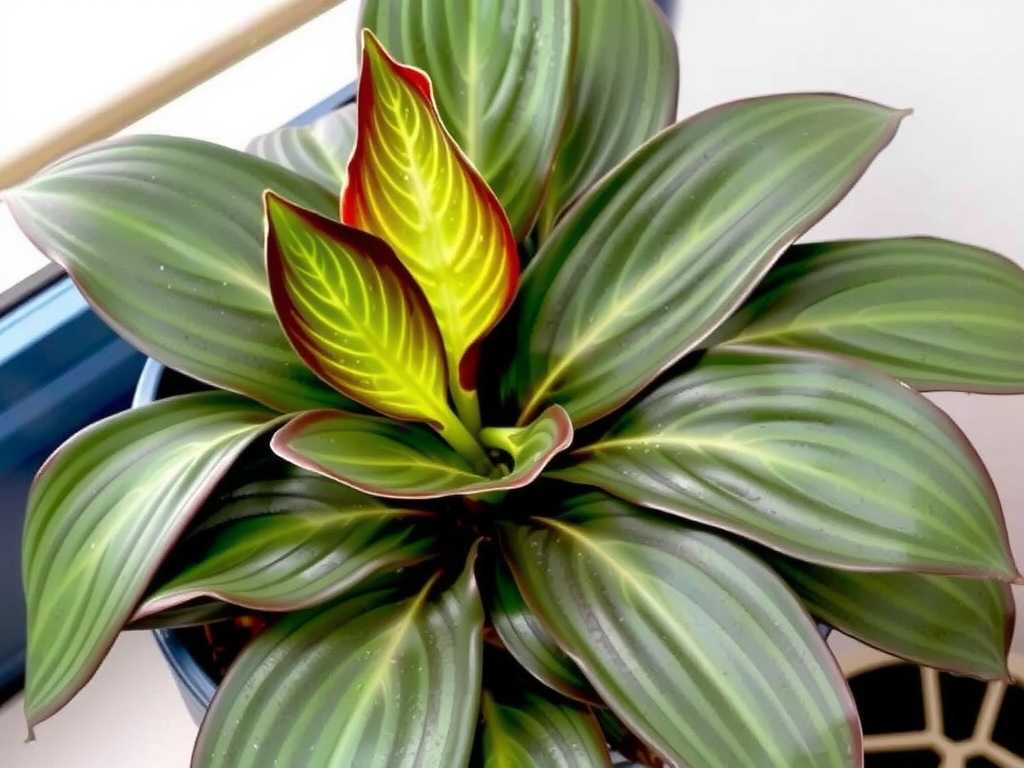
I remember the exact moment I knew I had to change my approach. My Calathea ornata, once a stunning display of deep green and painterly pink stripes, was looking… apologetic. Its leaves were pale, their famous pink lines fading into a faint whisper. New growth was slow and disappointingly small. I was feeding it with a standard, gentle liquid fertilizer, but it just wasn’t responding. The frustration was real. I wanted lush, vibrant growth, but I was also deeply committed to organic, sustainable plant care. That’s when I turned my focus entirely to how to fertilize Calathea ornata organically with worm castings. This journey wasn't just about a nutrient boost; it was about rebuilding the soil ecosystem for my prayer plant. Let me walk you through the exact process, the mistakes I made, and the remarkable transformation I witnessed over two weeks.
Why Your Calathea Ornata Craves Organic Nutrition
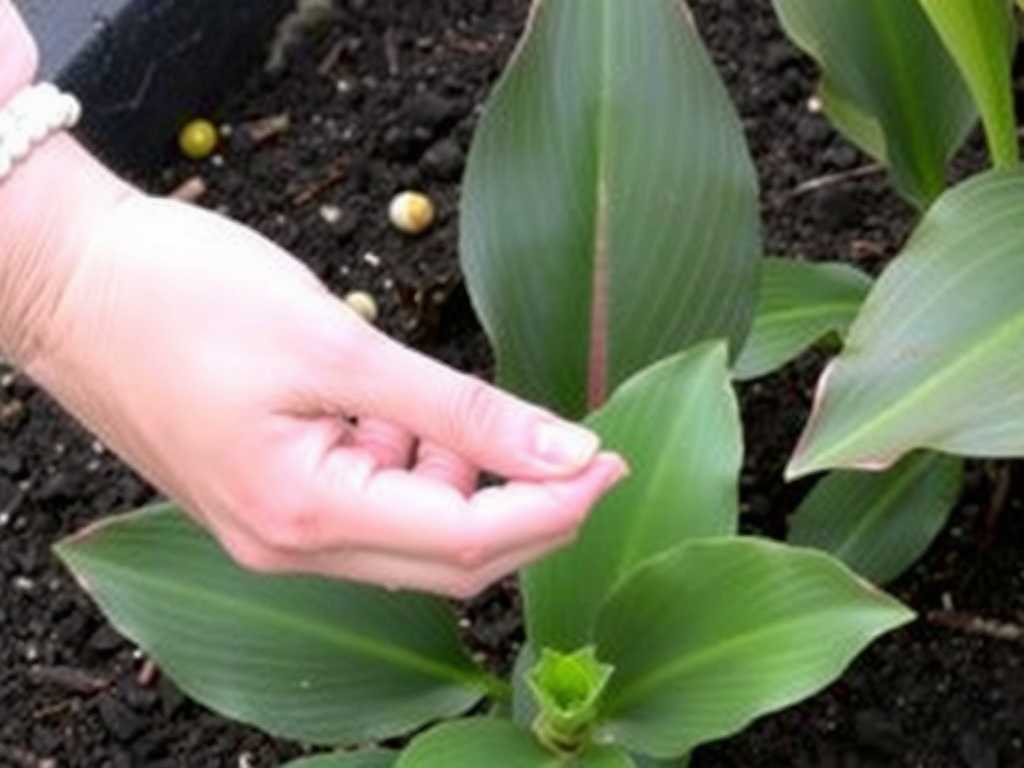
Calathea ornata, like many prayer plants, is a sensitive soul. It thrives on consistency and recoils from chemical harshness. Its roots are fine and delicate, easily burned by strong synthetic salts found in many conventional fertilizers. The result? Brown, crispy leaf tips—a classic sign of distress. My goal was to find a fertilizer that fed the plant and the soil, creating a resilient, living foundation. Enter worm castings.
Worm castings are not just fertilizer; they are a complete soil amendment. According to research highlighted by the Royal Horticultural Society (RHS), worm castings improve soil structure, increase water retention, and slowly release a broad spectrum of nutrients and beneficial microbes. This aligns perfectly with the needs of a Calathea, which prefers moist (but not soggy), well-aerated soil. The American Horticultural Society (AHA) also notes the value of such organic amendments in building long-term soil health, reducing the need for frequent interventions. For a plant that hates change, this steady, gentle feeding is ideal.
My Step-by-Step Guide to Using Worm Castings for Calathea
Here is the exact, simple method I developed through trial and error. You’ll need only two things: high-quality, sifted worm castings and a small trowel or spoon.
Step 1: The Soil Top-Dressing Method First, I gently loosened the top inch of the soil around my Calathea ornata, being careful not to disturb the surface roots. I then sprinkled a thin, even layer of worm castings over the entire soil surface. The rule of thumb is about a quarter-inch layer, or roughly 2-3 tablespoons for a 6-inch pot. This is the easiest and least stressful method for the plant. Every time you water, nutrients and microbes from the castings slowly percolate down into the root zone.
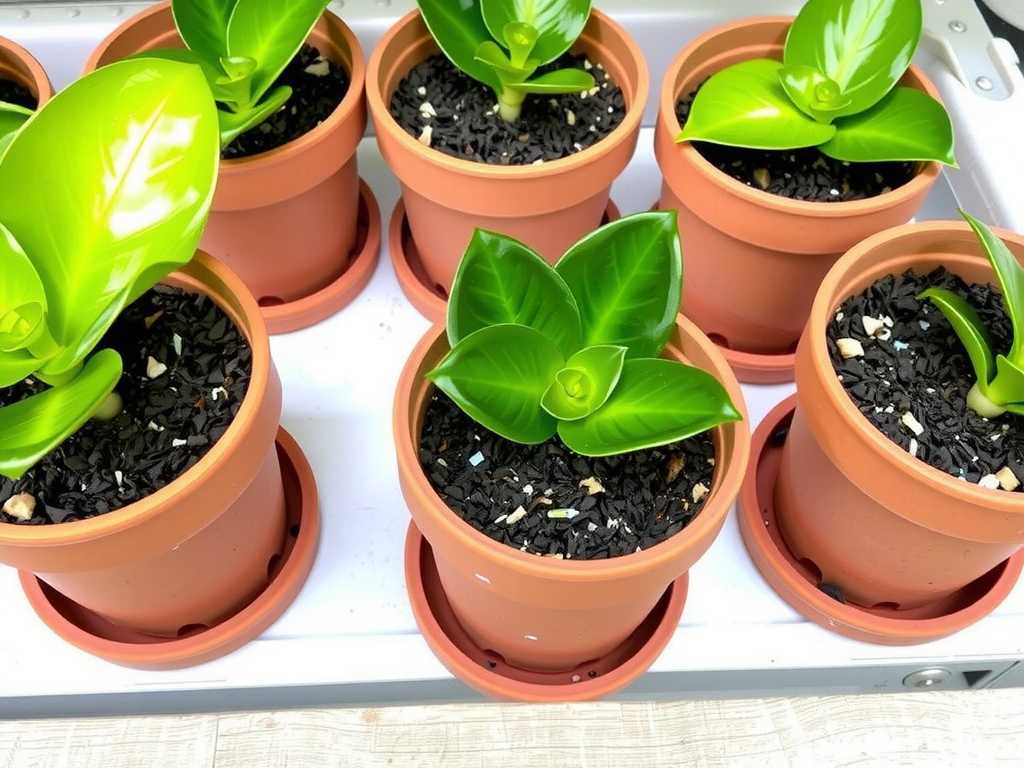
Step 2: The Gentle Mix-In During Repotting My plant was due for a repotting, which presented a perfect opportunity. I prepared my fresh, well-draining aroid mix (peat, perlite, orchid bark) and amended it by mixing in worm castings at a ratio of about 1 part castings to 4 parts potting mix. This ensures the benefits are distributed throughout the entire root ball from day one. I repotted my Calathea, watered it thoroughly to settle the soil, and placed it back in its usual spot with indirect light.
The Critical Mistake I Made (And How to Fix It) My initial enthusiasm was my downfall. In an earlier attempt with another plant, I thought, “If a little is good, more must be better.” I applied a thick, half-inch layer of castings as a top dressing. Within a few days, I noticed the soil was staying wet for too long. While castings improve drainage, a dense layer on top can sometimes create a moisture-sealing crust in certain environments. I started to see the first signs of fungus gnats—a clear indicator of excess surface moisture.
The fix was simple. I carefully scraped off the excess castings, leaving just a thin, dusting-like layer. I then allowed the top soil to dry out a bit more between waterings. To combat the gnats, I placed yellow sticky traps in the pot. This solved the issue within a week. The lesson? Moderation is key. Worm castings are mild, but proper application is everything.
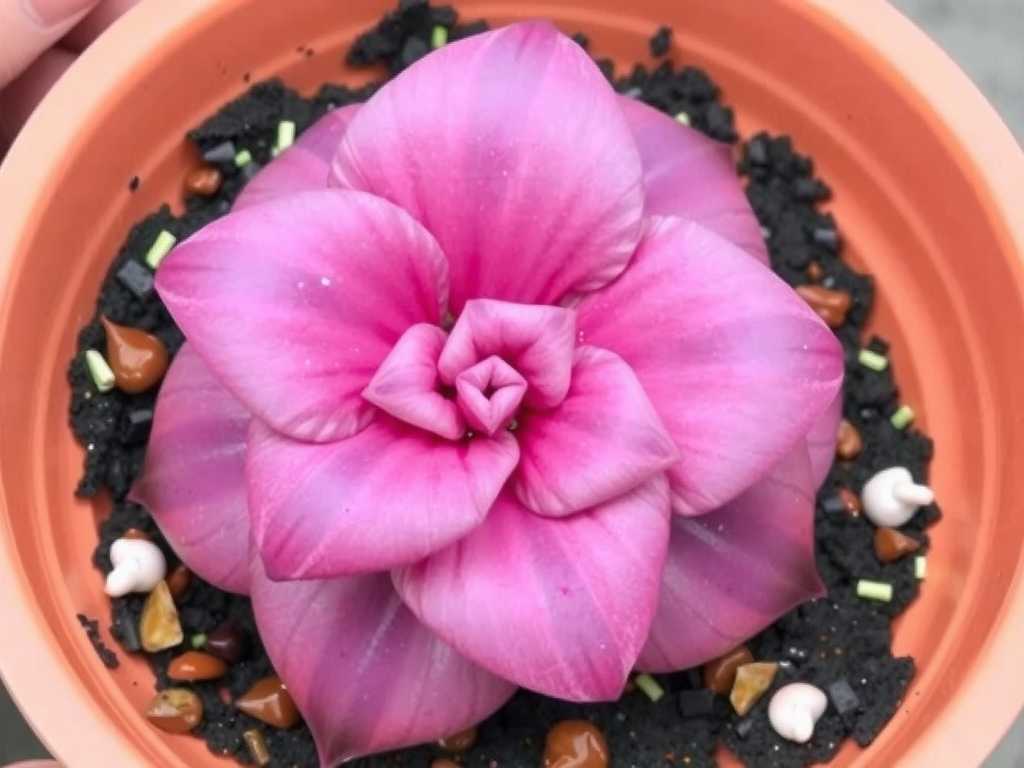
The Two-Week Observation: A Visual Diary
I monitored my Calathea ornata daily after the repotting with the integrated castings mix. Here’s what I saw:
- Days 1-4: No dramatic changes, which is normal. The plant showed no signs of transplant shock—a great first sign. The soil moisture seemed more even.
- Days 5-8: I observed the first promising signal. A new leaf spike (a “prayer” shoot) that had been stalled for weeks suddenly began to unfurl. It was noticeably larger and had a deeper, richer green hue even in its juvenile state.
- Days 9-14: This is when the magic became undeniable. The new leaf fully opened, displaying vibrant, bold pink stripes against a dark green canvas. But more importantly, two more new shoots emerged from the soil simultaneously—a rate of growth I hadn’t seen in months. The existing leaves seemed to “perk up,” looking glossier and more turgid. The pale leaves didn’t miraculously turn dark green (they rarely do), but the overall plant appeared profoundly healthier and more vigorous. This natural boost for prayer plants was in full effect.
Why This Organic Method Works So Well
The results stem from the multifaceted benefits of worm castings. They provide a natural plant growth boost through a slow release of nitrogen, phosphorus, potassium, and micronutrients like calcium and magnesium, which are crucial for leaf coloration and strength. Furthermore, the beneficial microbes introduced help the plant’s roots access nutrients more efficiently and can even suppress harmful pathogens in the soil. For a Calathea ornata, which is prone to stress, this creates a stable, supportive underground environment. It’s a holistic approach to plant health, not just a quick fix.
Addressing Your Curiosities
Can I use worm castings with other fertilizers? Absolutely, but with caution. One of the joys of using worm castings is their completeness. For my Calathea, I now use castings as the primary nutrient source. If I feel an extra boost is needed during peak growing season, I might use a highly diluted liquid seaweed extract, but only sparingly. The castings reduce, if not eliminate, the need for additional fertilizers.
How often should I apply worm castings? For top-dressing, I refresh the thin layer every 6-8 weeks during the spring and summer growing season. In autumn and winter, I stop applications as my Calathea’s growth slows. When repotting (every 1-2 years), I simply mix fresh castings into the new soil as described. It’s a low-maintenance routine.
My plant still has brown tips after starting this. What’s wrong? Worm castings address nutrient and soil health, but they don’t alter water chemistry. Calathea ornata is famously sensitive to minerals in tap water, like fluoride and chlorine, which cause brown tips. My final, crucial step was switching to watering with distilled water or rainwater. Between the organic nutrition from the castings and pure water, the new leaves on my plant have emerged completely free of brown tips.
Seeing my Calathea ornata push out multiple, large, and vividly striped leaves after a period of stagnation was the ultimate reward. The process taught me that sometimes, the most powerful solutions are the gentlest ones. By focusing on organic fertilization for Calathea ornata, specifically through the magic of worm castings, I didn’t just feed my plant—I nurtured the living soil it calls home. The resilience and beauty that followed were a testament to the power of working with nature, not against it. Your own stunning, healthy Calathea is waiting to emerge.
发表评论