 admin
admin How to Care for Calathea Ornata in Dorms with AC: Humidity Hacks
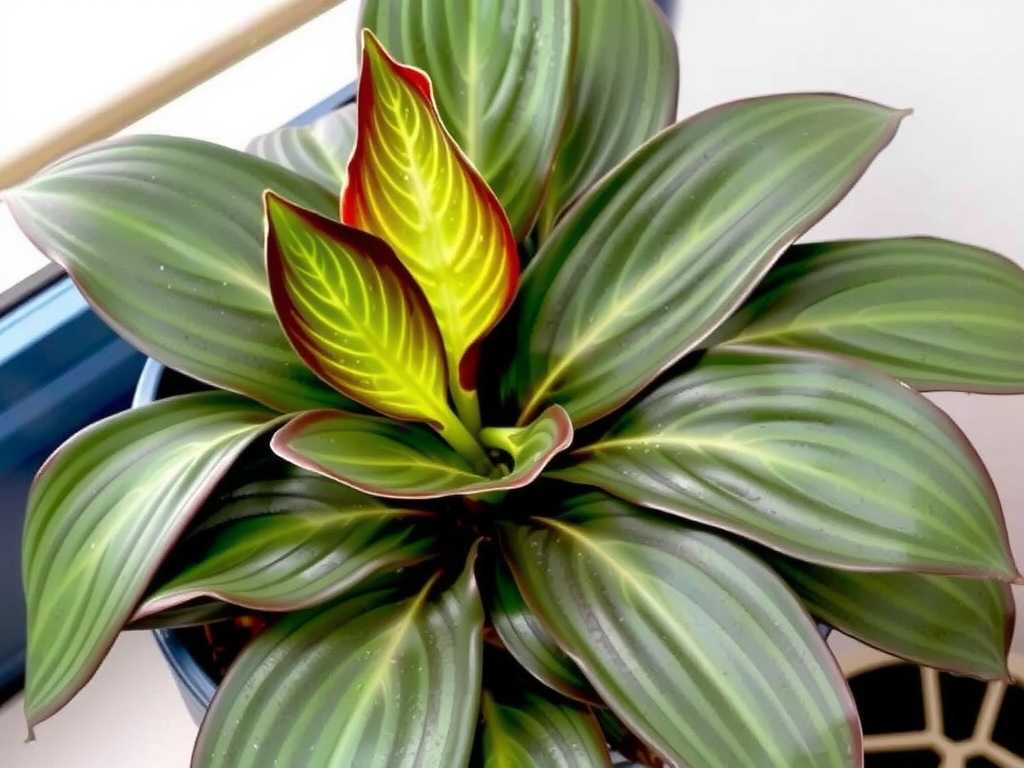
I remember the day I brought my Calathea Ornata, which I named Stella, into my dorm room. Her pink-striped leaves were a vibrant splash of life against the sterile white walls. But within a week, the dream started to crumble. The constant hum of the air conditioner, a necessity in our building, was sucking the life right out of the air. Stella’s edges began to crisp into a sad, brown lace. I was heartbroken. I knew Calatheas needed humidity, but how was I supposed to create a tropical paradise in a tiny, AC-blasted dorm room? This is the story of my two-week journey to hack humidity for my Calathea Ornata, the mistakes I made, and the surprisingly simple solutions that brought Stella back to her glorious, perky self.
If you're a student or someone living in a small, air-conditioned space, you know the struggle is real. You love plants, but the environment seems designed to work against you. This guide isn't just theory; it's my lived experience, complete with trials, errors, and ultimate triumphs in how to care for Calathea Ornata in dorms with AC.
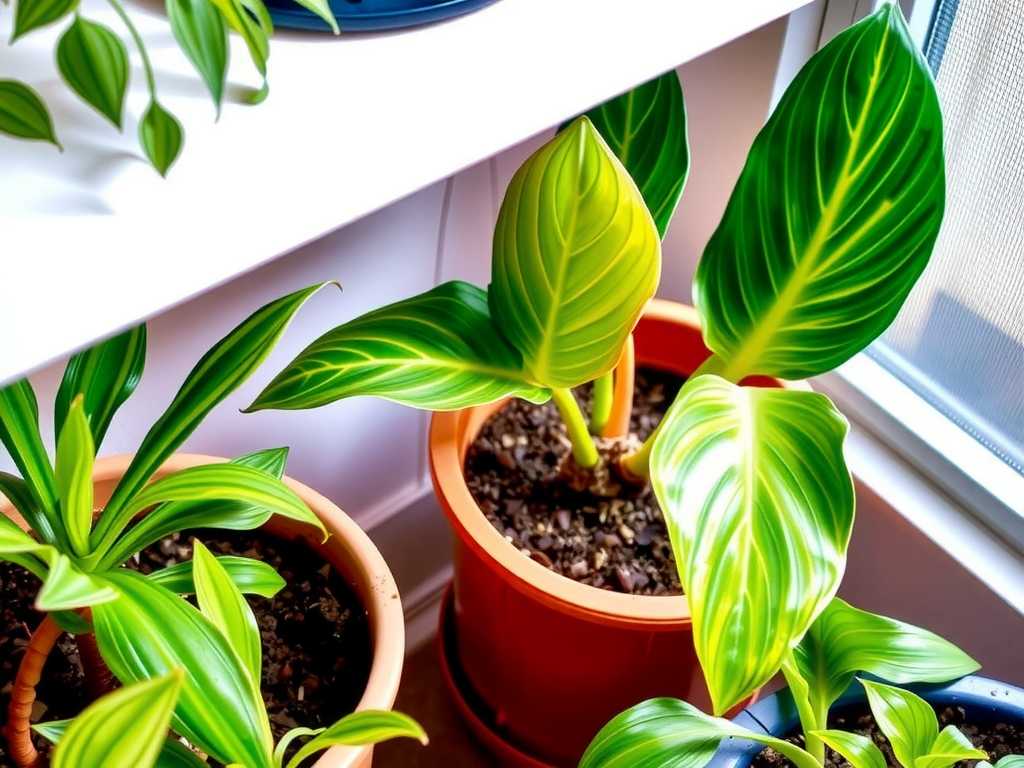
Understanding the Battle: Your Dorm AC vs. Tropical Plants
First, let's talk about why this is such a tough fight. The Royal Horticultural Society (RHS) clearly states that Calathea species, originating from the understory of tropical rainforests, thrive in high humidity, ideally above 60%. An air conditioner works by cooling and dehumidifying the air. In a small dorm room, it can easily drop relative humidity levels to a desert-like 30-40%. This low humidity causes rapid transpiration—water loss from the leaves—faster than the roots can absorb it. The result? Those tell-tale brown, crispy leaf edges and tips, curling leaves, and overall droopiness.
My initial mistake was underestimating this. I thought regular watering would be enough. I was wrong. Watering addresses soil moisture, but it does nothing for atmospheric humidity. I needed a multi-pronged humidity hack for Calathea in dry air.
My 2-Week Humidity Hacking Experiment: What Worked and What Didn't
I gave myself two weeks to turn things around for Stella. I decided to test several common methods, tracking her progress daily with notes and photos.
Week 1: The Trial (and Error) Phase
I started with the most frequently suggested tips, with mixed results.
- The Pebble Tray (A Modest Success): I placed a shallow tray filled with pebbles and water underneath Stella's pot. The idea is that as the water evaporates, it creates a localized humid microclimate. After a week, I noticed the crisping on new leaves had slowed. However, the effect was very localized. The American Horticultural Society (AHA) notes that pebble trays provide a slight humidity boost but are often insufficient alone in very dry, air-conditioned environments. My observation confirmed this. It was a helpful base layer, but not the complete solution.
- Grouping Plants (Dorm Room Limitation): I bought two other humidity-loving plants—a small Fern and a Peace Lily—and placed them close to Stella. Plants release moisture through transpiration, so grouping them creates a shared, more humid atmosphere. This helped a bit, but space in my dorm was extremely limited. Creating a dense enough "jungle" to significantly impact humidity wasn't practical without making my room feel cluttered.
- The Mist & Move Fail (My Big Mistake): Every morning, I diligently misted Stella's leaves. For a few hours, she looked great. But by afternoon, the leaves were dry again, and I started seeing small water-spot marks on the foliage. Worse, I didn't move her away from the direct path of the AC vent. The constant cold, dry air flow evaporated the mist almost instantly and was likely chilling the roots. This was my lowest point. The RHS actually advises against frequent misting for raising humidity, as its effects are fleeting and can promote fungal diseases if leaves stay wet for too long. I was following bad advice and making the problem worse.
Week 2: Implementing the Real Solutions
Frustrated but determined, I researched more intensive methods and combined them strategically.
- The Humidifier: The Game-Changer. I invested in a small, quiet ultrasonic humidifier. This was the single most effective step. I placed it about three feet from Stella, set it to maintain around 55-60% humidity, and let it run during the day. The change was dramatic within 48 hours. New leaves unfurled without a single brown edge, and existing leaves lost their brittle feel. The key was finding a model quiet enough for studying and small enough for my desk. It directly solved the core problem of maintaining Calathea Ornata humidity in air-conditioned rooms.
- Strategic Placement: The Silent Partner. I finally moved Stella! I found a spot on a shelf that received bright, indirect light from a north-facing window but was completely out of the direct blast of the AC vent. This, combined with the humidifier, meant the moist air around her wasn't being immediately stripped away. It seems obvious now, but it's a critical and often overlooked step.
- The DIY Terrarium/Cloche (For High-Stakes Days): On days when I had to turn the AC extra low, I created a temporary humidity dome. I simply placed a large, clear plastic bag over Stella (supported by chopsticks so it didn't touch the leaves) for a few hours in the afternoon. This created a mini-greenhouse effect. I was careful not to leave it on for more than 4-5 hours to prevent stagnation. It was a great emergency hack.
After two weeks of this combined approach—humidifier + strategic placement + pebble tray—Stella was transformed. The existing brown tips remained (they don't heal), but all new growth was flawless, lush, and she even pushed out a brand new leaf. The plant was visibly happier.
Your Actionable Dorm Room Humidity Plan
Based on my experience, here is your step-by-step plan to succeed where I initially failed.
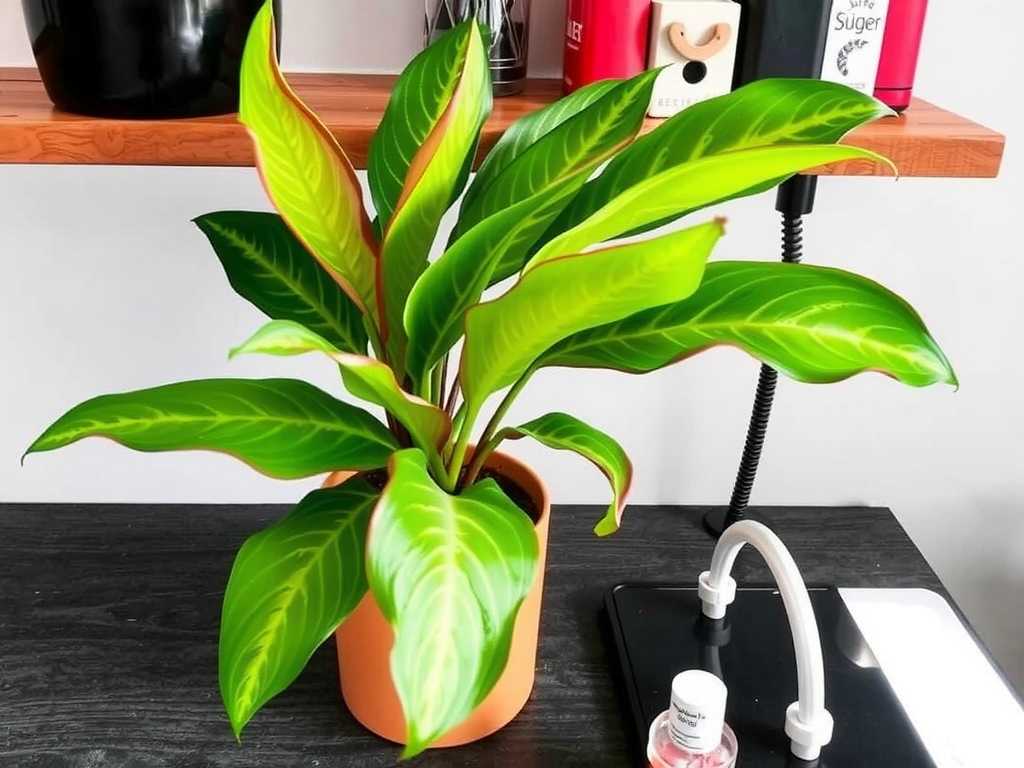
Step 1: Assess and Rearrange Immediately First, identify the airflow in your room. Feel where the AC vent blows. Move your Calathea Ornata to a spot with bright, filtered light but zero direct airflow from the vent. This is non-negotiable.
Step 2: Invest in a Primary Humidity Source For a dorm with AC, a pebble tray or misting alone won't cut it. A small humidifier is the most reliable tool. Look for one with a adjustable mist settings and a tank size that lasts at least 24 hours. Place it nearby, but not so close that leaves are constantly wet.
Step 3: Create Supportive Layers Use the pebble tray underneath the pot as a supportive measure. If space allows, group a few plants together. These layers add up and provide a buffer if your humidifier runs out of water while you're in class.
Step 4: Water Wisely in a Dry Environment In an AC room, soil might dry out differently. Don't water on a schedule. Stick your finger an inch into the soil. Water only when it feels dry. Use lukewarm, filtered, or distilled water if possible, as Calatheas can be sensitive to chemicals and salts in tap water, which can compound browning issues.
Step 5: Monitor and Adapt Watch your plant, not the calendar. New growth is your best indicator of success. Keep an eye out for pests (like spider mites, which love dry air), as proper humidity helps deter them.
Beyond Humidity: Holistic Care in a Controlled Climate
While humidity is the biggest battle, other factors matter too.
- Light: Bright, indirect light is perfect. A north or east-facing window is ideal. Direct sun will scorch the leaves, adding to your problems.
- Temperature: Calatheas prefer consistent warmth (65-80°F or 18-27°C). Thankfully, dorm AC usually keeps things in this range, but avoid placing your plant near cold drafts from windows or doors.
- Feeding: During the growing season (spring and summer), feed monthly with a diluted, balanced liquid fertilizer. In the dormant winter months, hold off.
What are the first signs my Calathea Ornata is suffering from low humidity? The very first sign is usually subtle: the leaves may start to curl slightly inward at the edges to reduce surface area and conserve moisture. This progresses to browning, crispy leaf tips and margins. If the air is extremely dry, you might also notice the leaves becoming brittle to the touch.
Can I just mist my Calathea instead of getting a humidifier? While misting provides temporary relief, its effects evaporate within minutes in an air-conditioned room. As I learned, it can also lead to water spots and fungal issues if overdone. The RHS considers it ineffective for raising ambient humidity. For a dorm with constant AC, a humidifier is a far more reliable and effective long-term solution for indoor plant care in low humidity environments.
My Calathea has brown tips even though I'm using a humidifier. What am I doing wrong? First, remember that existing damage won't heal. Focus on the new growth. If new leaves are also browning, check these: 1) Water quality: Switch to distilled or rainwater. 2) Soil moisture: Ensure you're not over or under-watering. 3) Humidifier placement: Is it too far away? Use a hygrometer to check levels right at the plant's location. 4) Direct draft: Re-confirm the plant is absolutely not in the path of any air vent.
Caring for a Calathea Ornata in a dry, air-conditioned dorm is a challenge, but it's far from impossible. It requires shifting your strategy from simple watering to actively managing the air around your plant. My two-week journey taught me that a proactive, layered approach—centered around a reliable humidifier and smart placement—is the key. It’s not about having a greenhouse; it’s about creating a tiny, controlled oasis where your tropical beauty can thrive. Seeing Stella’s vibrant new leaves unfurl in the middle of my study space made every bit of effort worthwhile.
发表评论