 admin
admin How to Fix Leaf Damage from Pets on Calathea Ornata: Your Complete Protection Guide
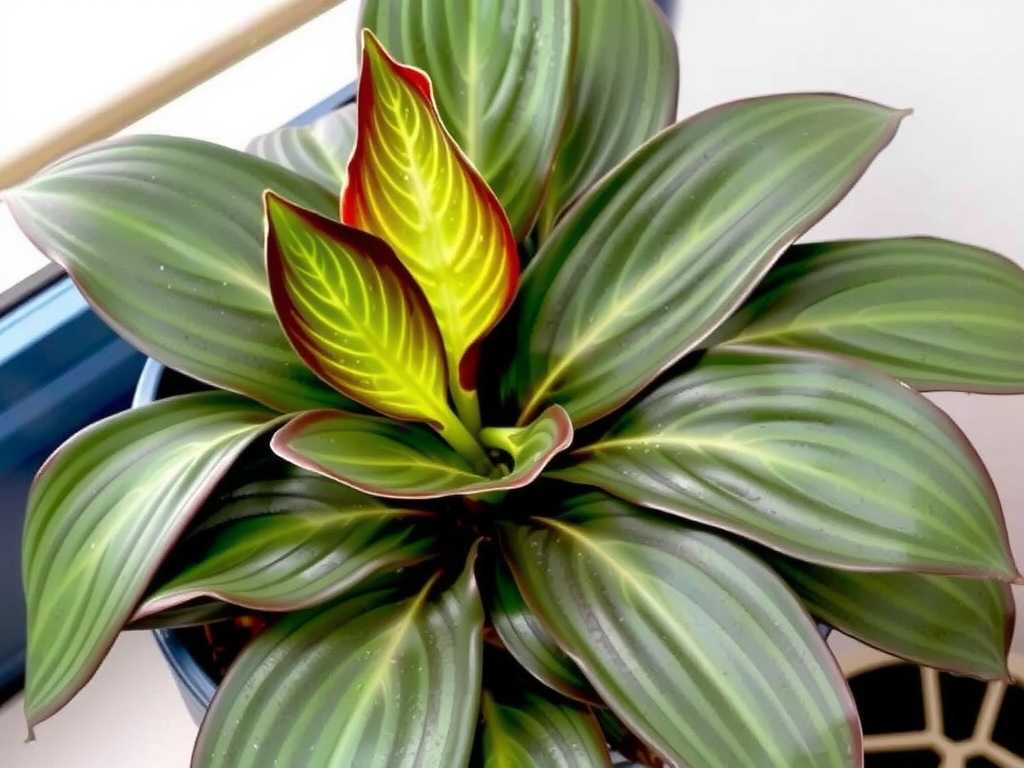
There's a special kind of heartbreak that only a plant parent who also loves pets will understand. You walk into your serene green sanctuary, only to find your prized Calathea Ornata—with its stunning pink-striped leaves—bearing the unmistakable marks of a curious cat's chew or a playful puppy's swat. Torn edges, punctures, and bruised foliage stare back at you. I've been there, staring at the damage, feeling a mix of frustration and worry. Not just for my plant's beauty, but for its health and for the safety of my furry companions. If you're searching for how to fix leaf damage from pets on your Calathea Ornata, you're in the right place. This guide is born from my own two-week journey of nursing a damaged plant back to health while creating a peaceful, pet-safe coexistence. We'll tackle immediate repair, long-term protection, and crucially, pet-friendly solutions.
Understanding the "Why": Pets and Your Calathea Ornata
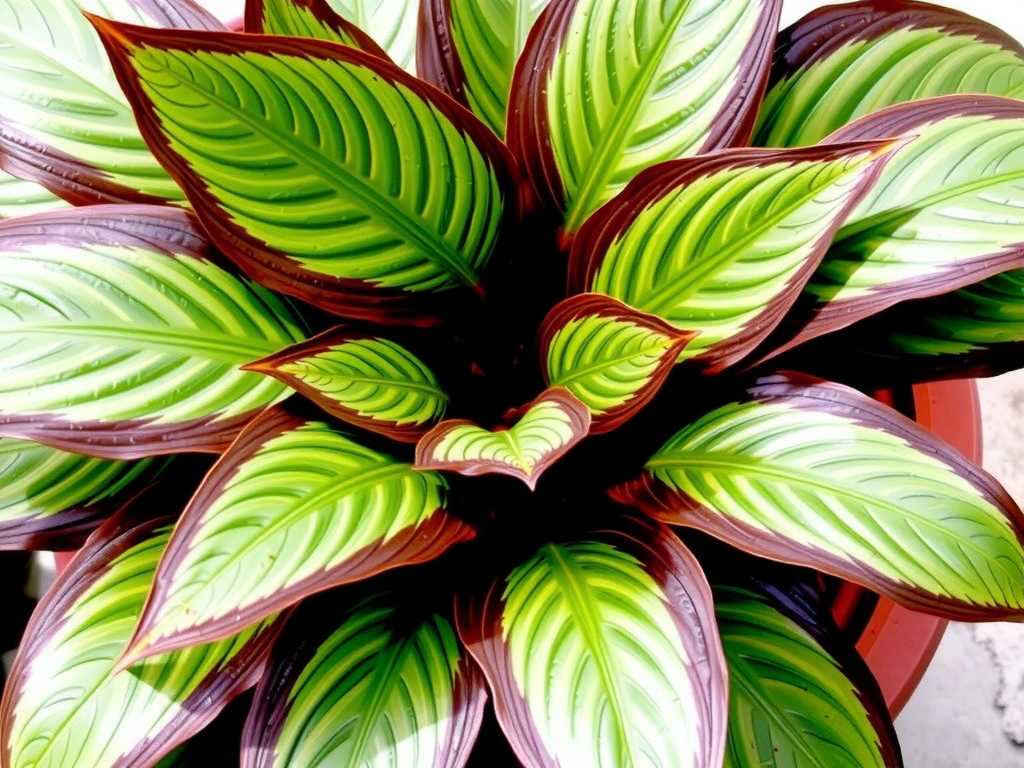
Before we jump into fixes, let's understand the duel problem. First, Calathea Ornata is a non-toxic plant. According to the American Society for the Prevention of Cruelty to Animals (ASPCA), it is not listed as toxic to cats or dogs. This is a huge relief for pet owners, but it also means your pets might find its large, swaying leaves an irresistible toy or snack. Second, these plants are drama queens of the houseplant world. They thrive on high humidity, consistent moisture, and indirect light. Physical damage doesn't just mar their appearance; it opens pathways for disease, stresses the plant, and can hinder its ability to photosynthesize effectively. The goal isn't just cosmetic—it's about holistic plant healthcare.
Immediate First Aid: Assessing and Treating the Damage
The moment you discover the damage, take a deep breath and follow these steps. I learned that a calm, methodical approach yields the best results.
Step 1: The Triage Assessment Gently inspect every leaf. Categorize the damage:
- Minor Nibbles & Small Punctures: These are superficial wounds. The leaf tissue is broken but the structural integrity is mostly intact.
- Major Tears & Severe Crushing: Large rips or leaves that are bent, folded, or badly bruised.
- Completely Detached Leaves: Stems that are broken clean off.
For my plant, I had a mix of about four leaves with minor cat-bite punctures and one large leaf torn almost in half.
Step 2: The Surgical Clean-Up (To Trim or Not to Trim) This was my first big decision point. I used a pair of sterilized, sharp scissors (rubbed with isopropyl alcohol).
- For Minor Damage: I did not trim. Why? The green parts of the leaf are still functional. Trimming would create a fresh, wet wound and remove precious photosynthetic surface area. I left these alone to let the plant seal the punctures naturally.
- For Major Tears: The large, half-torn leaf was a problem. The torn section was already browning and wilting, sapping energy from the plant. I made a clean cut, following the natural shape of the leaf, to remove the torn portion. I cut just outside the damaged area, not into healthy tissue.
- For Detached Leaves: These cannot be reattached. I removed the entire stem at its base, near the soil line, to direct energy to new growth.
Step 3: Post-Op Care and Monitoring After trimming, I gave the plant a gentle shower with lukewarm water to clean any dust or pet saliva from the leaves. I then placed it in its ideal recovery spot: a warm area with bright, indirect light and away from any drafty windows or vents. I was extra vigilant about not overwatering. A stressed plant in soggy soil is a recipe for root rot. I stuck to my finger-test rule: watering only when the top inch of soil was dry.
The Two-Week Recovery Observation: What Actually Happened
This is where patience became key. I documented changes every 2-3 days.
- Days 1-4: The plant looked sad. The trimmed edges on the large leaf dried to a thin, crisp brown line—completely normal. The leaves with minor punctures showed no spreading damage. The plant showed no signs of new growth.
- Days 5-10: This was the turning point. I noticed the existing healthy leaves seemed to "perk up" and become more rigid. The plant was clearly focusing its energy on maintaining what it had left. No signs of fungal or bacterial issues at the cut sites.
- Days 11-14: Success! A tiny, tightly furled new leaf began to emerge from the center of the plant. This was the clearest signal that my Calathea had overcome the stress and was back in growth mode. The minor puncture marks remained as small brown scars but did not enlarge or affect the leaf's overall health.
The critical lesson here was that the plant's recovery was internal and energy-based before it became visible. Rushing to fertilize or repot would have added more stress.
Building the Fortress: Long-Term Pet Deterrence Strategies
Fixing the damage is reactive. Preventing it is proactive. I had to make my Calathea Ornata less appealing and less accessible, using entirely pet-safe methods.
Strategy 1: Strategic Placement and Barriers I moved the plant to a high, stable shelf that was impossible for my cat to jump onto. As an alternative, consider a stylish plant cabinet (a "greenhouse cabinet") or a room with a pet gate. Physical distance is the most effective deterrent.
Strategy 2: Natural, Pet-Safe Repellents I tested two homemade sprays on a single, lower leaf for 48 hours to ensure they didn't harm the Calathea first.
- Citrus Spray: I diluted a few drops of lemon juice in water and lightly misted the pot's rim and the surrounding area (not directly on the leaves, as Calatheas can be sensitive). Cats typically dislike citrus scents.
- Vinegar Solution: A weak solution of white vinegar and water sprayed on the outside of the pot and the shelf surface acted as another scent barrier. Crucial Note: Always spot-test and avoid direct leaf contact with any spray. The goal is to create an off-putting scent zone, not to coat the plant.
Strategy 3: Offer a Better Alternative This was a game-changer. I purchased a pot of cat grass (wheatgrass) and placed it in an easy-to-access spot for my cat. This gave her a sanctioned, appealing green outlet for her chewing instincts. She took to it immediately, and her interest in the Calathea noticeably declined.
The Pitfall I Encountered and How I Solved It My initial mistake was using a commercially available "bitter apple" spray on the plant leaves. Within two days, the treated leaves developed yellowing, crispy edges—a clear sign of chemical burn and stress. I immediately stopped, gently wiped the leaves with a damp cloth, and flushed the soil with water to dilute any runoff. It set my recovery back by a few days. The takeaway: Always, always prioritize methods that are safe for both pets and the specific plant. When in doubt, consult resources like the Royal Horticultural Society (RHS) for plant care specifics and the ASPCA for toxicity guidelines.
Creating a Harmonious Home for All
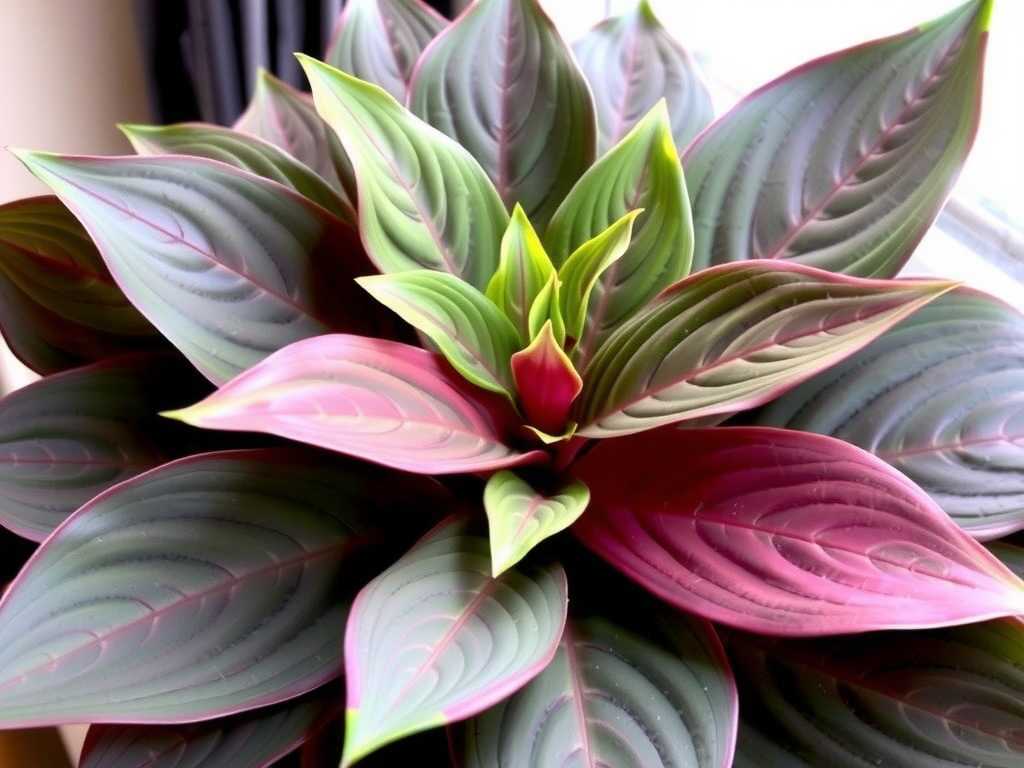
The health of your Calathea Ornata and the safety of your pets are intertwined. By choosing non-toxic plants like Calathea, you've already made a responsible first step. The rest is about management and empathy—understanding your plant's needs and your pet's behaviors. A happy pet with appropriate distractions and a healthy plant in a secure location is the ultimate goal. My Calathea Ornata is now thriving, putting out new, perfectly striped leaves regularly, and my cat contentedly chews on her dedicated grass. The scars on the older leaves remain as a reminder, but they tell a story of successful recovery and learned coexistence.
Will the chewed leaves ever heal back to perfect? No, the damaged tissue on existing leaves will not regenerate or "heal" like skin. The plant will seal the wounds, often with a brown, dry edge. The true healing is seen in the plant's overall vitality and its production of brand-new, undamaged leaves.
Is it safe to use aluminum foil or double-sided tape around my plant? These are common physical deterrents for cats, who dislike the texture and sound. They can be very effective when placed on surfaces around the plant pot (like the shelf or table). Ensure the Calathea itself is not stressed by excessive reflection or heat from foil, and that no sticky residue gets on the leaves.
My pet only bothers this one plant. Why? Pets can be curiously selective. It might be the movement of the leaves (Calatheas move their leaves daily, a process called nyctinasty), the texture, or simply its location. Try the diversion tactic with pet grass or a safe chew toy first. Often, addressing the specific behavior with an alternative is more effective than a blanket approach for all your plants.
发表评论